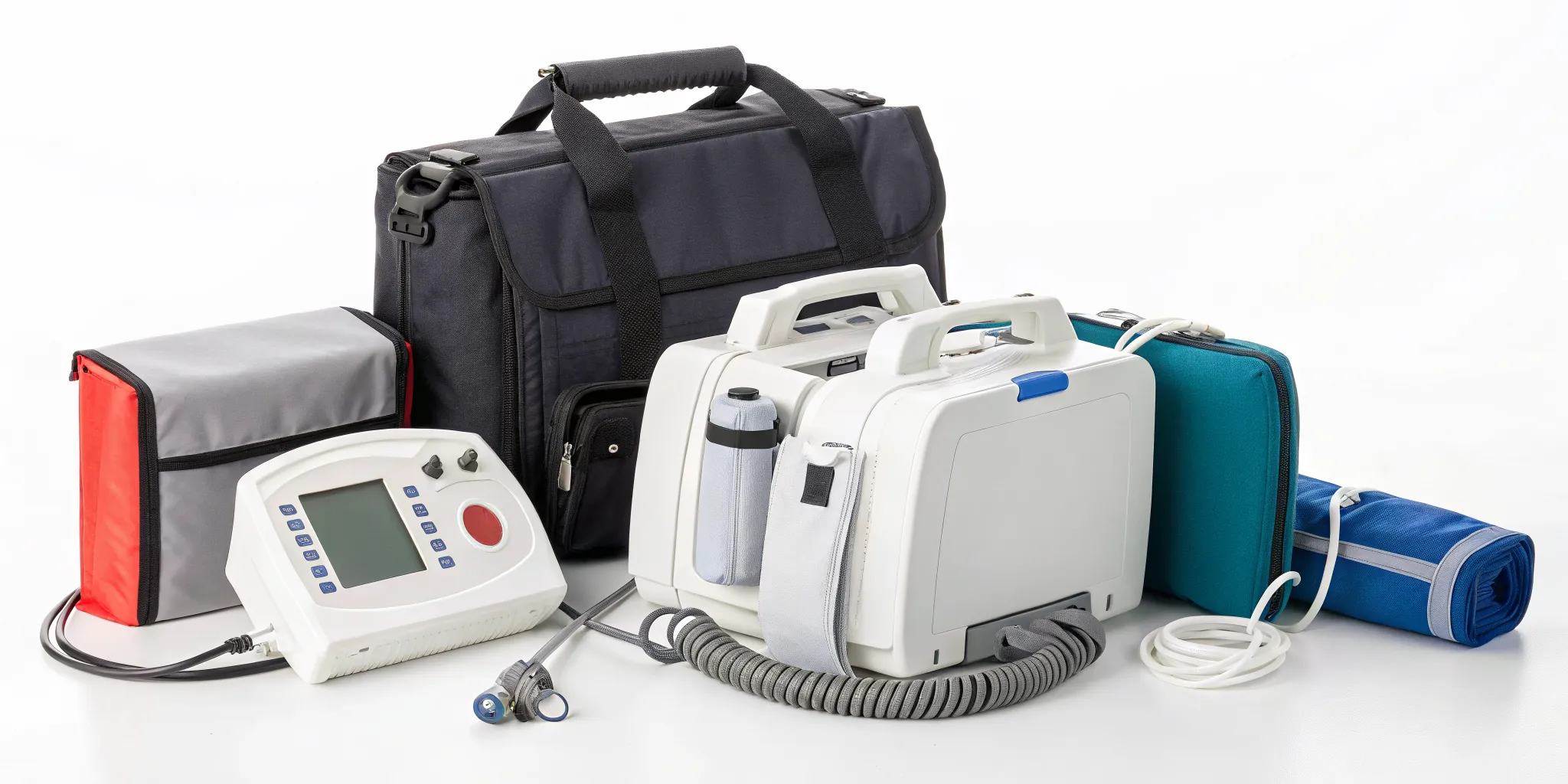
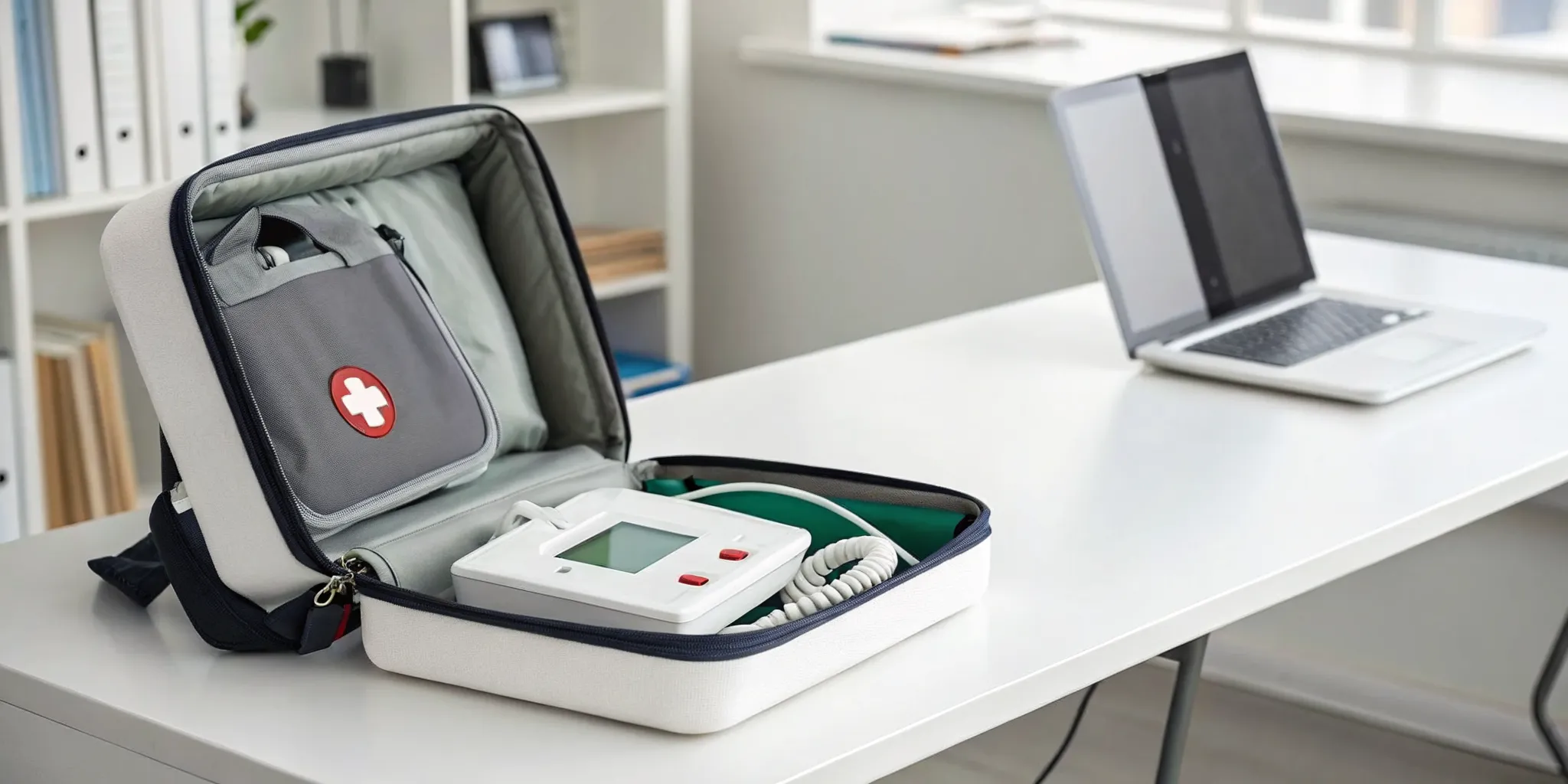
Many people think life-saving skills are just for adults. That’s a huge misconception. Effective BLS training for kids isn’t just possible—it’s essential. It builds a foundation of confidence, covering everything from basic first aid for kids to more advanced skills. Even specific programs like cpr classes for 12 year olds are designed to empower them. When kids learn Basic Life Support (BLS) early, they know exactly how to act when seconds count. This training gives them a clear, age-appropriate framework to respond confidently in a crisis.
Why Every Child Should Learn Basic Life Support
Teaching kids CPR and basic first aid builds life-saving skills. It also boosts their confidence in emergencies. Techniques for infants and children can differ a bit, especially with one rescuer. Many schools around the world now include CPR training in their curriculum. They see it as an important skill for early education.
What’s the Best Age for Kids to Learn CPR?
CPR, a core element of Basic Life Support, is one of the most crucial skills to learn in emergency response. The American Heart Association says kids as young as nine can learn CPR basics. They may not be able to do full chest compressions, but knowing how helps a lot. Early training boosts confidence. It helps people respond with effectiveness in emergencies. This can boost survival rates in cardiac events outside hospitals. Empowering kids with these skills sets the foundation for a lifetime of readiness.
What is Covered in a BLS Course?
A Basic Life Support (BLS) course is more than just a CPR class; it’s a comprehensive training program designed to teach you how to respond effectively to life-threatening emergencies. These courses, often certified by organizations like the American Heart Association, cover the critical skills needed to help an adult, child, or infant during a cardiac or breathing emergency until professional medical help arrives. You’ll learn how to recognize the signs of a crisis, perform high-quality chest compressions, deliver rescue breaths, and operate an Automated External Defibrillator (AED). The curriculum is structured to build both your skills and your confidence, using a combination of instruction and hands-on practice to ensure you’re prepared to act decisively when it matters most.
The American Heart Association Chain of Survival
A core concept you’ll learn in a BLS course is the American Heart Association’s Chain of Survival. Think of it as a series of critical actions that, when performed in rapid succession, give a person in cardiac arrest the best chance of a positive outcome. The chain includes recognizing the emergency and calling for help, starting high-quality CPR immediately, using an AED as soon as one is available, and transitioning to advanced life support provided by emergency responders. Each link is just as important as the next. A BLS course teaches you how to perform the first few links in that chain, making you an essential first responder in a crisis and bridging the gap until professional help can take over.
Core BLS Procedures for Children
While the principles of BLS are universal, the techniques for children and infants require special attention. A key part of any BLS course focuses on these pediatric-specific procedures. You’ll learn that responding to a child in cardiac arrest often involves a coordinated team effort, where rescuers perform several tasks at once, including chest compressions, managing the airway, giving rescue breaths, and using an AED. The training covers the subtle but critical differences in hand placement for compressions, the force needed, and the ratio of compressions to breaths. This specialized knowledge is vital because a child’s body is more fragile, and the causes of cardiac arrest in children are often different from those in adults.
Scene Safety and Child Assessment
Before you can help anyone, you have to make sure the scene is safe for both you and the victim. BLS training emphasizes this as the absolute first step. You’ll learn to quickly scan the area for any dangers, like traffic or electrical hazards, and move the child to a safer spot if needed. Once the scene is secure, you’ll learn how to assess the child’s condition. This involves tapping their shoulder and speaking loudly to check for responsiveness while simultaneously looking for signs of breathing and feeling for a pulse. This initial assessment is a critical diagnostic step that determines your next actions, whether it’s starting CPR or placing the child in the recovery position.
Chest Compressions and Rescue Breaths
The foundation of CPR is high-quality chest compressions and effective rescue breaths. In a BLS course, you’ll get hands-on practice with manikins to master the proper technique for children. For a single rescuer, the correct ratio is 30 chest compressions followed by two rescue breaths. You’ll learn the correct depth and rate for compressions to ensure blood continues to circulate to the brain and other vital organs. You’ll also practice giving rescue breaths that make the chest visibly rise without being too forceful. Mastering this cycle is key to providing effective support until an AED or emergency medical services arrive on the scene.
Understanding Agonal Breathing
One of the most important—and often misunderstood—signs you’ll learn to recognize is agonal breathing. These are not true breaths but rather occasional, gasping sounds that can occur in the early stages of cardiac arrest. A person experiencing agonal breathing is not getting enough oxygen, and it’s a sign that you need to start CPR immediately. BLS courses train you to distinguish these reflex-like gasps from normal breathing so you don’t delay life-saving interventions. Recognizing agonal breathing for what it is—a sign of a dire emergency—is a critical skill that can make a significant difference in an outcome.
When to Call for Help
Knowing when and how to call for help is just as important as knowing how to perform CPR. BLS training provides clear guidelines on activating the emergency response system. If you witness a child collapse, the protocol is typically to call 911 immediately. However, if you are alone and did not see the collapse, the recommendation is to perform two minutes of CPR *before* leaving the child to find a phone and call for help. This “care first” approach is taught because cardiac arrest in children is often caused by a respiratory issue, and providing immediate CPR can be the most effective first step.
Using an AED on a Child
An Automated External Defibrillator (AED) is a powerful device that can restore a normal heart rhythm during sudden cardiac arrest, and BLS courses provide essential training on how to use one on a child. You’ll learn that an AED is safe and easy to operate, with clear voice prompts and visual diagrams that guide you through every step. The training covers when to apply the AED, how to attach the pads correctly on a child’s smaller frame, and how to ensure everyone is clear of the child when the device delivers a shock. Hands-on practice with training units helps build the confidence needed to use an AED quickly and correctly in a high-stress situation.
The Importance of Pediatric Pads
When using an AED on a child, it’s crucial to use the right equipment. BLS courses teach that for children under eight years old or weighing less than 55 pounds, you should use pediatric AED pads. These pads are smaller to fit a child’s chest properly and are designed to deliver a reduced dose of electrical energy that is more appropriate for their size. If pediatric pads aren’t available, you’ll learn how to use adult pads as a last resort by placing one on the child’s chest and one on their back. Having the correct AED accessories on hand is a key part of being prepared for a pediatric emergency.
AED Program Management
A successful emergency response doesn’t just happen; it’s the result of careful planning and preparation. While BLS training empowers individuals, a coordinated team effort relies on a well-managed AED program. This means ensuring your AEDs are always visible, accessible, and ready for use with the correct supplies, like charged batteries and unexpired pediatric pads. For schools, gyms, and other organizations, maintaining compliance and readiness can be complex. That’s where full-service AED program management comes in, handling everything from routine inspections and supply tracking to compliance documentation, so you can be confident your equipment is ready when seconds matter most.
Advanced Skills and Concepts
Beyond the fundamentals of CPR and AED use, a comprehensive BLS course covers additional skills and concepts that prepare you for more complex emergency scenarios. These advanced techniques are designed to improve the quality of care you can provide, especially when you’re not the only rescuer on the scene. The training moves beyond individual actions to focus on how to function as part of a high-performance team, ensuring that every action is coordinated and efficient. This part of the course helps you think critically and adapt your response to the specific situation you’re facing, making you a more capable and versatile first responder.
Teamwork in a Two-Rescuer Scenario
When two trained rescuers are present, the dynamic of the response changes for the better. BLS courses dedicate time to practicing two-rescuer scenarios, which allow for more effective and less fatiguing CPR. You’ll learn how to work as a team, with one person handling chest compressions while the other manages the airway and provides rescue breaths. The training emphasizes clear communication and defined roles, including how to switch positions every two minutes to prevent exhaustion and maintain the quality of compressions. This teamwork significantly improves the level of care a victim receives before professional help arrives.
The Recovery Position
Not every emergency requires CPR. If you find a child who is unresponsive but breathing normally, the correct action is to place them in the recovery position. BLS courses teach you how to gently roll a person onto their side while supporting their head and neck. This simple maneuver uses gravity to keep their airway clear and open, preventing them from choking on their tongue or any fluids. It’s a critical skill for managing an unresponsive person who does not need CPR and ensures they remain safe while you wait for emergency medical services to arrive on the scene.
Who Should Take a BLS Course?
While the name might suggest it’s only for healthcare workers, Basic Life Support training is a valuable skill for almost everyone. Cardiac arrest can happen anywhere, at any time, and the person closest to the victim is often a friend, family member, or coworker. BLS certification is essential for medical professionals like nurses, physicians, and EMS personnel, but it’s also highly recommended for teachers, coaches, childcare providers, and public safety officers. Anyone who wants to be prepared to help in an emergency can and should take a BLS course. The skills you learn can empower you to save the life of a loved one or a stranger.
Age Definitions in BLS Training
To ensure you’re providing the most effective care, BLS training uses specific age definitions to guide your actions. An “infant” is typically defined as anyone under one year of age. A “child” is generally considered to be between one year old and the onset of puberty, which is often marked by signs like breast development in girls or the presence of underarm hair in boys. Anyone who has gone through puberty is treated as an “adult.” These distinctions are important because the techniques for CPR and AED use vary slightly between these groups to account for differences in anatomy and physiology. Understanding these categories helps you apply the right skills to the right person.
Courses for Healthcare Professionals and the Public
Not all BLS courses are the same. Organizations like the American Red Cross and the American Heart Association offer different levels of training tailored to specific audiences. BLS for Healthcare Providers is a more intensive course designed for clinicians and public safety professionals who have a duty to respond. It often covers more advanced skills and team-based scenarios. For the general public, there are CPR/AED and first aid courses that teach the essential life-saving skills needed to respond to emergencies at home or in the community. Choosing the right course ensures you get the training that best fits your needs and responsibilities.
Essential First Aid Skills Every Kid Should Know
Teach kids basic life support and first aid. Use key ideas from the American Heart Association guidelines. Key lessons show young learners how to handle emergencies with clarity and appropriateness:
- Understanding how to care for wounds and apply bandages with precision is a key part of basic first aid. Teaching kids these skills equips them to respond safely to injuries.
- Learning high-quality CPR is crucial for everyone during a cardiac arrest. This includes infants, children, and adults. This skill is vital while waiting for emergency responders. Using proper techniques in these moments can boost circulation and improve survival chances.
- Knowing how to respond when someone is choking is crucial, whether the victim is a baby, child, or adult. Quick, age-appropriate actions can clear the airway and prevent a life-threatening emergency.
- Learning to give mouth-to-mouth resuscitation, or rescue breaths, is key in emergency care. This technique provides oxygen to a person who isn’t breathing. It can be vital until help arrives.
- Performing chest compressions with accuracy is crucial in CPR. It keeps blood flowing to the brain and heart when a person’s heartbeat stops. Mastering the right technique can make a life-saving difference in emergencies.
- Handling blood and bodily fluids in a cautious manner is essential. It helps prevent infections and keeps everyone safe during first aid. Good hygiene and protective measures reduce health risks for responders and injured individuals.
- Applying firm pressure to a wound is one of the most effective ways to control bleeding. Act fast and apply steady pressure. This can slow blood loss until help arrives.
- Using an EpiPen correctly during a severe allergic reaction can save a life. You can learn this skill with EpiPen training. It shows you when and how to act fast in anaphylactic emergency.
- Knowing how to call 911 is a basic but critical skill in any emergency. Staying calm and speaking clearly helps first responders get the right information quickly. This way, they arrive faster and better prepared.
- An Automated External Defibrillator (AED) can boost survival chances during a cardiac arrest. This is especially true before emergency services arrive. Early defibrillation is a critical step in saving lives when every second counts.
Finding the Right BLS Training Program
Once you’ve decided to get your team or your child trained in Basic Life Support, the next step is finding a program that fits your needs. Not all courses are created equal, and the right one will depend on your learning style, schedule, and specific requirements. A quality BLS program provides more than just a certificate; it builds the confidence needed to act decisively in a high-stress situation. Look for courses that are recognized by major organizations like the American Heart Association, as they ensure the curriculum is based on the latest life-saving science. Choosing a reputable provider is the first step toward creating a culture of preparedness in your workplace, school, or community.
Course Formats: In-Person vs. Blended Learning
BLS training is generally offered in two formats: fully in-person or a blended model. The traditional in-person class is great for those who learn best with direct, hands-on instruction from start to finish. You’ll complete all the lessons and skills practice in a single session with an instructor guiding you. Alternatively, blended learning combines online coursework with an in-person skills session. You can complete the theoretical part at your own pace online and then attend a shorter, hands-on session to practice with manikins and receive feedback. This format offers more flexibility and is a popular choice for busy professionals and organizations trying to coordinate training for their staff.
Certification and Continuing Education
Successfully completing a BLS course is a huge accomplishment, but the learning doesn’t stop there. Life-saving skills require practice to stay sharp, and certifications have an expiration date for a reason. Staying current with your training ensures you’re always ready to respond with the most effective techniques. It’s also a key part of maintaining compliance for many professions, from healthcare providers to teachers and corporate safety officers. A good training program will not only teach you the skills but also make it clear how to maintain your certification over time, keeping you prepared for any emergency that might come your way.
BLS Provider Cards
After you complete all the course requirements, including the hands-on skills test, you’ll receive a BLS Provider course completion card. This card serves as official proof that you have been trained in Basic Life Support. Most BLS certifications, including those from the American Heart Association, are valid for two years. This two-year cycle ensures that responders refresh their knowledge and skills regularly, keeping up with any updates in emergency protocols. Make sure to keep your card in a safe place, as you may need to present it to your employer or another organization as proof of your training.
Skill Refreshers and Renewal Reminders
Because BLS skills can fade over time if not used, regular refreshers are essential. The two-year certification period is designed to bring you back into the classroom to practice chest compressions, rescue breaths, and AED use before your skills get rusty. Many training centers send out renewal reminders, but tracking these for an entire team can be a challenge. This is where a comprehensive emergency response program can help by managing certification tracking and ensuring your team is always compliant and ready to act with confidence when it matters most.
Training Standards and Additional Topics
A comprehensive BLS course covers more than just the mechanics of CPR. It’s designed to teach you how to assess a scene, recognize life-threatening emergencies, and provide critical care until professional help arrives. High-quality programs adhere to strict training standards and often include modules on related emergencies. This ensures you’re not just learning a single skill but are developing a broader understanding of emergency response. From managing a choking incident to knowing how to work as part of a team, these courses provide a well-rounded foundation for saving lives in a variety of situations.
Following the Latest Guidelines
Emergency medical science is always evolving, which is why it’s so important to choose a training program that follows the latest evidence-based guidelines. Organizations like the American Heart Association regularly update their recommendations based on new research to improve outcomes for cardiac arrest victims. For example, courses are updated to reflect the most recent AHA Guidelines for CPR and Emergency Cardiovascular Care (ECC). Training that is aligned with these standards ensures you are learning the most effective and up-to-date techniques, giving the person you’re helping the best possible chance of survival.
Beyond CPR: Anaphylaxis and Bloodborne Pathogens
While CPR is a cornerstone of BLS, a thorough course will also prepare you for other critical emergencies. Training often includes how to properly use an Automated External Defibrillator (AED), provide aid to a choking victim, and place someone in the recovery position. Some courses also cover how to respond to anaphylaxis (a severe allergic reaction) and the universal precautions for handling bloodborne pathogens to keep yourself safe while helping others. This holistic approach prepares you to be a more capable and confident first responder, ready to handle a range of medical emergencies with skill and composure.
Teaching Kids How to Prevent Accidents and Injuries
Teaching children preventive safety measures is as important as emergency response skills. Educating them on accident avoidance can lower the risk of serious injury and reduce the need for BLS techniques.
- It’s important to know the methods for escaping a dangerous situation without risk. This protects you and those around you. Quick thinking and calm actions can make all the difference in avoiding further harm.
- Approaching a first aid situation with care is key. It helps keep you and the injured person safe. Stay alert and assess the scene. This helps you respond well and stay safe.
- Biking or riding a motorcycle needs the right safety gear. Helmets are especially important. Teaching about seatbelts and protective gear is key. It helps prevent serious injuries. Plus, it builds lifelong habits of caution and responsibility.
- Learning fire prevention and how to respond during a fire is essential for staying safe. Checking if a door is hot before opening it is a simple action. It can help you stay safe in emergencies and make better choices.
- Knowing water safety is key. It includes basic boating rules and simple rescue steps. This knowledge helps prevent accidents. Teaching these skills helps kids stay safe in the water. It also builds their confidence to act if trouble happens.
Fun Ways to Teach First Aid for Kids
Teaching BLS to kids works better when we use tools that make the ideas simple and fun. Creative and age-appropriate methods help young learners grasp and remember key first-aid skills:
- Demonstration videos show kids’ first aid techniques in a way that is easy to understand. They help children learn how to react in emergencies by watching real-life examples.
- A hospital visit, either in person or online, shows kids what emergency care is like. It helps them grasp triage basics. It also shows why safety measures matter in critical situations.
- When a nurse, firefighter, or EMT visits, kids see why CPR, first aid, and emergency skills matter daily. Hearing from professionals helps kids understand serious situations. They learn how to respond in a calm manner and in a safe way.
FAQs
Why Start First Aid and CPR Training Young?
Teaching kids CPR and first aid builds their confidence in emergencies. When kids learn life-saving skills early, they become more aware and responsible. This also helps them respond better in real situations.
Can Kids Actually Get CPR Certified?
Yes, many programs offer CPR certification for kids. Courses start at age nine. Younger kids might not push hard during compressions, but they can still learn the steps. This helps them feel more confident in emergencies.
What’s Covered in a BLS Course for Kids?
BLS for children (Basic Life Support) teaches vital skills. These include CPR, rescue breathing, choking response, and AED use. Kids learn these skills in a way that suits their age. This helps them understand and remember what to do in an emergency.
Where Can You Find CPR Classes for Kids?
Not possible to remove the adverb. Many organizations now provide CPR classes for kids. These classes aim to make learning fun and engaging. These classes use videos and hands-on activities. Kids also practice through role-play to learn better.
Why Professional Instruction Makes a Difference
When nurses, firefighters, or EMTs come to teach CPR or first aid, kids learn emergency care better. These experts share real-life insights. Teaching first aid to kids helps them act safely and calmly.
Building a Generation of Lifesavers
Teaching CPR and first aid to kids is a great way to give them the skills and confidence to handle emergencies. Early training builds a strong base for lifelong readiness. It covers essential life-saving steps and helps kids earn CPR certification. Classroom visits and fun lessons teach kids how to help others. CPR classes also show them how to stay safe. Investing in BLS for kids is more than just teaching skills. We’re empowering future lifesavers.
Key Takeaways
- Make life-saving skills accessible to all ages: Age-appropriate training demystifies emergency response for children, teaching them core concepts like CPR and AED use in a way that builds competence and readiness from a young age.
- Master the entire sequence of survival: A complete BLS course teaches more than just CPR; it covers the critical sequence of actions including assessing the scene, calling 911, using an AED correctly, and knowing when to use the recovery position.
- Ensure your program is always response-ready: Effective emergency preparedness doesn’t end with a certification card; it requires consistent skill refreshers and professional AED program management to make sure your team and equipment are prepared to act correctly when it matters.
Related Articles
Disclaimer for information purposes only:
The information provided on this website is intended for general educational and informational purposes only. It is not medical advice and should not be used as a substitute for professional diagnosis, treatment, or care. Always consult a qualified healthcare or medical professional regarding any health-related questions or concerns.
While we strive to ensure the information shared is accurate and up to date, no guarantees are made regarding completeness, accuracy, or applicability to any individual situation. Use of this content is at the reader’s sole discretion and risk.
This website is part of the Response Ready family of emergency preparedness and training resources, including CPR & first aid training and compliance services, AED sales and program support, AED program management software, and medical oversight solutions provided through our affiliated platforms:
• CPR1.com
• AEDLeader.com
• ResponseReady.com
• MDSIMedical.com
By accessing or using this website, you agree to release, indemnify, and hold harmless the website owners, authors, contributors, and affiliated entities from any claims, losses, damages, or liabilities arising from the use or reliance on the information presented.