We all know CPR, or Cardiopulmonary Resuscitation, is a critical life-saving skill. But have you ever thought about being the one who teaches it? Becoming a certified CPR instructor is more than just a job; it’s a way to empower your community. You can build a flexible business while giving others the confidence to act in an emergency. The journey to getting your cpr instructor certification starts with the right training. A comprehensive cpr instructor course is your first step toward making a real impact.
CPR instructors are vital. They teach life-saving skills for emergencies. As demand for CPR training grows, so does the need for skilled instructors. They must empower individuals to become confident responders. With a push for more CPR education, qualified instructors are vital.
In the U.S., the need for CPR instructors will rise by 12% from 2018 to 2028. This shows a strong demand for these vital educators. If you want to be a CPR instructor, now is the time to make a difference.
Discover how to swiftly become a CPR instructor and join the community of individuals making a life-saving, daily impact.
First Things First: What Is CPR?
Cardiopulmonary Resuscitation, or CPR, is a vital emergency technique designed to save lives. CPR helps keep blood flow to the brain and vital organs. It uses chest compressions and, sometimes, rescue breaths on a person with a stopped heart. It buys time until professional medical help can take over.
CPR is a series of chest compressions that stimulate the heart. It also includes breathing to provide oxygen to the lungs. Though commonly used in hospitals, anyone can learn this skill. It’s essential, not just for medical professionals. It’s vital in emergencies, like heart attacks and drownings. That’s when breathing or the heartbeat has stopped.
Administering CPR immediately can significantly enhance a person’s chance of survival.
What Does a CPR Instructor Actually Do?
CPR instructors are certified professionals who train others in life-saving CPR techniques. They stress the importance of CPR and teach the correct techniques. This ensures that learners can use these skills in real emergencies.
CPR instructors have diverse backgrounds. They include healthcare professionals like nurses and paramedics and trained non-medical individuals. Their role is vital. It trains more people in CPR. This boosts survival rates in cardiac emergencies.
They teach CPR classes to diverse groups. They include healthcare professionals, the public, and school students who must learn CPR to graduate.
Is Becoming a CPR Instructor Right for You?
Becoming CPR-certified offers several benefits. Many organizations need some employees to hold CPR certification to train others. This reduces the need to hire external trainers. An in-house CPR instructor adds value to your role. It makes you an invaluable asset to the organization.
Another reason to get CPR instructor certification is to earn extra income. Due to the certification’s flexibility, a single 4-hour class can earn up to $300. CPR instructors enjoy meeting the community’s need for trained bystanders, beyond just financial rewards.
Hold a Current AHA Provider Card
Before you can teach others, you need to prove you’ve mastered the material yourself. The American Heart Association (AHA) requires that you hold a current provider card for the specific course you intend to teach. For example, if you want to teach CPR, you must have a valid CPR provider card. This prerequisite ensures you have a solid foundation in the life-saving skills you’ll be passing on to your students. Think of it as your entry ticket; it confirms your expertise and readiness to guide others with confidence and accuracy. This step is non-negotiable and serves as the critical first checkpoint on your path to becoming a certified instructor.
Meet the Minimum Age Requirement
Teaching CPR is a significant responsibility, and instructors must have the maturity to handle it. To become an AHA instructor, you must be at least 18 years old. This age requirement ensures that instructors are prepared to manage a classroom, answer critical questions, and effectively communicate life-saving information to a diverse group of learners. The role demands professionalism and the ability to create a serious yet supportive learning environment. By setting this minimum age, the AHA ensures that every instructor has the life experience necessary to take on the important task of training the next wave of emergency responders.
Your Step-by-Step Guide to Becoming a CPR Instructor
Becoming a CPR instructor requires commitment and several steps. You must teach vital life-saving skills. Here’s a quick look at the journey:
1. Find and Align with an AHA Training Center
Your first move is to connect with an official American Heart Association (AHA) Training Center. Think of this center as your home base—it’s where you’ll get the mentorship, monitoring, and support needed to succeed. This step is non-negotiable because the Training Center is the organization that will ultimately issue your instructor certification once you complete all requirements. Start by using the AHA’s online tool to find a Training Center in your area. Once you have a short list, reach out to them directly and ask if they are accepting new instructor candidates for the specific courses you want to teach, like CPR and AED use. Securing this partnership is the foundational step in your journey.
1. Get Your Own CPR Certification First
The first step to becoming a CPR instructor is obtaining CPR certification. This training teaches life-saving skills, including CPR, for all ages. You’ll learn to recognize cardiac emergencies, perform effective chest compressions, and operate automated external defibrillators (AEDs).
This hands-on training builds confidence in handling cardiac arrests and other emergencies skillfully. Certification proves you know the proper techniques to instruct others.
Find a reputable organization that offers CPR certification courses. Choose one that fits your schedule and learning style.
2. Build Real-World Experience
Once certified, you can gain experience by using your CPR skills in real situations. You can gain hands-on practice by lifeguarding, working in healthcare, or volunteering.
Hands-on practice helps you improve your CPR skills and gain confidence. It also enables you to adapt to different situations. This experience deepens your understanding. It goes beyond theory. It shows the need for quick, decisive action in emergencies.
Also, it offers critical skills for teaching CPR. These include calming and communicating with distressed individuals.
3. Complete a CPR Instructor Course
After mastering CPR, enroll in a reputable organization’s instructor course. These programs will prepare you to train others. They teach effective methods and adult learning. They raise your CPR skills to an instructor level.
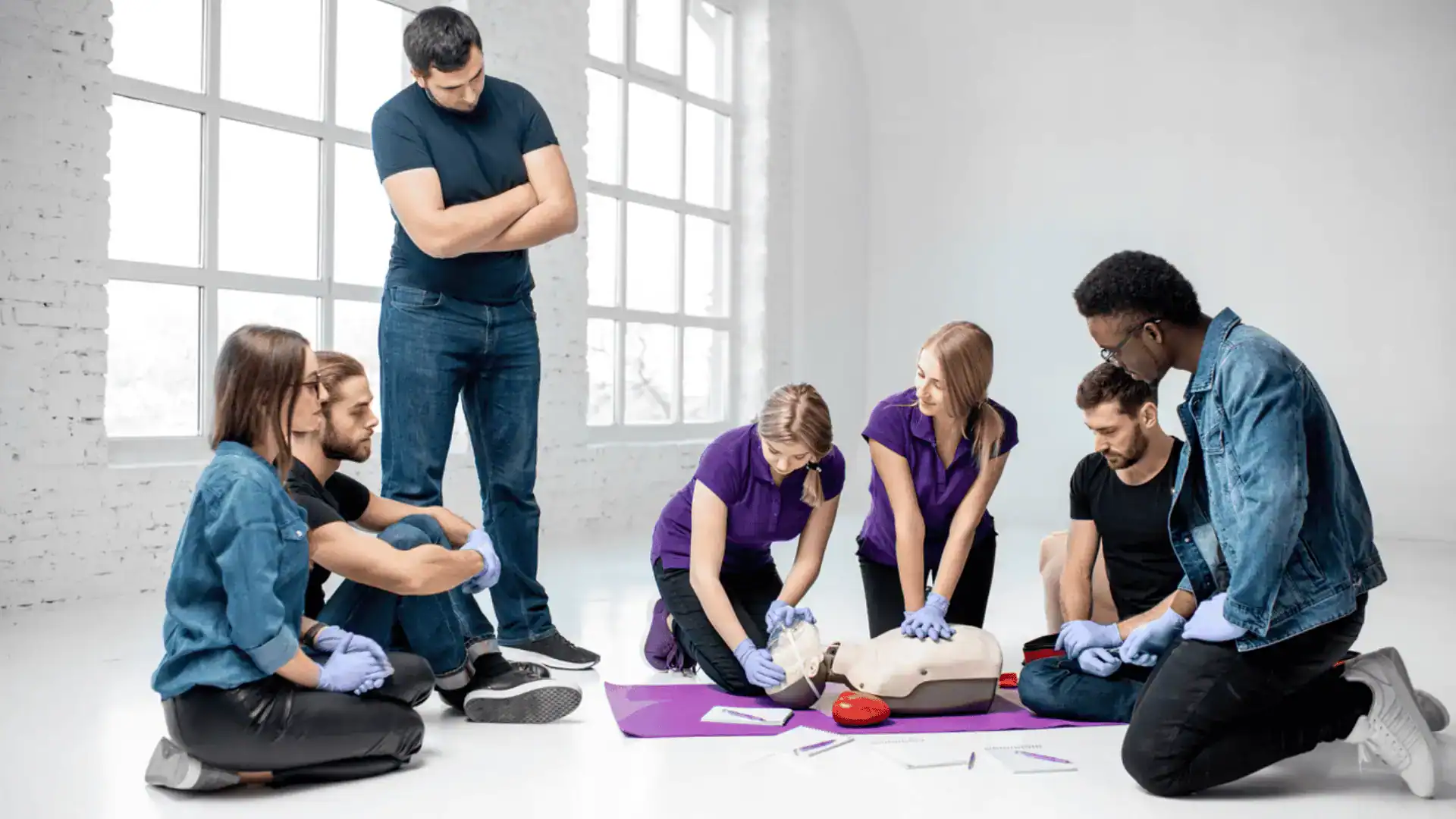
This course includes essential topics like lesson planning, classroom management, and assessment methods. You’ll gain the skills and confidence to teach CPR. You’ll do this through hands-on exercises and feedback.
After the course, you’ll be ready to teach others CPR. You’ll also guide them in performing it during emergencies.
The Three-Part Course Format
Most instructor courses use a blended learning model to fit various schedules. To earn your certification, you will need to finish three main parts. The process typically starts with a self-paced online module that covers the foundational knowledge and AHA guidelines. After completing the online portion, you’ll attend an in-person class to get hands-on practice and refine your techniques under the guidance of an experienced instructor. The final step is a monitored teaching session where someone from the training faculty observes you leading a class, ensuring you can effectively and confidently teach the material to new students.
What You’ll Learn in the Course
The instructor course is designed to shape you into an effective educator, not just a CPR expert. The training teaches you how to properly teach CPR according to AHA rules and procedures. You will learn how to plan and prepare for a class, lead engaging CPR and First Aid training sessions, and fairly evaluate students through practical skills tests and written exams. Many programs also include valuable business training, covering topics like how to market your classes, set your pricing, and find the necessary equipment to run a professional course.
Course Length and Schedule
You won’t need to clear your schedule for weeks to become a certified instructor. The in-person component of the AHA instructor course is efficient, typically taking about six to eight hours to complete. This is often structured as a single-day session, with a common schedule running from 10:00 a.m. to 4:00 p.m. This focused format makes it a manageable commitment, even for those with busy work or family lives. It allows you to immerse yourself in the practical side of teaching, practice your skills, and receive direct feedback without a prolonged time investment.
4. Begin Teaching Your First Classes
Once certified, you can teach CPR classes independently or through organizations. You guide students in proper CPR techniques. You show each step and allow hands-on practice.
Create a welcoming learning environment that helps students feel confident in practicing CPR. Adjust your teaching to meet each group’s needs. Make sure everyone feels included. Emphasize CPR’s life-saving importance and motivate everyone to take part actively.
Assess students’ progress regularly and offer constructive feedback to help them improve. Stay updated on the latest CPR techniques. This will improve your instruction and their learning.
5. Keep Your Instructor Certification Active
It’s essential to maintain an up-to-date CPR instructor certification. It ensures you’re current with the latest guidelines and techniques.
CPR certifications come with end dates, requiring regular renewal. This often involves refresher courses and assessments to confirm your knowledge. Staying certified demonstrates your commitment to providing high-quality, accurate CPR training.
This process keeps high CPR education standards. It ensures instructors are ready to teach life-saving skills.
Renewing Your Certification
Maintaining your CPR instructor certification is an ongoing commitment, not a one-time achievement. Most certifying bodies, like the American Heart Association, require instructors to renew their credentials every two years. This process ensures you stay current with the latest CPR guidelines and teaching methods, which are updated based on new medical research. The renewal process is usually straightforward, involving a refresher course and a skills evaluation to confirm your proficiency. By keeping your certification active, you ensure the information you teach is accurate and effective, empowering more people to act decisively in an emergency.
Regular renewal is also a mark of professionalism. It shows your dedication to providing the highest quality training and confirms you are equipped to teach effectively. For businesses, schools, and other organizations, having currently certified instructors is a critical part of maintaining a compliant and effective emergency response program. It demonstrates a serious commitment to safety and ensures the life-saving skills being taught meet the latest standards.
6. Stay Updated on the Latest Guidelines
To keep your CPR instructor certification active, follow your certifying organization’s guidelines. This typically involves attending refresher courses and demonstrating continued CPR skills.
Renewing your certification keeps you up to date on CPR and teaching methods.
You must renew your certification to continue to teach CPR. Additionally, without an active CPR certification:
- You may not be able to administer CPR interventions.
- You may still need to update training in the latest CPR techniques.
- This could result in offering less effective care to the victims.
- You may face legal or administrative action.
- There is a higher legal risk from not helping than from helping.
- Your organization may face increased risks. These include patient safety, loss of accreditation, and lawsuits.
Regular renewal keeps your skills sharp. It helps you be a better instructor for your students.
7. Explore Teaching Specializations
Teach specific CPR types, like pediatric CPR and CPR for lifeguards. Also, teach CPR for healthcare professionals.
Specializing in certain CPR types boosts your skills. It helps you teach better. This focus boosts your professionalism and appeal to students. They seek specific skills. It lets you better tailor your teaching to diverse needs.
Mastering specific CPR techniques lets you teach those who need them most. It also opens doors to organizations that need specialized CPR training. This will help you reach even more learners.
What Are the Daily Duties of a CPR Instructor?
A CPR instructor carries various responsibilities and duties, such as:
- CPR instructors educate individuals and groups on the latest CPR techniques. They follow the latest guidelines from recognized authorities.
- They guide on using CPR equipment. This includes AEDs, barrier devices, and other emergency tools.
- They assess students with hands-on and written tests. This checks whether they meet the certification standards.
- They tailor training materials to the unique needs of various audiences. These include healthcare professionals, educators, and the public.
- They handle class logistics, like scheduling and preparing the venue. They ensure all training equipment and materials are ready and available.
- They provide feedback during exercises. This helps students improve their CPR skills and gain confidence for emergencies.
- They manage admin tasks for the certification process. This includes issuing certificates to course completers.
- They promote CPR training in the community through awareness campaigns and events.
These efforts help more people respond to cardiac emergencies. This makes the community safer and healthier.
Qualities of a Great Instructor
Knowing the steps for CPR is one thing, but teaching it effectively is another skill entirely. A great instructor does more than just share information; they build confidence and empower students to act decisively in an emergency. They are clear communicators who can break down complex topics into simple, memorable steps. Patience and empathy are also key, as they create a supportive atmosphere where students feel comfortable asking questions and practicing hands-on skills without fear of making mistakes. The best instructors are passionate about what they do, often using a bit of humor to make the training engaging and less intimidating. This combination of expertise and interpersonal skill is what separates a good class from a great one, ensuring every participant receives the best emergency preparedness training.
What Qualifications Do You Need to Teach CPR?
To be a CPR instructor, candidates must have a valid CPR certification from a recognized organization. This ensures a firm grasp of CPR techniques. Healthcare experience is not mandatory. Yet, it can help prepare instructors to teach others.
Candidates must meet some prerequisites for the instructor course. They must be at least 17 years old. A genuine passion for teaching and making a meaningful impact is also essential.
Once accepted by an authorized training center, candidates must apply. They must submit an Instructor Candidate Application. It is required before enrolling in the instructor course. Candidates must also be skilled in ACLS, BLS, PALS, PEARS, and Heartsaver.
Breaking Down the Costs of CPR Instructor Certification
CPR instructor costs vary by training group, location, and course content. Here are some general estimates:
- CPR Provider Certification: $75–$150
- AHA Instructor Essentials online course: $35
- Instructor hands-on/classroom course: $250-$600
- Monitoring: $0-$150
After completing the course, you must sale or rent equipment to begin teaching. The total cost can range from $400 to $1,150. It may reach $5,100 when you include all training, certification, and materials.
These are approximate costs, and actual expenses may differ. For the most accurate pricing details, contacting the specific organization is best.
FAQs
What’s Covered in a CPR Instructor Course?
A CPR instructor course teaches people to become certified CPR instructors. It covers life-saving skills. It trains candidates to teach proper CPR, including adult, child, and infant CPR.
How Do I Get Started as a CPR Instructor?
To become a CPR instructor, you must first complete a CPR certification course. Then, you can enroll in an instructor course from a recognized organization. The course will train you to teach CPR, manage classes, and check student performance.
How Long Does a Standard CPR Class Take?
The length of a CPR class typically depends on the type of training being provided. Basic CPR courses often last about 4 to 6 hours. Depending on the provider and course, CPR instructor courses may take a few days.
How Long Is a CPR Certification Valid For?
CPR certification generally lasts two years. After this, you must renew it to stay current with the latest guidelines and techniques.
What Is the Average Salary for a CPR Instructor?
A CPR instructor can earn around $300 for a 4-hour class. The income can vary based on the location, organization, and the number of courses taught. Many instructors enjoy the flexibility of teaching part-time for extra income.
What Are the Perks of Being a CPR Instructor?
Becoming a CPR instructor has several benefits. You can earn a side income, set your schedule, and help your community. Also, many organizations value in-house CPR instructors. They avoid the cost of hiring external trainers. This makes you a more valuable employee.
What Are the Best Ways to Teach CPR Effectively?
Once you complete a CPR instructor course, you will be trained to teach CPR to various groups. These include healthcare professionals, school staff, and the public. The course will give you the tools to conduct CPR training sessions confidently.
What Your Course Fees Typically Include
When you invest in a CPR instructor course, the fees typically cover several key components of your training. This often includes the initial online portion, such as the AHA Instructor Essentials course, which lays the groundwork for your hands-on learning. The bulk of the cost usually goes toward the in-person classroom session, where you’ll practice teaching methodologies and refine your skills under the guidance of an experienced instructor. Your fee also covers the final monitoring or evaluation required to officially grant your certification. Keep in mind that these course fees generally don’t include the equipment you’ll need to teach your own classes. You will need to budget separately for items like manikins and AED trainers, though some instructors choose to rent equipment to keep initial costs down.
Expanding Your Impact: Business Opportunities for Instructors
Becoming a certified CPR instructor opens the door to much more than just teaching. It’s a chance to build a flexible business, create new income streams, and establish yourself as a go-to safety expert in your community. Whether you’re looking for a fulfilling side hustle or a full-time career, your certification is the foundation for a variety of professional opportunities. You can tailor your offerings to meet the specific needs of different clients, from large corporations to local community groups, making a tangible difference while growing your own enterprise.
Courses You Can Teach
Your CPR instructor certification is a launchpad for teaching a wide range of safety courses. This allows you to diversify your skills and attract a broader client base. Instead of only offering one type of class, you can become a comprehensive training resource for different industries and individuals. For example, you can serve the healthcare sector with advanced courses while also providing essential training for schools, offices, and industrial workplaces. This flexibility not only makes your business more resilient but also deepens your expertise as an educator.
After your initial training, you can often teach specialized courses, including:
- BLS for Healthcare Providers
- Heartsaver CPR and AED
- Heartsaver First Aid
- Bloodborne Pathogens
- Trauma Bleeding Control
Additional Income Streams
Teaching is just one piece of the puzzle. As an instructor, you can generate additional revenue by offering related products and services that your clients need. Many organizations that invest in CPR training also require safety equipment to keep their teams prepared. You can become a trusted partner by supplying them with essential gear. This positions you as a comprehensive safety consultant, not just a trainer, and creates a sustainable business model that goes beyond classroom hours and can significantly increase your earning potential.
Besides teaching classes, you can offer other services like selling first aid kits or providing fire safety training. You can also help businesses purchase the right AEDs for their facilities or manage their existing devices. Partnering with a full-service provider for AED program management can give your clients peace of mind while adding another valuable service to your portfolio. This approach helps you build long-term relationships with clients who see you as their complete safety resource.
Ready to Start Your Instructor Journey?
Becoming a CPR instructor is rewarding. It helps your community and boosts your skills. It can help you earn extra income, and it also lets you save lives. A CPR instructor course teaches you to teach life-saving techniques confidently. It can make a difference in an emergency. Becoming a CPR instructor is a valuable, fulfilling try. It helps you advance your career, earn a side income, or make a meaningful contribution.
Key Takeaways
- Master the fundamentals first: Before you can teach, you must complete the required steps in order. This means earning your own provider certification and aligning with an official Training Center before enrolling in an instructor course.
- Stay current to stay credible: Your instructor certification requires renewal every two years for a reason. Keeping up with the latest guidelines ensures you’re teaching the most effective techniques and maintains your professional credibility.
- Think like a business owner: Your certification is a launchpad for multiple income streams. You can grow your impact and earnings by teaching specialized courses, selling safety equipment, or offering AED program management services to your clients.
Related Articles
Disclaimer for information purposes only:
The information provided on this website is intended for general educational and informational purposes only. It is not medical advice and should not be used as a substitute for professional diagnosis, treatment, or care. Always consult a qualified healthcare or medical professional regarding any health-related questions or concerns.
While we strive to ensure the information shared is accurate and up to date, no guarantees are made regarding completeness, accuracy, or applicability to any individual situation. Use of this content is at the reader’s sole discretion and risk.
This website is part of the Response Ready family of emergency preparedness and training resources, including CPR & first aid training and compliance services, AED sales and program support, AED program management software, and medical oversight solutions provided through our affiliated platforms:
• CPR1.com
• AEDLeader.com
• ResponseReady.com
• MDSIMedical.com
By accessing or using this website, you agree to release, indemnify, and hold harmless the website owners, authors, contributors, and affiliated entities from any claims, losses, damages, or liabilities arising from the use or reliance on the information presented.