

As a healthcare professional, you know emergencies demand swift, confident action. That’s where Basic Life Support (BLS) comes in. It’s more than just a required certification; it’s the framework that guides you through life-threatening events. Mastering basic life support for nurses is essential, whether you’re working in a hospital or another clinical setting. So, what is BLS in healthcare? It’s the complete sequence for managing cardiac arrest and respiratory distress. BLS training equips you to perform high-quality CPR, use an AED, and manage airway obstructions effectively.
Every year, hundreds of thousands in the U.S. face cardiac arrest outside hospitals. Sadly, survival rates are still very low. In contrast, patients who receive immediate care within hospitals see better outcomes. The American Heart Association highlights the need for more CPR education. Learning high-quality CPR can significantly increase a person’s chance of survival during emergencies.
Why BLS Training is a Must for Healthcare Providers
In emergencies, healthcare providers are vital. Quick action can mean life or death. Basic Life Support (BLS) training gives doctors, nurses, and medical assistants essential skills. They learn how to respond quickly during cardiac arrest and other emergencies. BLS certification trains them to provide life-saving care in minutes when it matters.
Healthcare professionals must act without delay in heart emergencies. Their skills in CPR and using an AED can mean life or death. Recognizing early warning signs and responding without delay is crucial. During cardiac arrest, families rely on quick and skilled medical care to save lives.
Ongoing CPR training is vital for healthcare providers. Even with regular patient care, key skills can fade in a few months. Keeping up with ongoing education helps medical professionals maintain high standards. It also keeps them informed about the latest life-saving techniques.
The BLS for Healthcare Professionals provides skills in the following areas:
- In the hospital chain of survival for adults and pediatric patients.
- Performing high-quality chest compressions for victims of different ages (infants, children, and adults).
- The importance of early use of AEDs.
- When and how to provide ventilation effectively using a barrier.
- How to work in rescue teams in providing resuscitation and CPR.
- Relief for victims of choking or airway obstruction of different ages.
The Impact of Bystander Intervention on Survival Rates
When someone experiences sudden cardiac arrest, the clock starts ticking immediately. The actions taken by those nearby—the bystanders—can literally be the difference between life and death. In fact, immediate bystander CPR can double or even triple a person’s chance of survival. This is why having people trained in basic life support is so important in our communities and workplaces. Early intervention from a bystander provides a critical bridge of support until professional medical help arrives, dramatically improving the odds for a positive outcome.
The first few minutes of an emergency are the most critical. Early BLS intervention not only improves survival rates but can also prevent permanent disability. When a bystander starts CPR and uses an Automated External Defibrillator (AED), they are initiating the chain of survival. This immediate response is why having accessible and properly maintained life-saving equipment is non-negotiable for any organization. A well-managed AED program ensures that when a hero steps up to help, they have a device they can count on to function correctly.
Understanding the Core Components of BLS
BLS vs. CPR: What’s the Difference?
It’s easy to get BLS and CPR mixed up, but the simplest way to think about it is that CPR is one important piece of the much larger BLS puzzle. CPR, or cardiopulmonary resuscitation, specifically refers to the act of performing chest compressions and giving rescue breaths to someone whose heart has stopped. Basic Life Support, on the other hand, is the complete sequence of actions a first responder takes. It includes assessing scene safety, checking for responsiveness, calling for help, and managing a person’s airway. BLS training provides the full context for when and how to use CPR and an Automated External Defibrillator (AED) as part of a coordinated emergency response.
The 5 Steps of Basic Life Support
BLS follows a clear, sequential process designed to maximize the chances of survival during a life-threatening emergency. The steps are straightforward and easy to remember once you’ve been trained. They ensure that you act decisively without missing any critical actions. Following this framework helps you stay calm and focused when every second is critical for the person in distress. The five main steps are:
- Check if the Scene is Safe: Before rushing in, quickly assess the area for any immediate dangers to yourself or the victim.
- Check for Responsiveness and Breathing: Gently tap the person and shout to see if they respond. Check for normal breathing for no more than 10 seconds.
- Call Emergency Medical Services (EMS): If the person is unresponsive, call 911 immediately or direct someone else to do it.
- Perform High-Quality CPR: Begin chest compressions and rescue breaths as you were trained.
- Use an AED When Available: As soon as an AED arrives, turn it on and follow the voice prompts. This step highlights why having a properly maintained device through an AED management program is so vital.
When to Use BLS Skills
Knowing when to apply BLS skills is just as important as knowing how. These techniques are designed for specific, life-threatening situations where immediate intervention is necessary. The most common scenario is sudden cardiac arrest, where a person is unresponsive, not breathing normally, and has no pulse. Another critical situation is respiratory arrest, where someone has stopped breathing but still has a pulse. In this case, rescue breaths are the primary intervention. Finally, BLS skills are essential for responding to severe choking, where a person’s airway is completely blocked and they are unable to breathe, speak, or cough.
How the Chain of Survival Saves Lives
The chain of survival shows key steps that boost survival rates in cardiac arrest. Spotting early signs such as chest pain, dizziness, or breathing trouble helps us respond quickly. Victims can collapse suddenly, so quick action is crucial. Effective CPR can greatly improve survival chances.
What Does “CAB” Mean in Basic Life Support?
The CAB method—Compression, Airway, and Breathing—is key to basic life support. It highlights the need to begin chest compressions right away. Acting quickly is key. Check for a pulse within 10 seconds. The American Heart Association says this can increase a patient’s survival chances.
When someone is unresponsive or gasping for air, it’s safest to begin CPR immediately. Taking swift action can significantly enhance their chances of survival. The risk of harm is low, even if CPR isn’t needed. Waiting to check for breathing can slow down lifesaving actions. This is a big problem for those who lack medical training.
What Defines High-Quality CPR?
CPR plays a critical role in keeping someone alive until emergency help arrives. Quick action boosts recovery chances, but the method changes with age. Compression depths differ for infants, children, and adults. Delivering high-quality CPR with the right technique ensures the best chance of survival.
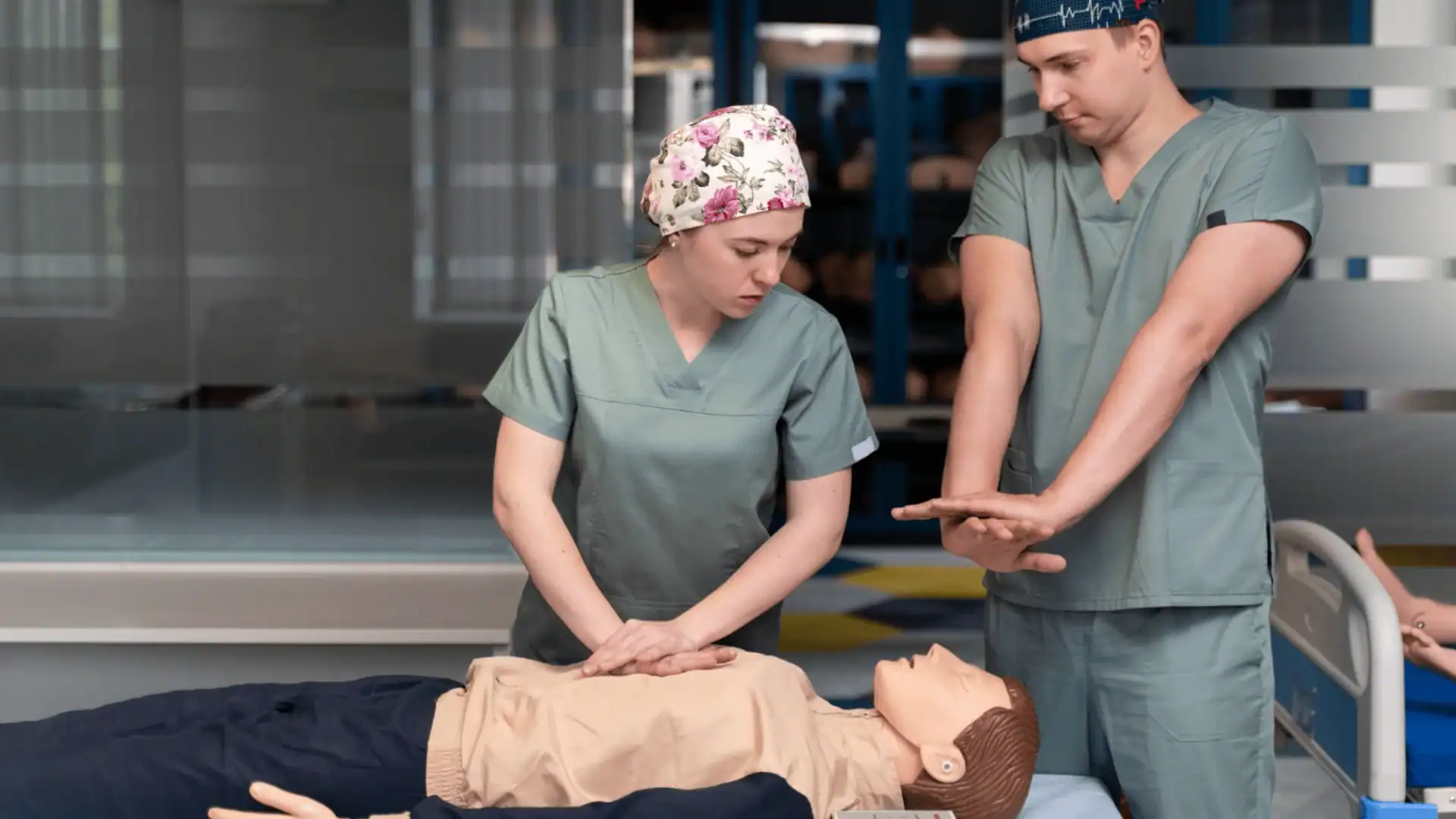
A CPR and AED course gives you important hands-on training. This prepares you to help people of all ages. It shows the right depth, rate, and technique for compression. It also teaches the proper use of an automated external defibrillator. This practical knowledge is essential. It enables life-saving care in emergencies and enhances survival outcomes.
Compression Rate and Depth
When you perform CPR, your goal is to manually pump the heart to keep oxygen-rich blood flowing to the brain and other vital organs. To do this right, you need to follow the “push hard and push fast” principle. The rate of compressions should stay between 100 and 120 beats per minute, no matter the person’s age. An easy way to keep pace is to push to the beat of a song like “Stayin’ Alive.” Just as important as the rate is the depth of your compressions. If you don’t push deep enough, you won’t circulate enough blood, but pushing too deep can cause injury. The correct depth changes for adults, children, and infants, which is why proper training is so important for building confidence and muscle memory.
Adults, Children, and Infants
For adults, the recommended compression depth is at least two inches, but you shouldn’t go deeper than 2.4 inches. This takes a good amount of force, so you’ll want to position your body directly over the victim’s chest and use your body weight to help you push. For children who haven’t reached puberty, the technique is similar, but the depth is less. You should compress the chest to about one-third of its depth, which usually works out to be around two inches. When it comes to infants under one year old, the approach is much more delicate. You’ll use two fingers in the center of the chest, just below the nipple line, and compress to a depth of about 1.5 inches, or roughly one-third the depth of the chest.
Compression-to-Ventilation Ratio
The compression-to-ventilation ratio is simply the number of chest compressions you perform before you stop to give rescue breaths. If you are the only rescuer, the universal ratio for adults, children, and infants is 30 compressions followed by two breaths (30:2). You repeat this cycle until an AED is ready to use, another rescuer can take over for you, or emergency medical services arrive on the scene. It’s critical to keep any interruptions to the chest compressions as brief as possible to maintain blood flow to the brain. Every pause reduces CPR’s effectiveness, so the switch from compressions to breaths and back again needs to be smooth and quick.
This ratio changes in one specific situation: when two trained rescuers are performing CPR on a child or infant. In this case, the ratio shifts to 15 compressions followed by two breaths (15:2). This updated ratio provides more frequent ventilations, which is particularly helpful for children and infants since their cardiac arrests are often caused by respiratory problems rather than heart issues. One rescuer can handle the compressions while the other provides breaths, leading to a more coordinated and less tiring rescue effort. For adults, however, the ratio always remains 30:2, even when two rescuers are present.
Why Early AED Use is Critical
An automated external defibrillator (AED) is key for cardiac arrest treatment. It can swiftly bring back a normal heartbeat. It analyzes the heart’s rhythm and delivers a shock when needed. This helps with life-threatening issues like ventricular fibrillation. Using an AED quickly boosts survival chances. The device is easy to use. Yet, training is key for proper operation, especially during emergencies.
Responding to Airway Obstruction and Choking
Basic life support training is crucial for healthcare workers. They often face emergencies, such as choking. Delayed treatment of a blocked airway can lead to cardiac arrest. The response depends on the blockage’s severity and the person’s age. Quick action is vital to avoid serious outcomes.
The Role of Teamwork in Resuscitation
Effective resuscitation needs teamwork. Each member’s skills and actions must unite for a quick and organized response. Without coordination, even skilled efforts lose impact. Basic life support training teaches people their roles in emergencies. This helps teams respond with speed and efficiency when time is critical.
Giving Effective Ventilations with a Barrier Device
Rescue breathing is vital in CPR. In hospitals, bag-mask ventilation works well, like advanced airway methods. Even after resuscitation, ongoing care remains critical, as restoring circulation doesn’t guarantee recovery. Proper post-arrest treatment helps improve the likelihood of survival.
You should ventilate with caution. Too much speed or force can cause problems, such as air getting into the stomach. Proper training is key. It should mix online learning with hands-on practice. This way, healthcare providers can use safe and effective techniques.
Respiratory arrest often occurs before cardiac arrest, making early recognition crucial. If a person has a pulse but isn’t breathing, start rescue breaths right away. This can help stabilize them and lower the risk of complications.
Essential BLS Equipment
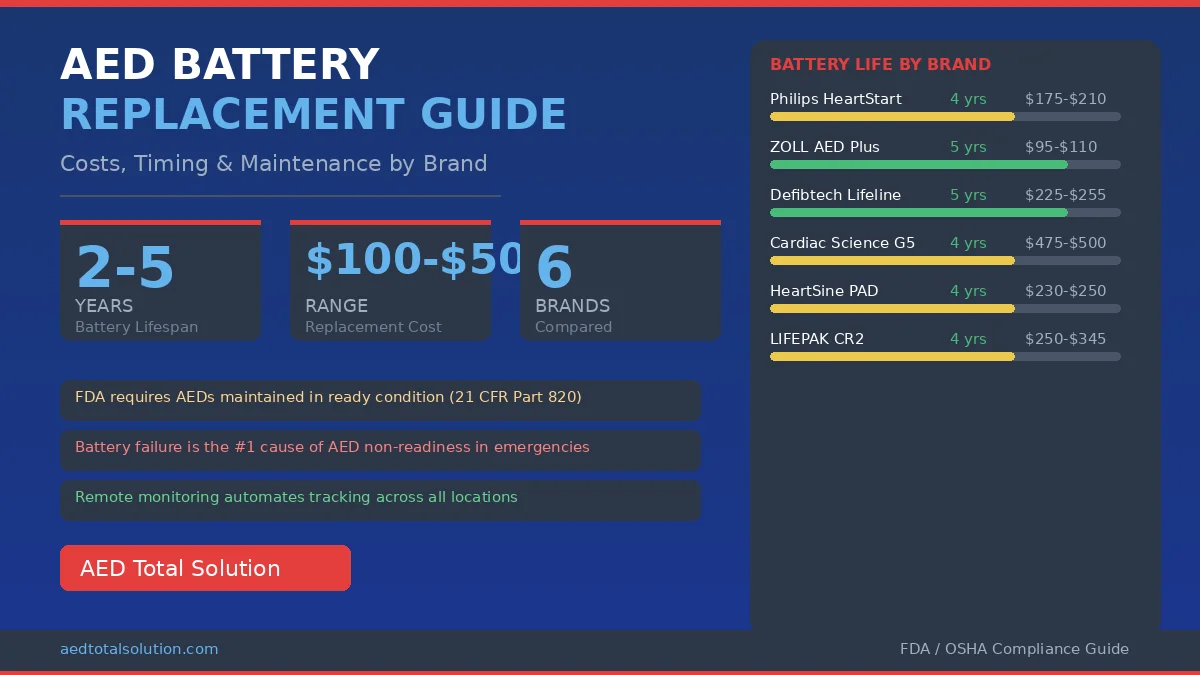
Having the right skills is only half the battle; you also need the right tools to respond safely and effectively. The most critical piece of equipment is an Automated External Defibrillator (AED). This device is key for treating sudden cardiac arrest, as it analyzes the heart’s rhythm and delivers a shock to restore a normal heartbeat when needed. Using an AED quickly can dramatically increase the chances of survival. Additionally, barrier devices like pocket masks with one-way valves are important for protecting rescuers during rescue breathing. Keeping this equipment accessible and maintained is the foundation of an effective safety program, ensuring you’re always prepared to act when seconds count.
BLS vs. ACLS: Understanding the Difference
When you look into emergency medical training, you’ll often see two acronyms: BLS and ACLS. While they both focus on saving lives, they cover different skills and situations, and it’s important to know which is which. Think of Basic Life Support (BLS) as the essential foundation for any emergency response—it’s the first and most critical set of actions taken during a life-threatening event. Advanced Cardiovascular Life Support (ACLS), on the other hand, is the next level up, designed for healthcare professionals who manage complex cardiac events in clinical settings. Understanding the distinction helps clarify which certification is right for different roles and responsibilities within an organization, ensuring everyone is prepared to act effectively.
Key Distinctions in Scope and Skills
BLS training gives you the fundamental skills needed to respond to life-threatening emergencies like cardiac arrest. It centers on immediate interventions, such as performing high-quality CPR, using an automated external defibrillator (AED), and clearing airway obstructions for adults, children, and infants. These are the critical actions anyone can take to keep a person alive until advanced help arrives. ACLS builds directly on that foundation. It involves more complex techniques, like interpreting electrocardiograms (ECGs), administering emergency medications, and managing a patient’s airway with advanced equipment. It’s designed for clinicians working in settings where they have access to this technology and medication.
Why BLS is a Prerequisite for ACLS
You can’t run before you can walk, and you can’t perform advanced life support without mastering the basics first. BLS is a mandatory prerequisite for ACLS because every advanced procedure relies on the core skills taught in a BLS course. During a cardiac emergency, immediate, high-quality CPR and rapid defibrillation from an AED are what give the patient a fighting chance. ACLS protocols assume these steps are already being performed effectively. Without a solid BLS foundation, advanced interventions are far less likely to succeed. That’s why BLS certification is essential for all healthcare providers, forming the critical first link in the chain of survival.
Getting and Maintaining Your BLS Certification
Earning your Basic Life Support certification is a straightforward process that equips you with the confidence to act decisively in an emergency. Once you understand the core skills, the next step is to find a course, get certified, and keep your credentials current. This ensures your life-saving knowledge remains sharp and aligned with the latest best practices, so you’re always prepared to provide the highest quality of care when it matters most.
Course Formats and Duration
You have a few options when it comes to getting your BLS certification. Many people prefer traditional, in-person classes that allow for direct interaction with an instructor and hands-on practice with manikins. Alternatively, you can choose a blended learning format, which combines online coursework with an in-person skills session. This offers more flexibility for busy schedules. Most initial BLS certification courses take about three to five hours to complete, giving you plenty of time to learn and practice the techniques until you feel comfortable and confident in your abilities.
Certification Validity and Renewal
Your BLS certification is valid for two years from the date you pass your course. This two-year cycle ensures that your skills stay fresh and up-to-date with any changes in resuscitation science. Because life-saving techniques can evolve, ongoing education is essential for helping medical professionals maintain high standards of care. When it’s time to renew, you can typically take a shorter recertification or “refresher” course, which focuses on reviewing skills and covering any new guidelines, making it easy to keep your credentials active without interruption.
Costs and Continuing Education Credits
The cost of a BLS course can vary depending on the training provider, your location, and the format you choose. It’s a good idea to check with your employer, as many healthcare organizations cover the cost of certification for their staff. For many licensed or certified healthcare professionals, BLS courses offer another key benefit: continuing education (CE) credits. These credits are often required to maintain professional licensure. When you register for a course, check with the provider to confirm that it offers the specific type of CE credit you need for your profession.
Legal and Ethical Considerations in BLS
Knowing how to perform Basic Life Support is one thing, but understanding the legal and ethical landscape is just as important. Many people hesitate to intervene in an emergency because they’re afraid of doing something wrong or facing legal consequences. Fortunately, the system is designed to protect those who step up to help. Familiarizing yourself with these considerations can give you the confidence to act decisively when someone’s life is on the line, ensuring you can provide care responsibly and without fear.
Understanding Good Samaritan Laws
One of the biggest fears for bystanders is the risk of a lawsuit. That’s where Good Samaritan laws come in. These laws are in place in most states and countries to protect people who provide emergency medical care in good faith. If you attempt to save someone’s life using CPR or an AED, these laws generally shield you from litigation, as long as you act reasonably and within the scope of your training. The purpose of these laws is simple: to encourage people to help in an emergency without worrying about legal repercussions. They ensure that your good intentions are protected, allowing you to focus on the critical task of saving a life.
Navigating Consent and DNR Orders
Before providing aid, it’s important to get consent if the person is conscious and able to respond. However, in many emergencies, the individual may be unconscious. In these situations, the law operates on the principle of “implied consent.” This means it’s assumed that an unresponsive person would want you to help them. On the other hand, some individuals have a Do Not Resuscitate (DNR) order, which is a formal medical directive that must be respected by healthcare providers. For a bystander, a DNR is rarely known or visible, so your default action should always be to provide care until professional medical help arrives and can make an official determination.
Addressing Gaps in Medical Education
Earning a BLS certification is a fantastic first step, but life-saving skills are perishable. Research shows that key CPR skills can fade in just a few months without practice. This is why ongoing CPR training is so critical, even for active healthcare providers. Regular refreshers help you stay current with the latest guidelines and ensure your technique remains sharp. A comprehensive emergency preparedness plan doesn’t just stop at placing an AED; it includes ensuring your team is consistently trained, confident, and ready to respond. Keeping skills fresh is a core part of maintaining high standards of care and being truly prepared for an emergency.
A Guide to Post-Cardiac Arrest Care
After leaving the hospital, cardiac arrest survivors often face challenges. They may struggle with emotions, physical health, and thinking skills. Healthcare professionals are crucial to recovery. They offer continuous care and support. Their therapies help restore well-being and enhance the quality of life.
After cardiac arrest, specialized care is vital. It helps manage complications and supports recovery. Without it, patients may suffer from brain damage, heart problems, or ischemic injury. Early neurological evaluation is vital, especially since survivors often face cognitive challenges. Infants need close monitoring. This includes checking their temperature, oxygen levels, and blood pressure. Doing so helps boost their chances of recovery.
FAQs
What is BLS Certification and Why Does It Matter?
BLS certification, or Basic Life Support training, is important in healthcare. It teaches professionals important skills, such as CPR and rescue breathing. They also learn to use an AED. It’s important to act quickly in cardiac or respiratory emergencies. This is vital before advanced medical help arrives.
Why is BLS a Core Skill for Healthcare Professionals?
BLS is essential for healthcare workers. It gets them ready for emergencies like choking, heart attacks, and breathing issues. These situations need quick action. Proper BLS training helps providers give fast, coordinated, and high-quality care.
What to Expect in Your BLS Certification for Nurses
Nurses get BLS certification. This training covers CPR, rescue breathing, AED use, and airway management. It also includes age-specific care for infants, children, and adults. This helps nurses respond well in different patient situations.
Connecting BLS Skills to Post-Cardiac Arrest Care
For a BLS patient, the care doesn’t end with resuscitation. BLS training focuses on key support after cardiac arrest. It involves assessing the brain and stabilizing vital signs. This helps reduce long-term complications and supports better recovery outcomes.
Survivor Challenges and the Impact of Quality BLS
Cardiac arrest survivors often deal with cognitive, emotional, and physical difficulties. BLS for healthcare professionals trains providers to spot these issues. This way, they can give proper follow-up care. As a result, the patient’s quality of life improves after discharge.
Putting Your BLS Skills into Practice
In conclusion, Basic Life Support (BLS) training is essential for everyone in healthcare. BLS teaches healthcare professionals to recognize early signs of cardiac or respiratory arrest. It prepares them to provide high-quality CPR and follow-up care. This training ensures they can respond with speed and effectiveness. Getting BLS-certified as a nurse, doctor, or medical assistant improves your patient care. It also boosts your confidence in emergencies. Medical emergencies can happen anywhere. So, it’s important to be ready with BLS. This helps protect lives and ensures high-quality care.
Key Takeaways
- Think beyond CPR by mastering the full BLS framework: Basic Life Support provides the complete sequence for an emergency, including scene assessment, calling for help, and using an AED, ensuring you take the right steps in the right order.
- Prioritize high-quality CPR and immediate AED use: The two most impactful actions you can take are performing chest compressions at the correct rate and depth and applying an automated external defibrillator as soon as it’s available.
- Combine sharp skills with ready equipment: BLS skills fade without practice, so regular training is non-negotiable. Pair your expertise with a managed AED program to ensure your life-saving tools are just as prepared as you are.
Related Articles
Disclaimer for information purposes only:
The information provided on this website is intended for general educational and informational purposes only. It is not medical advice and should not be used as a substitute for professional diagnosis, treatment, or care. Always consult a qualified healthcare or medical professional regarding any health-related questions or concerns.
While we strive to ensure the information shared is accurate and up to date, no guarantees are made regarding completeness, accuracy, or applicability to any individual situation. Use of this content is at the reader’s sole discretion and risk.
This website is part of the Response Ready family of emergency preparedness and training resources, including CPR & first aid training and compliance services, AED sales and program support, AED program management software, and medical oversight solutions provided through our affiliated platforms:
• CPR1.com
• AEDLeader.com
• ResponseReady.com
• MDSIMedical.com
By accessing or using this website, you agree to release, indemnify, and hold harmless the website owners, authors, contributors, and affiliated entities from any claims, losses, damages, or liabilities arising from the use or reliance on the information presented.