What Does AED Stand For? Everything You Need to Know
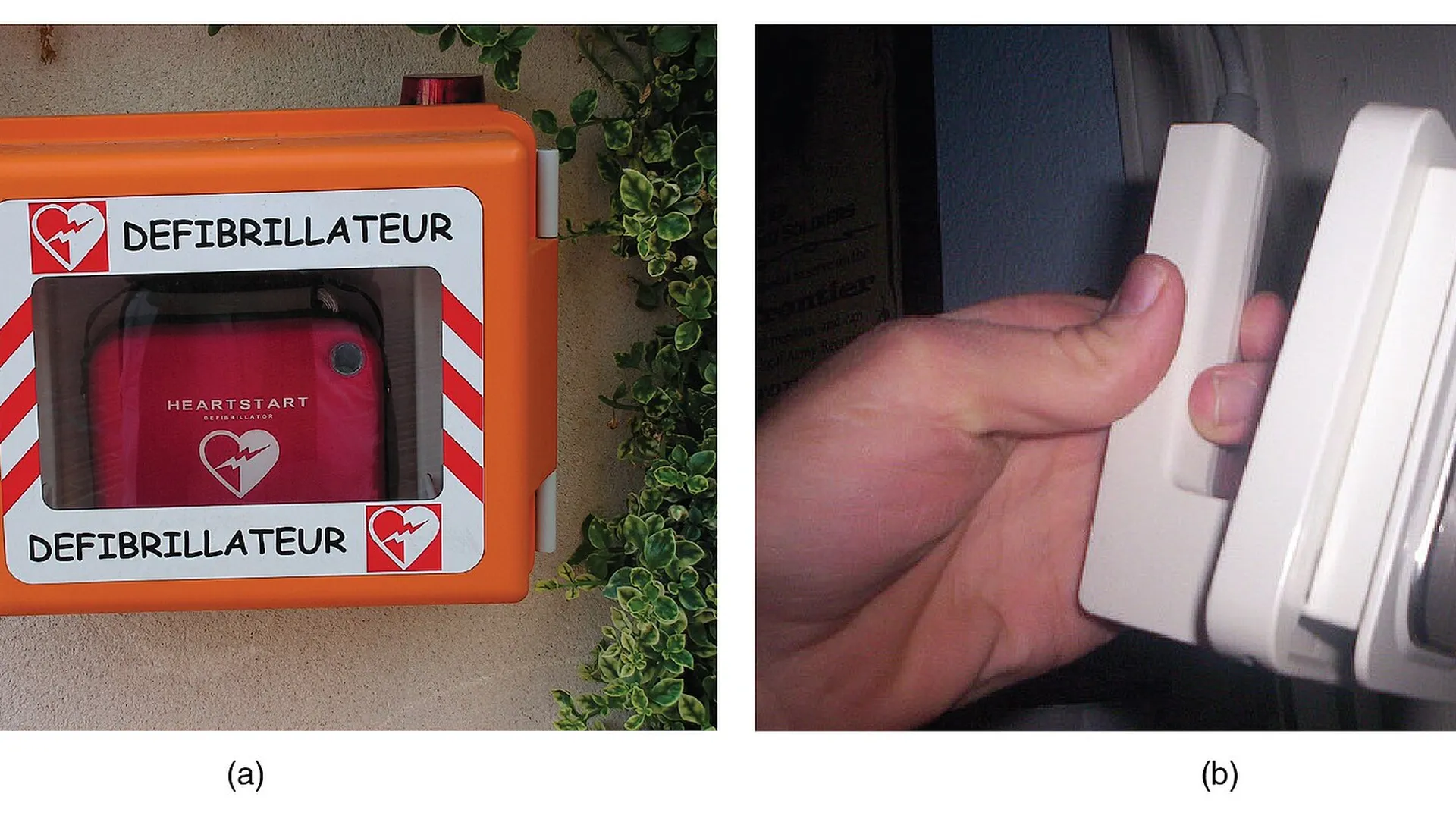
If you have ever walked through an office lobby, school hallway, or airport terminal and noticed a red or green box mounted on the wall with a heart symbol, you were looking at one of the most important life-saving devices in modern emergency medicine. But what does AED stand for, and why does it matter?
AED stands for Automated External Defibrillator. It is a portable, battery-operated device designed to detect life-threatening cardiac arrhythmias and deliver an electric shock to restore a normal heart rhythm. AEDs are built for use by anyone, including bystanders with no medical training, making them a critical tool in the fight against sudden cardiac arrest (SCA).
In this guide, we break down the AED meaning, explain how these devices work, cover when and where they are used, and explain why every workplace and public space should have one.
The AED Definition: What Each Word Means
Understanding what AED stands for starts with breaking down the three words in its name. Each word describes a core function of the device.
Automated
“Automated” means the device handles the complex medical analysis on its own. Once the electrode pads are placed on a person’s chest, the AED automatically analyzes the heart’s electrical activity and determines whether a shock is needed. The rescuer does not need to interpret heart rhythms or make clinical decisions. The device does that work, which is why AEDs can be used safely by people with no medical background.
External
“External” distinguishes these devices from implantable cardioverter-defibrillators (ICDs), which are surgically placed inside the body. An AED works from outside the body by delivering electrical energy through adhesive electrode pads placed on the chest. This non-invasive approach is what makes AEDs practical for public access and bystander use.
Defibrillator
“Defibrillator” refers to the device’s primary function: defibrillation. During certain cardiac emergencies, the heart falls into a chaotic electrical rhythm called ventricular fibrillation (VF) or pulseless ventricular tachycardia (VT). Defibrillation delivers a controlled electrical shock that interrupts the abnormal rhythm, giving the heart’s natural pacemaker a chance to restore an organized, effective heartbeat.
How Does an AED Work?
Now that you know the AED definition, here is how the AED machine works in practice. The process is straightforward, and modern AEDs guide rescuers through every step with voice prompts and visual instructions.
Heart Rhythm Analysis
When the AED’s electrode pads are placed on the patient’s bare chest, the device reads the heart’s electrical signals, similar to how a hospital electrocardiogram (ECG) works. Sophisticated algorithms analyze the rhythm in seconds to determine whether it is “shockable” (ventricular fibrillation or pulseless ventricular tachycardia) or “non-shockable.”
This automated analysis is highly accurate. According to the American Heart Association (AHA), AEDs are designed to only deliver a shock when a shockable rhythm is detected. If the rhythm does not require a shock, the device will not deliver one, even if the shock button is pressed on a semi-automatic model.
Shock Delivery (Defibrillation)
If a shockable rhythm is detected, the AED charges its capacitor and instructs the rescuer to ensure no one is touching the patient. The device then delivers a controlled electrical shock, typically between 120 and 200 joules for biphasic AEDs, through the electrode pads. For details, see our guide on how to properly place AED pads. This shock travels through the chest and across the heart, momentarily stopping all electrical activity. This brief pause allows the heart’s natural electrical system to reset and resume a normal rhythm.
CPR Guidance
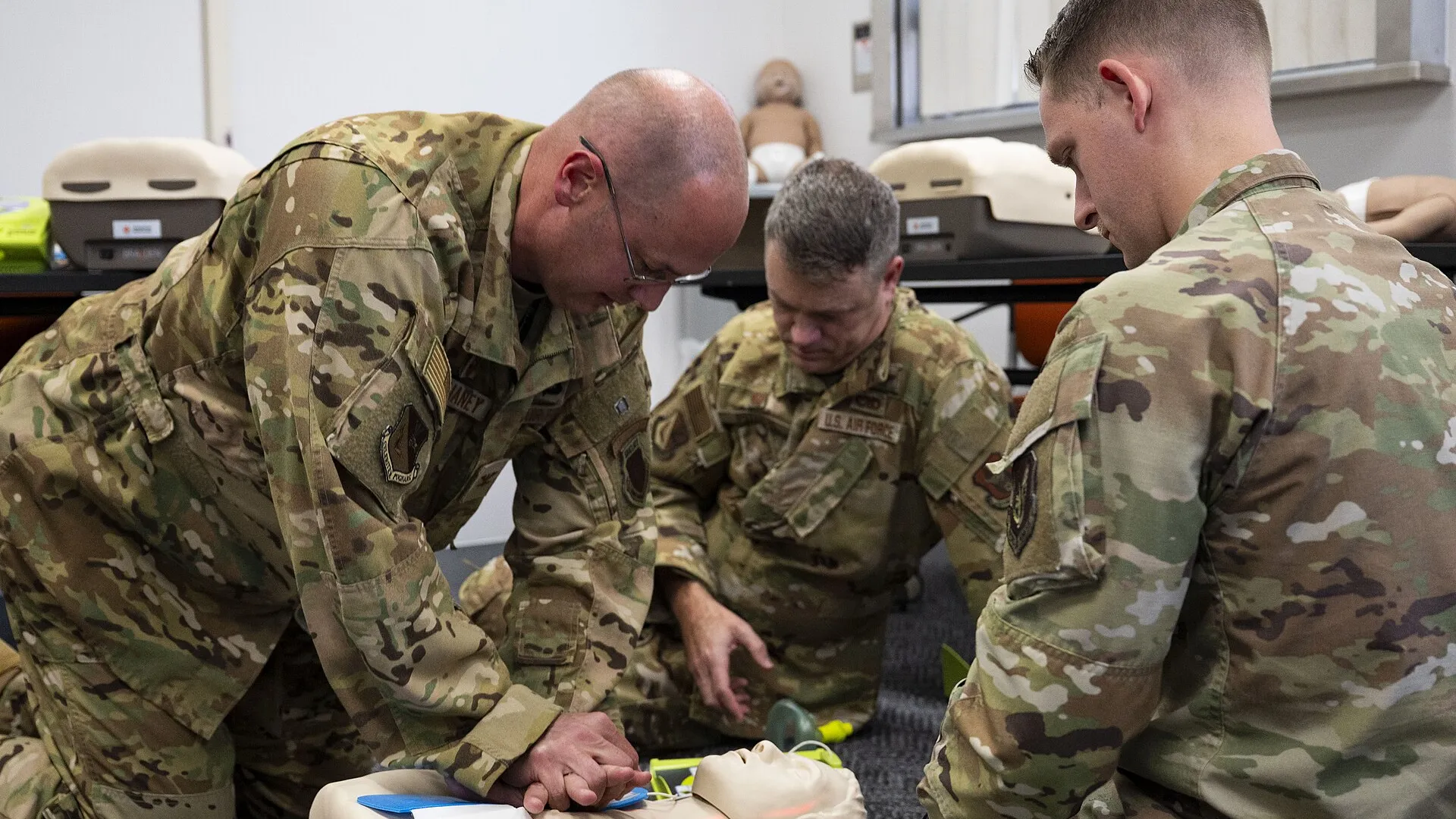
Most modern AEDs also provide CPR coaching between shock cycles. For details, see our guide on how CPR and AEDs work together. They may include a metronome for proper compression rate, voice prompts reminding the rescuer to continue chest compressions, and feedback on compression depth. This integrated guidance ensures that both AED use and CPR work together to maximize the patient’s chance of survival.
When Should You Use an AED?
An AED should be used whenever someone is experiencing sudden cardiac arrest (SCA). SCA is not the same as a heart attack. A heart attack occurs when blood flow to part of the heart is blocked, but the heart usually continues beating. In SCA, the heart’s electrical system malfunctions and the heart stops pumping blood entirely. Without immediate intervention, SCA leads to brain damage within minutes and can be fatal.
Signs of Sudden Cardiac Arrest
- Sudden collapse — the person falls to the ground without warning
- Unresponsiveness — the person does not respond when tapped or spoken to
- No normal breathing — the person is not breathing or is only gasping
- No pulse — if you are trained to check, there is no detectable pulse
If you witness any of these signs, call 911 immediately, begin CPR, and apply an AED as soon as one is available. According to the AHA, a person’s chance of surviving SCA drops by 7% to 10% for every minute that passes without defibrillation. Immediate CPR combined with AED use can double or even triple the chance of survival.
Who Can Use an AED?
One of the most important things to understand about what an AED is: it is designed for use by anyone, not just medical professionals. AEDs are built specifically for lay rescuers, including office workers, teachers, coaches, security guards, flight attendants, and bystanders with zero medical training.
No Special Certification Required
While CPR and AED training courses are recommended and widely available, they are not legally required to use an AED. For details, see our guide on AED training programs. The device provides step-by-step voice instructions that guide the user through the entire process, from placing the pads to standing clear for the shock. The AED makes the medical decisions; the rescuer simply follows the prompts.
Good Samaritan Laws Protect Rescuers
Every U.S. state, plus the District of Columbia, has Good Samaritan laws that protect bystanders who use an AED in good faith during an emergency. At the federal level, the Cardiac Arrest Survival Act (CASA) provides additional protection for anyone who uses an AED in a reasonable and prudent manner. These laws exist because a person in SCA is already clinically non-responsive; the risk of not acting is far greater than the risk of using the device.
Where Are AEDs Typically Found?
Public access defibrillation (PAD) programs have placed AEDs in locations where large numbers of people gather or where emergency medical response times may be longer. Common locations include:
- Offices and corporate buildings
- Schools, colleges, and universities
- Airports and train stations
- Shopping malls and retail centers
- Gyms, fitness centers, and sports venues
- Hotels and conference centers
- Government buildings and courthouses
- Houses of worship
- Construction sites (often via AED rental programs)
- Ambulances, police vehicles, and fire engines
Many states have laws requiring AEDs in specific types of facilities. Requirements vary by state and locality; some mandate AEDs in health clubs, schools, or large office buildings. For a detailed breakdown, see our guide to AED requirements by state.
AED vs. Manual Defibrillator: What Is the Difference?
Understanding the difference between an AED and a manual defibrillator helps clarify why AEDs are the standard for public access.
| Feature | AED (Automated External Defibrillator) | Manual Defibrillator |
|---|---|---|
| Intended user | Lay rescuers, bystanders, first responders | Paramedics, physicians, trained medical staff |
| Rhythm analysis | Automatic — device decides if shock is needed | Manual — operator reads and interprets the ECG |
| Energy settings | Pre-set by manufacturer (typically 120–200J biphasic) | Adjustable by the operator |
| Portability | Lightweight (2–7 lbs), highly portable | Larger, typically mounted on a cart |
| Training required | Minimal — voice prompts guide the user | Extensive medical training required |
| Typical location | Public spaces, offices, schools | Hospitals, ambulances, clinics |
The key advantage of an AED is accessibility. Because the device automates rhythm interpretation and shock decisions, it removes the need for medical expertise and enables rapid bystander intervention during the critical first minutes of SCA.
Types of AEDs: Fully Automatic vs. Semi-Automatic
Not all AEDs work exactly the same way. There are two main types, and the difference comes down to how the shock is delivered.
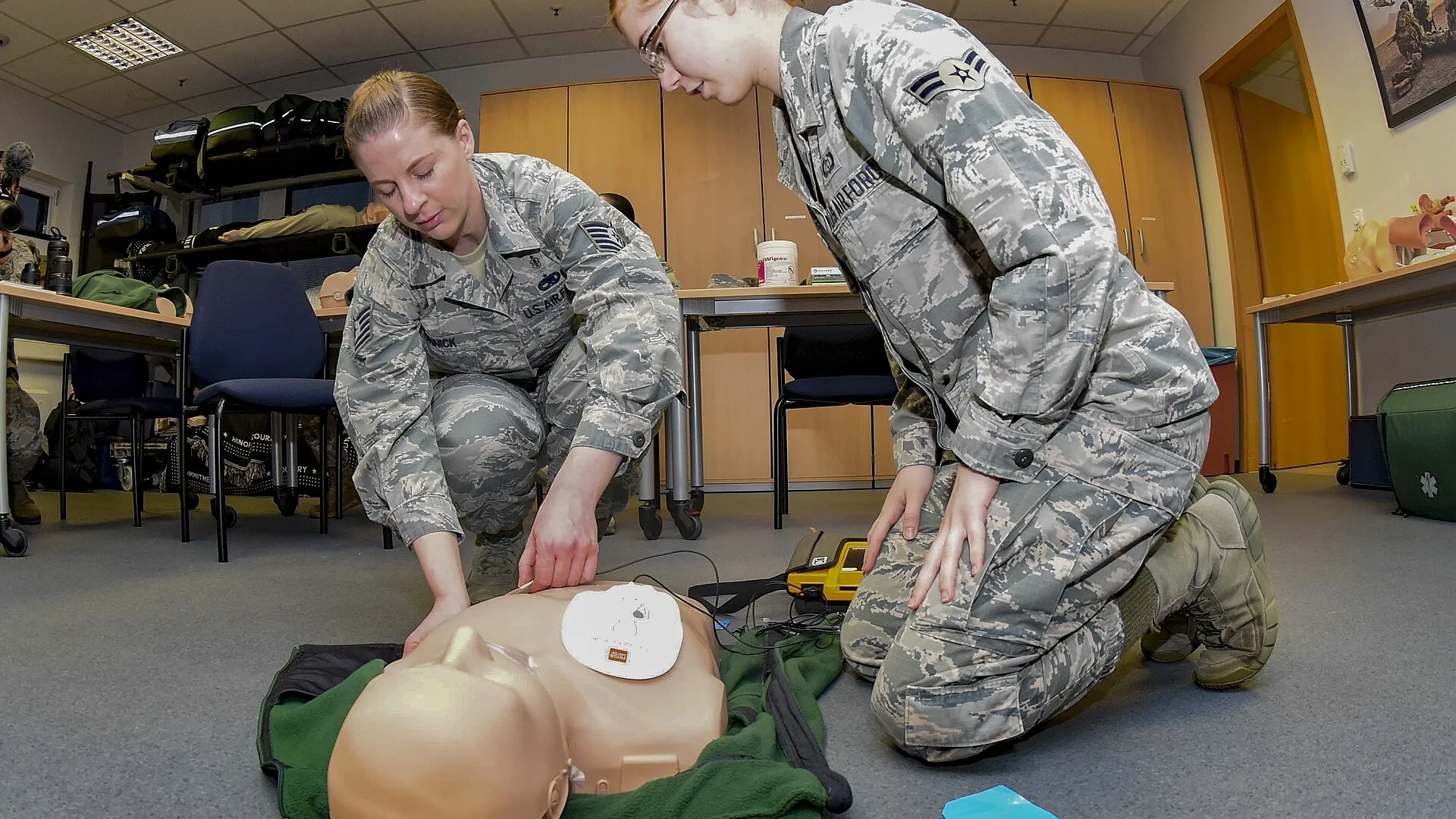
Semi-Automatic AEDs
Semi-automatic AEDs analyze the heart rhythm automatically, but they require the rescuer to press a “shock” button to deliver the electrical charge. The device provides clear voice and visual prompts telling the rescuer when to press the button. Most public-access AEDs in the United States are semi-automatic models.
Fully Automatic AEDs
Fully automatic AEDs handle everything, including shock delivery, without any button press from the rescuer. Once the pads are placed and a shockable rhythm is detected, the device warns bystanders to stand clear and delivers the shock on its own. Research shows that fully automatic AEDs achieve zero error rates among untrained users, compared to a 7% error rate with semi-automatic devices. Fully automatic models are ideal for settings where untrained bystanders are most likely to respond.
Both types are FDA-approved, safe, and effective. The best choice depends on the environment and the expected user population.
A Brief History of the AED
The life-saving device we know today has a rich history of innovation:
- 1947 — Dr. Claude Beck performed the first successful human defibrillation during open-chest surgery at Case Western Reserve University.
- 1956 — Dr. Paul Zoll demonstrated the first successful external (closed-chest) defibrillation.
- 1965 — Dr. Frank Pantridge introduced the first portable defibrillator in Belfast, Northern Ireland, revolutionizing out-of-hospital cardiac care.
- Early 1970s — Doctors Arch Diack, W. Stanley Welborn, and Robert Rullman began developing the first automated external defibrillator in Portland, Oregon.
- 1982 — The FDA approved clinical trials for AED use by emergency medical technicians (EMTs).
- 1990s — The FDA approved AEDs for use by the general public, and Good Samaritan legislation followed across all 50 states.
- 2000s–present — AEDs have become smaller, lighter, and more affordable. Today they are standard equipment in offices, schools, airports, and public venues worldwide.
Public access defibrillation programs, supported by the AHA, have made it possible for bystanders to deliver life-saving shocks within minutes of SCA onset, dramatically improving survival rates.
AED Maintenance: Keeping Your Device Ready
Owning an AED is only the first step. A device that is not properly maintained creates a false sense of security and can fail when it matters most. The basics of AED maintenance include:
- Regular inspections — Most manufacturers recommend monthly checks. Verify that the device’s status indicator shows “ready,” the case is intact, and all components are in place. Learn more in our AED inspection guide.
- Pad replacement — Electrode pads have an expiration date, typically every 2 to 5 years depending on the manufacturer. Expired pads may not adhere properly or conduct the shock effectively.
- Battery replacement — AED batteries last between 2 and 7 years depending on the model. A depleted battery means a non-functional device. Check your manufacturer’s guidelines and track expiration dates proactively.
- Documentation — Keep records of every inspection, replacement, and maintenance action. This documentation is often required for AED compliance and protects your organization during audits.
- Professional annual inspections — A qualified professional should perform a comprehensive check annually to verify all components function correctly.
For organizations managing multiple devices, a centralized AED program management solution can automate reminders, track inspection schedules, and ensure every device across every location stays compliant and ready.
Why AEDs Matter for Workplaces and Public Spaces
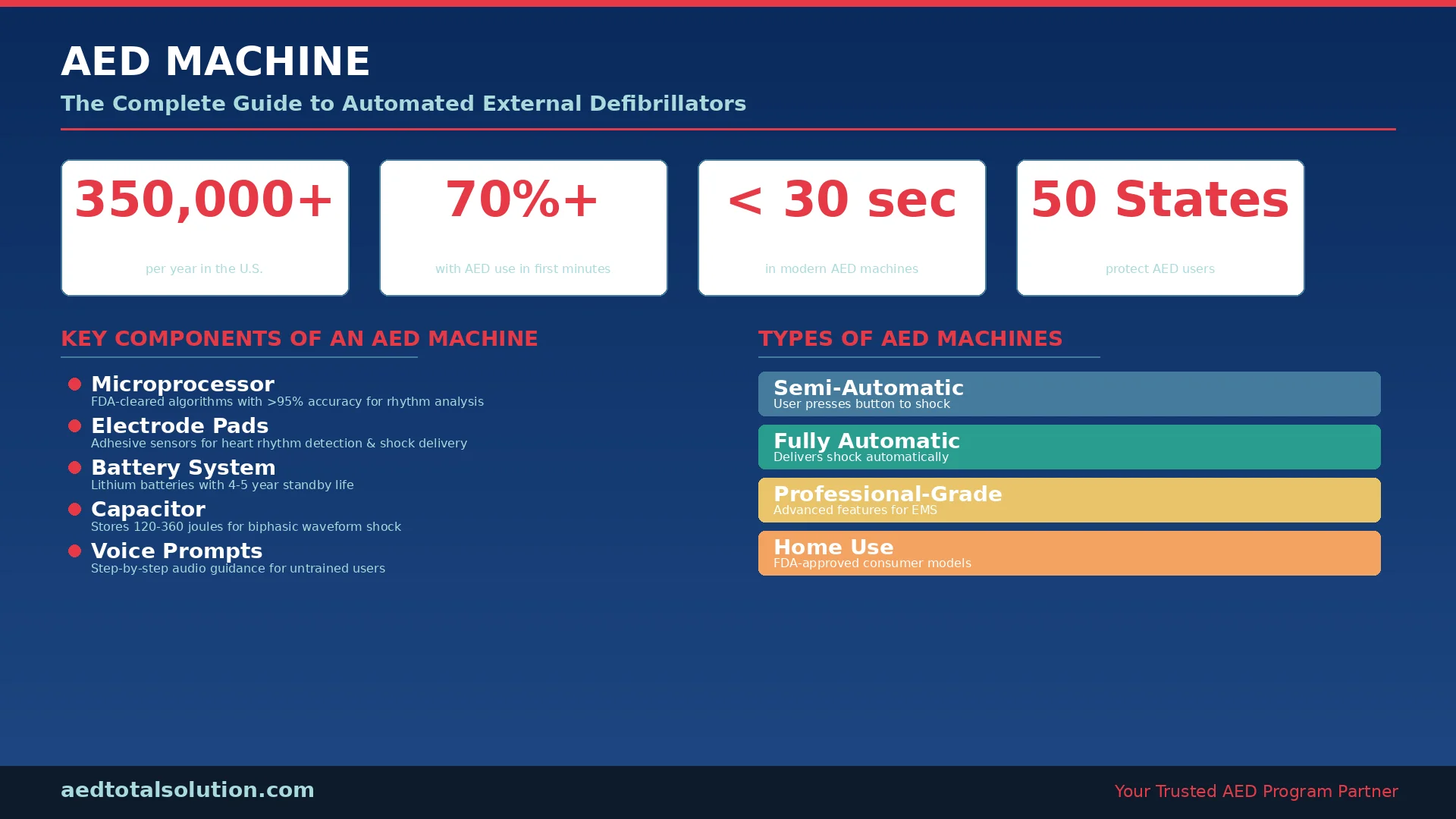
Sudden cardiac arrest strikes over 350,000 people per year in the United States. It can happen to anyone, regardless of age, fitness level, or health history. Without immediate CPR and defibrillation, fewer than 10% of out-of-hospital SCA victims survive. With prompt AED use, survival rates can increase to 38% or higher when a bystander delivers the shock, and studies have shown rates as high as 74% when defibrillation occurs within the first few minutes.
For workplaces, the case is clear:
- Legal compliance — Many states require AEDs in certain types of facilities, including health clubs, schools, and large office buildings. Find out if your business is required to have an AED.
- Duty of care — Employers have a responsibility to provide a safe working environment. Having a maintained AED program demonstrates proactive commitment to employee safety.
- Response time — In an office or facility, an on-site AED can deliver a shock within 3 to 4 minutes of collapse, compared to an average EMS response time of 8 to 12 minutes. Those extra minutes are often the difference between survival and a fatal outcome.
- Liability protection — A properly maintained AED program, backed by documentation and training, strengthens your organization’s legal protection and demonstrates compliance with applicable regulations.
Frequently Asked Questions About AEDs
What does AED stand for in medical terms?
AED stands for Automated External Defibrillator. For details, see our guide on what a defibrillator is and how it works. It is a portable medical device classified by the FDA as a Class III medical device. It is used to treat sudden cardiac arrest by analyzing heart rhythms and delivering a shock when a life-threatening arrhythmia is detected.
Can anyone use an AED without training?
Yes. AEDs are designed for use by the general public, including people with no medical training. The device provides step-by-step voice instructions. While formal training is recommended to build confidence, it is not legally required. All 50 U.S. states have Good Samaritan laws protecting bystanders who use an AED in good faith.
What is the difference between an AED and a defibrillator?
An AED is a specific type of defibrillator designed for public use. It automates the rhythm analysis and limits shock delivery to shockable rhythms only. A manual defibrillator, used by paramedics and hospital staff, requires the operator to interpret the heart rhythm and manually set energy levels.
How much does an AED cost?
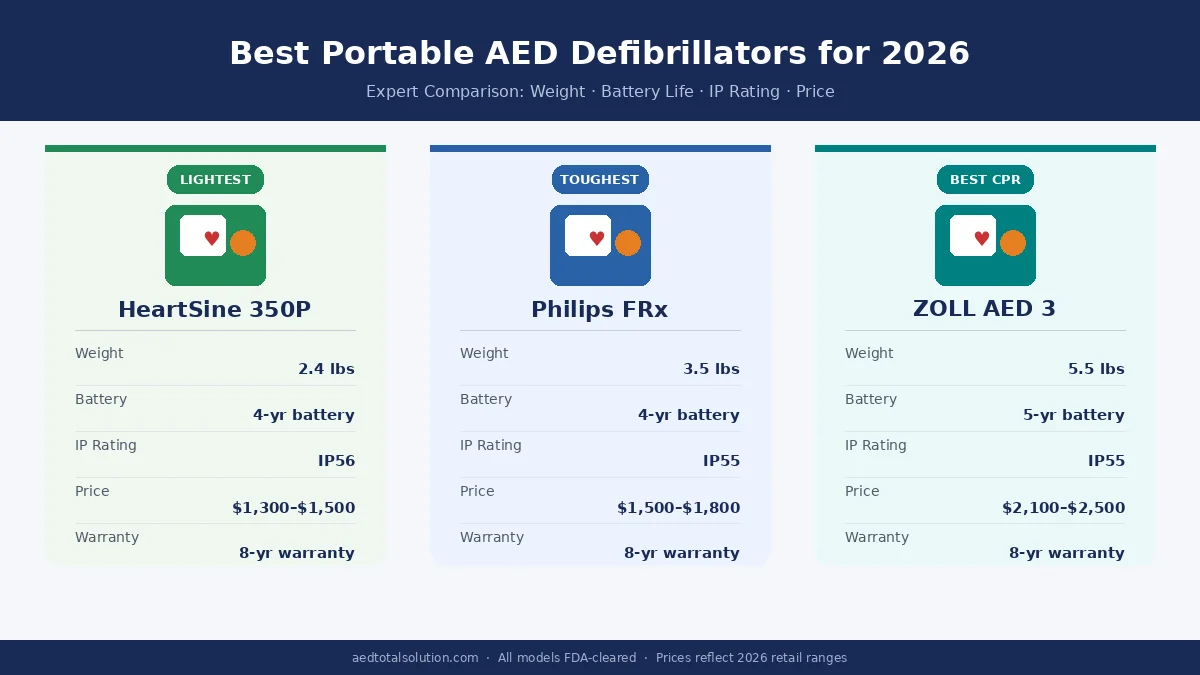
New AEDs typically cost between $1,200 and $3,000 depending on the brand and features. Total cost of ownership, including pads, batteries, and maintenance over 5 to 10 years, should also be factored in. Organizations can also explore AED rental programs for short-term or flexible needs.
Do AEDs expire?
The AED device itself has a long lifespan (typically 8 to 12 years), but the electrode pads and batteries do expire and must be replaced on schedule. Proper compliance management ensures these consumables are always current.
Is an AED safe to use on a child?
Yes. For children aged 8 and older (or weighing more than 55 lbs), standard adult AED pads should be used. For children under 8, pediatric pads or a dose attenuator are recommended if available. If pediatric pads are not available, using adult pads is preferable to not using an AED at all.
Take the Next Step: Protect Your People
Now that you understand what AED stands for and why these devices are essential, the next question is whether your organization is prepared. An AED on the wall is a start, but a fully managed program ensures your devices are always compliant, maintained, and ready to save a life.
AED Total Solution provides white-glove AED program management that covers physician oversight, compliance tracking, automated inspections, supply replacements, and expert support for organizations of any size. Whether you manage a single office or hundreds of locations, we handle the complexity so you can focus on your business.
Learn more about our AED program management services or browse FDA-approved AEDs in our shop.
For questions about AED compliance or program management, call us at 855-263-7772.
Disclaimer: The information provided in this article is intended for general educational and informational purposes only. It is not medical advice and should not be used as a substitute for professional diagnosis, treatment, or care. Always consult a qualified healthcare or medical professional regarding any health-related questions or concerns.