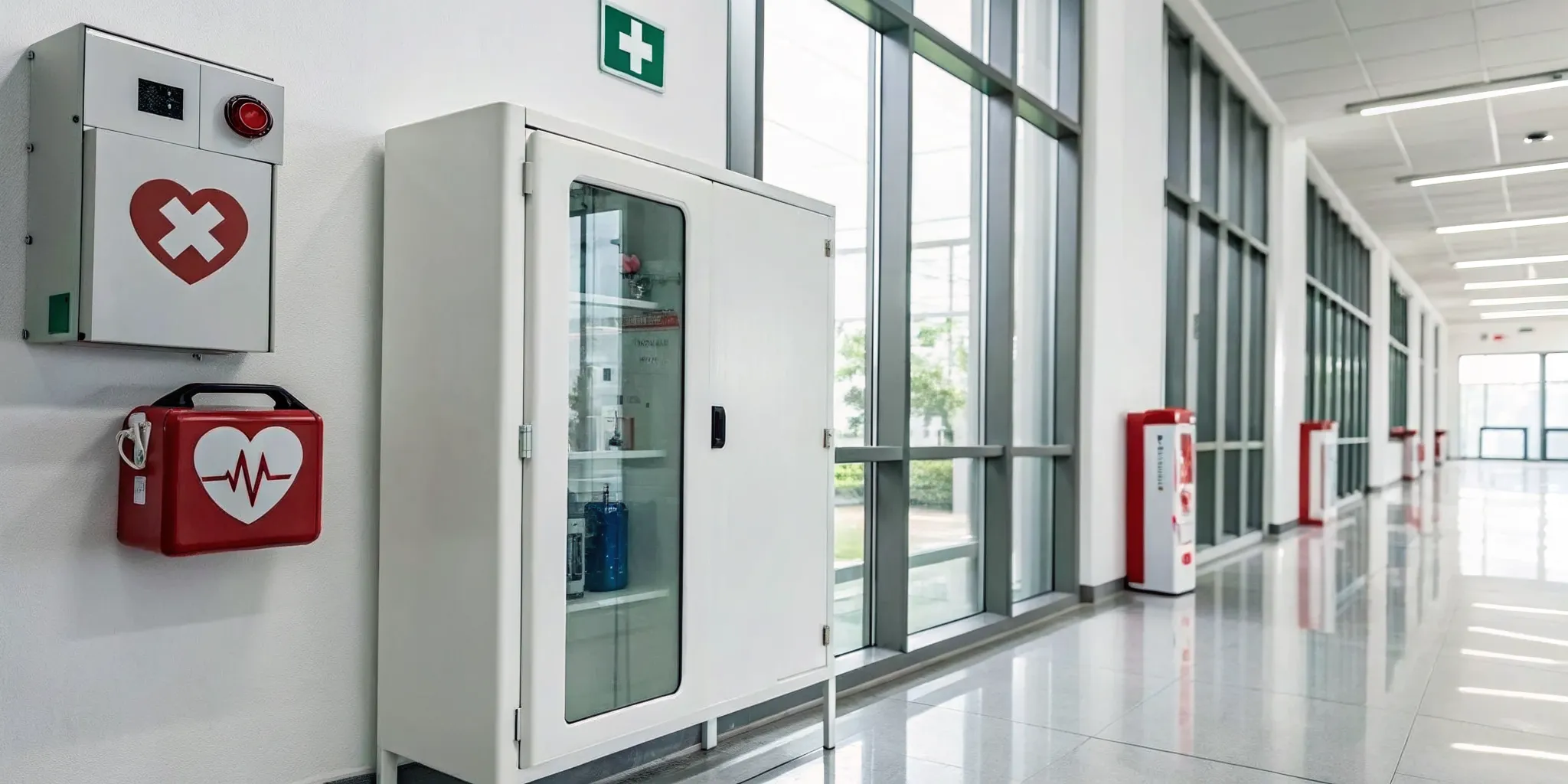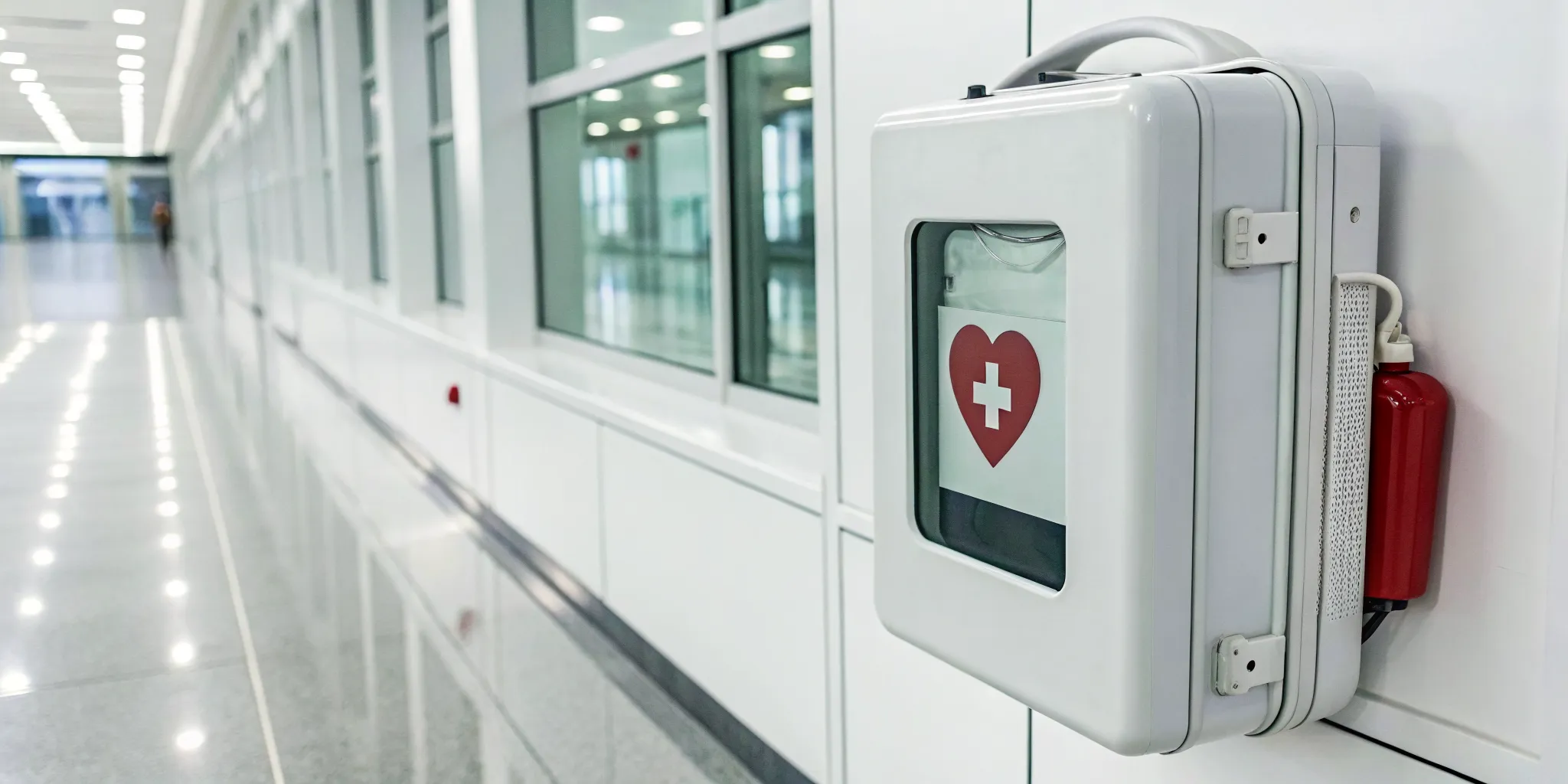
Overseeing AEDs across multiple buildings, a school campus, or even different cities presents a huge logistical challenge. How can you be certain the device in a satellite office is being inspected properly? Coordinating manual checks and collecting paper logs from a distance is inefficient and often leads to inconsistent oversight between locations. This is the exact problem remote AED monitoring was designed to solve. The technology unifies your entire program under a single digital dashboard, giving you an instant, real-time view of every AED in your inventory, no matter where it’s located. This centralized approach streamlines operations and ensures every location meets the same high standard of readiness.
Key Takeaways
- Automate your checks to ensure readiness: Remote monitoring acts as your 24/7 digital inspector, replacing unreliable manual checks and giving you confidence that every AED is ready to use.
- Simplify compliance with a central dashboard: Manage your entire AED inventory from one online portal to track device status, oversee maintenance, and generate the audit-ready reports you need to stay compliant.
- Prevent device failure with proactive alerts: The system automatically tracks expiration dates and sends instant notifications for low batteries or failed self-tests, so you can address issues long before a device is needed.
What is Remote AED Monitoring?
Remote AED monitoring is a system that automatically checks on your AEDs around the clock to make sure they are ready for an emergency. Think of it as a 24/7 digital inspector for your life-saving equipment. Instead of relying on a person to physically walk over and check each device, this technology uses a small, smart device inside the AED cabinet to do the work for you. It verifies that the AED is functional, that its supplies are up to date, and that it hasn’t been tampered with.
This automated oversight is the core of a modern AED program management strategy. It provides real-time updates and alerts, giving you confidence that your devices are compliant and prepared for a sudden cardiac arrest event. It takes the guesswork and administrative burden out of managing your AEDs, especially if you have devices in multiple locations.
How the Technology Works
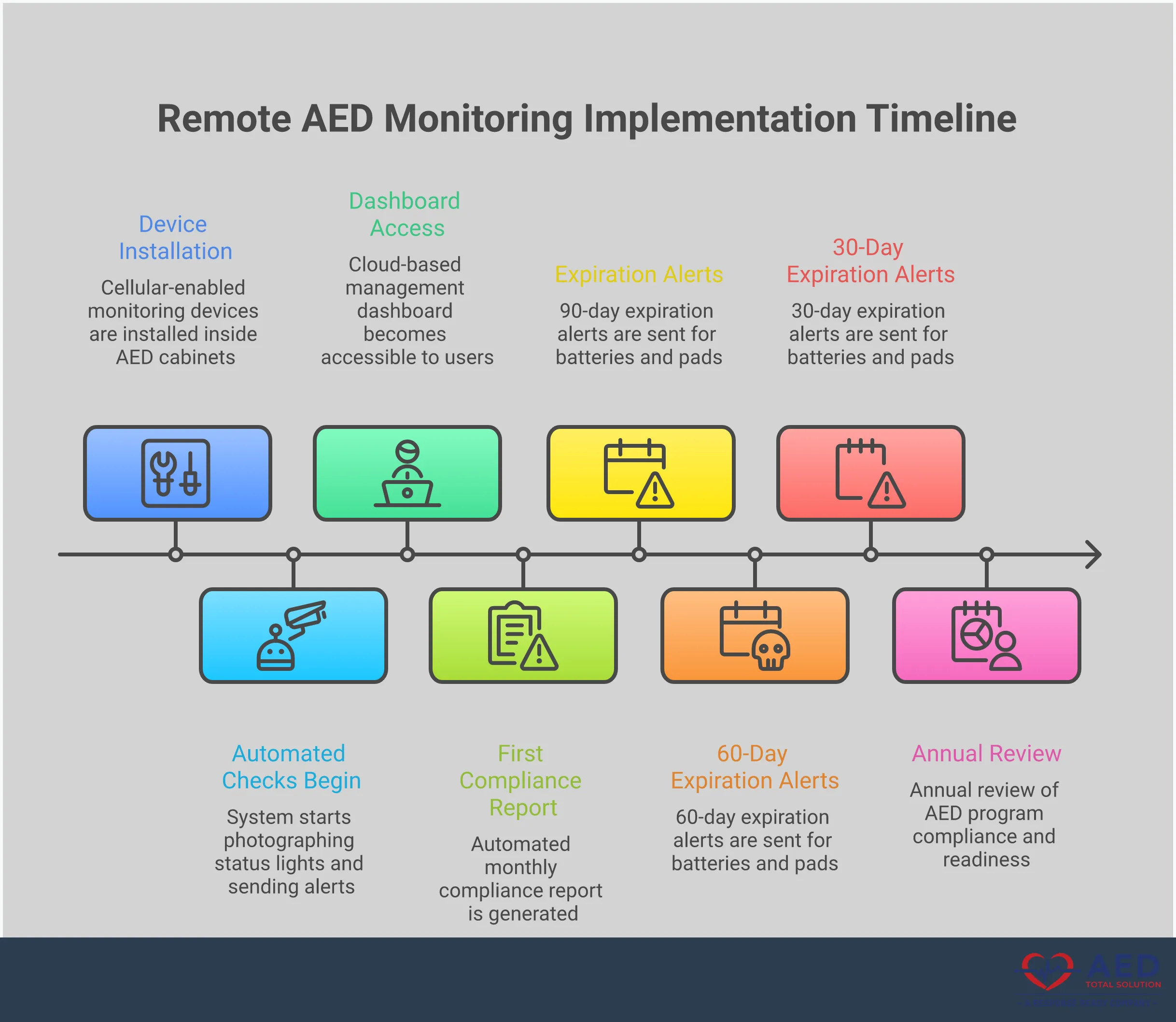
The technology behind remote monitoring is surprisingly straightforward. A small, battery-powered monitoring device is placed inside your AED cabinet. This unit uses a camera and a cellular signal to automatically check your AED’s status indicator light every day. It takes a quick picture to confirm the light is green and flashing, which means the AED has passed its own internal self-test and is ready to go. If the light is red or off, the system instantly sends an alert. It can also detect when the AED cabinet door is opened, notifying you immediately so you can follow up. Because it uses its own cellular connection, it doesn’t depend on your building’s Wi-Fi, ensuring it’s always connected.
Manual Checks vs. Automated Monitoring
Let’s be honest, manual AED checks can be a hassle. They take time, rely on busy staff members remembering to do them, and leave room for human error in inspection logs. A forgotten check or an incorrectly recorded battery expiration date can leave you with a non-working device when you need it most. Automated monitoring removes that burden entirely. It provides constant, reliable oversight 365 days a year, sending you alerts for expiring batteries or pads long before they become a problem. This not only helps you meet complex compliance requirements but, more importantly, ensures your AED is truly response-ready when seconds count.
How Does Remote AED Monitoring Work?
At its core, remote AED monitoring uses smart technology to keep a constant watch over your life-saving devices. Think of it as a dedicated digital guardian for each AED, working around the clock so you don’t have to. A small, wireless monitoring unit is installed inside the AED cabinet, where it continuously checks the device’s readiness status. This unit communicates with a central, cloud-based platform, giving you a complete, real-time overview of your entire AED inventory from any computer or smartphone.
This technology automates the tedious and error-prone process of manual inspections. Instead of relying on a checklist and someone physically walking to each AED, the system does it for you, 24/7. It tracks everything from the battery charge and electrode pad expiration dates to whether the device has been tampered with or deployed. If an issue arises, the system instantly sends an alert to the designated people, so you can address the problem long before an emergency occurs. This combination of hardware and software creates a seamless AED program management system that removes guesswork and ensures every device is ready to respond when seconds count. It’s the difference between hoping your AEDs are ready and knowing they are.
Real-Time Status Tracking and Automated Alerts
The magic of remote monitoring starts with real-time status checks. The monitoring device constantly observes your AED’s self-test results, which are indicated by a small status light on the device. If the light shows everything is okay, the system logs it. But if the AED signals a problem, like a low battery or a failed self-test, the monitor immediately sends an automated alert via email or text. This system also tells you when your AED needs care or if someone has opened its case. This means you’re the first to know about any issue, allowing you to take corrective action right away and ensure your AED is always operational.
Cloud-Based Dashboards and Wireless Connectivity
All the information gathered by the monitoring units is sent wirelessly to a secure online dashboard. Because most systems use cellular data, you don’t need to involve your IT department or connect them to a complex Wi-Fi network. From this single dashboard, you can manage all your AEDs, even if you have dozens of devices spread across multiple buildings or cities. You can view the status of every AED, check upcoming expiration dates, and review inspection histories at a glance. This centralized view simplifies oversight and makes managing a large-scale AED program incredibly efficient.
Photo-Verified Checks and Self-Test Reporting
Some of the most advanced remote monitoring systems provide an extra layer of confidence with photo verification. These systems take daily pictures of your AED’s status light to provide visual proof that it’s working correctly. This feature gives you undeniable confirmation that the device is ready to go. The system also automatically logs the results of the AED’s daily, weekly, and monthly self-tests. This creates a detailed and accurate digital record of readiness, which is invaluable for maintaining compliance and proving that your organization is following all necessary inspection protocols.
Key Features of a Remote Monitoring System
When you start looking at remote monitoring systems, you’ll find that they all promise to make your life easier. But the best systems share a few core features that are essential for building a truly reliable and compliant AED program. These tools are designed to handle the most critical and time-consuming parts of AED management, giving you confidence that every device is ready to go when you need it most. From tracking consumables to simplifying compliance paperwork, these features work together to create a safety net for your entire organization.
Battery and Pad Expiration Tracking
An AED is only effective if its components are up to date. The batteries and electrode pads have firm expiration dates, and letting one slip by can render a device useless in an emergency. A key feature of any remote monitoring system is its ability to automatically track these dates for every AED in your program. Instead of relying on spreadsheets or calendar reminders, the system sends you proactive alerts well before a battery or pad is set to expire. This gives you plenty of time to order and install replacements, ensuring your devices are always ready for use and eliminating one of the most common points of failure in AED maintenance.
Instant Maintenance Notifications
Beyond tracking expiration dates, a robust monitoring system acts as a 24/7 watchdog for your equipment. If an AED’s battery level suddenly drops, a self-test fails, or the device is opened for any reason, the system sends an immediate notification. This proactive approach means you find out about problems the moment they happen, not during a monthly manual check or, even worse, during a cardiac emergency. These instant alerts allow you to address maintenance needs right away, maintaining the constant readiness of your AEDs. This is a core part of a comprehensive AED management program that keeps your devices prepared for anything.
Centralized Dashboard Management
If you’re responsible for more than one AED, especially across different floors or locations, keeping track of everything can be a huge challenge. This is where a centralized dashboard becomes invaluable. Instead of physically checking each device, you can log into a single online portal to see the status of every AED in your program at a glance. The dashboard shows you which devices are ready, which need attention, and which have upcoming expirations. This bird’s-eye view makes it incredibly simple to manage multiple devices efficiently, saving you time and ensuring no AED gets overlooked.
Audit-Ready Compliance Reports
Staying compliant with state and local regulations is a major part of managing an AED program, and that means keeping meticulous records. A great remote monitoring system automates this process by generating audit-ready reports. These documents provide a clear history of inspections, maintenance activities, and readiness checks for every device. This documentation is crucial for demonstrating compliance and protecting your organization under Good Samaritan laws. Having these reports on hand simplifies internal audits and ensures you’re always prepared to prove your program is well-maintained and meets all necessary legal requirements.
Why Remote Monitoring is Essential for Safety and Compliance
An AED program is more than just having a device on the wall; it’s about ensuring that device is ready to save a life at a moment’s notice. Remote monitoring is the bridge between simply owning an AED and managing a truly effective emergency response program. It automates the tedious but critical task of readiness checks, giving you confidence that your devices are functional and compliant. This technology is essential for meeting safety standards, reducing organizational risk, and most importantly, preventing device failure when every second counts.
Meet OSHA and State Requirements
Staying compliant with local and national regulations is a critical part of AED management. Many states have specific laws governing AED maintenance, and OSHA guidelines require employers to provide a safe workplace. Remote monitoring creates a reliable, digital record of every check and status update, providing an audit-ready trail of your compliance efforts. Instead of relying on paper logs that can get lost or forgotten, you have a centralized system that proves your program is actively managed. This documentation is invaluable for demonstrating due diligence and protecting your organization from potential fines or legal issues.
Reduce Liability and Administrative Work
Manual AED checks are often a hassle. They take time away from other duties and are prone to human error. It’s easy for an inspection to be forgotten, logged incorrectly, or missed entirely during a staff change. An automated system takes that burden off your team. By implementing a full-service AED program, organizations can streamline management and reduce operational costs. This shift from manual to automated oversight not only saves administrative hours but also significantly reduces your liability exposure by ensuring consistent, accurate readiness checks across all your devices.
Prevent AED Failures in an Emergency
The worst possible time to discover an AED has a dead battery or expired pads is during a cardiac emergency. Remote monitoring helps you avoid this catastrophic failure. The system provides timely alerts for maintenance needs, ensuring you can take quick action before a device becomes unusable. It makes sure your AEDs are always ready to use, which helps prevent sudden cardiac deaths and the legal problems that can follow a device failure. With real-time status updates, you can be certain that your equipment is prepared to function as intended when a life is on the line.
Challenges Solved by Remote AED Monitoring
Managing an AED program comes with its share of logistical hurdles. From tracking expiration dates to ensuring every device passes its weekly inspection, the manual effort can be overwhelming, especially as your organization grows. Relying on spreadsheets and calendar reminders leaves too much room for human error. A missed inspection or an expired battery could mean the difference between a successful rescue and a tragic outcome. This is where the real risk lies: a program that looks good on paper but fails in practice. When an emergency happens, you need absolute certainty that your equipment is ready to go.
Remote AED monitoring steps in to automate these critical tasks, providing a reliable system that keeps your program compliant and your devices ready. It acts as a digital safety net, catching potential issues before they become serious problems. By centralizing oversight and automating routine checks, this technology solves some of the most persistent challenges that facilities managers, safety directors, and business owners face. It simplifies complexity, reduces administrative work, and gives you confidence that your emergency response plan is built on a solid foundation of readiness.
Tracking Expiration Dates Across Multiple Devices
Every AED has two critical components with a limited shelf life: the battery and the electrode pads. Manually tracking their expiration dates across just a few devices is tedious enough. Now, imagine doing it for dozens of AEDs spread across a campus or multiple office locations. A single missed date on a spreadsheet could leave a device useless in an emergency.
Remote monitoring eliminates this risk entirely. The system automatically tracks the expiration dates for all your AED accessories and sends you proactive alerts well before a battery or pad needs replacement. Instead of worrying about outdated supplies, you get a notification telling you exactly what to order and when. This ensures every single AED is always equipped with functional components and ready to be deployed.
Managing a Multi-Location AED Program
Overseeing an AED program across multiple sites is a major logistical challenge. How can you be sure the device in a satellite office three states away is being inspected properly? Coordinating manual checks, collecting paper logs, and verifying readiness from a distance is inefficient and unreliable. It often leads to inconsistent oversight and compliance gaps between locations.
A remote monitoring system unifies your entire program under a single digital roof. Through a centralized dashboard, you can instantly view the status of every AED in your inventory, no matter where it’s located. This gives you a real-time, bird’s-eye view of your program’s health, allowing you to manage all your AED program management tasks from one place. It streamlines operations, cuts down on travel and administrative costs, and ensures every location meets the same high standard of readiness.
Ensuring Consistent Inspection Protocols
Regulatory standards require regular AED inspections to confirm the device is visible, accessible, and ready for use. But when different people are responsible for these checks, consistency can suffer. One person’s thorough inspection might be another’s quick glance. This variability creates compliance risks and makes it difficult to produce reliable documentation for an audit.
Remote monitoring standardizes your inspection process. The system performs automated daily self-tests and verifies that the AED’s status indicator is green. For physical inspections, it can guide staff with digital checklists to ensure nothing is missed. This automated and systematic approach guarantees that every device is checked against the same criteria, every time. The result is an audit-ready digital record that proves your program is compliant and diligently managed.
Overcoming Staffing and Oversight Gaps
Let’s be honest, the person in charge of your AED program wears many other hats. When they get busy, go on vacation, or leave the company, AED oversight can easily fall through the cracks. This reliance on a single person or a small team creates a significant point of failure in your emergency preparedness plan.
While remote monitoring doesn’t replace human oversight, it provides crucial support. It acts as a constant, vigilant partner that never takes a day off. The system’s 24/7 monitoring and automated alerts ensure that critical readiness tasks are never forgotten, even when your team is stretched thin. This allows your staff to focus their attention where it’s needed most, confident that a reliable system is keeping a close watch. It’s the perfect blend of smart technology and expert support.
Understanding the Costs of Remote Monitoring
Adopting a remote monitoring system is an investment in your organization’s safety and efficiency. The costs generally fall into three categories: the initial setup, ongoing management fees, and the return you get from the system. Breaking it down this way helps you build a clear budget and see the long-term value beyond the initial price tag. Here’s a closer look at what to expect.
Initial Investment and Setup Fees
Your main upfront cost is the monitoring hardware, the physical device that connects your AED cabinet to the cloud. A unit can cost around $359, and you’ll need one for each AED you want to monitor. The setup is usually straightforward and doesn’t require specialized technicians. Some providers bundle the hardware as part of a complete AED program management service, which simplifies procurement by giving you everything you need in one package. This approach helps streamline the initial purchasing process and ensures compatibility from the start.
Ongoing Management and Subscription Costs
After setup, a recurring subscription fee covers the continuous monitoring service that watches your devices 24/7, 365 days a year. This fee pays for the software platform, automated alerts, and customer support. These plans ensure your system is always running and your compliance data is secure. When budgeting for the long term, it’s helpful to consider the hardware’s lifespan. Many monitoring devices are built to last for years and often include a multi-year warranty, which adds predictability to your future expenses and protects your initial investment.
Calculating Your Return on Investment
The true value of remote monitoring shines when you calculate its return on investment. Think about the hours your staff spends walking to each AED, performing manual checks, and logging the results. Remote monitoring automates that entire process. This technology helps organizations reduce operational costs and frees up your team for other important tasks. You also lower the risk of human error, missed inspections, and potential fines for non-compliance. An AED that is always verified as ready reduces liability and provides peace of mind, a return that’s hard to put a price on.
How to Compare Remote Monitoring Solutions
Choosing a remote monitoring solution isn’t a one-size-fits-all decision. The right system depends on your team’s capacity, the number of AEDs you manage, and your compliance goals. Some solutions offer basic software, while others provide a complete, hands-off service. To find the best fit, you’ll want to look closely at the service model, the system’s core features, and its ability to grow with your organization.
Software-Only vs. Full-Service Program Management
The first choice is between a software-only tool and full-service program management. Software-only solutions give you a platform to track your AEDs, but your team handles all the follow-up, from responding to alerts to ordering supplies. This can work if you have dedicated staff. In contrast, a full-service program takes everything off your plate. A partner manages every detail, from monitoring readiness to replacing expired parts. This approach is ideal for organizations that want to reduce administrative work and ensure an expert is always overseeing their program.
Core Monitoring and Reporting Capabilities
Next, evaluate the system’s core capabilities. Your solution must provide real-time status updates on every AED, automatically checking for readiness. When a battery is low or a self-test fails, you need instant notifications to act quickly. Just as important is the reporting function. A strong system generates clear, audit-ready reports that prove your AEDs are compliant with all regulations. This documentation is essential for managing your AED program and protecting your organization from liability.
Integration and Scalability Options
Finally, consider how the solution will fit your organization now and in the future. If you have AEDs from different manufacturers, you’ll need a versatile system that can monitor them all from one dashboard. For businesses with multiple sites or plans for growth, scalability is key. A good remote monitoring system should make it simple to add new devices and locations without creating more administrative headaches. The goal is to streamline program management, ensuring every device is ready, no matter where it is.
How to Choose the Right Remote Monitoring System
Finding the right remote monitoring system is about more than just picking a technology; it’s about choosing a partner to help protect your people and your organization. The best solution for a single-location gym will be different from what a multi-state school district needs. Before you decide, it’s important to look closely at your specific situation. A great system should fit seamlessly into your operations, simplify your workload, and give you complete confidence that your AEDs are ready to go.
To make the right choice, focus on three key areas. First, understand your compliance obligations inside and out. Staying compliant with local and national regulations is a critical part of any AED program, and your monitoring system should make this easier, not harder. Next, look at the specific features, overall reliability, and the level of support you’ll receive. A system with all the bells and whistles is useless if it’s unreliable or if you can’t get help when you need it. Finally, think about the practical side of things: how will you implement the system, and how will you train your team to use it effectively? Considering these factors will help you find a solution that truly supports your safety goals.
Assess Your Organization’s Compliance Needs
First things first: compliance is not optional. Every AED program is subject to a web of state and local regulations, and your remote monitoring system must help you meet every single one. Before you even start comparing providers, take the time to understand the specific AED laws in your area. What are the requirements for monthly inspections, readiness documentation, and post-event reporting? The right system will automate these tasks and generate audit-ready reports, taking the guesswork out of staying compliant. Look for a solution that provides clear, centralized documentation and helps you manage every aspect of your AED program management to reduce liability and ensure you’re always prepared.
Evaluate Features, Reliability, and Support
Once you have a handle on your compliance needs, it’s time to compare the tools themselves. A good remote monitoring system should streamline your program management, not add another complicated layer. Look for essential features like automated alerts for battery and pad expirations, notifications for failed self-tests, and a centralized dashboard where you can see the status of every device at a glance. Ease of installation is also key; you shouldn’t need an IT degree to get your system up and running. Beyond the software, consider the reliability and support offered by the provider. Is there a real person you can call for help? A comprehensive FAQ page and responsive customer service are signs of a company that stands behind its product.
Plan for Implementation and Staff Training
Technology is only effective when people know how to use it. Remote monitoring is designed to make human oversight more efficient, not replace it entirely. Before you commit to a system, create a clear plan for implementation and training. Who on your team will be responsible for monitoring the dashboard and responding to alerts? How will you train them on the new process? A great provider will offer straightforward onboarding and support to ensure your team feels confident from day one. Remember, you’re not just buying a product; you’re investing in a safety process. Choosing a partner with a dedicated support team can make all the difference in a successful rollout.
Get Started with Remote AED Monitoring
Making the switch to remote AED monitoring is a straightforward process that brings immediate peace of mind. Once you’ve decided that automated monitoring is right for your organization, you can move forward with confidence. The key is to find a partner who simplifies the transition and manages the details for you, so you can focus on your core responsibilities. A well-managed program ensures every device is ready for an emergency, without adding more to your plate.
The first step is to take stock of your current AEDs. Note how many devices you have, where they are located, and what your current inspection process looks like. This inventory will help you identify gaps and understand the scope of your program. Think about your biggest challenges. Are you struggling to track battery and pad expiration dates across multiple sites? Is it difficult to ensure staff are completing manual checks consistently? Pinpointing these issues will help you find a solution that truly fits your needs.
Once you have a clear picture of your program, it’s time to explore your options. A full-service AED program management solution handles everything from installation and monitoring to compliance reporting and supply replenishment. Instead of juggling software, hardware, and inspections yourself, you can rely on a dedicated team to keep your program audit-ready and response-ready. This approach removes the guesswork and administrative burden, giving you complete confidence that your AEDs are protected and prepared for the moment they’re needed most.
Related Articles
- Home AED Solutions – Expert Service & Support
- Top AED Program Management | AED Program Management
- Top AED Program Management | AED Program Management
- Top AED Program Management | AED Program Management
- Top AED Program Management | AED Program Management
Frequently Asked Questions
Does remote monitoring replace the need for physical inspections? Not entirely, but it makes them much more efficient. The automated system handles the daily electronic self-checks, which confirms the AED is functional. However, you’ll still want to perform periodic physical checks to ensure the cabinet is accessible, the device hasn’t been damaged, and the surrounding area is clear. Think of remote monitoring as your 24/7 digital partner that covers the constant readiness checks, allowing your team to focus on the bigger picture during their physical walk-throughs.
What happens if the monitoring system detects a problem with an AED? The system sends an instant alert to the designated people on your team via email or text. This notification will specify the device and the nature of the issue, whether it’s a low battery, a failed self-test, or an opened cabinet door. This allows you to take immediate action to fix the problem, ensuring the AED is back in a ready state as quickly as possible and long before an emergency occurs.
Our building has spotty Wi-Fi. Will the monitoring system still work? Yes, it will. Most remote monitoring units are designed to be completely independent of your building’s Wi-Fi network. They use their own reliable cellular connection to communicate with the central dashboard. This ensures that your AEDs are being monitored continuously, even if your internet connection is unreliable or goes down completely.
Is it difficult to install the monitoring hardware in our existing AED cabinets? No, the installation process is designed to be very simple. The monitoring device is a small, self-contained unit that is easily placed inside your existing AED cabinet. It doesn’t require any complex wiring or technical expertise to set up. The goal is to get your program up and running quickly without causing any disruption to your daily operations.
We only have a few AEDs. Is a remote monitoring system still beneficial for us? Absolutely. Even with just one or two devices, the risk of human error in manual tracking is still present. A forgotten inspection or a missed expiration date can have serious consequences regardless of your program’s size. Remote monitoring provides peace of mind by automating these critical checks, ensuring your devices are always compliant and ready to use, and freeing up your team’s time for other responsibilities.