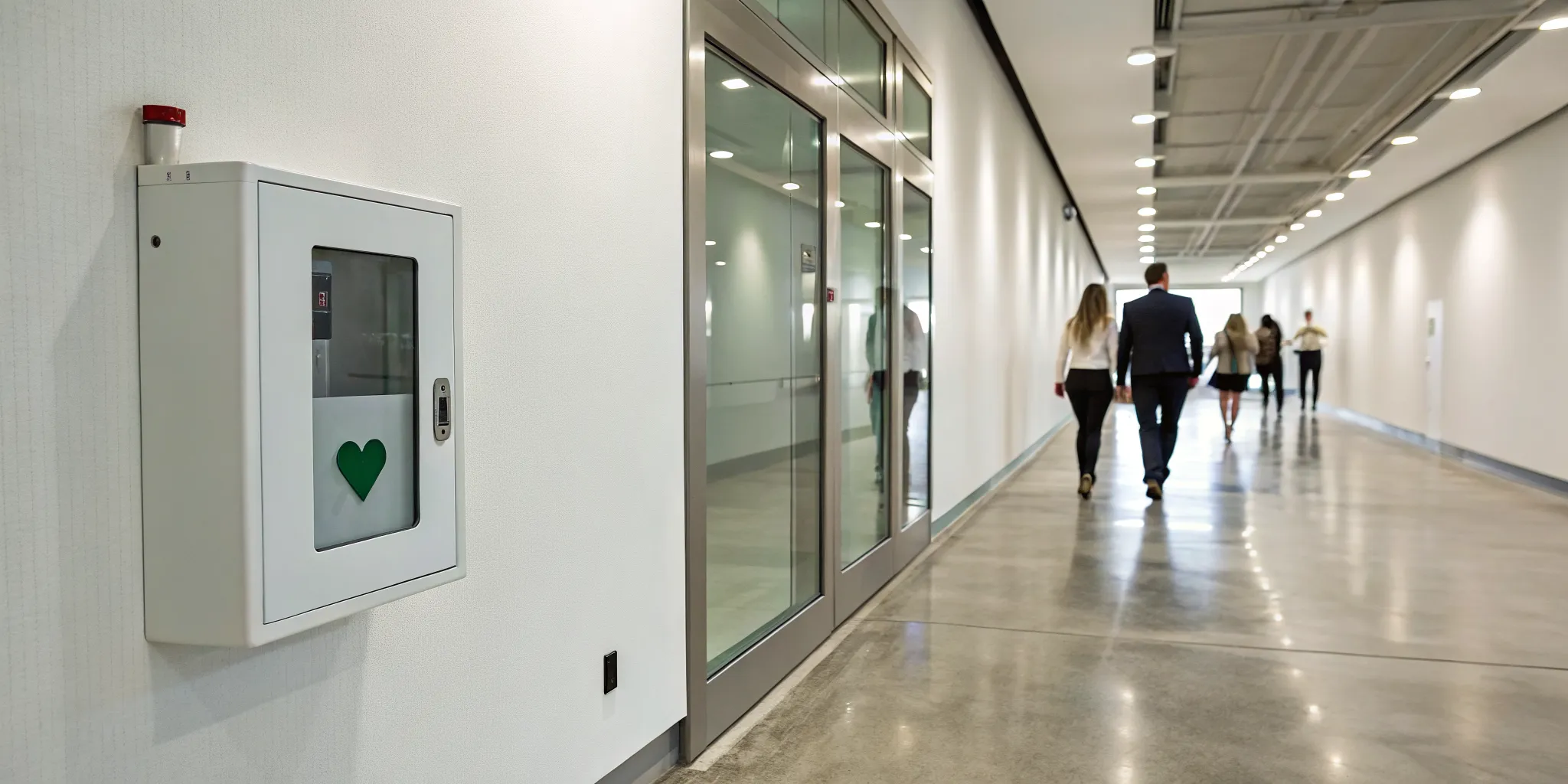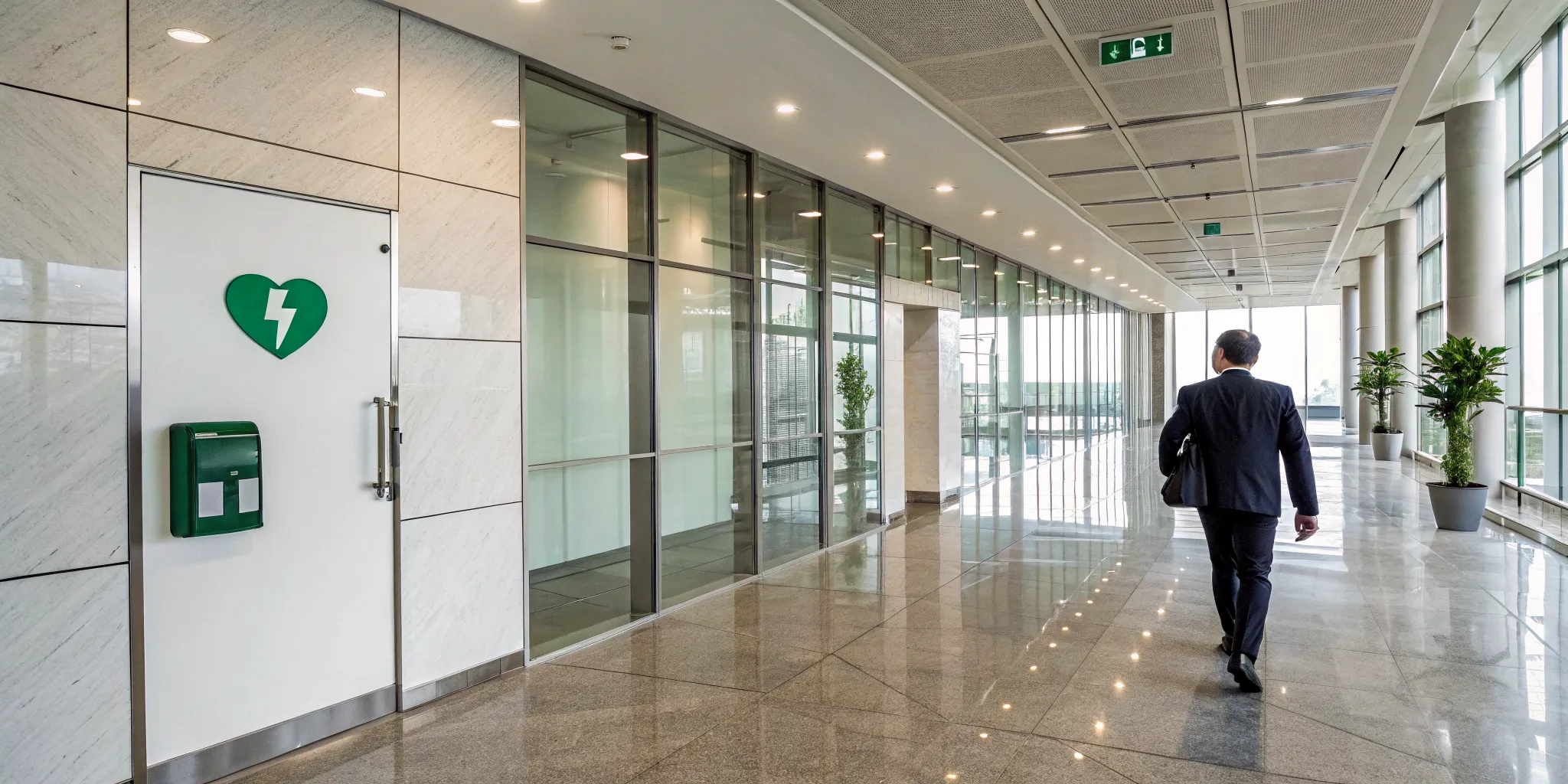
When someone suffers a sudden cardiac arrest, the first few minutes are absolutely critical. While having an AED on-site is the most important step, its effectiveness is completely dependent on one simple thing: can people find it? In the chaos of an emergency, a rescuer’s first instinct is to scan the walls, desperately looking for the ‘nearest aed sign’ to guide them. A clear, well-placed sign does more than just point the way; it cuts through panic and turns a bystander into a confident first responder. This guide will walk you through why these simple markers are a non-negotiable part of any effective AED program.
Key Takeaways
- Prioritize immediate recognition: Your sign’s main job is to be seen and understood in seconds. Use high-contrast colors like red and white, the universal heart symbol, and a size that is easy to read from a distance to eliminate any guesswork during an emergency.
- Match your sign to its environment: A sign’s material directly impacts its lifespan and effectiveness. Choose durable, weather-resistant options for outdoor areas and sturdy plastic for high-traffic indoor hallways to ensure your signs remain clear and intact for years.
- Create a clear path and maintain it: One sign above the AED is not enough. Use directional signs at key intersections to guide people from any point in your building, and regularly inspect all signs to make sure they are not blocked, faded, or damaged.
What is an AED Sign and Why is it So Important?
An AED sign is a simple but vital visual marker that points people to the location of an Automated External Defibrillator. You’ve probably seen them: they typically feature a white background with bold red letters spelling out “AED” and the universal symbol of a heart with a lightning bolt. Its job is to be instantly recognizable, cutting through the chaos of an emergency to show people exactly where to find this life-saving device.
When someone experiences sudden cardiac arrest, their chances of survival decrease with every passing minute. A bystander’s ability to quickly find and use an AED can literally be the difference between life and death. That’s why a clearly visible sign is just as important as the device itself. It transforms a stored piece of medical equipment into an accessible rescue tool. Having a sign ensures that anyone, from a trained first responder to a concerned passerby, can locate the AED without wasting precious time searching. It’s a core component of any effective AED program.
Are AED Signs Legally Required?
This is a common question, and the answer is a bit complex: it depends on where you are. While there isn’t a federal law that mandates AED signage across the board, many states have their own specific rules. These regulations can dictate everything from whether a sign is required to its exact size, color, and placement. For example, some states require a sign to be placed directly above the AED cabinet, while others may have rules about directional signs in larger buildings. It’s crucial to understand your local state-specific AED signage requirements to ensure your program is fully compliant and protected from liability.
How Signs Guide Responders in an Emergency
In a high-stress emergency, clear communication is everything. An AED sign acts as a silent guide, providing an immediate, easy-to-understand instruction: “The life-saving device is here.” This is critical because the person responding might not be familiar with the building’s layout. Clear signage eliminates confusion and hesitation, empowering anyone to act decisively. By making the AED’s location obvious, you shave critical seconds off the response time. This allows the rescuer to get the device to the person in cardiac arrest faster, which significantly improves the chances of a positive outcome. A simple sign turns a potential search party into a direct rescue mission.
How to Find an AED Sign Near You
Knowing where to look for an AED can save precious minutes during a sudden cardiac arrest. You don’t have to rely on luck; there are several reliable ways to locate a nearby device, whether you’re preparing ahead of time or acting in an emergency. By familiarizing yourself with these methods, you can become a more confident and effective first responder.
Use AED Locator Apps and Websites
Your smartphone can be a powerful tool for finding an AED. Several apps are designed to crowdsource and map the locations of publicly accessible defibrillators. Apps like PulsePoint Respond show you a map of registered AEDs and can even alert you if someone nearby is having a cardiac emergency. These platforms often rely on users to keep their maps current, so if you see an AED that isn’t listed, you can help by adding its location. Taking a few minutes to download one of these apps can make a world of difference when you need it most.
Check Common AED Locations
If you don’t have an app handy, your best bet is to check common public spaces. AEDs are typically placed in high-traffic areas where a cardiac arrest is more likely to occur. Look in places like office building lobbies, gyms, airports, schools, and sports arenas. They are often mounted on a wall in a visible cabinet, much like a fire extinguisher. Our guide to optimal AED placement explains that these locations are chosen to maximize accessibility. Keeping these spots in mind can help you quickly scan your surroundings and find a device.
What to Do if You Can’t Find a Sign
If you can’t immediately spot an AED sign, don’t panic. First, shout for help. Ask one person to call 911 while you start CPR, and ask another person to find the nearest AED. Delegating tasks is one of the most effective things you can do in an emergency. Tell them to check the main lobby, near elevators, or with a security guard or front desk manager. This is exactly why clear, well-placed signage is so critical; it removes the guesswork. In the absence of a sign, you have to rely on quick thinking and teamwork to locate the device and bring it to the person in need.
Choose the Right Features for Your AED Sign
When you’re setting up your AED program, it’s easy to think of the sign as a final-touch accessory. But an AED sign is more than just a label; it’s a critical beacon that guides people to life-saving equipment during a high-stress emergency. The features you select for your signage can directly influence how quickly and easily a rescuer can locate the device when every second is critical. A sign that blends into the wall or is too small to read from a distance won’t do its job.
Choosing the right sign isn’t about aesthetics. It’s about function, compliance, and effectiveness. You need to consider where the sign will be placed, who needs to see it, and what conditions it will face. A well-chosen sign is highly visible, universally understood, and durable enough to last for years. Think of it as the first step in the chain of survival. Clear and effective AED signage removes guesswork and helps ensure your workplace is prepared to respond effectively. Let’s walk through the key features to look for so you can make a confident and informed choice for your facility.
Prioritize High-Contrast Colors for Visibility
In an emergency, the human brain is wired to scan for specific visual cues. That’s why high-contrast colors are non-negotiable for AED signs. The classic combination of a bright red and stark white background is the industry standard for a reason: it grabs attention and signals urgency. These colors stand out against most wall surfaces, making the sign easy to spot from across a room or down a long hallway.
When selecting a sign, look for bold, clean graphics and easy-to-read text. The goal is instant recognition, not subtle design. Clear decals and identification labels are essential for ensuring the sign communicates its message without causing a moment of confusion. Avoid cluttered designs or colors that might blend into your existing decor. Visibility should always be the top priority.
Match Durability to Indoor or Outdoor Use
An AED sign is a long-term investment in safety, so it needs to be durable enough to withstand its environment. A sign placed in a climate-controlled office hallway has very different requirements than one installed in a parking garage, pool area, or on an exterior wall. For indoor use, a rigid plastic sign is often sufficient. It’s lightweight, easy to mount, and holds its color well away from the elements.
For outdoor or harsh environments, however, you’ll need something tougher. Look for signs made from materials like aluminum, which resists rust and corrosion. It’s also important to check if the sign has a UV-protective coating to prevent the colors from fading in direct sunlight. A sign that is built for durability ensures your AED location remains clearly marked and compliant for years to come.
Use Universal Symbols and Directional Arrows
During a cardiac arrest, a rescuer may not have time to read text, and they might not even speak the local language. This is where universal symbols become incredibly important. The internationally recognized AED symbol, a heart with a lightning bolt inside, communicates the sign’s purpose instantly to almost anyone. This simple graphic cuts through confusion and helps people process information quickly under pressure.
Equally important are directional arrows. It’s rare for an AED to be visible from every angle in a building. Directional markers create a clear path, guiding responders from main hallways to the device’s exact location. A well-planned system uses a combination of identification and directional signs to ensure no time is wasted searching.
Select the Proper Size and Material
The right size for your AED sign depends entirely on its placement and the typical viewing distance. A sign in a small office or narrow corridor can be smaller than one in a large, open space like a gymnasium, warehouse, or auditorium. As a general rule, the farther away people will be when they need to see the sign, the larger it needs to be. Before you buy, stand in the farthest corner of the space and consider what size would be clearly legible.
The material you choose also plays a role in the sign’s long-term visibility and effectiveness. Clear specs on size and materials help you choose the best signage for your space. Whether you opt for adhesive vinyl, plastic, or metal, selecting a quality material ensures the sign won’t peel, fade, or crack over time. This ensures strong visibility that lasts.
What Makes a High-Quality AED Sign?
When you’re building an effective AED program, the signs you choose are just as important as the device itself. A great sign does more than just point the way; it instills confidence and cuts through the chaos of an emergency. But not all signs are created equal. A flimsy, poorly printed sign can fade, peel, or go unnoticed, while a high-quality one remains a clear, reliable beacon for years. So, what separates the best from the rest?
It comes down to three key elements: visibility, durability, and compliance. A quality sign uses high-contrast colors and universal symbols that anyone can understand in a split second. It’s made from materials tough enough to handle its environment, whether that’s a busy warehouse floor or a sun-drenched poolside wall. Most importantly, a professional-grade sign is designed to meet safety regulations, helping you fulfill your legal and ethical responsibilities. Choosing the right sign isn’t just about checking a box; it’s about creating a visual guide that ensures your AED can be found and used when every second is critical.
Explore AED Total Solution’s Sign Options
The primary job of an AED sign is to make the device impossible to miss. During an emergency, people won’t have time to search. That’s why a comprehensive signage strategy is so important. The goal is to create a clear visual path from any point in your facility directly to the AED. This involves more than just one sign above the cabinet. Quality AED signage helps you spot lifesaving devices quickly and easily. Using a combination of clear decals, 3D wall signs that stick out, and directional markers creates a system that guides responders without confusion. Think of it as creating a clear line of sight to safety.
Compare Material Quality and Durability
An AED sign is a long-term safety asset, so it needs to last. The material you choose should depend entirely on where the sign will be placed. An indoor office hallway has very different needs than a manufacturing facility or an outdoor area. For example, signs in busy corridors need to withstand bumps and scrapes, while floor decals must be tough enough for heavy foot traffic. Some materials are specifically designed to adhere to various surfaces and hold up over time. Choosing a durable, location-appropriate material like rigid plastic or aluminum ensures your sign remains vibrant, legible, and securely in place, ready to do its job for years to come.
Why Professional-Grade Signs Matter
It can be tempting to grab the cheapest sign you can find, but this is one area where quality is directly tied to safety and compliance. Professional-grade signs are designed with specific standards in mind, from color and size to symbol usage. They are built for durability and compliance, ensuring your workplace is prepared to respond effectively and protect lives. Opting for a professional sign removes the guesswork and helps you meet OSHA and state requirements. It’s a crucial part of a fully managed AED program, giving you confidence that your signage is not only visible and durable but also fully compliant, reducing liability and strengthening your overall emergency response plan.
How to Purchase AED Signs and What to Expect
Once you know which signs you need, the next step is making the purchase. This process is straightforward, but a few key considerations will ensure you get the right products for your program. Thinking about where you buy, what you’ll pay, and how to handle larger orders will help you equip your facility efficiently and effectively.
Buy from a Program Expert vs. a General Retailer
It might be tempting to grab AED signs from a big-box retailer or a generic online marketplace, but it’s always better to purchase from an AED program expert. Specialists understand the specific compliance and visibility requirements that keep your program safe and effective. They offer signs designed for this exact purpose, often available in durable materials like vinyl or plastic to suit different environments. A general retailer simply won’t have the focused knowledge to guide you. Working with an expert ensures you get professional-grade products that are part of a cohesive safety strategy, not just another item in a shopping cart.
Understand the Price Range for Different Signs
Budgeting for AED signs is simple, as they are a very affordable part of any AED program. For a standard, flat wall sign, you can expect to pay around $10 to $15. This small investment makes a huge difference in an emergency, helping people locate life-saving equipment without delay. Prices can vary based on size, material, and features. For example, a 3D or projecting sign that is visible from multiple directions may cost more than a flat one. When you shop for AED accessories, you can compare options to find signs that fit both your budget and your facility’s specific needs.
Ask About Options for Bulk Orders
If you’re outfitting a large building or multiple locations, you’ll likely need more than one sign. Many specialized suppliers offer solutions for bulk orders, which can streamline the purchasing process. Some may have minimum order quantities, while others might provide discounts for larger purchases. Before you buy, it’s a good idea to ask about their policies. This is another area where partnering with a full-service provider helps. As part of a comprehensive AED management program, we can handle the procurement of all necessary signs, ensuring every device is properly marked and easy to find.
What to Look for in an Effective AED Sign
When you’re managing an AED program, choosing the right sign might seem like a small detail, but it’s one of the most important decisions you’ll make. An effective sign is more than just a piece of plastic; it’s a beacon that guides people to life-saving equipment during a high-stress emergency. The goal is to make your AED so easy to find that no one has to waste precious seconds searching for it.
So, what separates a great sign from one that just checks a box? It comes down to a few key factors. You need a sign that can withstand its environment without fading or falling apart. It must be instantly recognizable and easy to read from a distance, even in a panic. Finally, it should provide lasting value, ensuring your investment continues to support your safety goals for years to come. Think of it as a critical component of your emergency response plan. A flimsy, poorly designed sign can fail when you need it most, undermining the entire purpose of having an AED in the first place. Let’s walk through exactly what to look for to ensure your signage is ready for action.
Check for Quality and Durability
A sign that peels, fades, or cracks after a few months isn’t just an eyesore; it’s a liability. When selecting an AED sign, start by examining its construction. High-quality signs are built for durability and compliance, ensuring your workplace is prepared to respond effectively. Look for signs made from sturdy materials like rigid plastic or aluminum that can handle the specific conditions of their location. An indoor sign in a climate-controlled office has different needs than one placed in a humid pool area or a sun-exposed entryway. Investing in a durable, professional-grade sign means you won’t have to worry about replacing it frequently, and you can trust it will remain clear and intact when it matters most.
Assess Visibility and Readability
During an emergency, clarity is everything. A sign’s primary job is to be seen and understood immediately. Effective AED signage uses high-contrast colors, typically red and white, along with bold, simple text and the universal AED heart symbol. These design choices help you spot lifesaving devices quickly and easily. Consider where the sign will be placed. A flat sign works well on a wall directly above the AED cabinet, but a 3D or V-shaped sign that projects from the wall is much more visible down a long hallway. The goal is to eliminate any guesswork so a rescuer can locate the AED from multiple angles and distances without hesitation.
Ensure Long-Term Value
Choosing the right AED sign is an investment in your organization’s safety culture. While some regulations may mandate signage, its true value goes far beyond compliance. Even when it’s not legally required, clear signage is essential because it helps responders find the AED quickly during an emergency. A high-quality sign provides long-term value by remaining a reliable fixture in your safety program for years. It serves as a constant visual reminder that you are prepared to handle a sudden cardiac arrest. This builds confidence among employees and visitors, reinforcing that their well-being is a priority. A durable, highly visible sign is a small price to pay for the peace of mind that comes with a truly response-ready program.
Where to Install AED Signs for Maximum Impact
Placing an AED in your facility is a critical first step, but it’s only half the battle. If no one can find the device during an emergency, it won’t do any good. That’s where strategic sign placement comes in. Effective signage acts as a clear, calm guide during a chaotic event, directing responders to the life-saving equipment they need. By thinking through where and how you install your signs, you can dramatically shorten response times and improve the odds of a positive outcome.
Focus on High-Traffic Areas and Entrances
The best place for your primary AED sign is directly above the AED cabinet, but visibility starts long before someone is standing in front of the device. Place your signs in high-traffic, high-visibility locations where people will see them every day. Think about main entrances, lobbies, elevator banks, cafeterias, and busy hallways. The goal is to make the AED’s location common knowledge. When you place signs in these central spots, you’re embedding a mental map in the minds of employees and visitors. This ensures that during an emergency, people aren’t searching aimlessly; they’re moving with purpose toward a familiar location. You can find a variety of AED signs and decals designed for maximum visibility in these key areas.
Add Directional Signs to Create a Clear Path
In larger or more complex buildings, a single sign above the AED is not enough. You need to create a clear path with directional signs that guide people from major access points to the device. Think of it as leaving a trail of breadcrumbs. Place directional signs at hallway intersections, in stairwells, and near exits, with arrows pointing the way. By placing signs in strategic locations, you allow people to easily locate the AED and get help quickly, even if they are unfamiliar with the building’s layout. This simple step can turn a confusing search into a direct route, saving precious seconds. A well-planned AED program includes mapping out these visual cues to ensure no time is wasted.
Avoid Common Placement Errors
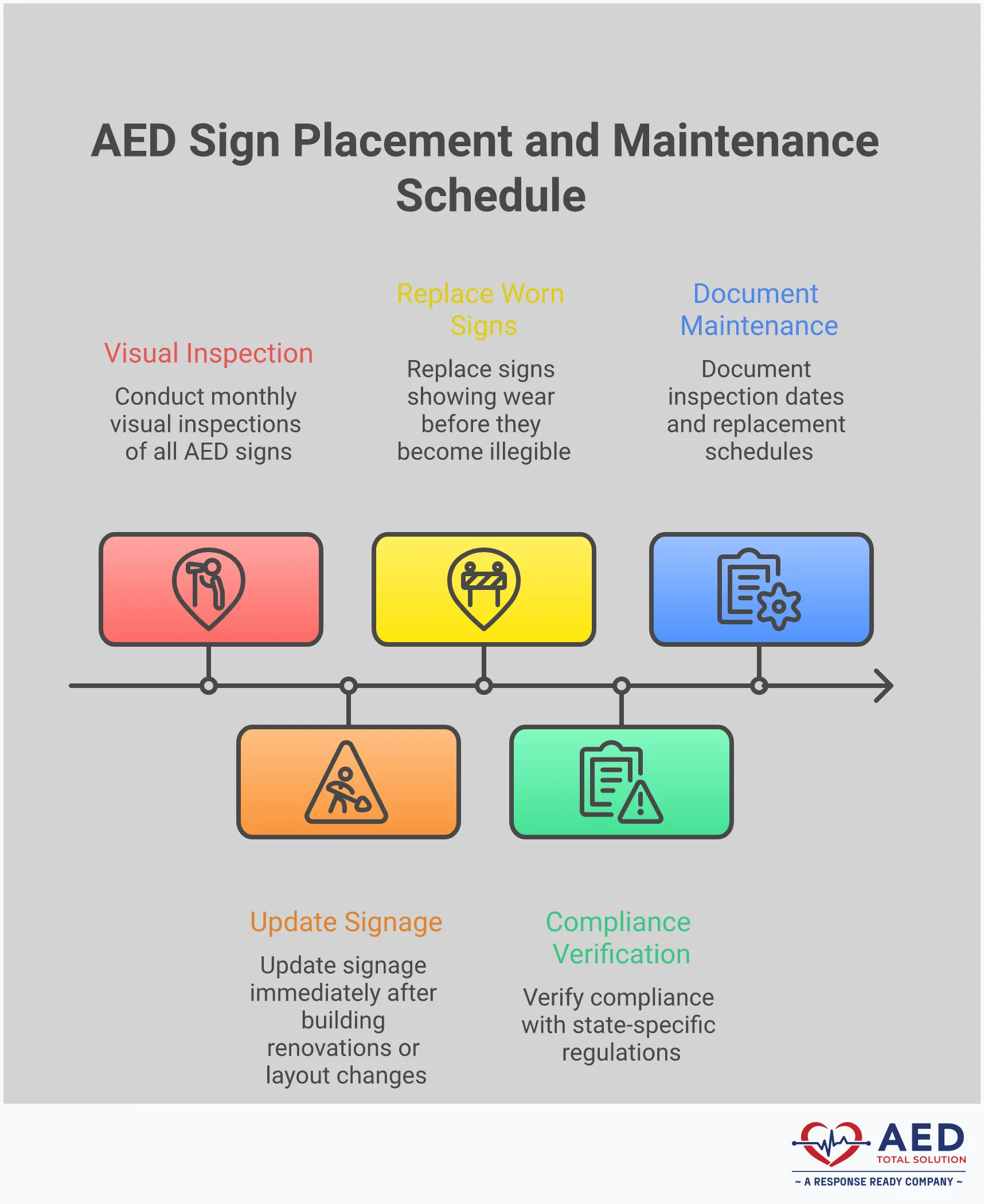
Even with the best intentions, placement mistakes can make your signs ineffective. One of the most common errors is placing an AED where it’s hard to access, like in a locked office or a cluttered storage closet. Another is using too few directional signs, leaving responders guessing which way to turn. Be mindful of your environment, too. A perfectly placed sign can easily become blocked by temporary posters or seasonal decorations. Finally, always remember to update your signage after any building changes or renovations. A sign pointing down a hallway that no longer exists is worse than no sign at all. Regularly auditing your sign placement helps you catch these issues before an emergency happens.
Avoid These Common AED Sign Mistakes
Even with the best intentions, a few simple mistakes can make your AED signs ineffective. You can have a top-of-the-line AED ready to go, but if no one can find it during an emergency, it doesn’t help anyone. Placing a sign is just the first step; ensuring it remains visible, relevant, and durable is what truly prepares your space for a sudden cardiac arrest event. Let’s walk through some of the most common errors organizations make with their AED signage and how you can steer clear of them.
Many of these mistakes happen because AED programs are treated as a one-time setup rather than an ongoing responsibility. A sign gets put up, and then it’s forgotten. But environments change. New furniture arrives, walls get painted, and office layouts are reconfigured. We’ll look at why poor placement and low visibility are the biggest culprits, how choosing the wrong sign material for the environment can lead to unreadable signs, and why forgetting to update your signage after a renovation can create a dangerous path to nowhere. By avoiding these pitfalls, you can make sure your signs do their job when it matters most, guiding responders quickly and clearly to life-saving equipment.
Poor Placement and Low Visibility
The most critical mistake is placing a sign where no one can see it. If a sign is hidden behind a plant, blocked by a new piece of furniture, or tucked away in a low-traffic corner, it isn’t serving its purpose. Signs should be in strategic, highly visible locations. For the AED itself, the mounting height should be no more than 48 inches from the floor to ensure accessibility. The accompanying AED signage should be placed directly above or next to the cabinet, using bold fonts and bright colors that stand out. Think about the path a person would take in an emergency and make sure the signs are clear from multiple angles.
Using the Wrong Materials for the Environment
Not all signs are created equal. A standard paper or thin plastic sign might work for a climate-controlled office, but it won’t last long in a humid pool area, a sunny outdoor courtyard, or a busy manufacturing floor. Using the wrong material can lead to fading, peeling, or damage, rendering the sign unreadable over time. It’s important to choose materials suited for the specific environment. For example, durable vinyl decals are great for smooth indoor walls, while rigid plastic or aluminum signs are better for outdoor or industrial settings. The right material ensures your investment lasts and your signs remain a reliable guide for years to come.
Forgetting to Update Signs After Renovations
Your building isn’t static, and your signage plan shouldn’t be either. One of the most overlooked mistakes is failing to update signage after building changes. When you renovate an office, move walls, or change the layout, your old directional signs might suddenly point to a closet or a dead end. An outdated sign can cause dangerous confusion and delays during an emergency. It’s essential to make signage updates a standard part of your renovation or remodeling checklist. This is where ongoing program management becomes invaluable, ensuring your AED program adapts to changes in your facility and remains compliant and effective.
How to Install and Maintain Your AED Signs
Putting up an AED sign is more than just a final step; it’s a critical part of making your emergency response plan work. Proper installation and ongoing maintenance ensure that your signs are always visible, clear, and compliant. A sign that’s hidden, damaged, or out-of-date can cause dangerous delays when every second is critical. By thinking through placement and creating a simple maintenance plan, you can make sure your signs effectively guide people to the AED. This proactive approach is a cornerstone of responsible AED program management and helps protect your organization while keeping people safe.
Follow Best Practices for Height and Location
Where you place your AED and its signs can make all the difference. For the AED cabinet itself, the mounting height should be no more than 48 inches from the floor. This makes it accessible to as many people as possible, including those in a wheelchair. Place your main AED sign directly above or next to the cabinet, using bold, bright colors that stand out. For the surrounding area, think like a first-time visitor. Install signs in high-traffic spots like lobbies, hallways, and near elevators. The goal is to create a clear, visible path so anyone can find the device quickly without confusion or delay.
Create an Inspection and Replacement Schedule
AED signs aren’t a “set it and forget it” item. Over time, they can fade, get damaged, or become blocked by new furniture or equipment. That’s why a regular inspection schedule is so important. Make checking your AED signs a part of your routine facility safety walks. Look for any signs of wear and tear, and make sure nothing is obstructing the view. A quick monthly or quarterly check can help you catch issues early and replace signs before they become ineffective. This simple habit ensures your signage remains a reliable guide, helping people act quickly and confidently during an emergency.
Ensure Compliance with OSHA and State Regulations
While federal law doesn’t have a universal mandate for AED signage, many states have their own specific rules. These regulations can dictate everything from the type of sign you need to its exact placement. It’s essential to understand the AED signage requirements in your state to keep your program compliant and reduce liability. Taking the time to check local laws ensures your AED program meets all legal standards. This not only protects your organization but also confirms your commitment to providing a safe environment where life-saving equipment is accessible to everyone who might need it.
Related Articles
Frequently Asked Questions
My state doesn’t legally require an AED sign. Do I still need one? Yes, absolutely. Think of it this way: legal requirements are the bare minimum, but effective safety programs are built on best practices. In an emergency, every second counts. A clear sign can shave critical time off the response, which directly improves a person’s chance of survival. Having proper signage also shows you are taking every reasonable step to protect people in your facility, which is important for reducing liability.
What’s the most important factor when choosing an AED sign? Visibility is the number one priority. A sign’s only job is to be seen and understood instantly, especially by someone in a panic. This means choosing one with high-contrast colors like red and white, a clear universal symbol, and a size that is appropriate for the space. A sign that blends into the wall or is too small to read from a distance won’t be effective when you need it most.
How many signs do I actually need for my building? This depends on the size and layout of your facility. You’ll need at least one sign placed directly above or next to the AED cabinet. For larger spaces, you should also use directional signs to create a clear path from main entrances and hallways to the device. The goal is to ensure that no matter where someone is, they can easily spot a sign that points them in the right direction.
What is the most common mistake people make with their AED signs? The biggest mistake is treating signage as a one-time task. People often install a sign and then forget about it. Over time, that sign can become blocked by new furniture, hidden by seasonal decorations, or rendered useless by a building renovation. Regularly checking to ensure your signs are still visible and accurate is a critical part of maintaining a response-ready AED program.
Why should I buy signs from an AED specialist instead of a general online store? An AED specialist understands that a sign is a piece of safety equipment, not just a decoration. They provide professional-grade signs made from durable materials designed to meet compliance standards for color, size, and symbols. A general retailer won’t have that specific expertise. Buying from a specialist ensures you get a quality product that is built to last and effectively supports your overall emergency response plan.