A box of bandages tucked in a closet isn’t a plan, but a clear church first aid policy is. It turns good intentions into a reliable action plan, answering critical questions before you’re forced to ask them under pressure. A complete emergency kit is the cornerstone of that policy. From choosing the best first aid kit for your church to defining roles in a crisis, a solid plan ensures everyone feels safe. It shows your people that the church is prepared to protect them when it matters most.
A strong church first aid plan goes beyond simply storing medical supplies. True preparedness means having clear, simple steps. These steps help you act quickly in an emergency. To support your congregation’s spiritual needs, a clear policy ensures their physical safety.
Building Your Church’s First Aid Response Team
Choosing a responsible person to manage the church’s first aid plan is essential. The first aider checks all procedures. They make sure everything is set for an emergency. In large churches or those with many services, having multiple trained staff is key. It ensures good support and coverage.
A skilled first aider mixes hands-on skills with sound judgment. They also have the confidence to act quickly in emergencies. They make those around them feel safe and reassured.
- A good first aider stays calm in stressful situations. They quickly assess what’s happening and act decisively to cut danger. Their steady presence also helps ease the anxiety of those nearby.
- A reliable first aider knows where to find essential emergency equipment. They also use it confidently when needed.
- A trained first aider has up-to-date CPR or Basic Life Support certification. This means they can respond effectively. They can now assess a person’s condition better. This helps them provide the right care when it matters most.
- A skilled first aider stays calm in emergencies. They give clear, steady guidance to nearby volunteers. This helps everyone respond in an organized and confident way.
To maintain steady coverage, churches should train extra volunteers. This way, they can jump in when the main first aiders are unavailable. These backups help maintain safety support during services and other activities.
Backup volunteers might not have full life-support training. Still, they must know where key equipment is located. They also need to understand the church’s emergency procedures well. They must also be aware of who to notify immediately if a serious situation occurs.
Each church gathering must have at least one first aid volunteer. This applies to Sunday services, Mass, and weekly ministry meetings. Consistent coverage means someone is always ready for emergencies.
Trained staff members as first aiders are crucial. Church activities happen at various times during the week. Relying only on volunteers can lead to gaps in coverage. This makes scheduling harder and leaves the congregation unprotected during some services.
Staff members frequently join smaller church gatherings. This makes them dependable first aiders. They also need less help with scheduling. They know the building well, which makes coordination easier. This familiarity helps them respond better in an emergency.
What Goes in a Church Emergency Kit?
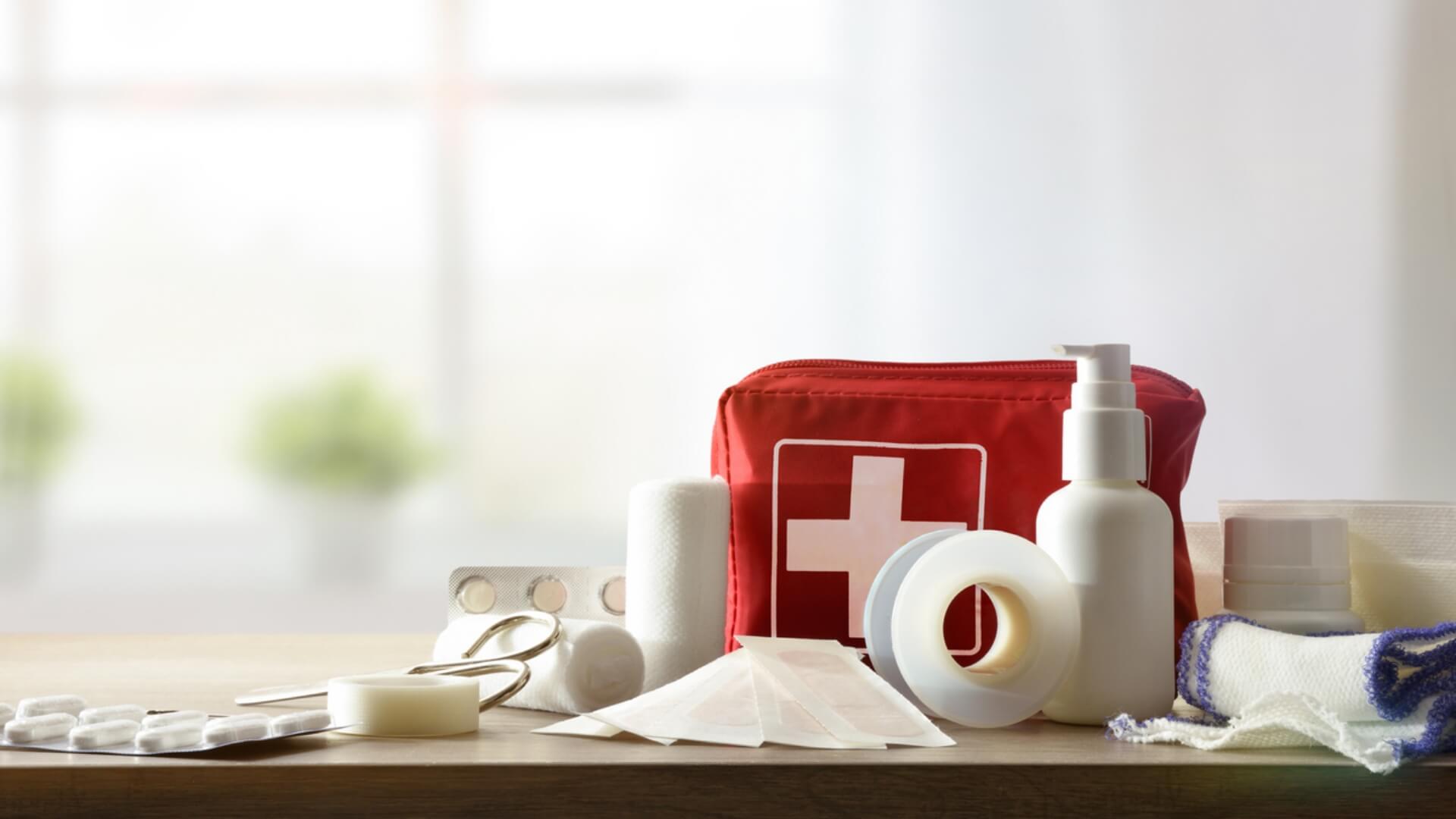
Your church’s first aid kit should have essential items from the American Red Cross. This way, you’ll be ready for unexpected emergencies.
- Antacid
- Antibiotic ointment
- Antiseptic solution (e.g., hydrogen peroxide)
- Antiseptic wipes
- Aspirin
- Bandages in different shapes and sizes
- Blanket
- Cold compress
- CPR breathing barrier mask
- Disposable Gloves
- Eye Protection
- First aid instructions for volunteers
- Gauze pads of various sizes
- Large trauma dressings
- Oral thermometer
- Petroleum jelly
- Scissors
- Tweezers
- Tongue Depressors
- Tourniquet
Along with a basic first aid kit, it’s smart to keep a stop-the-bleed kit available. Standard supplies work for minor injuries. A bleeding control kit is for severe cases. It helps manage heavy bleeding quickly.
- Chest seals
- Emergency trauma dressings
- Tourniquets
- Trauma shears
- Wound-packing gauze
These supplies are crucial for safety. Today, it’s more important than ever to keep them on hand.
First-Aid Kit vs. Disaster Survival Kit
While both are essential for safety, a first-aid kit and a disaster survival kit serve very different purposes. A first-aid kit is designed to handle immediate medical issues, from minor scrapes to more serious injuries. A disaster survival kit, on the other hand, is built to sustain your congregation for several days when essential services are unavailable. Understanding the distinction is the first step in preparing your church for any situation, ensuring you have the right tools for the right emergency.
Treating Immediate Injuries
A first-aid kit is your go-to resource for treating injuries on the spot. Its purpose is to manage medical emergencies until professional help can take over. Think of it as the immediate response tool for everything from cuts and burns to sprains and allergic reactions. A good first aider remains calm, assesses the situation, and acts decisively to reduce danger. Having a well-stocked first-aid kit on hand empowers your response team to provide effective care, stabilizing the situation and offering comfort to the injured person.
Sustaining Your Congregation During a Disaster
A disaster survival kit is designed for long-term self-sufficiency. In the event of a natural disaster like a hurricane, flood, or earthquake, your church might become a temporary shelter for your members and community. Emergency services could be overwhelmed and unable to reach you for days. The goal is to have enough essential supplies to keep everyone safe, fed, and hydrated for an extended period. Experts recommend you plan to have enough food, water, and other necessities to last for at least three to seven days.
Core Survival Supplies
When building your disaster kit, start with the absolute essentials for survival. These core supplies focus on basic human needs: hydration, nutrition, and protection from the elements. Without these items, any emergency situation can quickly become much more dangerous. Make sure your kit is stored in an accessible location that is easy for your emergency response team to find when it’s needed most.
Water and Food
Water is the most critical item in your survival kit. You should store at least one gallon of water per person, per day, and aim for a three-to-seven-day supply. For food, focus on non-perishable items that don’t require cooking or refrigeration. Canned goods, dried fruit, protein bars, and peanut butter are excellent choices. Remember to include a manual can opener and disposable utensils. Also, check expiration dates annually and replace items as needed to keep your kit fresh and ready.
Lighting, Warmth, and Shelter
A power outage can make a difficult situation even more challenging. Include multiple flashlights and extra batteries in your kit. Avoid candles, as they can be a fire hazard. For warmth, pack blankets or sleeping bags for every person. Emergency Mylar space blankets are a great lightweight and compact option. To create a temporary shelter within your facility, include plastic sheeting and duct tape, which can be used to seal windows or create partitioned-off spaces for privacy and protection.
Emergency Communication and Tools
During a widespread disaster, communication lines are often down, and basic utilities may be shut off. Having the right tools to stay informed, contact help, and manage your immediate environment is crucial. These items don’t take up much space but can make a significant difference in your ability to respond effectively and keep everyone safe while you wait for conditions to improve.
Emergency Radio and Cell Phone Chargers
Staying informed is critical during an emergency. A battery-powered or hand-crank radio will give you access to updates from the NOAA Weather Radio and local authorities. Since cell service may be spotty, a phone is not always reliable for communication, but it can be a vital tool. Pack portable chargers and backup batteries to keep your phones powered as long as possible so you can call for help or access downloaded maps and documents.
Tools to Shut Off Utilities and Signal for Help
Simple tools can be invaluable in a disaster. A wrench or pair of pliers can be used to turn off water or gas lines to prevent further damage or danger. You should ensure your response team knows how and when to do this safely. A whistle is also a simple but effective tool. A loud whistle can be used to signal for help, making it easier for first responders to locate you if you are trapped or isolated.
Fire Safety Equipment
Every emergency kit should include a fire extinguisher. In the chaos following a disaster, the risk of fire can increase due to damaged gas lines, electrical issues, or improper use of emergency lighting and heating sources. Make sure you have a general-purpose ABC fire extinguisher and that your team members know how to use it properly. Regular inspection and maintenance of your church’s fire extinguishers are also key components of your overall safety plan.
Health, Hygiene, and Safety Items
Maintaining health and hygiene is essential for preventing the spread of illness, especially when people are in close quarters for an extended period. A disaster can also expose you to environmental hazards. Including items that protect your physical health and well-being will help keep your congregation safe and comfortable while you weather the storm.
Dust Masks and Personal Hygiene
After a disaster, the air can be filled with dust and other contaminants. A simple dust mask for each person can help filter the air and make breathing safer. Personal hygiene is also a priority. Pack moist towelettes, soap, garbage bags, and plastic ties for personal sanitation. If your church has a large congregation, consider adding a portable camp toilet and feminine hygiene supplies to your kit to maintain sanitary conditions.
Prescription Medications and Extra Clothing
Encourage your congregation members who may need to shelter at the church to have a personal “go-bag” with their own essential items. However, your church’s main kit should include a supply of any necessary prescription medications for staff, as well as non-prescription pain relievers and anti-diarrhea medication. It’s also wise to have extra sets of clothing, including sturdy shoes, socks, and rain gear, to help people stay warm, dry, and protected.
Important Documents and Finances
In the aftermath of a disaster, access to personal information and financial resources is vital for recovery. While you can’t prepare for every individual’s needs, your church can have key documents and resources on hand to manage its own operations and assist others. These items are crucial for making decisions and taking action once the immediate danger has passed.
Copies of Personal Documents
Keep digital and physical copies of important church documents in a waterproof and fireproof container. This includes insurance policies, bank account records, building deeds or leases, and contact lists for staff and congregation members. Having this information readily available will streamline the recovery and insurance claims process. Store digital copies on a password-protected cloud server or an encrypted USB drive for easy access from anywhere.
Cash and Local Maps
During a widespread power outage, credit card systems and ATMs will not work. It’s essential to have a supply of cash, including small bills, to purchase necessary supplies once stores reopen. Technology can also fail, so don’t rely solely on GPS for directions. Keep physical copies of local maps in your kit. These can be critical for finding evacuation routes, locating nearby shelters, or directing emergency services to your location if needed.
Setting Up an AED Program at Your Church
Every church should have basic first aid supplies. It’s also important to keep an automated external defibrillator (AED) available. An AED can save lives during sudden cardiac arrest. It delivers a safe shock that helps the heart return to a normal rhythm.
An AED is vital for any church. Cardiac arrest can be deadly in just minutes. Waiting just for emergency responders can take too long. Survival rates drop quickly with every minute that passes. An AED provides clear voice instructions and CPR prompts. You can provide life-saving help, even without medical training, until professionals arrive.
Your church needs a full AED program. Many states require medical oversight for these devices. Routine inspections and maintenance are key. They keep the AED functional and compliant at all times.
The simplest solution is to purchase a complete AED package designed for churches. These bundles usually come with a ZOLL AED Plus, pads, and a battery. They also include a cabinet, carry case, signage, and basic first aid items. Need help picking the best AED for your church? Check out our detailed guide!
Where Should You Store Your First Aid Equipment?
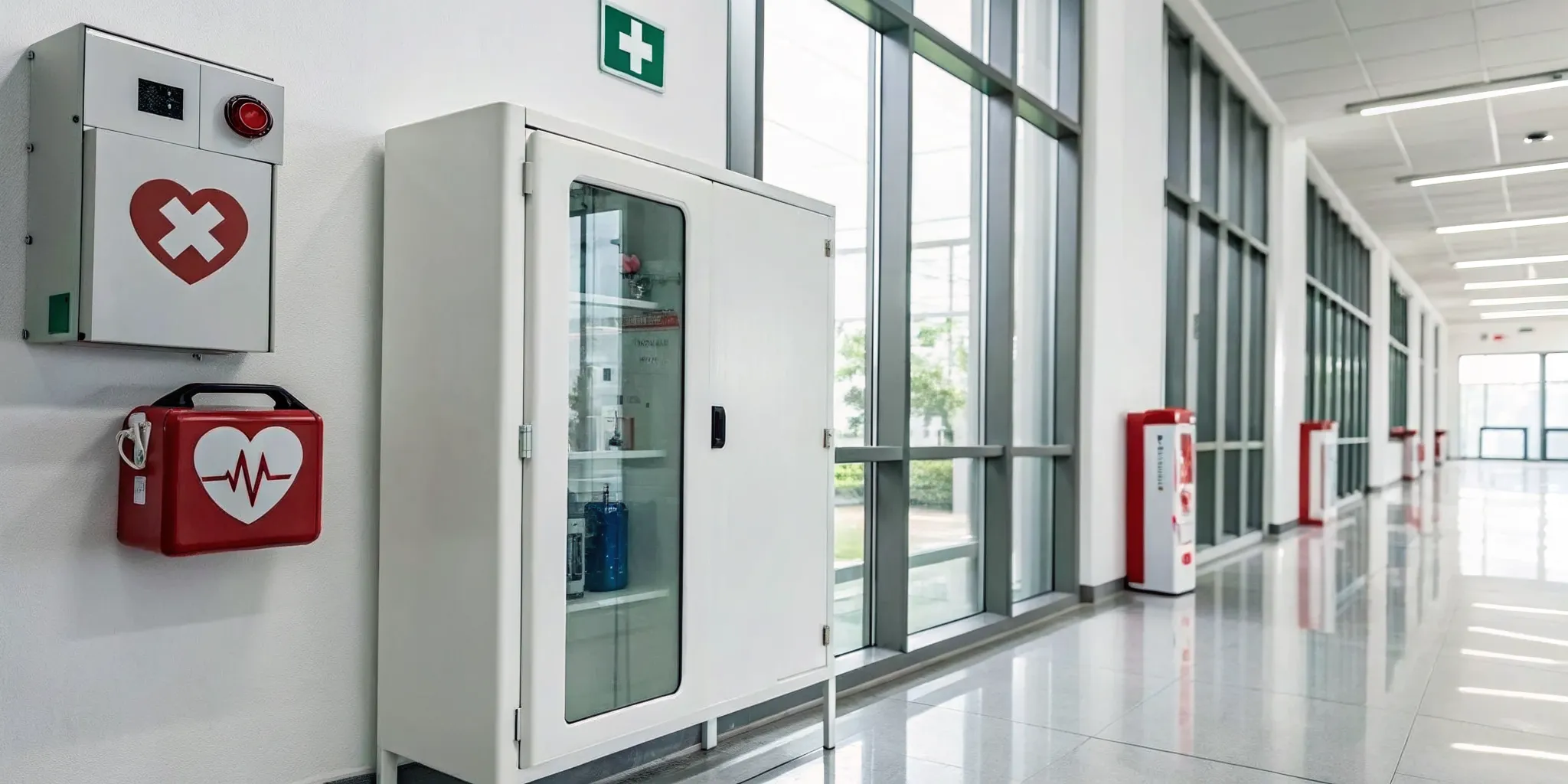
Keep AEDs and first aid supplies nearby. They should be reachable within three minutes during an emergency. Put them in easy-to-reach spots like an office, sacristy, or kitchen for quick access. Also, keep them out of damp places like restrooms to protect the equipment.
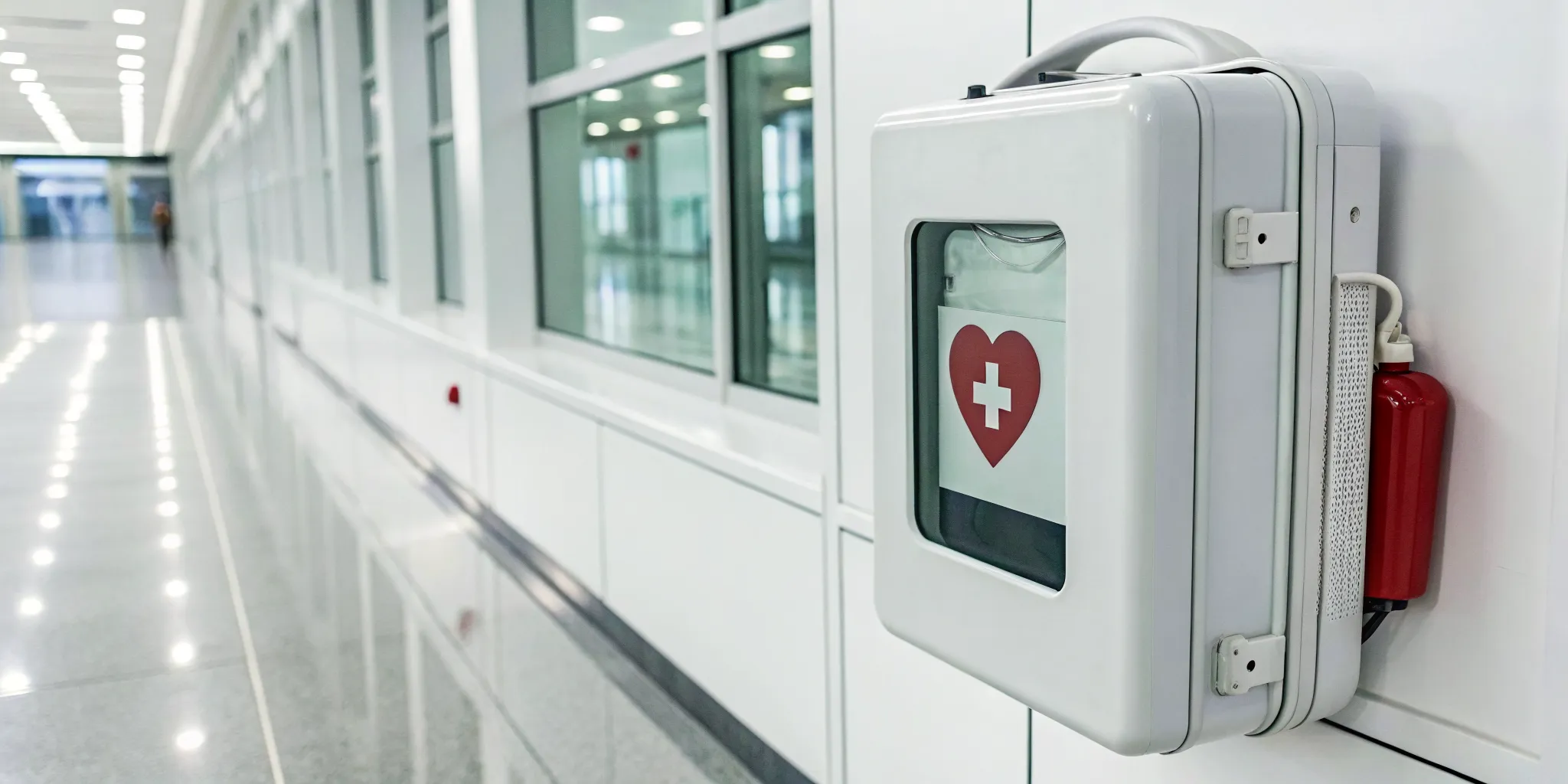
Install the AED cabinet in a visible and easy-to-reach spot. Good places include the sanctuary, main entrance, or a central hallway. In a medical emergency, a bystander may need to help if no trained first aider is around. Keeping the device in busy areas helps ensure a quicker response.
Larger church campuses or megachurches may need multiple first aid kits and AEDs for full coverage. Storing supplies in the main sanctuary and other buildings allows for quick access. The three-minute response rule helps figure out how many units are needed.
Maintaining and Customizing Your Emergency Kits
Once you’ve assembled your first aid kits, the work isn’t over. A kit is only useful if its contents are ready to go when you need them. Regular maintenance and thoughtful customization ensure your church is prepared for the specific needs of your community. This means routinely checking supplies, storing them correctly, and tailoring kits for different groups and locations. Taking these extra steps transforms a simple box of bandages into a reliable lifeline that protects every member of your congregation, from the youngest children to the oldest adults.
Establish a Regular Maintenance Schedule
Emergency supplies don’t last forever. Medications, ointments, and even adhesive bandages have expiration dates. Batteries in devices like flashlights and AEDs lose their charge over time. To ensure everything is effective, set a recurring date on your calendar—at least twice a year—to review every kit. During this check, replace any expired items, restock anything that has been used, and check that batteries are fresh. This process can be time-consuming, which is why many organizations rely on an AED program management service to handle the compliance and readiness checks automatically, ensuring life-saving equipment is always ready for use without adding another task to your plate.
Proper Storage Techniques
How you store your emergency supplies is just as important as what you put in them. To protect items from moisture, dust, and damage, Ready.gov recommends storing them in airtight plastic bags. Then, place these bags inside a larger, easy-to-carry container like a duffel bag or a portable plastic bin. This keeps everything organized, clean, and dry. It also makes the kit easy to grab and transport in a hurry. Avoid storing kits in places with extreme temperature fluctuations or high humidity, like a damp basement or a hot attic, as this can degrade the supplies and shorten their lifespan.
Personalize Kits for Your Congregation’s Needs
Every church community is unique, and your emergency kits should reflect that. A generic, off-the-shelf kit is a great starting point, but true preparedness comes from considering the specific people you serve. Think about the demographics of your congregation. Do you have a thriving nursery, an active youth group, or a large number of older adults? Each group has distinct needs that should be addressed in your planning. Customizing your kits ensures you can provide the best possible care for everyone in an emergency, showing that you’ve thought about their individual well-being.
Supplies for Infants and Children
If your church has a nursery or children’s ministry, create a dedicated kit for their needs. This kit should include items like baby formula, diapers, wipes, and bottles. It’s also wise to include non-prescription medications appropriate for children, such as pain relievers or allergy medicine, along with any necessary measuring devices. Having these supplies on hand means you can care for your youngest members without needing to ask parents to retrieve items from their cars or diaper bags during a stressful situation.
Considerations for Older Adults and People with Disabilities
Your emergency plan should also account for older adults and individuals with disabilities. Consider adding items like extra batteries for hearing aids or other assistive devices. A communication card, which explains the best way to communicate with someone who is deaf or hard of hearing, can be invaluable. It’s also a good idea to have a list of emergency contacts and any critical medical information for vulnerable members, stored securely and accessibly, to ensure they receive appropriate and timely care.
Prepare Kits for Different Locations
A single first aid kit is rarely enough, especially for a busy church with multiple buildings or off-site activities. Emergencies don’t always happen conveniently next to the church office. To be truly prepared, you should have well-stocked kits in several key locations. This strategy ensures that no matter where an incident occurs—in the main sanctuary, the fellowship hall, a classroom, or even on the road—help is always within reach. A distributed approach shortens response times and improves outcomes when every second counts.
Your Church Building
Within your main church building, first aid kits and AEDs should be accessible within a three-minute walk from any location. Place them in high-traffic, visible areas like the main lobby, kitchen, and fellowship hall. Don’t hide them in a locked closet or a back office where they’re hard to find. Using clear signage helps everyone, including visitors, locate the equipment quickly. For larger campuses, each building should have its own designated and fully stocked first aid station to meet this critical three-minute response window.
Vehicles and Off-Site Events
Your duty of care extends beyond the church walls. Any church-owned vehicle, whether it’s a van for youth trips or a bus for senior outings, should have its own dedicated emergency kit. The Mayo Clinic suggests keeping a portable kit in your car, and the same logic applies here. This kit should be checked and restocked just as regularly as the ones inside the building. Having a kit on hand during off-site events ensures your team is prepared to handle minor injuries or a major emergency, no matter where your ministry takes you.
Your Church First Aid Questions, Answered
Every church event, like a service, study group, or youth activity, should have a first aider. This person will be the main contact for health issues. During an emergency, staff and volunteers need to know exactly who to alert. If an injury occurs in a youth program, the leader must quickly find a trained responder in the main sanctuary for immediate care.
When a first aider responds to an incident, they must fill out and sign an incident report. This report should document the key details of the situation. This record ensures accurate documentation and supports any necessary follow-up afterward.
- The date, time, and location of the response
- The name and contact information of the person treated
- A detailed description of the injury or illness
- A detailed description of the treatment or intervention provided
- A detailed description of the circumstances surrounding the injury or illness
- A list of eyewitnesses or other individuals who aided in the treatment
- The signature of the person or persons who provided the intervention
- The signature of the individual who received the treatment (if possible)
After finishing the report, submit it quickly to church leaders. Add it to the official records for proper documentation.
Why Is a First Aid Plan So Important?
Creating a church first aid policy is simple, but many congregations forget to do it. A kit alone isn’t enough. What really matters is a clear plan backed by trained people who know how to respond. When your team is ready, they can confidently manage illnesses or injuries.
An effective church first aid policy starts with key equipment. This includes a well-stocked kit and a portable defibrillator. Choose reliable people to run the program. Write down the policy to ensure consistent care and training. With these tools, your team can handle minor injuries and sudden medical emergencies. Being ready can really make a life-saving difference.
FAQs
Why do churches need a first-aid policy?
A first aid policy lets churches act fast and with confidence during emergencies. It provides structure and cuts down confusion. This way, leaders and volunteers know what to do if someone gets sick or hurt.
Who should be responsible for managing first aid in a church?
Every church should assign trained individuals to oversee its first-aid procedures. These first-aiders handle equipment, support emergency response, and keep the program organized. Larger congregations may need many people to ensure full coverage.
What qualities make someone a good first-aider?
A strong first aider stays calm. They use good judgment, act quickly, and help others stay composed. They also need to know where essential equipment is kept and how to use it properly.
Do backup volunteers need medical training?
Backup volunteers may not need full CPR or life-support certification. Still, they should know where to find emergency supplies. They must understand the church’s safety procedures and who to contact in a crisis.
Should every church service have a first-aid volunteer present?
Yes. At Sunday services, Mass, youth events, or study groups, a trained first aider or a contact should be close by. This way, help can arrive quickly if someone needs medical attention.
Prepared to Care for Your Community
A strong first aid policy is one of the most important safety measures a church can put in place. With the right tools, trained responders, and clear procedures, your congregation is safer. This helps in both minor injuries and serious emergencies. Preparation builds confidence, reduces panic, and ensures quick help for those in need. Planning ahead makes your church safer for all members, visitors, and volunteers.
Key Takeaways
- Create a formal policy and a response team: Your plan is only as good as your people, so designate trained, reliable first aiders for all church gatherings and document your emergency procedures to ensure a consistent response.
- Equip your church for different emergencies: Go beyond a simple box of bandages by preparing a standard first aid kit for immediate injuries, a disaster survival kit for long-term events, and a managed AED program for cardiac arrest.
- Keep life-saving equipment visible and maintained: Store first aid kits and AEDs in high-traffic areas for quick access, and conduct regular checks to restock supplies and replace expired items so your kits are always reliable.
Related Articles
Disclaimer for information purposes only:
The information provided on this website is intended for general educational and informational purposes only. It is not medical advice and should not be used as a substitute for professional diagnosis, treatment, or care. Always consult a qualified healthcare or medical professional regarding any health-related questions or concerns.
While we strive to ensure the information shared is accurate and up to date, no guarantees are made regarding completeness, accuracy, or applicability to any individual situation. Use of this content is at the reader’s sole discretion and risk.
This website is part of the Response Ready family of emergency preparedness and training resources, including CPR & first aid training and compliance services, AED sales and program support, AED program management software, and medical oversight solutions provided through our affiliated platforms:
• CPR1.com
• AEDLeader.com
• ResponseReady.com
• MDSIMedical.com
By accessing or using this website, you agree to release, indemnify, and hold harmless the website owners, authors, contributors, and affiliated entities from any claims, losses, damages, or liabilities arising from the use or reliance on the information presented.