An AED with an expired battery is no better than an empty cabinet on the wall. The success of your emergency response program hinges on one simple fact: the device must be ready to work at a moment’s notice. While buying an AED is a straightforward transaction, ensuring its constant readiness is an ongoing commitment. This is the fundamental difference between various AED providers. Some will sell you the equipment and leave the rest to you, while others provide a complete, managed solution that includes remote monitoring, automated supply replenishment, and compliance oversight. This article will explore the key services and features to look for in a provider to guarantee your life-saving investment is always protected and prepared.
Key Takeaways
- Look Beyond the Device for True Readiness: An effective AED program is more than just hardware. Partner with a provider who offers full program management to handle ongoing maintenance, supply tracking, and readiness checks, ensuring your device works when you need it most.
- Budget for the Long Haul, Not Just the Purchase: The initial price of an AED is only part of the story. Factor in the long-term costs of replacing batteries and pads, plus the time for inspections, to understand the true investment in your safety program.
- Prioritize Expert Compliance to Reduce Risk: AED laws are complex and vary by state. Choosing a provider with deep expertise in compliance and medical oversight is the best way to protect your organization from liability and ensure your program is legally sound.
What is an AED Provider (And Why Does It Matter)?
Choosing an AED provider is one of the most important decisions you’ll make when setting up your organization’s emergency response plan. It’s not just about buying a piece of equipment; it’s about establishing a partnership that ensures your device is ready to save a life when seconds count. The right provider offers more than just a transaction—they deliver confidence and peace of mind through ongoing support and management. Understanding the difference between a simple retailer and a true program partner is the first step toward building a compliant and effective AED program that protects your people and your organization.
What Does an AED Provider Do?
At its most basic level, an AED provider is a company that sells automated external defibrillators and the necessary accessories to keep them functional. Think of them as your go-to source for the hardware itself. Most providers offer a range of AEDs from major brands like ZOLL, Philips, and HeartSine, allowing you to find a device that fits your specific environment and budget. Beyond the main unit, they also stock essential supplies like replacement electrode pads and batteries, which have expiration dates and need to be replaced periodically. A provider equips you with the physical tools needed for a cardiac emergency response, making them the first stop in setting up your program.
Why Program Management is Key
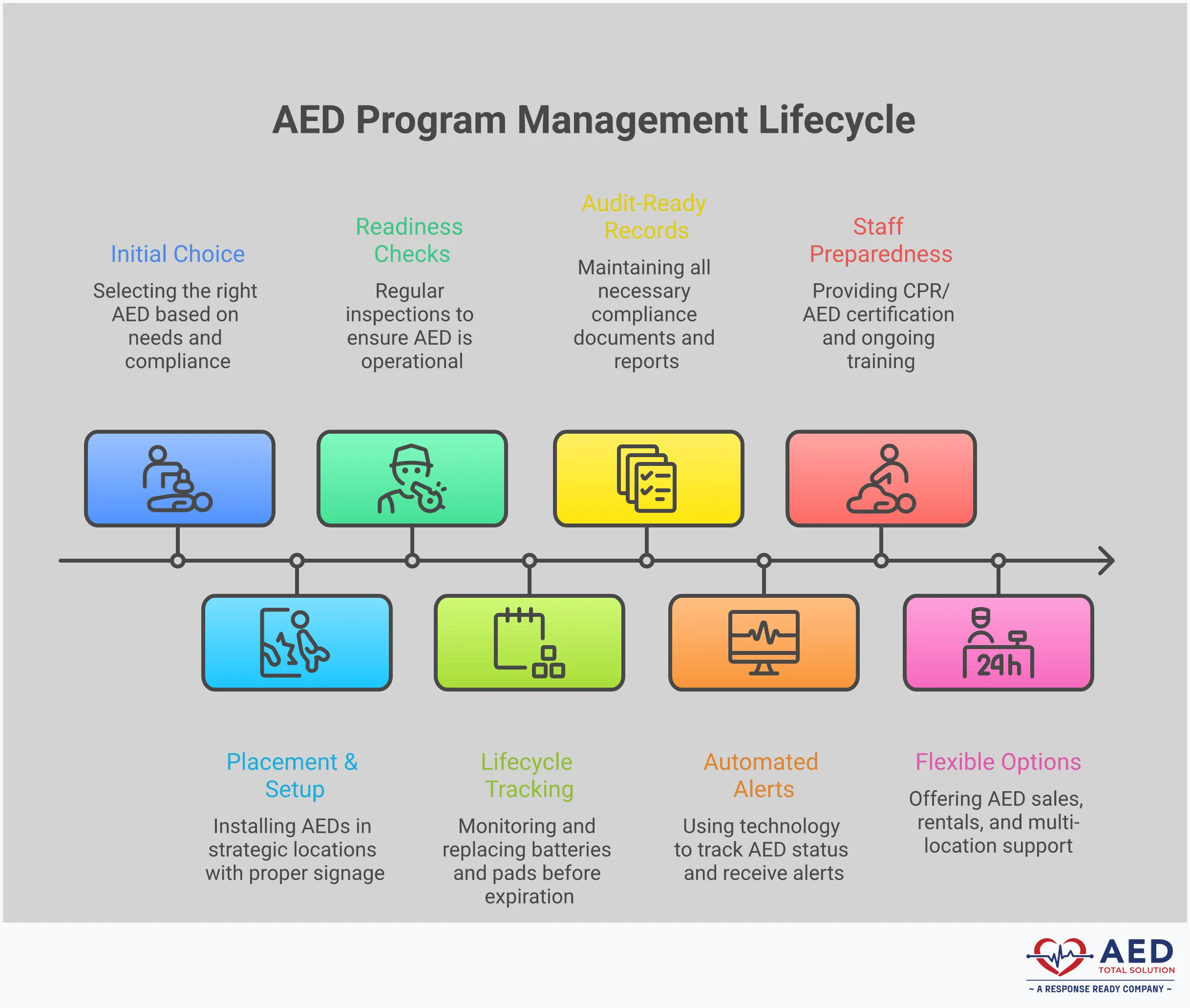
Simply purchasing an AED and mounting it on a wall isn’t enough to protect your organization or the people in it. An AED is a medical device that requires ongoing attention to ensure it’s ready when an emergency strikes. This is where program management comes in. A great provider does more than just sell you a box; they offer services to help you manage the entire lifecycle of your device. This includes tracking battery and pad expiration dates, performing routine inspections, and ensuring you meet state and local compliance laws. While some providers offer basic tracking software, a full-service program combines that technology with expert oversight, giving you a dedicated team to actively manage your AEDs and ensure they are always response-ready.
A Look at the Top AED Providers
Choosing an AED isn’t just about the device itself; it’s about the support and reliability that come with it. Different providers offer unique strengths, from advanced hardware features to comprehensive program management. Let’s walk through some of the top names in the industry so you can find the perfect fit for your organization’s needs.
AED Total Solution
When you’re looking for more than just a device, a full-service program is the way to go. AED Total Solution stands out by combining management software with expert human oversight. This means a dedicated team is actively involved in managing every aspect of your AED program, from tracking expiration dates to ensuring compliance with state laws. Instead of just getting alerts, you get a partner who follows through on every critical task. This white-glove approach is ideal for organizations that need to manage multiple devices across different locations or simply want the peace of mind that comes with knowing their program is always ready and audit-proof. It removes the administrative burden and guesswork, letting you focus on your core operations.
Philips AEDs
Philips is a name that’s been trusted in the medical device field for a long time, and their AEDs are no exception. Brands like Philips have a solid history in the market, known for producing dependable and easy-to-use devices. Their HeartStart line, for example, is designed for ordinary people in extraordinary moments, with clear voice instructions that guide the user through every step of the process. Because of their reliability and straightforward design, Philips AEDs are a popular choice for offices, schools, and community centers. They provide a strong sense of security, backed by a brand with a long-standing reputation for quality and innovation in healthcare technology.
ZOLL AEDs
ZOLL is known for its focus on high-quality CPR, which is a critical part of a successful rescue. Their AEDs, like the AED Plus, feature Real CPR Help® technology that gives you real-time feedback on the depth and rate of your chest compressions. This coaching can make a huge difference for a lay rescuer who might be nervous in an emergency. As one of the top options on the market, ZOLL AEDs are tailored for different environments, from corporate offices to rugged industrial sites. If you want an AED that not only delivers a shock but also actively helps the rescuer perform better CPR, ZOLL is an excellent choice to consider.
HeartSine AEDs
If you need a compact, lightweight, and user-friendly device, HeartSine is a fantastic option. Known for their practical design, HeartSine AEDs are incredibly portable and easy to store, making them a great fit for public spaces, mobile response teams, and private settings alike. One of their standout features is the integrated Pad-Pak™, which combines the battery and electrode pads into a single, easy-to-replace cartridge. This simplifies maintenance by giving you just one expiration date to track. With clear visual and voice prompts, these devices are designed to be intuitive for users of all experience levels, ensuring anyone can step in to help during a cardiac emergency.
Physio-Control AEDs
Physio-Control, now part of Stryker, has a reputation for building robust, professional-grade AEDs. Their LIFEPAK series is recognized for its advanced technology and reliability, and it’s a brand you’ll often see used by paramedics and in hospital settings. For businesses that want that same level of professional-grade equipment, the Physio-Control LIFEPAK CR2 is an excellent choice. It features layered, easy-to-follow instructions and cprINSIGHT™ analysis technology, which allows chest compressions to continue while the AED analyzes the heart rhythm. This reduces pauses in CPR and can improve outcomes. Physio-Control is a top pick for those who prioritize advanced features and rugged durability.
Defibtech AEDs
When budget and simplicity are top priorities, Defibtech delivers. Praised for their affordability and straightforward operation, Defibtech AEDs are a popular choice for businesses, schools, and community organizations looking to implement an effective AED program without a massive investment. Their Lifeline series is known for its bright, highly visible design and simple two-button interface, which helps reduce confusion during a high-stress event. These devices are built to be durable and reliable, offering all the essential features needed to respond to a sudden cardiac arrest. Defibtech proves that you don’t have to sacrifice quality for affordability, making life-saving technology accessible to more organizations.
Key Features to Look for in an AED
Choosing an automated external defibrillator (AED) isn’t just about buying a box and mounting it on the wall. The device you select needs to be reliable, easy for a layperson to use in a high-stress situation, and suited for your specific environment. Whether your AED will live in a quiet office, a bustling school, or a rugged construction site, certain features make a significant difference in its effectiveness and your ability to manage it.
Think of it like this: the AED itself is the tool, but its features determine how well that tool can be used when it matters most. From the clarity of its instructions to its ability to self-monitor, every detail plays a role in a successful rescue. As you explore your options, focus on the features that will give your team the confidence to act and give you the peace of mind that your device is ready to perform. Below, we’ll walk through the most important features to consider so you can make an informed decision for your organization.
Ease of Use and Voice Prompts
In a cardiac emergency, the person responding is often a coworker or bystander with little to no medical training. They’re going to be stressed, and simplicity is everything. The best AEDs are designed for exactly this scenario, with clear, calm voice prompts that guide the user through every step, from applying the electrode pads to standing clear before a shock. Many devices also include simple diagrams on the unit and pads to eliminate guesswork. Look for an AED that is intuitive from the moment you open it. Brands like Philips and Physio-Control have built their reputations on creating dependable, user-friendly devices that anyone can operate. When you shop for an AED, prioritize a model that feels straightforward and easy to follow.
Battery Life and Maintenance
An AED with a dead battery or expired pads is nothing more than a piece of plastic. That’s why battery life and maintenance requirements are critical features to evaluate. Every AED requires routine checks to ensure it’s ready to function, but the frequency and complexity of these checks can vary. Some models have batteries and pads that last up to five years, while others need more frequent replacement. More importantly, you need a reliable system for tracking these expiration dates. Monitoring and maintaining your device is a key part of regulatory compliance and ensures your AED will work when called upon. An AED with a long-lasting battery and a straightforward maintenance schedule simplifies your program management significantly.
Portability and Durability
Consider where your AED will be located. An AED in a corporate office has very different needs than one in a police vehicle or at a poolside. Portability and durability are essential. Look at the device’s weight and size—will it be easy to grab and carry to the scene of an emergency? Also, check its IP (Ingress Protection) rating, which tells you how resistant it is to dust and water. A higher IP rating is crucial for AEDs used outdoors or in industrial settings. The device should be built to withstand a drop and keep functioning. A durable, portable AED ensures that your life-saving investment is protected and ready to go wherever it’s needed.
CPR Coaching and Feedback
We know that a shock from an AED is critical for certain heart rhythms, but high-quality CPR is just as important for survival. Many modern AEDs now include CPR coaching features to help the rescuer. These devices provide real-time feedback, using a metronome to guide the right compression rate and voice prompts to encourage the correct depth. This technology helps a nervous responder deliver more effective CPR, which can dramatically improve the victim’s chance of survival. When evaluating AEDs, consider a model with CPR feedback. It’s a feature that can turn a willing bystander into a more effective first responder. You can learn more about device features on our FAQ page.
Connectivity and Monitoring
One of the biggest challenges of managing an AED is knowing it’s ready at all times. Advanced AEDs solve this problem with Wi-Fi connectivity and remote monitoring. These smart devices can run their own daily, weekly, and monthly self-tests and automatically report their readiness status to a central management platform. If the battery is low, the pads are expiring, or the device fails a self-check for any reason, it sends an immediate alert. This technology removes the risk of human error associated with manual inspections and provides confidence that your AED is fully functional. These program management solutions are the best way to ensure your device is always prepared for an emergency.
Breaking Down the Cost of an AED
When you’re ready to invest in an AED, one of the first questions you’ll have is about the price. The initial cost of the device is important, but it’s only one piece of the financial puzzle. Understanding the full picture—from the upfront purchase to long-term maintenance—helps you budget effectively and ensures your device is always ready for an emergency. Think of it less as a one-time purchase and more as a long-term investment in the safety of your team and visitors.
The good news is that there are options for every budget. Whether you’re buying a single device for a small office or outfitting multiple locations, knowing what to expect financially will help you make a confident and responsible choice. Let’s walk through the different costs associated with owning an AED.
Price Ranges by Brand and Model
The upfront cost of a new AED typically ranges from about $1,200 to over $2,500. This price depends on the brand, model, and specific features, such as CPR feedback technology or bilingual capabilities. For example, a basic, user-friendly model designed for a public space might be on the lower end, while a more advanced device for medical professionals could be at the higher end. You can explore different AED models to see how features and prices compare. This initial purchase usually includes the device itself, one set of electrode pads, and a battery, getting you started with the essentials.
Factors That Influence Cost
Several key factors determine the final price tag of an AED. One of the biggest is whether you choose a new or a professionally refurbished unit. Recertified AEDs are a great budget-friendly option, often costing significantly less than new models. These devices have been thoroughly inspected, tested, and updated to meet manufacturer standards, offering a reliable alternative without the brand-new price. Additionally, the cost can be affected by package deals that bundle the AED with essential accessories like a wall cabinet, carrying case, and emergency response kit. Finally, the length and comprehensiveness of the warranty can also play a role in the overall cost.
What is the Total Cost of Ownership?
The price on the sticker isn’t the final cost. To get a true sense of the investment, you need to consider the total cost of ownership over the device’s lifetime, which is typically 8 to 10 years. This includes recurring expenses for replacing electrode pads (every 2-4 years) and batteries (every 2-5 years), which can cost several hundred dollars each. Beyond consumables, you also have to account for the time and resources needed for routine inspections, compliance documentation, and software updates. This is where comprehensive AED program management adds incredible value by handling these ongoing tasks and ensuring your device is always ready for use.
Services to Expect from Your AED Provider
Choosing an AED provider is about more than just buying a device; it’s about building a partnership to support your emergency preparedness program. The right provider acts as an extension of your team, offering a suite of services designed to ensure your AED is always ready, your staff is confident, and your organization is protected. From initial training to ongoing compliance, these services remove the guesswork and administrative burden of managing an AED. When you’re evaluating potential partners, look for comprehensive support that covers the entire lifecycle of your device.
Training and Certification
An AED is only effective if your team feels prepared to use it. That’s why leading providers offer more than just hardware; they provide access to crucial training and certification programs. These courses typically cover CPR/AED use and First Aid, giving your employees the skills and confidence to act decisively during an emergency. Many providers offer flexible training options, including online modules and in-person sessions, to fit your team’s schedule. A provider who prioritizes education helps you build a culture of safety and ensures your investment in an AED can truly make a difference when it matters most.
Maintenance and Inspections
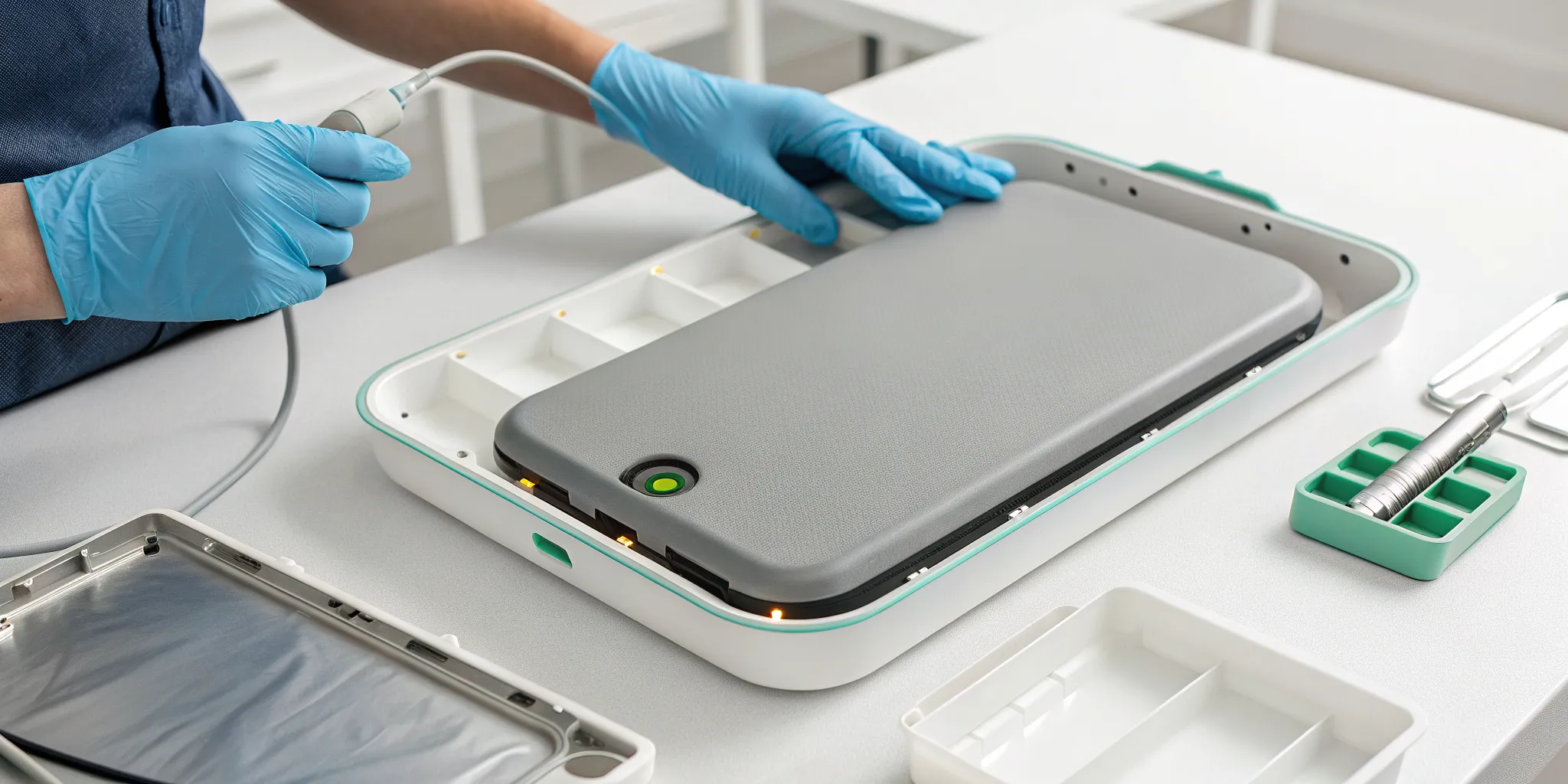
An AED requires regular attention to stay response-ready. A top-tier provider will offer robust maintenance and inspection services to manage this for you. This includes tracking and replacing expired electrode pads and batteries, performing routine device checks, and managing any manufacturer recalls. This proactive oversight ensures your device functions correctly and eliminates the risk of it failing during a critical moment. By handing over the responsibility for maintenance, you can focus on your core operations with the confidence that your AED program is in expert hands.
Program Management Solutions
Comprehensive AED program management is the cornerstone of a reliable emergency response plan. This service goes beyond simple tracking software by combining technology with expert oversight. A full-service provider manages every aspect of your program, from initial device placement and registration to ongoing readiness monitoring and documentation. This white-glove approach ensures every task is completed correctly and on time, which is especially valuable for organizations managing devices across multiple locations. It provides a single source of truth for your entire program, keeping you organized and prepared.
Compliance and Documentation Support
Navigating the web of federal, state, and local AED regulations can be complex. A knowledgeable provider offers essential compliance and documentation support to keep your program on the right side of the law. This includes helping you understand state-specific AED laws, registering your device with local EMS, and maintaining meticulous records for potential audits. Proper documentation not only ensures you meet legal requirements but also strengthens your protections under Good Samaritan laws. This support is key to reducing liability and giving you peace of mind.
Staying Compliant: What to Know About AED Regulations
Owning an AED is a major step toward protecting your employees and visitors, but the responsibility doesn’t end once the device is mounted on the wall. A web of federal, state, and local regulations governs how AEDs must be managed. These rules are in place to ensure every device is ready to function correctly during an emergency and to protect organizations from liability. Staying on top of these requirements can feel like a full-time job, as they cover everything from device registration and routine maintenance to staff training and medical oversight.
Failing to comply isn’t just a documentation issue; it can have serious consequences. An uninspected AED with an expired battery is a liability waiting to happen. That’s why understanding the key regulatory areas is so important. While the specifics can vary, most compliance frameworks focus on three core areas: state-specific laws that dictate local requirements, OSHA guidance for workplace safety, and the need for medical oversight to ensure your program follows established protocols. A comprehensive program management solution helps you handle these complexities so you can focus on running your business with confidence.
State-Specific AED Laws
One of the trickiest parts of AED compliance is that the rules change as soon as you cross state lines. There is no single federal law that standardizes AED requirements, so each state has its own set of statutes. For example, some states have very detailed mandates. As noted in the California AED Statutes and Regulations, the state “requires maintenance of AEDs along with AED placement reporting and regulatory compliance requirements on AED owners.” This means organizations there must not only maintain their devices but also report where they are located. Other states might have different rules about signage, registration with local emergency services, or requirements for post-event reporting. It’s critical to know exactly what your state demands to remain compliant and protected by Good Samaritan laws.
OSHA Workplace Guidance
While the Occupational Safety and Health Administration (OSHA) doesn’t have a specific standard that forces all employers to have an AED program, it strongly encourages them as part of a comprehensive first-aid and emergency response plan. According to guidance from the American Heart Association, it’s important for organizations to implement AED programs so that defibrillation can be delivered within three to five minutes of a collapse. This aligns with OSHA’s General Duty Clause, which requires employers to provide a workplace free from recognized hazards. Sudden cardiac arrest is a life-threatening hazard, and having a well-managed AED program is a clear, actionable step toward protecting your team and ensuring a safer work environment for everyone.
Medical Oversight Requirements
An effective AED program isn’t just about having the right hardware; it also requires medical direction. This is known as medical oversight, where a licensed physician oversees your program to ensure it aligns with medical best practices. This physician doesn’t need to be on-site, but they are responsible for providing guidance and signing off on your emergency response protocols. As federal guidelines explain, “The protocol for AED usage that is developed as part of a facility’s PAD program is an integral part of the physician’s medical oversight and serves as the authorizing document for AED use.” This oversight ensures your program is medically sound, effective, and compliant, which is often a prerequisite for liability protection under state Good Samaritan laws.
Common Challenges in Managing an AED Program
Having an AED on-site is a critical first step, but the real work lies in managing the program effectively over the long term. Many organizations find that keeping their AEDs response-ready involves more moving parts than they initially expected. From routine maintenance to complex state laws, several common hurdles can turn a well-intentioned safety measure into a significant compliance risk. Understanding these challenges is key to building a program that is not only compliant but truly effective when an emergency strikes. Let’s walk through some of the biggest obstacles you might face.
Tracking Maintenance and Inspections
An AED is only useful if it works. That’s why regular inspections and maintenance are non-negotiable. You have to track battery expiration dates, replace electrode pads, and perform routine readiness checks to ensure the device is functional. Forgetting a single check can leave you with a non-working device during a cardiac arrest emergency. Many states have specific AED statutes and regulations that mandate these maintenance schedules. Juggling these dates and keeping detailed logs for every device can quickly become a major administrative burden, especially for busy teams. Without a dedicated system, it’s easy for these critical tasks to fall through the cracks.
Overseeing Multiple Locations
The complexity of AED management multiplies when your organization has more than one location. If your sites are in different cities or states, you’ll have to contend with a patchwork of local and state laws, each with its own requirements for registration, maintenance, and signage. What’s compliant in one state may not be in another. Coordinating inspections, tracking supplies, and ensuring consistent training across a distributed workforce presents a huge logistical challenge. A centralized approach is essential for maintaining consistency and ensuring every location meets the right AED requirements, but building that system from scratch is a daunting task.
Ensuring Staff Training and Accountability
An AED is only as effective as the people trained to use it. The goal is to deliver a shock within three to five minutes of collapse, which requires confident and decisive action from your team. A successful AED program implementation includes initial and ongoing training so that responders feel prepared. But managing this can be tough. You have to track who has been trained, when their certifications expire, and how to handle staff turnover. Without clear accountability, you risk having an AED on the wall but no one ready or willing to use it when seconds matter most.
Preparing for Audits
Whether it’s for an internal safety review or an external compliance audit, you need to be able to prove your AED program is up to standard. This means having organized, accessible records for everything: device purchase dates, inspection logs, maintenance history, supply expiration dates, and staff training certificates. Pulling this documentation together can be a scramble if your records are scattered across spreadsheets, emails, and paper files. A well-documented program not only makes audits smoother but also demonstrates your organization’s commitment to safety and helps protect you from potential liability.
Exploring Financing and Support Options
The price tag on an AED is just one piece of the financial puzzle. While the initial hardware cost is a key consideration, a truly effective program requires ongoing support, maintenance, and compliance management to be successful. Thinking about the total cost of ownership from the start can save you headaches and unexpected expenses down the road. The good news is that you don’t have to handle a large, one-time capital expense to get started. Many providers offer flexible payment and service models that make implementing and managing an AED program much more accessible and predictable for your budget. These options bundle the device with the critical services needed to keep it rescue-ready, from tracking pad expiration dates to ensuring you meet state-specific regulations. By looking beyond the initial device cost and exploring options like leasing, rentals, and comprehensive service agreements, you can find a solution that ensures your AEDs are always compliant and ready for an emergency without straining your finances. This approach shifts the focus from just owning a device to maintaining a life-saving program.
Payment Plans and Leasing
Instead of a large upfront purchase, many organizations opt for a subscription or leasing model. This approach turns a significant capital expense into a manageable monthly operating cost. These plans often bundle the device with a full suite of program management services, including compliance checks, supply replenishment, and readiness monitoring. This gives you a turnkey life-saving system for a predictable fee. It simplifies budgeting and ensures you have a dedicated partner handling all the critical details, so you can focus on your core business knowing your AED program is in expert hands and always audit-ready.
Rental Options for Short-Term Needs
Do you need an AED for a specific event, a temporary worksite, or a seasonal business? An AED rental is a perfect solution for short-term needs. Renting gives you the flexibility to have a device on-site without the commitment of a full purchase. Rental programs typically include everything you need: the AED, a storage cabinet, and all necessary accessories. Plus, the provider handles all maintenance and ensures the device is rescue-ready for the duration of your rental period. It’s a cost-effective and hassle-free way to ensure safety for temporary situations where purchasing isn’t practical.
Warranty and Service Agreements
A solid warranty and service agreement are your safety net. They provide peace of mind that your investment is protected and, more importantly, that your device will function when needed. A comprehensive service agreement goes beyond a simple hardware warranty. It should cover routine inspections, battery and pad replacement tracking, and compliance documentation. This level of support is what separates a device sitting in a box from a truly effective emergency response program. It ensures your AED is always compliant with state regulations and ready for use at a moment’s notice, reducing liability and strengthening your organization’s preparedness.
How to Choose the Right AED Provider for Your Organization
Choosing an AED provider is about more than just buying a piece of equipment; it’s about finding a long-term partner in safety and compliance. The right provider doesn’t just sell you a box—they deliver a complete system that ensures your device is ready, your team is prepared, and your organization is protected. When you’re ready to make a decision, focus on three key areas: the provider’s core capabilities, how their services scale with your needs, and the specific questions you need to ask to verify they’re the right fit. This approach helps you look past the initial sale and find a partner who will support your program for years to come.
Evaluate a Provider’s Capabilities
Not all safety equipment suppliers are AED experts. Many companies sell AEDs as one of hundreds of items, which means their knowledge can be surface-level. Look for a provider whose primary focus is AED program management. A team that lives and breathes AEDs will have deep expertise in everything from state-specific compliance to the technical details of each device. You want a dedicated partner who can answer complex questions and guide you through setting up a legally sound and effective program. This specialized focus is exactly what you need when a life could be on the line.
Match Services to Your Organization’s Size
Your organization’s needs are unique. A small business with a single AED requires a different level of support than a school district or a corporation with devices in multiple states. A quality provider will offer scalable solutions that fit your specific situation. For larger or multi-location organizations, a simple tracking app isn’t enough. You need comprehensive program management that combines software monitoring with expert human oversight. This white-glove approach ensures that someone is actively managing readiness checks, tracking expiration dates, and keeping your entire program audit-ready, taking the administrative burden off your team.
Key Questions to Ask Potential Providers
Before you commit, it’s time to ask some direct questions. The goal of any AED program is to deliver a shock to a cardiac arrest victim within three to five minutes, and your provider should be able to explain exactly how they help you achieve that. Don’t hesitate to dig into the details of their service.
Here are a few key questions you should ask potential providers:
- How do you ensure our program remains compliant with changing state and local regulations?
- What is your process for tracking and managing battery and pad expirations?
- Can your platform manage multiple devices across different locations with unique requirements?
- What kind of documentation and reporting do you provide to prove our program is compliant?
Related Articles
- AED Program Management | Compliance and Maintenance
- Top AED Program Management | AED Program Management
- Top AED Program Management | AED Program Management
- Top AED Program Management | AED Program Management
- Top AED Program Management | AED Program Management
Frequently Asked Questions
What’s the real difference between buying an AED from a big online store versus a dedicated provider? Buying an AED from a major online retailer is a simple transaction; you get a device in a box and that’s usually where the relationship ends. A dedicated provider, on the other hand, partners with you for the entire life of the device. They provide essential services like compliance management, maintenance tracking, and medical oversight to ensure your AED is always ready to use and that your organization is protected from liability. It’s the difference between owning a piece of equipment and running a complete, effective safety program.
If I only have one AED, do I still need a program management service? Absolutely. Even a single AED comes with the same critical responsibilities as a whole fleet. You still need to track the expiration dates for its battery and pads, perform regular readiness inspections, and ensure you’re compliant with your state’s specific laws. A program management service takes that administrative weight off your shoulders, giving you peace of mind that your device is properly maintained and ready for an emergency, regardless of how many you own.
With so many brands, how do I choose the right AED for my specific environment? The best AED for a quiet office is likely different from the one needed on a construction site or at a community pool. The key is to match the device’s features—like durability, CPR feedback, and ease of use—to your unique setting. Instead of getting lost in technical specs, the most effective approach is to consult with an expert provider. They can assess your environment and recommend a device that fits your needs and budget perfectly.
What are the actual risks if my AED program isn’t compliant? Failing to keep your AED program compliant creates two major risks. First, and most importantly, the device may not work during an emergency due to an expired battery or a failed self-test that went unnoticed. Second, non-compliance can expose your organization to significant legal and financial liability, potentially voiding the protections offered by Good Samaritan laws. Proper management isn’t just about checking boxes; it’s about ensuring the device is effective and your organization is protected.
Are AEDs difficult for someone without medical training to use in an emergency? Not at all. Modern AEDs are specifically designed to be used by anyone, regardless of their training. When you open the device, it immediately begins giving clear, calm voice instructions to guide you through every step of the process, from where to place the pads to when to stand clear. Many models even provide real-time coaching to help you perform more effective CPR. The goal is to make it as simple as possible for a bystander to step in and save a life.