Hundreds of thousands of sudden cardiac arrests happen outside of a hospital every single year. That’s a scary thought. But having an Automated External Defibrillator (AED) nearby can be the difference between life and death. So, can you buy a defibrillator for your office, school, or community center? Absolutely. It’s one of the most powerful steps you can take to protect people. But before you buy a defibrillator, it’s important to know it’s more than just a purchase—it’s about creating a plan to be ready when it matters most.
I have years of hands-on experience in emergency care and first aid. I now know what to look for in the right defibrillator. This expertise applies to both work and home. It guarantees that every recommendation is practical, reliable, and based on real-world needs.
Before you buy an AED defibrillator, consider the key factors. These include cost, maintenance, and legal requirements. Having expert insight can help you make a confident, life-saving choice.
Key takeaways
- Automated External Defibrillators (AEDs) are vital for saving lives. They detect abnormal heart rhythms. Then, they give a controlled electric shock to restore normal function. Quick access to an AED can be crucial, especially where emergency help isn’t close by.
- AEDs have various models. Some are designed for home use. They often have child-friendly settings and built-in self-check features. Consider long-term maintenance costs before buying. Prices and upkeep can vary, so it’s important to think ahead.
- Learning how to use an AED properly is vital for effective emergency response. Certified Red Cross courses teach people the skills they need. They build confidence to act quickly and save lives.
- Government programs and federal incentives are helping more people access AEDs. They offer grants and financial help to businesses and organizations. This support helps improve safety using these life-saving tools.
- Choosing the right AED involves looking at several factors. First, check the price and reliability. Then, consider usability and whether it meets FDA standards. Also, think about any extra features that can help with your emergency readiness.
AED Basics: What to Know Before You Buy
To understand AEDs, you need to know how they work. They track heart rhythms and give an electric shock when needed. This helps the heart return to a normal beat.
What is an automated external defibrillator (AED)?
An Automated External Defibrillator (AED) is a small, portable device. It treats sudden cardiac arrest. The AED checks heart rhythms and gives a shock if necessary to restore a normal heartbeat.
AEDs are crucial in emergencies. They offer immediate help until medical professionals arrive. They find irregular heart rhythms during cardiac arrest. Then, they provide quick treatment when every second matters.
Using an AED shows how important it is for saving lives, both at home and work. Using this device quickly in an emergency boosts survival chances. It also offers valuable insights into the AED options available today.
How does an AED work?
Automated External Defibrillators (AEDs) function by assessing heart rhythms during cardiac arrest. They use advanced sensors to spot abnormal patterns. If needed, they deliver a controlled shock. This helps the heart get back to its normal rhythm.
The AED delivers an electric shock through pads on the chest. This helps the heart return to its normal rhythm and can save a life.
Using an AED is simple: power it on, follow the voice instructions, and place the pads as guided. Many models also include child-friendly settings and multilingual support to enhance accessibility.
Knowing how to use a defibrillator correctly can be life-saving in an emergency. This knowledge also aids in picking the best AED for your needs and setting.
How to Use an AED: Step-by-Step
Using an AED for the first time can feel like a high-pressure situation, but these devices are specifically designed for anyone to use, even without prior experience. They guide you through the entire process with clear, calm voice instructions, removing the guesswork from a chaotic moment. The most important thing you can do is act quickly and trust the device’s prompts. While formal training builds confidence, an AED is built to empower any bystander to provide life-saving care. For organizations, ensuring your device is ready for this moment is the core of a successful AED program. Here’s a simple breakdown of the steps you’ll follow.
1. Assess the Person and Call 911
Before you do anything else, check if the person is responsive. Tap their shoulder and shout to see if they react. At the same time, check for normal breathing and a pulse. If the person is unresponsive and not breathing normally, the first and most critical action is to call 911 or your local emergency number immediately. This single step ensures professional medical help is dispatched and on the way while you begin to provide immediate assistance. Getting help moving is just as important as starting care on the scene.
2. Turn on the AED and Prepare the Person’s Chest
Once you have the AED, your first move is to turn it on. The device will immediately begin speaking to you, providing simple, step-by-step instructions. The voice prompts will tell you to expose the person’s chest by removing or cutting away any clothing. For the electrode pads to work correctly, they need direct contact with clean, dry skin. If the person’s chest is wet, you’ll need to quickly wipe it dry before moving on to the next step. Most AED kits include scissors and a small towel for this purpose.
3. Attach the Electrode Pads
The AED kit contains two sealed electrode pads. Open the package, peel the protective backing off each pad, and attach them firmly to the person’s bare chest. You don’t have to guess where they go; the pads themselves have clear diagrams showing the correct placement. Typically, one pad goes on the upper right side of the chest, just below the collarbone, and the other goes on the lower left side of the chest, under the arm. Press them down firmly to make sure they have good contact with the skin.
4. Follow the AED Prompts for Analysis and Shock
After the pads are correctly in place, the AED will instruct everyone to “stand clear” and stop touching the person. This is a crucial safety step, as the device is about to analyze the heart’s rhythm. If it detects a shockable rhythm, it will charge and prepare to deliver a shock. The device will again warn everyone to stand clear. Depending on the model, it will either deliver the shock automatically or instruct you to press a flashing button. Just listen to the voice prompts and follow its lead.
5. Resume CPR Immediately After the Shock
Immediately after the shock is delivered—or if the AED determines no shock is needed—the device will prompt you to begin or resume cardiopulmonary resuscitation (CPR), starting with chest compressions. You don’t have to remember the exact rhythm on your own. Many modern AEDs provide a built-in metronome or verbal cues to help you maintain the correct rate and depth for your compressions. Continue to follow the AED’s instructions and perform CPR until emergency medical services arrive and can take over care. Proper maintenance ensures your device is always ready to provide these critical prompts, which is why ongoing program management is so important.
Semi-Automatic vs. Fully Automatic AEDs
When you’re ready to purchase an AED, you’ll notice there are two main types: semi-automatic and fully automatic. The primary difference lies in how the shock is delivered. A semi-automatic AED will advise a shock and then instruct the rescuer to press a button to deliver it. This design gives the user final control over the shock delivery. In contrast, a fully automatic AED will deliver the shock on its own after issuing a clear verbal warning for everyone to stand clear. Both types are incredibly safe and effective, and the best choice often comes down to your organization’s specific needs and the likely users. Fully automatic models can help reduce hesitation for untrained rescuers, while some trained first responders prefer the control offered by a semi-automatic device. Our team can help you weigh the options and decide which model best fits your emergency response plan, whether you choose to purchase or explore AED rental options for short-term needs.
Why a Portable AED is a Lifesaving Investment
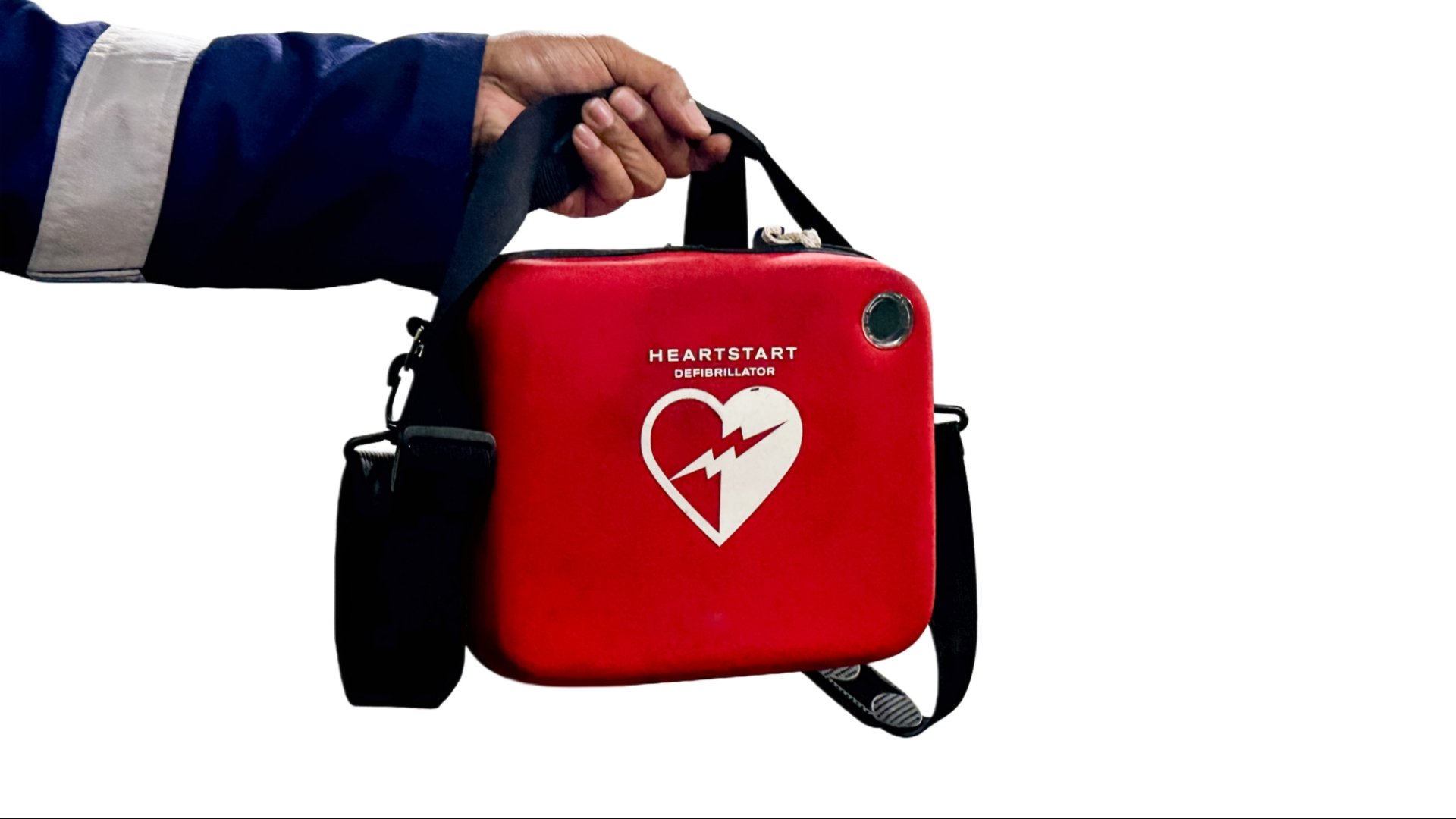
Portable AEDs provide rapid, life-saving support during cardiac emergencies. Their compact and lightweight design makes them easy to carry. This means help is always within reach, whether at home or traveling.
Quick access to an Automated External Defibrillator can significantly boost survival chances. Modern AEDs have features like pediatric settings and automatic self-checks. These make them easier and safer to use in any situation.
Having a portable defibrillator creates a safer space. It allows quick action during heart emergencies. This tool is vital for those at greater risk of heart issues.
AEDs are sold by authorized distributors and online retailers. You can choose from new or refurbished options to fit your needs and budget.
The Critical Role of Time in a Cardiac Emergency
When someone experiences a sudden cardiac arrest, every second is critical. The chance of survival decreases by about 10% for every minute that passes without defibrillation. Considering that the average response time for an ambulance can be around seven minutes or more, relying solely on emergency services can be a dangerous gamble. An on-site AED bridges this crucial time gap, allowing anyone nearby to provide immediate, life-saving intervention. Having a defibrillator accessible within the first few minutes of an incident is the single most important factor in turning a potential tragedy into a story of survival.
Why an AED at Home or Work Matters
Placing an AED in your workplace or home does more than just check a box for safety; it creates a genuinely safer environment. It empowers the people around you to act decisively in an emergency, offering immediate help long before professional responders can arrive. A readily accessible AED can be the difference between life and death, providing a critical tool to restore a normal heart rhythm when it matters most. Ensuring your organization has a reliable and properly managed AED program is a fundamental step in protecting your employees, customers, and community, giving everyone peace of mind and the confidence to respond effectively.
Comparing Popular AEDs for Sale
Automated External Defibrillators come in many types. Each is built with special features for specific situations and emergency responses.
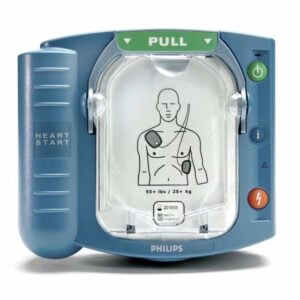
Philips HeartStart Home AED
The Philips HeartStart Home AED is a dependable device. It helps people at risk of sudden cardiac arrest. It quickly offers life-saving aid by spotting and correcting irregular heart rhythms.
Its simple design makes it great for home use. The built-in pediatric mode ensures safe and effective treatment for children when needed.
The HeartStart Home AED is lightweight, portable, and designed for effortless maintenance. Its self-testing feature gives you peace of mind. It ensures that the device is always ready for emergencies.
To understand the total cost of an AED, consider more than the sale price. Include accessories and maintenance costs, too. Proper training helps users operate the device well. This maximizes its life-saving potential in emergencies.
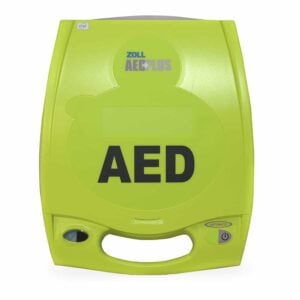
ZOLL AED Plus
The ZOLL AED Plus is a reliable defibrillator. It helps provide vital support during cardiac arrest. It spots abnormal heart rhythms. Then, it offers treatment to help the heartbeat return to normal.
This device has an easy interface and clear prompts. It’s made for anyone to use confidently, even if they have no medical experience.
The ZOLL AED Plus delivers real-time CPR feedback to support effective rescues. Its versatile design makes it perfect for home and work. It provides vital care right when you need it.
The ZOLL AED Plus meets strict safety standards. It provides reliable performance and peace of mind. Its robust design and straightforward features make it a favorite for those needing a trustworthy, portable defibrillator.
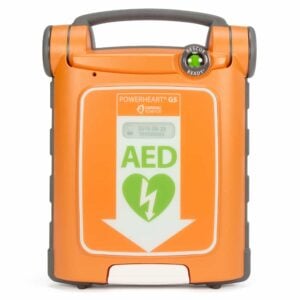
Cardiac Science Powerheart G5 AED
The Cardiac Science Powerheart G5 AED is a reliable choice for heart emergencies. It quickly finds irregular heart rhythms. Then, it offers life-saving treatment when time is critical.
The device has a simple interface that guides users through each step for proper use. Its dual adult and pediatric modes make it adaptable for different emergency needs.
The Powerheart G5 AED combines ease of use with reliable performance. Its self-testing system keeps it ready for emergencies with little effort. The sturdy, IP-rated design guarantees lasting protection. Pricing varies by supplier. It’s crucial to consider maintenance and warranty coverage when making a sale.
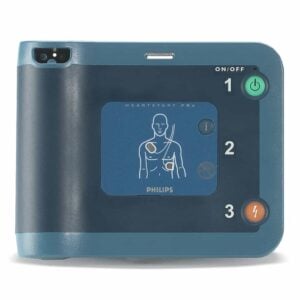
Philips HeartStart FRx AED
The Philips HeartStart FRx AED is a solid option. It has a durable design, so it works well in various settings. This makes it great for home and public use.
The Philips HeartStart FRx AED detects abnormal heart rhythms. It gives life-saving shocks when needed. Doctors praise its simplicity. It is perfect for homes, offices, and public spaces. Plus, it has a pediatric mode for the safe treatment of children.
When buying the Philips HeartStart FRx AED, think about maintenance and warranty details. Its dependable performance and simple features make it a favorite among portable defibrillators.
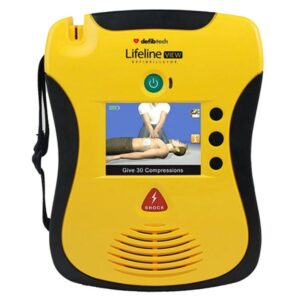
Defibtech View AED
The Defibtech View AED is easy to use. It has a bright, full-color display. This guides users step by step in cardiac emergencies.
This AED finds abnormal heart rhythms. It works for both adults and children, so it is safe for all ages.
Lightweight and compact, the Defibtech View AED is easy to store and carry. This makes it a smart choice for enhancing safety at home or work.
This device needs little maintenance. It’s a solid and trustworthy choice for anyone wanting a life-saving medical tool during crucial times.
How and Where to Buy a Defibrillator
You can find AEDs from medical suppliers, online stores, and manufacturers. This makes it easy to compare models, features, and prices before buying.
What to Consider Before You Buy an AED
Investing in an Automated External Defibrillator (AED) is key for safety at home and work. Key factors include features and maintenance costs.
- Think about the starting cost and the ongoing costs for items like pads and batteries. AED prices vary a lot, so they can impact your total budget.
- Check for updated technology. Newer AED models often have features like pediatric settings and multilingual guidance. These make emergency use easier and more effective.
- Review the warranty from the AED supplier. Good coverage protects your investment and helps with repairs or replacements when needed.
- Choose an AED with automatic self-testing. This feature keeps the device ready for use and ensures reliability in emergencies.
- Check that the AED meets FDA standards. This ensures the device is safe, effective, and approved for emergencies.
- Choose an AED with a simple, clear design. Easy instructions help everyone respond quickly in an emergency.
- Check out federal grants and programs that boost AED accessibility. They can cut costs and make these life-saving devices more available.
- Look for local AED distributors. Check their prices and after-sales support. This helps you buy from a trusted provider.
- Think about long-term maintenance costs. This includes replacement pads and batteries. These are needed to keep your AED ready to use.
- Look for grant programs or community initiatives that offer AEDs for little or no cost. This is especially important for groups with tight budgets but strong safety needs.
Think about these factors to choose the AED that fits your needs. This way, you’ll be ready for any emergency.
Consulting with a Medical Professional
Before purchasing an AED for your home, it’s wise to have a conversation with your doctor. As the Mayo Clinic suggests, you should discuss if a home AED is right for you, especially if you have severe heart disease or other risk factors. A medical professional can help you weigh the benefits based on your personal health history. For businesses and public spaces, this step is about understanding your environment’s overall risk and ensuring your emergency response plan is sound. A professional consultation can help you select the right device and determine the best placement for maximum effectiveness.
Considering Who Will Use the Device
An AED is a powerful tool, but it requires a human to operate it. When a cardiac arrest occurs, someone needs to be physically able to respond. This means they must be able to get down to the floor to assist the person and get back up again. The designated rescuer should also be able to remain calm, follow the AED’s clear voice prompts, and perform CPR. While modern AEDs are designed for anyone to use, formal training builds the confidence needed to act decisively in a high-stress situation. For organizations, this highlights the importance of not just having the equipment, but also a well-managed readiness program that ensures your team is prepared.
Understanding Insurance Coverage
It’s important to consider the financial side of owning an AED. For personal use, home AEDs can be a significant expense, and as the Mayo Clinic notes, insurance usually doesn’t cover them. For businesses, the cost is typically handled as a safety or operational expense. While your business insurance may not pay for the device itself, implementing a compliant and well-documented AED program can help reduce liability exposure. If the initial purchase price is a concern, options like an AED rental can provide a more budget-friendly path to getting this life-saving technology on-site without a large capital investment.
Finding the Best Deals on Defibrillators
Comparing AED prices across online medical suppliers can help you save significantly. Many websites and local sellers offer great rates and discounts. This is especially true for bulk purchases.
Contact groups like the Red Cross. They often offer AED training resources and special deals. Government programs may provide grants or funding. This helps make life-saving devices more affordable for homes and workplaces.
New vs. Recertified AEDs
When you start shopping for an AED, one of the first decisions you’ll face is whether to buy new or recertified. A new AED comes directly from the manufacturer with the latest technology and a full warranty, offering maximum peace of mind. On the other hand, a recertified (or refurbished) AED is a pre-owned device that has been professionally tested, repaired, and verified to meet manufacturer standards. It comes with a new battery and new electrode pads, making it just as capable of saving a life. You can choose from new or refurbished options to fit your needs and budget, as recertified models are often more affordable. This can be a great way to equip multiple locations without stretching your budget too thin.
Typical Cost of an AED
The price of a new AED typically ranges from $1,200 to over $2,500. As you can imagine, AED prices vary a lot, so they can impact your total budget. Several factors influence the cost, including the brand, specific model, and features. For example, a basic, user-friendly model designed for a public office might be on the lower end of the price scale. In contrast, a more rugged device with advanced features like real-time CPR feedback, a high-resolution screen, or dual-language capabilities will cost more. While it’s tempting to go for the cheapest option, it’s important to consider which features will best serve your environment and potential users. The initial purchase price is just one piece of the puzzle; long-term ownership costs are also a key consideration.
What’s Included in an AED Package?
To understand the total cost of an AED, consider more than the sale price. You should also factor in accessories and maintenance costs. A standard AED package typically includes the defibrillator unit, one set of adult electrode pads, a battery, and a carrying case. Some packages might also include a rescue-ready kit with essentials like scissors and gloves. However, you’ll need to plan for ongoing expenses. Electrode pads and batteries have expiration dates and must be replaced every two to five years. You may also need to purchase pediatric pads separately if your organization serves children. Finally, think about a complete readiness plan. Proper storage, regular inspections, and compliance tracking are essential, which is where a full-service AED program management solution can ensure your device is always ready to go.
Understanding AED Laws and Grant Opportunities
Federal programs and rules improve AED access. The FDA sets strict safety standards. This ensures that these life-saving devices are safe for everyone.
Many states have grant programs. These help organizations get AEDs at lower prices or even for free.
Federal programs give money or tax breaks to groups that buy AEDs. This support helps businesses improve safety by having life-saving equipment on hand.
Making AEDs more affordable helps us get ready for emergencies. This boost in access can significantly increase the chance of saving lives during cardiac events.
Good Samaritan Laws and State Requirements
If you’re worried about the legal side of owning and using an AED, there’s good news. Every state has Good Samaritan laws in place. These laws are designed to protect you from liability if you step in to help during a cardiac emergency. The goal is to encourage people to act without fear of being sued, which is a huge step toward improving survival rates from sudden cardiac arrest. This legal protection generally applies as long as you act in good faith and aren’t grossly negligent. It’s a legal safety net that empowers everyday people to become lifesavers when every second counts.
While Good Samaritan laws offer protection for rescuers, owning an AED as an organization comes with its own set of rules. These requirements can vary widely from one state to another. For example, some states mandate that schools, gyms, or large public venues have an AED on-site. Others have specific regulations about where the device must be registered, how often it needs to be inspected, and whether you need medical oversight from a licensed physician. Keeping track of these details is crucial for ensuring your program is fully compliant and ready for an emergency, not just a box on the wall.
Staying on top of these state-specific laws can feel like a full-time job, especially for organizations with multiple locations. Failing to meet a requirement could not only put you at risk but also compromise the readiness of your device when it’s needed most. This is why many businesses and schools choose to work with an AED program management service. A comprehensive program handles all the details—from registration and routine inspections to tracking compliance—so you can have confidence that your life-saving investment is protected, documented, and always ready to go.
Why Your Workplace Needs an AED
Placing AEDs in workplaces enhances safety and shows a real commitment to employee health. Training staff in their use ensures faster, more effective responses during emergencies.
Add AEDs to your safety plan to protect your team’s well-being. These devices can save lives in any environment.
How AEDs Make Your Workplace Safer
A safe workplace is key to protecting employees. Having AEDs on-site is a vital part of this effort. Cardiac emergencies can happen suddenly. Quick access to a defibrillator can save lives.
AEDs find abnormal heart rhythms and deliver life-saving shocks. This greatly boosts survival chances.
Having AEDs in the workplace shows that employers focus on safety. When staff are trained well, they can respond quickly and confidently in emergencies.
Prioritizing safety helps organizations reduce risks and build trust among employees. Investing in portable defibrillators allows for a fast response in emergencies. This makes having AEDs accessible essential for workplace safety.
Why You Should Pair Your AED with Training
The Red Cross offers important AED training. This helps people respond quickly in cardiac emergencies. In practical sessions, participants learn to use various AED models. This includes portable devices for home and workplace use.
Training helps people act quickly in emergencies and perform life-saving actions confidently.
Trained responders share firsthand accounts of how AED knowledge saves lives. Data show that quick action significantly improves survival chances.
FAQs
What is an automated external defibrillator (AED)?
An AED is a portable device. It checks heart rhythms and gives an electric shock. This helps restart a normal heartbeat during sudden cardiac arrest.
Who can use a defibrillator?
Anyone can use an AED. Modern devices offer voice and visual instructions. This makes them safe and easy for everyone, whether trained or untrained.
Where should AED machines be installed?
AEDs should be located in busy areas. This includes places like offices, schools, gyms, and community centers. These spots are more likely to have cardiac emergencies.
Do I need training to use an AED?
AEDs are easy to use. Training from the Red Cross or the American Heart Association boosts your confidence and helps you respond faster.
How much does it cost to buy a defibrillator?
Prices vary depending on brand, features, and model. AEDs usually cost between £900 and £1,800. There are also extra costs for accessories and maintenance.
What features should I look for when buying an AED?
Choose an AED with clear instructions. It should have self-test features, a pediatric mode, and FDA approval. This ensures it is reliable and safe.
Finding CPR and AED Training Courses
Once you have your AED, the next step is making sure your team feels ready and empowered to use it. Finding a certified training course is straightforward. Reputable organizations like the American Heart Association and the American Red Cross offer CPR and AED classes across the country, and you can usually find one nearby using the search tools on their websites. These courses are invaluable because they provide hands-on practice with training devices. This helps build the muscle memory and confidence needed to act quickly and effectively when it matters most. For any organization, certifying key staff members is a critical part of maintaining a complete and compliant AED program, turning bystanders into prepared responders who can save a life.
After the Purchase: AED Maintenance and Management
Bringing an AED into your space is a fantastic first step, but the work doesn’t stop there. Owning an AED comes with the responsibility of making sure it’s ready to perform at a moment’s notice. Proper maintenance and management are just as critical as the initial purchase. This means knowing where to store it, how to keep it in working order, and staying on top of key dates and details. A well-maintained AED is a reliable one, and when a life is on the line, reliability is everything. Let’s walk through the essential steps to keep your device response-ready.
Storing Your AED Correctly
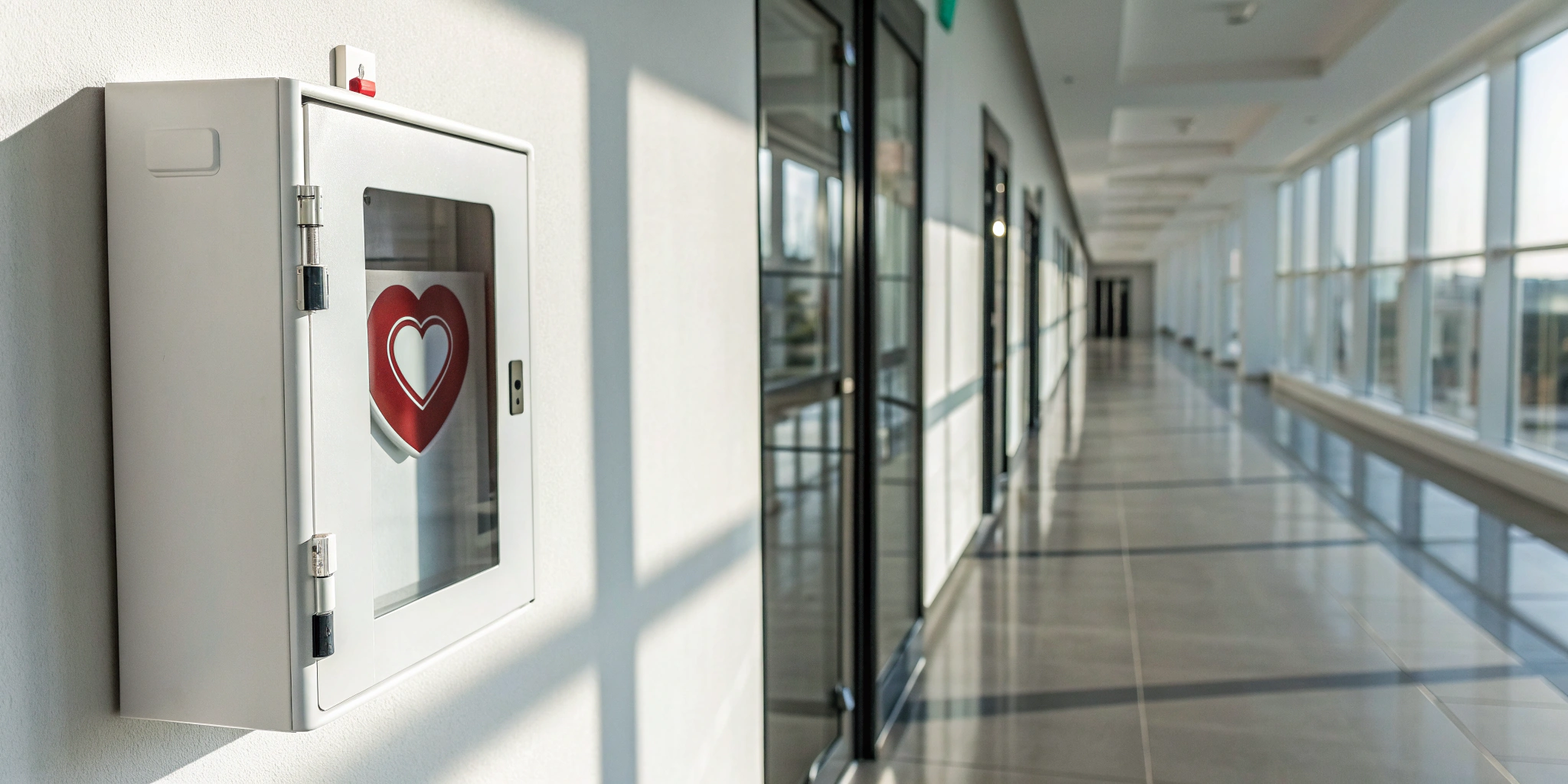
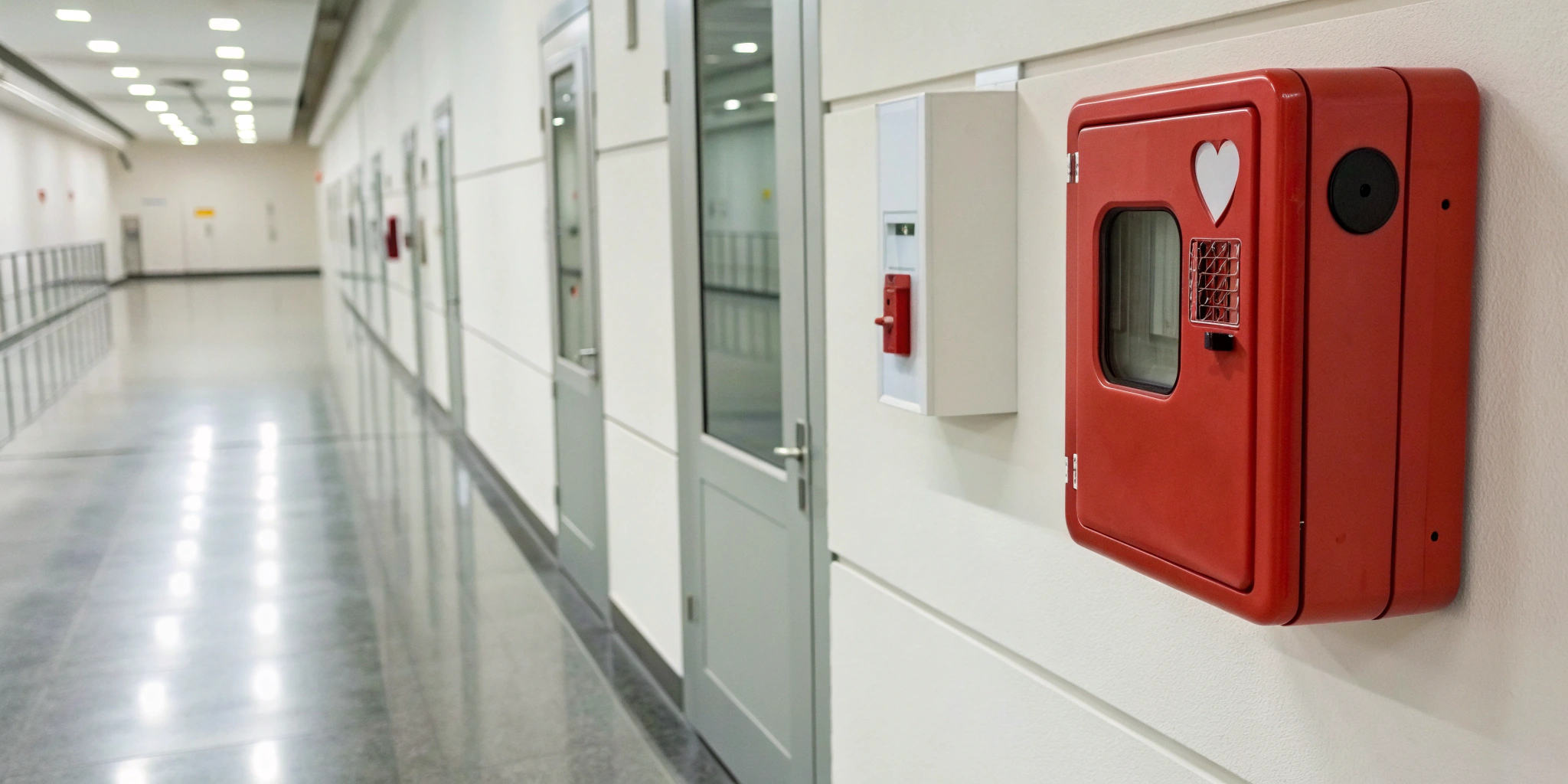
Where you keep your AED matters immensely. It needs to be in a location that is highly visible, unlocked, and easily accessible to anyone in the building. Think central hallways, reception areas, or near fire extinguishers. For indoor placement, a simple wall-mounted bracket or cabinet works perfectly. If you plan to store the device outdoors, you’ll need a specialized, heated cabinet to protect it from the elements. The goal is to eliminate any guesswork during an emergency. When someone needs the AED, they should be able to find it and grab it without a second thought. You can find a variety of storage solutions to fit your specific needs.
Ongoing Maintenance and Readiness
While most modern AEDs perform routine self-checks to ensure they’re functioning correctly, they aren’t completely self-sufficient. Regular visual inspections are still necessary to confirm the device’s status indicator is green and that supplies are intact. For an organization managing multiple devices across different locations, this can quickly become a logistical challenge. Keeping track of inspection schedules, supply expirations, and compliance documentation requires a dedicated system. This is where a comprehensive management program can make all the difference, ensuring every device is accounted for and always ready for use without placing the burden on your internal team.
Registering Your Device with the Manufacturer
After you purchase your AED, one of the first and most important things you should do is register it with the manufacturer. This simple step ensures you’ll be notified directly about any potential safety alerts, software updates, or product recalls. It connects you to the company that made the device, so you’re always in the loop on critical information that could affect its performance. Think of it as a direct line of communication for the health and safety of your life-saving equipment. It usually only takes a few minutes online and provides long-term peace of mind.
Tracking Battery and Pad Expiration Dates
AEDs rely on two key consumables: batteries and electrode pads. Both have finite shelf lives and must be replaced before they expire to guarantee the device will work. Batteries typically last between two to five years, while pads usually need replacing every two years. It’s also a best practice to keep a spare set of pads on hand, as you never know when you might need them. Manually tracking these dates for even one AED can be tricky, and for multiple devices, it’s a significant administrative task. An AED management service automates this tracking, sending you new supplies before the old ones expire and ensuring your program remains compliant and ready.
Are You Ready to Make a Lifesaving Purchase?
Investing in an automated external defibrillator (AED) means more than buying a device. It’s a promise to save lives. Having a defibrillator nearby at work, home, or in public can save lives in cardiac emergencies. It can truly mean the difference between life and death. Pick the right model, know the maintenance needs, and ensure proper training. This will help keep everyone around you safe. Take the step toward preparedness today, be ready to respond when seconds truly matter.