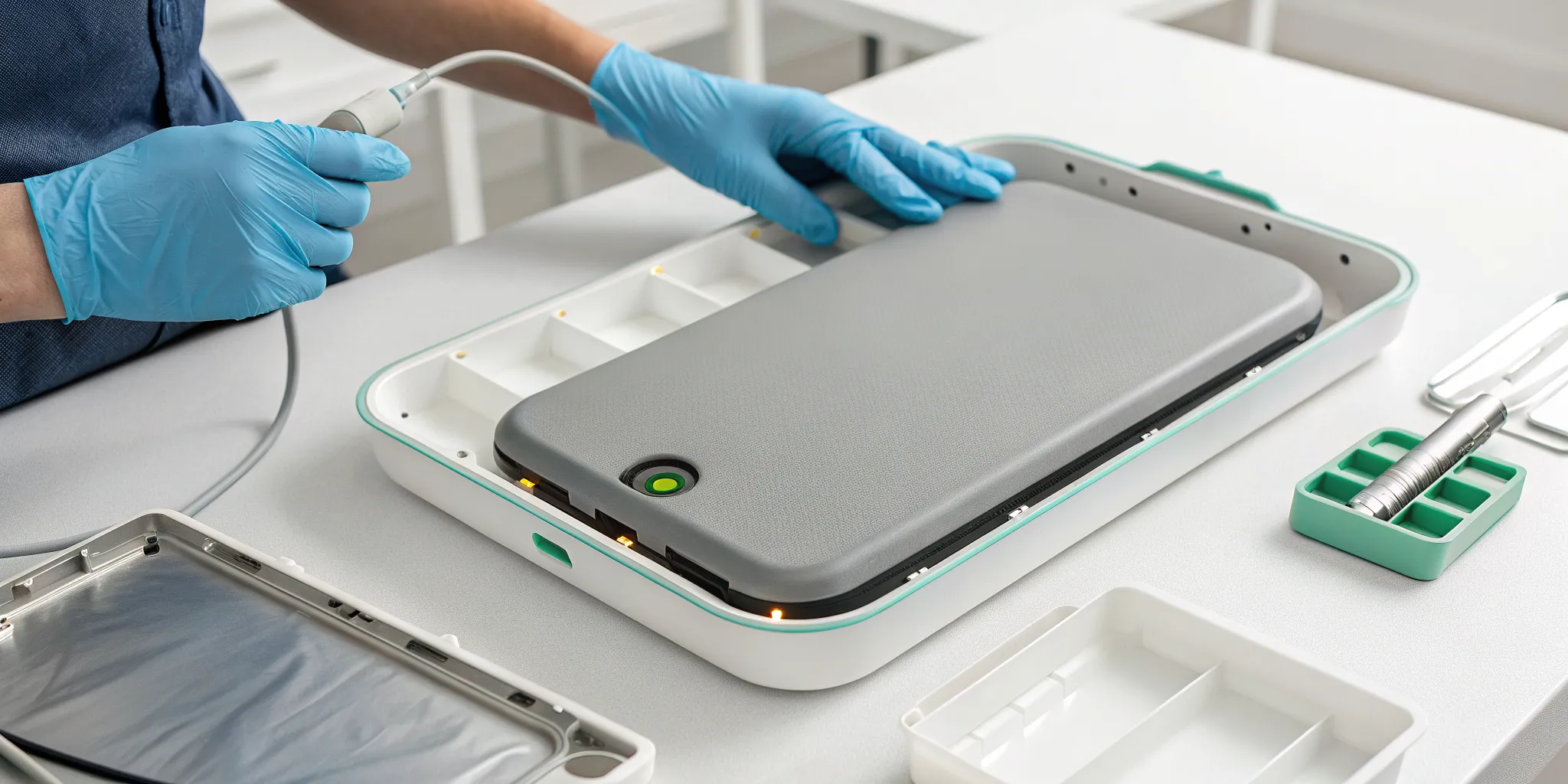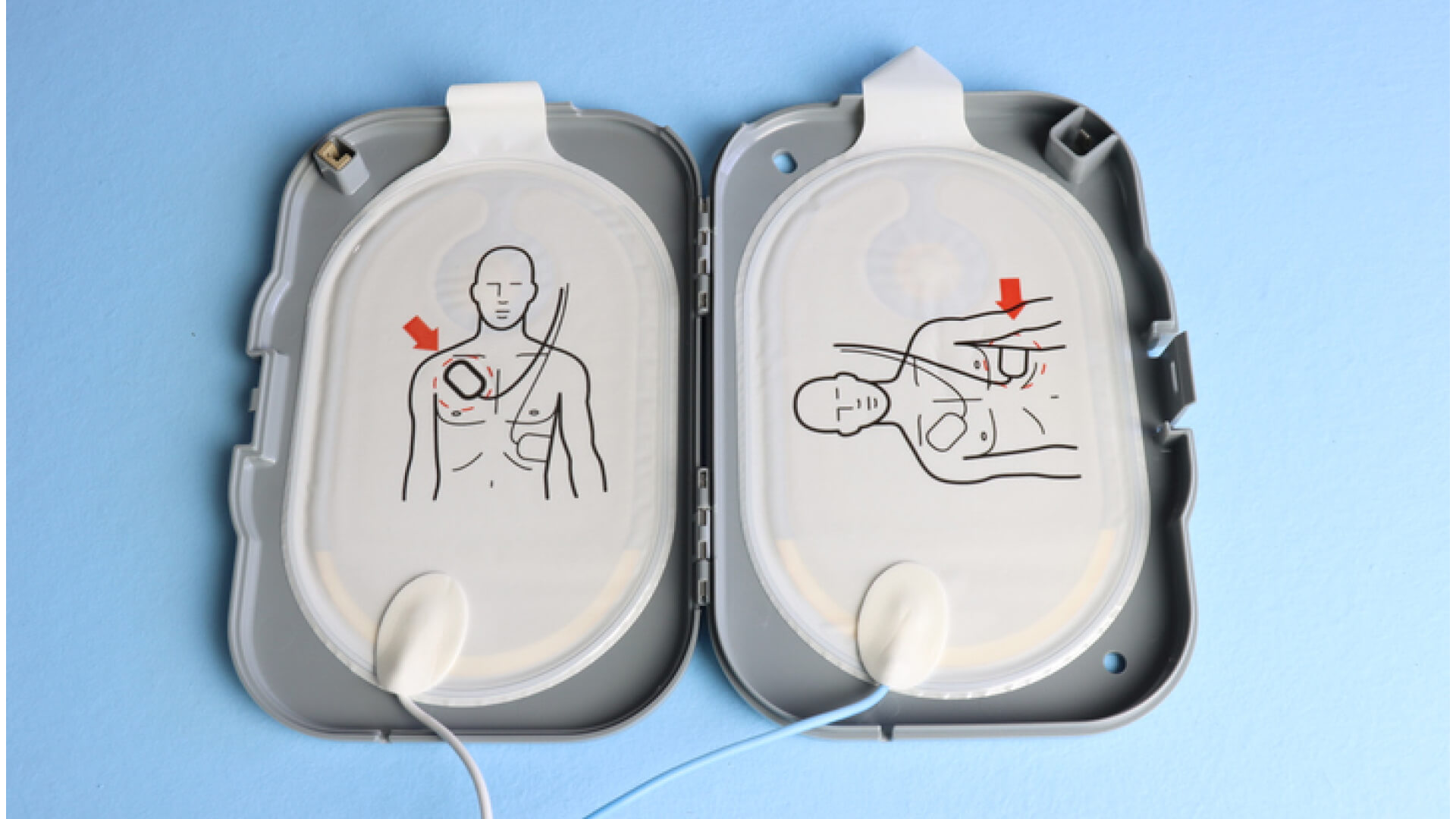
Your AED pads have a shelf life of two to four years. But when that date passes, it’s tempting to ask, can you use expired defib pads just once? They might look fine, but the real problem is invisible. The gel inside can dry out, which has a major impact on shock delivery. In fact, defibrillation pads that are dried out may cause skin burns or a failed rescue. So, what should you do with expired AED pads and batteries? Let’s walk through the right steps to keep your device ready and ensure you meet safety standards.
Since AED pads and batteries have electronic parts, don’t throw them in regular trash. At the same time, returning them to the store where they were purchased isn’t always possible. Many AED owners aren’t sure how to dispose of them when they’re no longer usable.
Expired AED Pads? Here’s How to Recycle Them
AED pads give electric shocks to help restart the heart during sudden cardiac arrest. Modern versions have great features. They include sensors that track chest compressions. These sensors also give instant feedback to help rescuers. These upgrades ensure that each shock and compression works effectively to save lives.
- Taken to an accredited electronics recycling facility, or
- Disposed of through an electronic waste recycling program
If AED pads have blood on them, treat them as possibly infectious materials. For safe disposal, contact a certified medical waste management service. They will handle them properly.
Why You Shouldn’t Keep Expired AED Pads
Once AED pads expire, they should be sent to a recycling facility instead of being stored as spares. As the conductive gel dries over time, the pads can’t deliver a strong shock. This makes them unsafe for emergency use.
Risk of Gel Dehydration and Poor Adhesion
Over time, the adhesive gel on AED pads dries out, which is the primary reason they have an expiration date. If you try to use pads with dehydrated gel, they won’t stick securely to a person’s chest. During CPR, the force of chest compressions can easily cause the pads to lift or pull away from the skin. This poor connection prevents the AED from properly analyzing the heart’s rhythm and delivering a life-saving shock, making the entire rescue attempt far less effective.
Incorrect Heart Rhythm Analysis
Proper pad-to-skin contact is absolutely critical for an AED to function correctly. When expired pads fail to adhere well, the device may struggle to get an accurate reading of the heart’s electrical activity. This can lead to a failed analysis, meaning the AED might not advise a shock even when one is desperately needed. In a cardiac emergency where every second is crucial, a device that can’t perform its main function because of old pads puts a life at unnecessary risk.
Potential for Skin Burns
Using expired AED pads isn’t just ineffective—it can be actively harmful. As the conductive gel breaks down, the electrodes underneath can become exposed. If the AED delivers a shock through these poorly connected pads, the electrical current may not be distributed evenly across the skin’s surface. Instead, the energy can concentrate in small areas, potentially causing painful skin burns and adding another injury to the person you are trying to save.
The Dangers of an Expired AED Battery
While expired pads pose a significant risk, an expired battery renders an AED completely useless. An old battery may not be able to hold a sufficient charge, or it could be completely dead when you need it most. Unlike a smartphone that warns you when its battery is low, an AED might not give any indication of failure until the moment it’s turned on in an emergency. The device simply won’t power on, leaving you without the one tool designed to help in a sudden cardiac arrest.
Tracking battery expiration dates is a critical part of any AED program, but it becomes increasingly complex when managing multiple devices across different locations. Each AED model may have a different battery type with a unique lifespan, making manual tracking prone to error. This is why organizations rely on comprehensive AED program management to automate replacement reminders and ensure every device is always ready to perform. A reliable system removes the guesswork and protects you from the liability of a failed device.
Primary Cause of AED Failure
According to industry data, battery failure is a leading cause of AEDs not working during a rescue. An AED might pass its routine self-tests for months, but an aging battery can fail unexpectedly under the high-energy demands of delivering a shock. Since the battery is the heart of the device, its maintenance should never be overlooked. Proactively replacing batteries before they expire is one of the most important steps you can take to ensure your AED is dependable when a life is on the line.
Understanding AED and Component Lifespans
An Automated External Defibrillator is a sophisticated medical device, but it’s not a single unit with one expiration date. It’s a system composed of the main device, a battery, and a set of electrode pads. Each of these components has a different lifespan that must be tracked separately. If any single part is expired or non-functional, the entire system can fail during an emergency. Understanding these distinct timelines is fundamental to maintaining a compliant and effective AED program.
Keeping track of these moving parts is essential for readiness and compliance. For organizations managing multiple AEDs, this can quickly become an administrative burden filled with spreadsheets and calendar reminders. A well-managed program ensures that nothing slips through the cracks, giving you confidence that your equipment is ready to save a life. At AED Total Solution, our mission is to handle this complexity for you, so you can focus on your core responsibilities while we ensure every component is up-to-date and audit-ready.
The AED Unit Itself
The main AED unit typically has the longest lifespan, often lasting between eight to ten years, and is usually covered by a manufacturer’s warranty for that period. While the device itself is durable, its internal software may require periodic updates to stay current with the latest resuscitation guidelines. However, the longevity of the unit doesn’t mean you can set it and forget it. The critical accessories—the battery and pads—are consumables that require regular replacement throughout the device’s life.
Typical Lifespan of AED Batteries by Manufacturer
AED batteries generally have a standby life of two to five years. “Standby life” refers to how long the battery will last when installed in the AED while the device is idle and only performing its routine self-checks. This lifespan can vary significantly between manufacturers and models. For example, some batteries are designed for four years of standby use, while others may only last for two. It’s crucial to check the specific expiration date printed on your battery and not rely on a general estimate. You can find replacement batteries and other accessories tailored to your specific device.
Typical Lifespan of AED Pads by Manufacturer
AED electrode pads have the shortest lifespan, typically lasting between two and four years. This is because the water-based conductive gel on the pads naturally dries out over time, even when the package is sealed. The expiration date is clearly printed on the pad packaging and should be checked regularly during routine inspections. Using expired pads can lead to poor adhesion and ineffective shock delivery, so timely replacement is non-negotiable for ensuring your AED is ready for a rescue. If you have more questions, our FAQ page offers additional details on component lifecycles.
How to Safely Recycle AED Batteries
AED lithium batteries are considered hazardous because they contain corrosive and toxic materials. Leaks can harm the environment or cause injury. Old batteries can overheat, which raises the risk of fire or explosion.
AED batteries should be recycled through certified programs or hazardous waste services. Expired batteries usually last two to five years. They lose their charge, which can cause defibrillator failure. So, timely replacement is key for reliable performance.
Finding Local Battery Collection Points
Since you can’t toss old AED batteries in the trash, you’ll need to find a certified facility that handles hazardous waste. The good news is that finding a drop-off location is easier than you might think. Many local governments and retailers offer battery recycling programs. A great starting point is to check your city or county’s waste management website for specific guidelines and collection event schedules. You can also use free online locators like Earth911 or Call2Recycle, which allow you to search by zip code for nearby recycling centers. Some electronics stores and home improvement centers also have in-store collection bins for various battery types, making it a convenient option while you run other errands.
Refurbishing Your AED: What You Need to Know
AED units generally last much longer than their pads and batteries. The Philips HeartStart OnSite and Physio-Control Lifepak CR2 both include an eight-year warranty. Many of these devices can also be refurbished or upgraded for long-lasting reliability.
- Many retailers accept trade-ins when you upgrade to a new AED model. They often refurbish the old units and resell them for continued use.
- Some retailers let you return your AED after emergency use. They reset the device, clear event data, and replace used pads and batteries.
- When an AED reaches the end of its service life, it should be taken to an approved electronic waste facility. Tell the manufacturer or retailer that it is decommissioned. Also, do not throw it away with regular household waste.
What to Do After an AED Has Been Used
After an AED is used in an emergency, the immediate crisis may be over, but your responsibilities as the device owner are not. Taking the right steps immediately after a sudden cardiac arrest event is just as critical as being prepared beforehand. These post-use procedures ensure that valuable medical data is preserved for healthcare providers and that your AED is promptly returned to a state of readiness. Neglecting these tasks can leave your device unusable for a future emergency and create gaps in your AED program. Properly servicing your AED after use protects the next person who might need it and keeps your safety program on track.
Retrieving Event Data for Medical Review
Modern AEDs do more than just deliver a shock; they record vital information during a rescue. This event data includes details about the patient’s heart rhythm (ECG) and a timeline of when shocks were administered. This information is incredibly valuable for the emergency medical team and physicians who will take over the patient’s care. It gives them a clear picture of the cardiac event, helping them make informed treatment decisions. After an event, the data must be downloaded and provided to medical professionals for review. This process is a standard part of post-event protocol and is essential for ensuring continuity of care for the survivor.
Replacing Used Components Immediately
AED pads are strictly single-use and must be replaced immediately after a rescue. The conductive gel on the pads, which is essential for delivering an effective shock, dries out after the packaging is opened and the pads are applied to a patient’s skin. Reusing them is not an option. Similarly, the AED’s battery may need to be replaced. Some batteries are designed for a single rescue event, while others can support multiple uses. Always check the manufacturer’s specifications to be sure. Keeping your device ready means having fresh pads and a fully charged battery installed, so there’s no delay if another emergency occurs.
Why Local Disposal Regulations Matter
Before disposing of AED components, review local recycling regulations and available programs. Replace parts before they expire. If you manage several units, use an AED management program. This will help you track end dates easily.
The Benefits of Responsible AED Disposal
Many states need AEDs to stay in working order. Functional pads and batteries are crucial for cardiac emergencies. Using an AED fast, plus effective chest compressions, can raise survival rates to over 70 percent.
Use local recycling programs to recycle AED pads and batteries. This helps reduce environmental impact and promotes safe material reuse. If you’re not sure how to dispose of your model, check the user manual. You can also contact the manufacturer for help.
FAQs
What Do AED Pad Expiration Dates Mean?
AED pads typically last 2 to 4 years. This varies by brand and how they are stored. Always check the label or device manual for the exact end date.
Why do AED pads expire?
The conductive gel on the pads can dry out. This makes them less effective at delivering a shock in an emergency.
Can You Use Expired Defib Pads in an Emergency?
Do not use expired pads. They might not stick well or conduct electricity properly. This can lower the chance of saving a life.
What should I do with expired AED pads?
Expired pads should be taken to a local recycling or electronic waste center. Never throw them in the regular trash.
How long do AED batteries last?
AED batteries typically last two to five years. Check the manufacturer’s recommendations and replace them before they expire.
Are AED batteries hazardous waste?
Yes. AED lithium batteries contain harmful materials. So, they should be recycled through an approved hazardous waste program.
Stay Prepared: Keep Your AED Ready
Keeping your AED in proper working condition is essential for saving lives. Check pad and battery end dates often. Follow local disposal rules. Use approved recycling programs. This keeps your device safe, effective, and eco-friendly. Proactive AED maintenance is vital in workplaces, schools, and communities. It can be the key to saving lives during a cardiac emergency.
Proper AED Storage Conditions
Where you store your AED is just as important as having one in the first place. These devices are sensitive to extreme temperatures, so leaving one in a car on a hot day or in a cold warehouse can damage the battery and dry out the conductive gel on the pads. If parts of an AED are compromised, the device might not work when needed, which could cost someone their life. To protect your investment and ensure it’s always ready, keep your AED in a climate-controlled, easily accessible location. Storing it in a designated AED cabinet not only protects it from dust and moisture but also makes it highly visible so anyone can find it during an emergency.
Performing Routine Readiness Checks
An AED isn’t a “set it and forget it” device. Regular inspections are critical to making sure it’s ready to perform. It’s very important to regularly check all your AED units and their supplies to make sure everything is up-to-date and ready for use. At least once a month, you should confirm the readiness indicator is flashing green, check the expiration dates on the electrode pads, and ensure the battery is still within its operational life. Keeping a simple log of these checks helps maintain accountability and creates a record of readiness. For organizations managing multiple devices, this process can become complex, which is why many turn to professional program management services to automate tracking and ensure nothing gets missed.
Automated Self-Checks vs. Manual Visual Inspections
While many AEDs check themselves daily, weekly, or monthly, you still need to inspect the device regularly. These automated self-tests are great for confirming the internal circuitry and battery voltage are functioning correctly, but they can’t see the outside world. A self-check won’t tell you if the device has been physically damaged, if the cabinet is blocked, or if the pads have passed their expiration date. A quick visual inspection is the only way to catch these external issues. Think of the automated check as the device’s internal health report and your manual check as the complete physical exam—both are necessary for total readiness.
Workplace Compliance and Safety Guidelines
Maintaining your AED is more than just good practice; it’s often a matter of compliance. Many states need AEDs to stay in working order, as functional pads and batteries are crucial for cardiac emergencies. Neglecting maintenance can not only render the device useless but may also expose your organization to liability risks. Following manufacturer guidelines and documenting your readiness checks helps you adhere to OSHA recommendations and state-specific Good Samaritan laws, which often protect responders as long as the device is properly maintained. A well-managed AED program demonstrates a commitment to safety and ensures you meet your duty of care to employees and visitors, giving everyone peace of mind.
The Importance of Having Spare Components
After an AED is used in a rescue, it cannot be put back into service until its essential components are replaced. That’s why it’s smart to keep a spare set of electrode pads and a backup battery on hand. You should always replace pads after they’ve been used, and some batteries also need to be replaced after a single use. Having spares means you can immediately restore your AED to a ready state instead of waiting for a new shipment to arrive. This minimizes downtime and ensures your location remains protected. You can easily order extra supplies to have on-site, so you’re prepared for the aftermath of an emergency.
Key Takeaways
- Don’t Gamble with Expired Components: The expiration dates on AED pads and batteries are there for a reason. Expired pads won’t stick properly and can’t deliver an effective shock, while an old battery can leave the device completely dead. Make it a rule to replace these items before they expire to keep your AED reliable.
- Track Each Component Separately: An AED isn’t a single item; it’s a system with three different lifespans for the unit, battery, and pads. A single expired part can disable the entire device, so tracking each one individually is essential for readiness and compliance.
- Know What to Do After Use or Expiration: Don’t just toss old AED parts in the trash—they require proper recycling as electronic or hazardous waste. After a rescue, your immediate priorities are to replace the single-use pads, check the battery, and provide the event data to medical personnel to get the device back in service.
Related Articles
Disclaimer for information purposes only:
The information provided on this website is intended for general educational and informational purposes only. It is not medical advice and should not be used as a substitute for professional diagnosis, treatment, or care. Always consult a qualified healthcare or medical professional regarding any health-related questions or concerns.
While we strive to ensure the information shared is accurate and up to date, no guarantees are made regarding completeness, accuracy, or applicability to any individual situation. Use of this content is at the reader’s sole discretion and risk.
This website is part of the Response Ready family of emergency preparedness and training resources, including CPR & first aid training and compliance services, AED sales and program support, AED program management software, and medical oversight solutions provided through our affiliated platforms:
• CPR1.com
• AEDLeader.com
• ResponseReady.com
• MDSIMedical.com
By accessing or using this website, you agree to release, indemnify, and hold harmless the website owners, authors, contributors, and affiliated entities from any claims, losses, damages, or liabilities arising from the use or reliance on the information presented.