You have AEDs because you know they save lives. But here’s something most people overlook: that life-saving readiness depends on consistent, provable maintenance. Relying on paper checklists and binders is risky. A single missed signature or a lost logbook can create a serious compliance gap if something goes wrong. An aed monthly inspection app is the modern solution. This kind of aed compliance management software replaces messy paperwork with a clean, digital trail. Many even use qr code aed inspections to make the process foolproof, ensuring your devices are always ready and your organization is protected.
Automated External Defibrillators (AEDs) are vital in cardiac emergencies. They provide rapid medical intervention. They boost survival rates to 74% in critical moments when used without delay. AEDs are essential for safeguarding employees and the public. Regular maintenance and thorough inspections are crucial. They ensure these devices are reliable and ready for use. They must perform with precision when every second counts.
Managing AED inspections and maintenance can be challenging. But modern technology has made it much more efficient. AED inspection software simplifies managing inspections. You can do them alone or with other fire and safety equipment checks. This solution saves time and ensures better accuracy in maintaining these critical devices. Here, we’ll delve into the top benefits of adopting AED inspection software.
Why Regular AED Inspections Are Critical
An Automated External Defibrillator (AED) is a powerful piece of medical equipment, but it’s only effective if it’s ready to use at a moment’s notice. Think of it like a fire extinguisher; you trust it will work in an emergency, and the only way to maintain that trust is through consistent checks. Regular inspections ensure that the device is fully operational, that its components are within their expiration dates, and that it hasn’t been damaged or tampered with. An AED that isn’t ready can’t save a life. Catching a problem during a routine check, like a low battery or expired pads, prevents a potential failure when seconds matter most. This proactive approach is fundamental to a responsible safety program and is often required to maintain compliance with state and local regulations.
Beyond just checking boxes, these inspections are about accountability and preparedness. They confirm that your device is where it’s supposed to be and accessible. For organizations with multiple locations, managing these checks can become a significant administrative task. Ensuring every device is inspected on schedule and that records are properly maintained is a major challenge. This is why many organizations turn to comprehensive AED program management to handle the logistics, from tracking inspections to dispatching replacement supplies. Ultimately, a well-inspected AED provides peace of mind, knowing you’ve taken every step to protect your employees, customers, and community.
The Reality of Sudden Cardiac Arrest
The statistics surrounding sudden cardiac arrest (SCA) are sobering. According to some studies, less than 10% of people who experience an out-of-hospital cardiac arrest survive. This isn’t because SCA is untreatable; it’s because the window for effective intervention is incredibly small. For every minute that passes without defibrillation, the chance of survival decreases significantly. An AED is the single most important tool for improving these odds because it allows anyone, even a layperson, to deliver a potentially life-saving electrical shock to the heart. When an AED is used within the first few minutes, it can dramatically increase the likelihood of a positive outcome. That’s why having a functional, ready-to-use AED is not just a good idea—it’s a critical part of any emergency response plan.
How to Perform a Manual Monthly AED Inspection
Performing a monthly visual inspection of your AED is a quick and simple process that ensures your device is ready for an emergency. This hands-on check should take just a few minutes but is vital for catching potential issues before they become critical. While many AEDs perform automated self-tests, a manual inspection confirms the device’s physical condition, the readiness of its accessories, and its accessibility. It’s a good practice to assign this task to a specific person or team and to keep a detailed log of each inspection, either on a physical tag or in a digital record. This documentation is essential for compliance and provides a clear history of the device’s maintenance. Following a consistent checklist helps make sure nothing is overlooked during these important monthly reviews.
Step 1: Check the Device Status Indicator
The first and most important part of your inspection is checking the active status indicator. Nearly all modern AEDs have a visual cue, usually a small light or symbol, that tells you the device’s readiness at a glance. Typically, a flashing or solid green light means the AED has passed its last self-test and is ready for use. If you see a red light, a flashing “X,” or hear a chirping sound, it’s a signal that the device needs attention. This could indicate a low battery, a problem with the electrode pads, or an internal issue. If the indicator shows an error, you should consult the device’s user manual immediately to diagnose the problem and take corrective action.
Step 2: Verify Pads and Batteries
Next, you’ll want to check the expiration dates on the electrode pads and the battery. AED pads have a limited shelf life because the gel that helps them adhere to the skin and conduct electricity dries out over time. The expiration date is clearly printed on the pad packaging. Make sure the pads are pre-connected to the AED and the packaging is sealed and in good condition. Similarly, AED batteries have an install-by or expiration date. Document these dates in your inspection log so you can proactively order replacements. If you need new supplies, you can easily find compatible pads and batteries online to keep your device in perfect working order.
Step 3: Inspect the First Aid Kit
An effective response to sudden cardiac arrest often requires more than just the AED itself. Your AED should be stored with a first aid response kit containing essential tools. During your inspection, check that this kit is present and fully stocked. Key items include scissors for cutting away clothing, a razor for shaving a hairy chest to ensure good pad contact, disposable gloves for rescuer protection, and a wipe for drying the patient’s chest. These items should be sealed and ready for use. A missing or incomplete kit can cause dangerous delays, so confirming its readiness is a crucial step in your monthly check.
Step 4: Check the Cabinet and Alarms
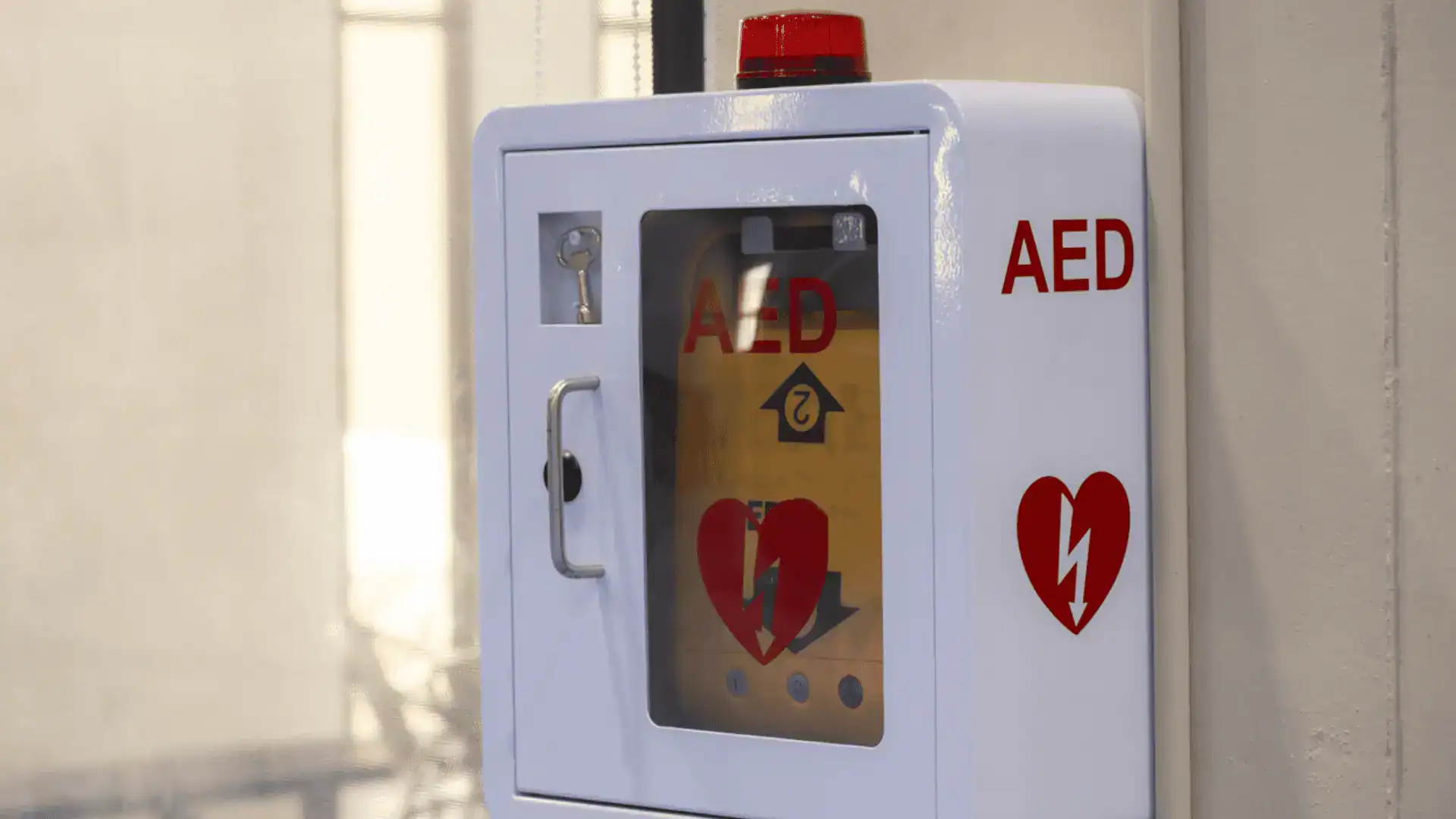
Finally, inspect the physical location and housing of the AED. The device should be stored in a visible, accessible, and unlocked cabinet. Make sure the cabinet is not blocked by furniture, equipment, or other obstructions. If the cabinet is equipped with an alarm, open the door to verify that the alarm sounds. This audible alert is designed to notify others of an emergency and deter theft or tampering. Also, check that the signage indicating the AED’s location is clearly visible. People need to be able to find the device quickly in a high-stress situation, and a well-placed, accessible cabinet is key.
5 Benefits of Using an AED Inspection App
While manual inspections are effective, managing them across multiple devices or locations can be complex. This is where technology can streamline the process. Using an AED inspection app or a comprehensive management platform offers significant advantages over traditional paper-based logs. These digital tools are designed to simplify compliance, improve accountability, and ensure your entire AED program is always ready. An app can guide inspectors through a standardized checklist, store records in a centralized location, and send automated reminders for upcoming tasks. This not only saves time but also reduces the risk of human error, ensuring that no device is ever overlooked. For any organization serious about safety, adopting a digital solution is a logical next step.
A dedicated platform like the one we use at AED Total Solution provides even more robust benefits. First, it creates a reliable, audit-ready digital trail of all inspections and maintenance activities. Second, it sends automated alerts for expiring pads and batteries, removing the guesswork from supply management. Third, it offers a centralized dashboard, giving you a real-time overview of your entire program’s readiness status. Fourth, it enhances accountability by tracking who completed each inspection and when. Finally, it provides peace of mind, knowing that your life-saving program is being managed with precision and care. By leveraging technology, you can transform your AED program from a logistical challenge into a seamlessly managed asset that truly protects your people.
1. Increase Your Efficiency and Accuracy
AED inspection software significantly improves inspections, making them more efficient and accurate. Unlike traditional paper methods, this software automates reporting and simplifies scheduling. Paper methods need manual data entry and physical records. They are slow and error-prone. Automating manual processes ensures timely, correct AED inspections, boosting their reliability.
AED inspection software helps field technicians. It lets them record data on mobile devices, like smartphones and tablets. The software provides essential info: each AED’s location, the last inspection date, and the next scheduled check. Inspections are quick and efficient. They need a barcode or QR code scan to answer a few on-screen prompts.
AED inspection software automates data collection. It eliminates manual entry and reduces errors. This process saves field techs time. It frees AED admins to focus on urgent tasks. It ensures smoother operations.
2. Manage All Your AED Data in One Place
AED inspection software provides a single system for all inspection data. It stores everything in a secure digital database, including device details, maintenance history, and inspection results. This ensures quick access to records when needed. This solution simplifies reporting and enables detailed analysis. It makes data management more efficient and reliable.
AED inspection software lets admins analyze trends, issues, and their AED program’s effectiveness. Digital records ensure access to vital data for audits and legal checks. This provides convenience and compliance.
3. Automate Your Inspection and Maintenance Schedule
Managing AED inspection schedules and maintenance deadlines can be complex. This is due to monthly inspections and monitoring pad and battery end dates. AED inspection software simplifies this. It tracks past inspections and schedules upcoming ones. Technicians can easily access their tasks via a mobile app. It adds inspections to their digital checklist. This removes the hassle and ensures that we get everything.
AED inspection software streamlines pad and battery replacements. It has custom workflows to meet customer needs. One approach is to check end dates during monthly inspections. This lets field technicians confirm them during routine checks. Or, the software can automate replacement tasks. It will track installation dates in the equipment record. It triggers reminders based on timelines, like every five years. This automation speeds up monthly inspections. It removes the need for repeated end checks. So, it saves time and effort.
4. Easily Meet Compliance and Regulatory Standards
AED program administrators must ensure compliance with regulations and industry standards. AED inspection software simplifies this task. It embeds relevant guidelines in the inspection process. This helps organizations follow them with ease and efficiency.
You can tailor the software to include local authorities’ checklists, protocols, and regulations. It guides field technicians through each step, ensuring they cover all critical elements. This customization helps organizations ensure compliance, reduce risks, and enhance AED program safety. It also shows their dedication to public well-being.
Good Samaritan Laws and Manufacturer Guidelines
It’s a common belief that Good Samaritan Laws provide blanket protection if someone uses an AED at your facility. But there’s often a catch: that protection may only apply if the AED has been properly maintained according to the manufacturer’s instructions. An AED that isn’t ready to use in an emergency can’t save a life, and it could open your organization up to serious liability. This is where detailed documentation is so important. AED inspection software creates an indisputable digital record of every check, proving you’ve done your due diligence. This audit-ready trail confirms your program is not just prepared for an emergency, but also protected from legal risk.
State-Specific Maintenance Requirements
Managing an AED program across multiple locations brings its own set of challenges, especially since AED maintenance requirements can differ from state to state. Trying to keep track of varying inspection schedules and documentation rules with spreadsheets or paper logs is not just inefficient—it’s a compliance risk waiting to happen. A centralized digital system is the key to staying on top of it all. Inspection software allows you to customize checklists and schedules for each location, ensuring every device meets local standards. For organizations that prefer a completely hands-off solution, a comprehensive program management service can take over, handling all the complexities of multi-state compliance so you can be confident every AED is ready and regulated.
5. Create a Clear, Actionable Audit Trail
Proper documentation is essential for accountability and traceability in an AED inspection program. AED inspection software improves this process. It automatically creates detailed inspection reports and maintains a thorough audit trail. This ensures accuracy and reliability.
Each inspection is time-stamped and linked to the inspector. This creates a clear record of accountability and shows who is responsible. The system also tracks all past inspections and maintenance.
An incident or investigation may occur. The audit trail is vital for reviewing events and finding improvements. Digital documents need no physical storage. So, they are safe from loss or damage.
Tracking Automated External Defibrillators (AEDs) is complex. They must meet inspection and maintenance requirements. It can be tedious to remember each device’s location and last inspection time. Also, documenting and reporting the results is a chore. To run an efficient AED inspection program, we must streamline processes. This will help us manage these challenges.
How AED Software Simplifies Your Inspections
AED inspection software boosts AED programs by digitizing inspections. It makes them more efficient and reliable. It simplifies data management, boosts accountability, and ensures timely upkeep. It helps organizations keep their AEDs ready.
Following the manufacturer’s guidelines for AEDs reduces the risk of emergency malfunctions. Also, the detailed records and audit trail from AED inspection software ensure compliance. They also improve the safety and reliability of AED programs.
As technology advances, AED inspection software has become vital. It ensures AEDs are reliable and ready to save lives when needed.
FAQs
What is AED inspection software?
AED inspection software is a digital tool. It streamlines the management, maintenance, and inspection of automated external defibrillators (AEDs). It ensures compliance with regulations and keeps AEDs ready for use in emergencies.
How does inspection software work?
The software automates inspection schedules and tracks maintenance history. It also reminds users to replace pads and batteries. Technicians can perform mobile inspections. A centralized database ensures accurate reporting.
Why is AED inspection software important?
This software simplifies AED management. It reduces manual tasks, improves accuracy, and ensures compliance with industry standards. It also enhances accountability and provides a clear audit trail for inspections.
Can AED inspection software help with compliance?
AED inspection software incorporates local regulations and industry standards into its workflows. It ensures that all inspections and maintenance tasks meet compliance requirements.
What devices are compatible with AED inspection software?
AED inspection software is easy to use on smartphones, tablets, or desktops. It is also suitable for field techs and admins.
Does the software automate tasks like battery replacement?
Yes, the software can track the pad and battery end dates. It will auto-generate tasks to replace them for timely maintenance.
Does AED inspection software provide digital documentation?
The software generates detailed reports and keeps digital records. This eliminates paper-based documentation and reduces the risk of lost or damaged files.
How does the software improve safety?
The software prevents device failures by ensuring timely AED inspections and maintenance. This enhances the safety and reliability of AED programs.
Key Features of AED Inspection Software
When you start looking at different AED inspection apps, you’ll notice they share some core features designed to make your life easier. These tools move you away from messy paper checklists and into a streamlined, digital workflow. Understanding these key features will help you identify what’s essential for your program and what’s just a nice-to-have. From a central dashboard that gives you a complete overview to offline capabilities for those hard-to-reach areas, the right software is built to handle the real-world challenges of managing life-saving equipment across one or multiple locations.
Central Dashboard
One of the most powerful features of AED inspection software is a central dashboard. Think of it as your program’s command center. Instead of digging through file cabinets or spreadsheets, all your information is in one place. The software provides a single system for all inspection data, storing everything in a secure digital database, including device details, maintenance history, and inspection results. This gives you an at-a-glance view of your entire AED inventory, showing which devices are compliant and which need attention. For organizations looking for an even more hands-off approach, a comprehensive management program offers a similar dashboard but with experts handling the day-to-day oversight for you.
Offline Capability
Not all of your AEDs are located in places with a perfect Wi-Fi signal. Some might be in basements, warehouses, or remote corners of a large campus. That’s why offline capability is a must-have feature. A good inspection app should work even when there’s no internet connection. Your team can perform their checks, record all the necessary data, and take photos without interruption. Once they’re back online, the app automatically syncs everything to the central database. This ensures that no inspection is missed due to connectivity issues and that your records are always complete and up-to-date.
Photo and Video Evidence
A picture is worth a thousand words, especially when it comes to maintenance. The ability to capture photo and video evidence during an inspection is incredibly valuable. If an inspector finds a cracked AED cabinet, a low-battery indicator, or an obstructed device, they can take a picture or video directly within the app. They can even add notes or drawings to highlight the problem. This creates an indisputable, time-stamped record of the issue, which can be instantly shared with the facilities or maintenance team for quick resolution. It eliminates confusion and ensures everyone is on the same page.
GPS and Mapping
For organizations with AEDs spread across a large building or multiple locations, just finding each device can be a challenge. GPS and mapping features solve this problem by pinpointing the exact location of every AED on a map. The app can capture GPS data during the initial setup and guide inspectors to the right spot every time. This not only saves time during routine checks but is also critical in an emergency. When someone needs an AED, a map showing the nearest device can help responders find it quickly, potentially saving a life.
CPR Certification Tracking
An effective AED program isn’t just about the hardware; it’s also about the people trained to use it. Some advanced inspection apps include features for tracking employee CPR and AED certifications. The system can store training records, monitor expiration dates, and send automated reminders when it’s time for renewal. This helps you ensure you always have a sufficient number of certified responders on-site, which is often a key component of state compliance requirements. It’s a great way to manage the human side of your emergency preparedness plan alongside the physical equipment.
Examples of Field Inspection Apps
The market for inspection software is broad, with many general-purpose apps that can be adapted for AEDs and a few specialized tools built specifically for the job. While a dedicated app might seem ideal, many organizations successfully use flexible platforms that can handle various types of safety inspections. Exploring these options can give you a better sense of what kind of interface and feature set will work best for your team. Here are a few examples of apps that are often used for AED and other safety equipment inspections.
Fulcrum
Fulcrum is a popular cloud-based platform that allows you to build custom inspection checklists and forms. It’s a flexible tool that can be tailored to your specific AED inspection protocol. Because it’s a Software-as-a-Service (SaaS) solution hosted on Amazon Web Services (AWS), it offers a secure and reliable way to collect and manage your data. Teams can use it to create detailed AED inspection apps without needing deep technical skills, making it a versatile choice for organizations that manage other types of safety equipment as well.
ReadiCheck
ReadiCheck is an app designed specifically to help people inspect Automated External Defibrillators using their smartphones. Its focused approach makes it straightforward and easy to use for monthly AED checks. The app guides users through the inspection process, ensuring that all key points are covered, from checking the status indicator to verifying the expiration dates of pads and batteries. For organizations that only need a simple, dedicated tool for AEDs, ReadiCheck offers a no-frills solution to digitize their inspection logs.
SafetyCulture (iAuditor)
SafetyCulture, formerly known as iAuditor, is a powerful inspection platform that is best for teams that need lots of ready-made forms and strong reporting features. It has a vast library of public templates that can be adapted for AED inspections, or you can build your own from scratch. Its robust analytics and reporting capabilities make it easy to spot trends, identify recurring issues, and share compliance data with stakeholders. It’s a great fit for companies with comprehensive safety programs that extend beyond just AEDs.
ArcSite
ArcSite stands out for its unique focus on visual inspections. While many apps allow you to take photos, ArcSite lets you draw and mark up floor plans or diagrams directly within the app. This can be particularly useful for documenting the precise location of AEDs within a complex facility or for creating visual reports that clearly show where an issue was found. If your inspection process relies heavily on site maps and visual documentation, ArcSite offers a set of features that other apps don’t.
AED Log
As its name suggests, AED Log is another specialized app designed to help you manage your AED programs and CPR training. It combines equipment management with personnel tracking, allowing you to monitor both your devices and your team’s certifications in one place. The app helps you stay on top of inspection schedules, supply expirations, and training renewals, providing a holistic solution for managing your entire emergency response program. This dual focus makes it a convenient option for program managers juggling both equipment and training compliance.
What to Consider Before Choosing an App
Choosing the right software is about more than just features. You also need to think about how the app will fit into your organization’s existing workflows and technical capabilities. Factors like data security and the ease of use for your team are just as important as whether the app has GPS mapping. Taking the time to consider these practical aspects will help you select a solution that your team will actually use and that will provide long-term value for your AED program.
Data Privacy and Security
When you use any third-party software, you’re entrusting it with your organization’s data. Before committing to an app, it’s important to understand its data privacy and security policies. The app may collect and link information like email addresses or location data to function properly. Make sure you’re comfortable with how your data will be stored, protected, and used. Look for providers that are transparent about their security measures and have a strong track record of protecting their clients’ information.
User Skill Level and Training
The most feature-rich app is useless if your team finds it too complicated to use. Consider the technical skill level of the employees who will be performing the inspections. A simple, intuitive interface is often more effective than a complex one. While some apps are designed to be user-friendly with minimal training, others may require a more significant onboarding process. This is where you should also weigh the benefits of a DIY software approach versus a full-service program management solution. With a managed service, you don’t have to worry about training staff or managing software—the experts handle everything for you.
Is an AED Inspection App Right for You?
Using AED inspection software in your maintenance program is vital. It ensures the reliability of life-saving devices, boosts safety, and eases compliance. This software does this by streamlining inspections, automating tasks, and keeping accurate records. Thus, organizations can focus on what matters most. They must be ready to save lives when it counts.
Beyond Standalone Apps: Full-Service Program Management
While an AED inspection app is a major step up from paper checklists, it’s important to remember that software is a tool, not a complete solution. An app can send you an alert that a battery is about to expire, but it can’t order the replacement or ensure it gets installed. For organizations with multiple locations or complex compliance needs, these alerts can create a new list of administrative tasks for already busy staff. This is where full-service program management comes in. Instead of just giving you a tool, a comprehensive AED management service acts as a partner, combining software with expert oversight to handle the entire process for you, taking the operational burden off your team.
A managed program closes the gap between knowing a task needs to be done and guaranteeing it’s been completed properly. This proactive oversight ensures your AEDs are not just monitored, but are truly response-ready at all times. Think of it as an extension of your team, dedicated to handling recalls, documenting every action, and providing audit-ready reports. By partnering with a dedicated service, you can significantly reduce liability exposure and gain confidence that your emergency program is fully compliant, documented, and prepared for the moment it’s needed most.
Key Takeaways
- Go Digital to Create an Audit-Proof Record: Paper checklists are a liability waiting to happen. Using an inspection app creates a secure, time-stamped digital trail of every check, ensuring you can always prove compliance and due diligence.
- Automate Tasks to Prevent Human Error: An inspection app acts as your program’s command center, sending automated alerts for expiring supplies and upcoming checks. This removes the guesswork and ensures critical maintenance tasks are never missed.
- Recognize When a Tool Isn’t Enough: An app is great for tracking tasks, but it still requires your team to perform them. For complete peace of mind, a full-service program management partner handles everything from alerts to action, ensuring your AEDs are truly response-ready.
Related Articles
Disclaimer for information purposes only:
The information provided on this website is intended for general educational and informational purposes only. It is not medical advice and should not be used as a substitute for professional diagnosis, treatment, or care. Always consult a qualified healthcare or medical professional regarding any health-related questions or concerns.
While we strive to ensure the information shared is accurate and up to date, no guarantees are made regarding completeness, accuracy, or applicability to any individual situation. Use of this content is at the reader’s sole discretion and risk.
This website is part of the Response Ready family of emergency preparedness and training resources, including CPR & first aid training and compliance services, AED sales and program support, AED program management software, and medical oversight solutions provided through our affiliated platforms:
• CPR1.com
• AEDLeader.com
• ResponseReady.com
• MDSIMedical.com
By accessing or using this website, you agree to release, indemnify, and hold harmless the website owners, authors, contributors, and affiliated entities from any claims, losses, damages, or liabilities arising from the use or reliance on the information presented.