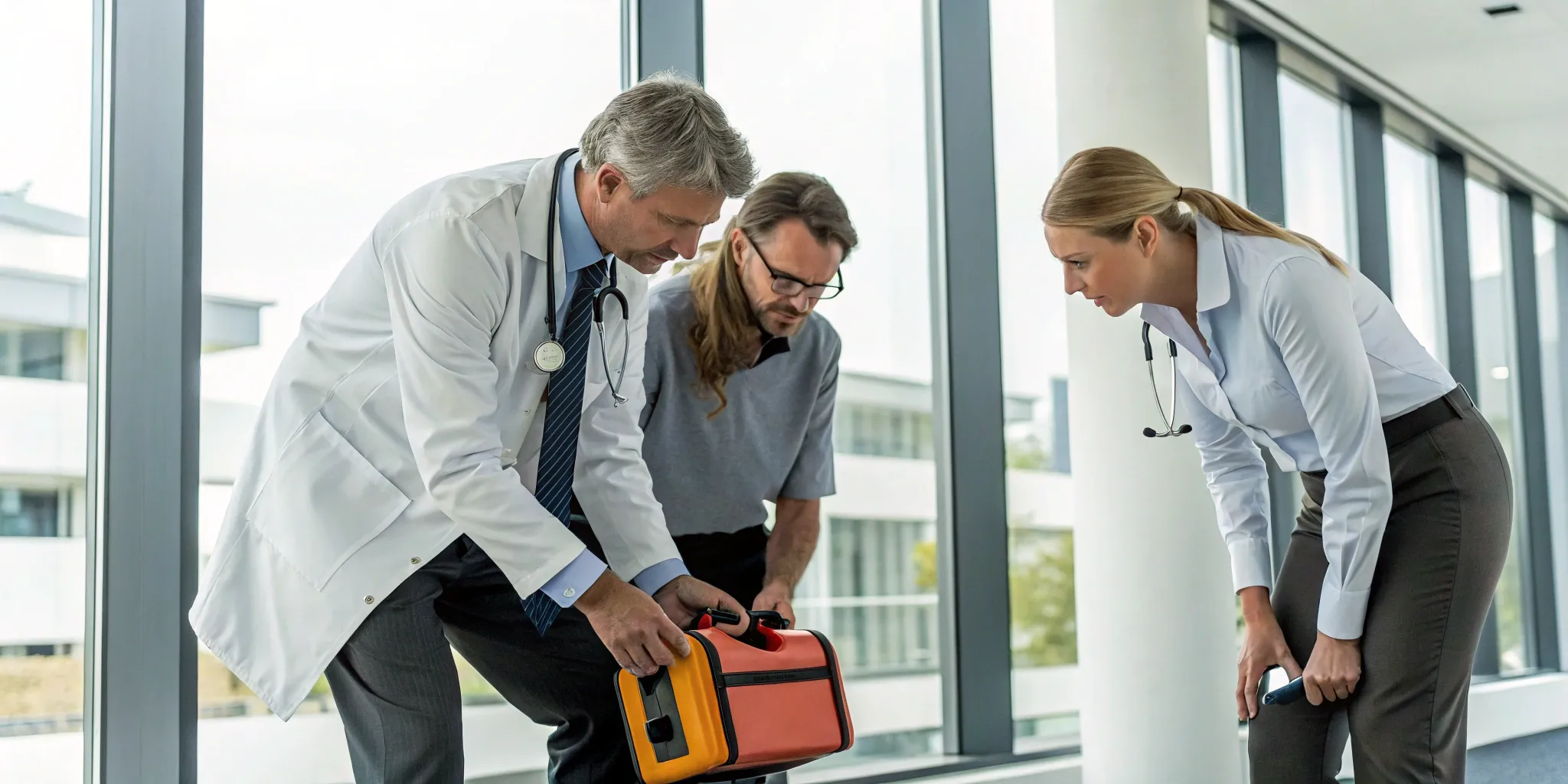
Not all AEDs are created equal, and the right one for a school will have different features than one designed for first responders. This variation is directly reflected in the price, making the answer to “how much is an AED?” dependent on your specific needs. This guide serves as a clear breakdown of what you can expect to pay for a device based on its intended environment—from a home or small office to a large, multi-location enterprise. We’ll explore the key features that influence cost, helping you make an informed decision and invest in a device that is perfectly suited for your organization.
What is an AED?
An Automated External Defibrillator, or AED, is a compact, portable device. It assesses the heart’s rhythm and gives a shock if needed. This helps the heart regain a normal beat during sudden cardiac arrest. This life-saving technology is crucial in emergencies. It offers help that can significantly enhance survival chances. An AED analyzes the heart’s electrical activity. It allows for fast, effective treatment before help arrives. This device saves lives. It’s for emergencies and for people with little or no medical training. It gives clear, step-by-step instructions. They guide users in placing electrode pads on the patient’s chest. Then, it assesses the heart’s rhythm. If the device detects a shockable rhythm, it delivers a controlled electric shock. This helps reset the heart’s electrical activity and may restore a normal rhythm. The AED monitors the patient’s heart rhythm. It gives real-time prompts and feedback to help the rescuer until help arrives. This support helps ensure the rescuer’s correct actions in the emergency.
Why Do I Need an AED at My Location?
Each year, about 350,000 Americans suffer sudden cardiac arrest (SCA). It’s a life-threatening condition. Without treatment within ten minutes, it is usually fatal. While traditional first aid methods, such as CPR, can be helpful, they are not enough when SCA occurs. This condition disrupts the heart’s electrical activity. It causes a deadly, irregular rhythm called ventricular fibrillation (VF). Without an AED to shock the heart, recovery is unlikely. The victim may not survive. Every minute without defibrillation reduces the chance of survival by about 10%. Sudden Cardiac Arrest causes nearly 1,000 deaths each day in the United States. This condition is unpredictable. It can affect anyone, regardless of age, gender, or health. It can even impact young, fit athletes. For this reason, it is best to have an AED in places that gather large crowds. It is also vital for those at risk of heart problems to access an AED in an emergency.
Understanding Legal Protections and Safety
Good Samaritan Laws and Liability
One of the biggest hesitations organizations have about installing an AED is the fear of liability. What if something goes wrong? Thankfully, that’s where Good Samaritan laws come in. These laws are designed to protect bystanders who act in good faith to help someone during a medical emergency. Most states have specific provisions that extend these protections to individuals who use an AED to save a life. The key is ensuring your device is properly maintained and your program meets local requirements, which is where comprehensive program management becomes so important. This legal framework is in place to empower you and your team to act decisively, removing the fear of legal repercussions for trying to help.
The Roles of CPR and AEDs in an Emergency
While CPR training is a fantastic first step, it’s important to understand its role alongside an AED. Think of it this way: CPR acts as a life-support system, manually pumping the heart to keep oxygenated blood flowing to the brain and other vital organs. It’s an essential bridge to keep the person alive. However, CPR alone often cannot correct the underlying electrical problem causing the sudden cardiac arrest. That’s the specific job of an AED. The device analyzes the heart’s rhythm and, if it detects a shockable rhythm, delivers a controlled electrical shock to help it reset. Using both together gives a person the best possible chance of survival.
The urgency of using an AED cannot be overstated. For every minute that passes without defibrillation, a person’s chance of survival drops by about 7-10%. This is why having an AED on-site and easily accessible is so critical—it dramatically shortens the time between collapse and the first shock. Modern AEDs are designed for anyone to use, with clear voice prompts and visual instructions guiding the rescuer through every step. They won’t deliver a shock unless it’s medically necessary, making them incredibly safe to operate even under pressure. When you combine immediate CPR with rapid defibrillation, you create the strongest link in the chain of survival.
How Much Does an AED Really Cost?
When buying an AED for your home or business, consider the cost. Knowing the initial price and total cost will help you choose the right defibrillator.
How Much Is an AED?
AED prices range from $1,400 to over $2,500, based on the model and its features. The final cost may also vary with any added accessories or features. When choosing an AED, be aware that some models have extra features that can increase the price. For instance, advanced models may include wireless connectivity. This allows for real-time device monitoring and faster emergency response. Some AEDs also check the ECG. This gives a better view of the patient’s heart. Advanced models often have long-lasting batteries. They are reliable and ready in critical moments. This gives users peace of mind.
Comparing AED Costs for Different Needs
The following sections explore the average cost of a new AED depending on its intended use.
The Cost of an AED for Your Home
Home AEDs are becoming popular. More people see their value in treating sudden cardiac arrest. Many AEDs require a prescription. Some retailers, like AED Leader, help with obtaining one at the time of purchase. This simplifies buying a personal AED. Yet, it is important to note that most insurance companies do not cover the cost of these devices. Consider two non-prescription AEDs: the Philips HeartStart OnSite and the HeartSine Samaritan 350P. As of August 2024, the average starting price for a new home AED at AED Leader is $1,473.50. The total cost can vary based on the options and accessories chosen.
AEDs for Your Business
In recent years, AEDs have become very important for businesses and offices. The American Heart Association says there are 10,000 cardiac arrests in U.S. workplaces each year. CPR and AEDs can double or triple survival rates. This shows the need for proper CPR training and AED management. As of August 2024, the AED Leader new AED for business use costs about $1,715.00.
AEDs for Churches and Non-Profits
Churches, places of worship, and non-profits often have unique needs and limited budgets when buying an AED. It’s important to consider the total costs. This includes the AED and any extra program or accessory costs. For those seeking an AED for a church or non-profit, please see the total cost of ownership details below. As of August 2024, AED Leader average starting price for a new AED for churches or non-profits is $1,712.00. The total cost varies based on the selected options and accessories.
AEDs for First Responders
AEDs are vital for home and personal use. But they are mostly used by emergency medical responders. Consider the total cost of ownership. It includes maintenance, accessories like defibrillator pads and batteries, the cost of a new device, and program management. Emergency medical responders and technicians often prefer high-end AEDs. They have advanced features that meet their needs. All AEDs aim to restore heart rhythms. Some models have extra features, like manual override, ECG monitoring, or aviation modes. These are essential for professional use. These extra features lead to an increase in the cost of the device. As of August 2024, AED Leader has the highest average price for EMS-use defibrillators, at about $3,217.00.
What Is the Total Cost of Owning an AED?
The true cost of owning an AED goes beyond the initial purchase price. To understand the total cost of ownership, consider all expenses. This includes replacement parts, like batteries and electrode pads. It also includes extras, like storage cabinets, signage, and training. To give you an idea of the lifetime costs of these products, we’ve included an example using average prices. Keep in mind that costs may vary over time, and the figures used are general estimates. For current prices or questions, please contact customer service. Or, check the product details before buying an AED. Let’s run through an example. It will show the cost of buying and maintaining an AED over four years. New AED device: $1,799 Backup Adult Electrode Pads: $50–$200 Backup Infant/Child Electrode Pads: $75–$230 AED Trainers: $400–$600 AED Cabinets, Signs, and Wall Stickers: $5–$250+ Recurring AED maintenance costs AED Electrode Pads: (Replaced every 2 to 4 years) AED Batteries: (replaced every 4 years)
Understanding Replacement Schedules and Costs
The initial purchase of an AED is just the beginning. To ensure your device is always ready for an emergency, you need to account for the ongoing costs of maintenance and replacement parts. Key components like electrode pads and batteries have expiration dates and must be replaced periodically to maintain functionality and compliance. Keeping track of these different schedules for one or multiple devices can become a significant administrative task. This is where a comprehensive AED program management service can be invaluable, handling the tracking and logistics so you can be confident your device is always prepared to save a life.
Electrode Pads
AED electrode pads typically need to be replaced every two to four years, even if they are never used. The conductive gel on the pads can dry out over time, which reduces their ability to adhere to the skin and deliver an effective shock. It’s also important to remember that once a set of pads is used in an emergency, it must be replaced immediately. Many organizations also keep separate sets of pediatric pads on hand for emergencies involving children. Having a reliable supplier for these essential AED accessories ensures you’re never caught unprepared when you need them most.
Batteries
The battery is the powerhouse of your AED, and its reliability is non-negotiable. Most AED batteries have a lifespan of about four years. While the device may sit unused for long periods, it continuously performs self-checks to ensure it’s functioning correctly, which gradually depletes the battery. A failing battery is one of the most common reasons an AED fails during a rescue attempt. Regularly monitoring battery life and replacing it according to the manufacturer’s schedule is a critical part of responsible AED ownership and a core component of any effective readiness program.
Accessories and Storage
Proper storage and visibility are just as important as the device itself. An AED cabinet protects the device from dust, damage, and theft, while clear signage helps people locate it quickly in a high-stress situation. These accessories can range from simple wall brackets and stickers to climate-controlled, alarmed cabinets, with costs varying from around $5 to over $250. Investing in the right storage solution ensures your AED is not only protected but also easily accessible, which can save precious seconds when an emergency occurs.
Considering Refurbished or Recertified AEDs
When looking to manage costs, you might be tempted by refurbished or recertified AEDs. While the lower initial price tag can seem attractive, it’s important to weigh the potential drawbacks. Refurbished devices often come with shorter warranties and may be based on older technology, making it more difficult to find compatible replacement parts down the line. A new AED guarantees you have the latest life-saving technology, a full manufacturer’s warranty, and the peace of mind that comes with a factory-sealed device. This ensures maximum reliability and support for years to come.
Instead of opting for a used device, consider other ways to make a new AED program affordable. For example, an AED rental program can provide access to a brand-new, fully maintained device for a low monthly fee, eliminating the large upfront capital expense. This approach often includes complete program management, covering all necessary inspections, accessory replacements, and compliance documentation. By exploring these options, you can implement a top-tier, reliable AED program that fits your budget without compromising on safety or quality.
Where Can I Buy an AED?
The best way to buy an AED is online or by contacting your local sales rep. Our online store has models to suit different needs. Our customer service team can help individuals or businesses choose the right AED. Before buying an AED, check the laws and regulations. They vary by country, state, county, and city. Schools, post offices, stores, fire departments, train stations, gyms, daycare centers, churches, warehouses, factories, healthcare facilities, and hospitals should have an AED for emergencies.
The Importance of Buying from an Authorized Dealer
When you’re investing in a device designed to save a life, where you buy it from matters just as much as what you buy. Purchasing from an authorized dealer is the best way to ensure you receive a reliable, effective product. An authorized dealer is a company that has been vetted and approved by the AED manufacturer to sell their products. This guarantees you’ll receive a genuine, factory-new device—not a counterfeit or improperly stored unit. Most importantly, it ensures your AED is covered by the full manufacturer’s warranty. Should an issue arise, you have a direct line to the support and service you need, which is a level of security you simply can’t get from an unverified third-party seller on a massive online marketplace.
Beyond authenticity, authorized dealers provide invaluable expertise. They can guide you through the different models and features to find the perfect fit for your organization’s specific environment and budget. Many also offer comprehensive packages that include essential accessories like cabinets, signage, and extra pads, simplifying the setup process. For organizations looking for a complete solution, a partner like AED Total Solution takes this a step further. We not only help you purchase the right AED but also offer ongoing program management to handle inspections, track expiration dates, and ensure your device is always compliant and ready for an emergency. This end-to-end support removes the guesswork and protects your investment and your people.
Are There Maintenance Costs for AEDs?
An AED’s ongoing maintenance cost is low compared to its high buy price. Key expenses include replacing batteries, adult and child pads, and other necessary supplies. On average, the annual upkeep per device is approximately $75. Some states require more than AED units. They require first aid kits and medical supplies, including CPR manikins for training.
Beyond the Purchase: AED Program Management
Getting an AED is a fantastic first step toward protecting your team, customers, or community. But the work doesn’t stop once the device is mounted on the wall. To be truly effective in an emergency, an AED needs consistent oversight. This ongoing process is called program management, and it’s what turns your AED from a piece of equipment into a reliable, life-saving system. It covers everything from routine inspections and supply replacements to ensuring you’re meeting local and state compliance requirements. Without a solid management plan, even the most advanced AED can fail when you need it most, which is a risk no one wants to take.
Why Program Management Matters
Think of it this way: your initial investment in an AED is just the beginning. The true cost of ownership includes the recurring expenses needed to keep it ready. Electrode pads and batteries have expiration dates and must be replaced every few years, even if the AED is never used. As the American Heart Association points out, immediate CPR and the use of an AED can double or even triple a person’s chance of survival after cardiac arrest. That statistic hinges on the AED being fully functional, which means having a plan to manage its upkeep is non-negotiable.
Effective management also involves regular readiness checks and documentation. Someone needs to physically verify that the AED’s status indicator shows it’s ready for use and that you’re meeting all local and state compliance rules. For organizations with multiple devices, this can become overwhelming. That’s why many choose a complete AED program management service to handle the details. It removes the guesswork and administrative burden, ensuring every device is inspected, compliant, and ready to save a life at a moment’s notice.
How Can I Buy an AED for Home Use?
Buying a defibrillator for home use is as straightforward as any online purchase. Yet, there are a few important factors to keep in mind when selecting an AED for personal use. The Philips HeartStart Home AED is a top choice for home use. It is the only FDA-approved over-the-counter defibrillator.
What Factors Influence the Cost of an AED?
Certain features can raise an AED’s cost. These include the operation type: fully or semi-automatic. Also, is there a shock button? Other factors, like a screen, rescue readiness, and battery life, can also affect the price.
Key Features to Look For
Not all AEDs are built the same. While every FDA-approved device is designed to save a life, certain features can make a significant difference in ease of use, effectiveness, and overall reliability. When you’re ready to shop for an AED, think about the specific environment where it will be stored and who is most likely to use it. Considering these key features will help you select a device that is perfectly suited for your organization’s needs, ensuring you’re prepared for an emergency.
Real-Time CPR Feedback
In the middle of a high-stress emergency, it can be difficult for a rescuer to know if they are performing CPR correctly. That’s where real-time feedback comes in. Some modern AEDs, like the ZOLL AED Plus, provide audio and visual prompts that guide the rescuer on the rate and depth of chest compressions. This feature helps ensure the CPR being delivered is effective, which is critical for keeping blood flowing to the brain and heart. It’s like having a coach by your side, giving you the confidence to perform high-quality CPR until professional help arrives.
Child and Infant Capabilities
Sudden cardiac arrest can happen at any age, so it’s important to be prepared for pediatric emergencies, especially in places like schools, churches, or community centers. Many AEDs are designed for both adults and children, using special pediatric pads or a key to reduce the energy of the shock to a safe level for a smaller body. When selecting a device, check to see how it accommodates younger victims. Having the right equipment for children and infants is a crucial part of a comprehensive safety plan.
Durability and Environmental Resistance
An AED needs to be ready to work in any environment, from a clean office to a dusty warehouse or a humid pool deck. That’s why durability is a key feature to consider. Look for the device’s IP (Ingress Protection) rating, which tells you how well it’s protected against dust and water. A higher rating means better resistance. This ensures that your device can withstand the conditions of its location and will be ready to function properly when you need it most, no matter where the emergency occurs.
Automatic Self-Testing
You need to have confidence that your AED will work when it’s called into action. Most modern AEDs perform routine self-tests on a daily, weekly, and monthly basis to check the battery, pads, and internal circuitry. The device will then signal with a clear visual indicator—like a green checkmark—if it’s ready for use. This feature is fundamental for readiness, but it’s only effective if someone is checking the status indicator regularly. This is where AED program management becomes essential, ensuring that if a device fails a self-test, the right people are notified and the issue is resolved immediately.
Can I Use Insurance to Purchase an AED?
Insurance is unlikely to cover an AED. It depends on your policy, coverage, and medical condition. Insurance may not help. But you could explore grants. They might assist with the cost if your organization qualifies. Check with your insurance provider to confirm eligibility. You may also be able to use an HSA or FSA for the purchase. Owning an AED usually does not lead to higher insurance premiums.
What Is a Home AED?
A Home Automated External Defibrillator (AED) is a portable device. It diagnoses and treats sudden cardiac arrest. It delivers an electric shock to the heart to restore its normal rhythm. AEDs are for non-medical users. They have clear instructions, voice prompts, and visual guides. Home AEDs are for personal use in homes. They let people respond to cardiac emergencies before help arrives. They are very useful in homes with a higher risk of heart emergencies. They significantly enhance survival chances.
How Do I Choose the Right AED for My Home?
Most sudden cardiac arrests occur outside of hospitals, particularly at home. For those at higher risk, how can we improve their survival during sudden cardiac arrest? One potential solution is investing in a home AED. We often get asked which AED is best for home use. People want to know what to consider in an AED. They want to know the importance of CPR during cardiac arrest and the cost of an AED. There isn’t a single solution for everyone. Our goal is to give you enough info to make the best choice for your needs.
Consulting with a Doctor First
Before you decide to purchase a home AED, it’s a good idea to have a conversation with your doctor. While these devices are designed for anyone to use, a medical professional can help you understand if it’s the right choice for your specific situation. They can assess your personal or family health history and discuss any risk factors for severe heart disease. This step isn’t about getting permission, but about making an informed decision. Your doctor can provide personalized advice and help you feel more confident about having a life-saving device in your home, ensuring it aligns with your family’s health needs and preparedness plan.
Basic Steps for Using a Home AED
When someone experiences sudden cardiac arrest, every second is critical because their brain and other organs are deprived of oxygen. If you find someone unresponsive, first check if they are breathing and have a pulse. If not, call 911 immediately. If other people are around, delegate tasks: one person calls for help while another starts CPR and a third retrieves the AED. Once you have the device, turn it on and simply follow the clear, calm voice instructions. It will guide you through placing the electrode pads on the person’s chest and will automatically analyze their heart rhythm to determine if a shock is needed. The device is designed to be foolproof, so you can act with confidence until emergency services arrive.
Maintaining Your Home AED
Owning an AED comes with the responsibility of making sure it’s always ready to work. This involves some light but crucial maintenance. The main tasks are replacing the batteries and electrode pads according to the manufacturer’s schedule—pads typically expire every two to four years, and batteries last around four years. It’s also smart to keep a spare set of pads on hand. The average annual upkeep is relatively low, but forgetting to replace an expired component can render the device useless in an emergency. For businesses and organizations, tracking these dates across multiple devices can become complex, which is why many opt for an AED program management service to handle inspections, monitor supplies, and ensure every device is compliant and ready to save a life.
Faqs
What Does AED Stand For?
AED stands for Automated External Defibrillator. It is a portable device. It diagnoses and treats sudden cardiac arrest. It does this by delivering an electric shock to restore a normal heart rhythm.
Are There Budget-Friendly AED Options?
Yes, there are affordable AED options available. While prices vary, several budget models are inexpensive. They provide life-saving functions without extra features that may raise the cost.
What Is the Average Cost of an AED?
The cost of an AED usually falls between $1,200 and $3,000, based on the model, features, and accessories. Yet, there are cheaper AEDs for personal or business use.
Your Next Step to Being Prepared
In conclusion, owning an AED can save lives. This is vital for those at high risk of sudden cardiac arrest. With many models, including cheap ones, it’s easy to find a device that suits your needs and budget. Knowing the cost, features, and importance of these devices can help. It will ensure you make an informed choice. You’ll have peace of mind and be ready for emergencies.
Key Takeaways
- Understand the Full Cost of Ownership: The initial price is just the beginning. To keep your AED ready for an emergency, you’ll need to budget for recurring costs like replacing electrode pads and batteries every few years.
- Choose Features That Fit Your Needs: The right AED depends on your environment. Consider who is likely to use it and where it will be stored, then look for key features like real-time CPR feedback, pediatric capabilities, or enhanced durability.
- Make a Plan for Ongoing Maintenance: An AED only works if it’s properly maintained. Regular readiness checks and a system for tracking expiration dates are essential to ensure your device is functional when seconds matter most.
Related Articles
Disclaimer for information purposes only:
The information provided on this website is intended for general educational and informational purposes only. It is not medical advice and should not be used as a substitute for professional diagnosis, treatment, or care. Always consult a qualified healthcare or medical professional regarding any health-related questions or concerns.
While we strive to ensure the information shared is accurate and up to date, no guarantees are made regarding completeness, accuracy, or applicability to any individual situation. Use of this content is at the reader’s sole discretion and risk.
This website is part of the Response Ready family of emergency preparedness and training resources, including CPR & first aid training and compliance services, AED sales and program support, AED program management software, and medical oversight solutions provided through our affiliated platforms:
• CPR1.com
• AEDLeader.com
• ResponseReady.com
• MDSIMedical.com
By accessing or using this website, you agree to release, indemnify, and hold harmless the website owners, authors, contributors, and affiliated entities from any claims, losses, damages, or liabilities arising from the use or reliance on the information presented.