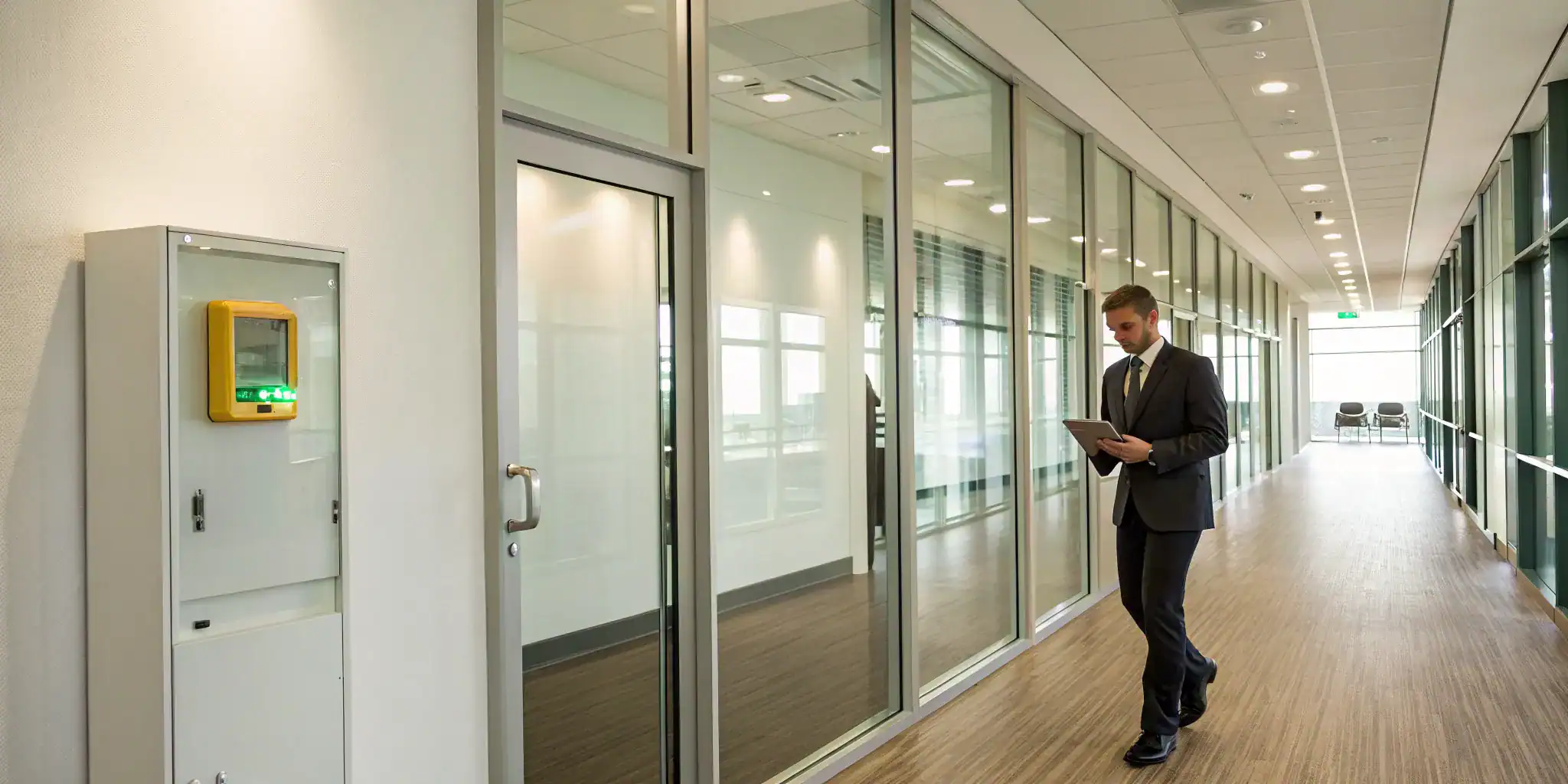
Managing one AED is a challenge; managing a fleet of them across multiple locations is a logistical nightmare. How can you be certain the device in your satellite office is as ready as the one in your headquarters? Without a centralized system, you’re left hoping each location is keeping up, creating massive compliance gaps and liability risks. This is the exact problem that AED compliance management solves. It provides a single source of truth, giving you a clear, at-a-glance view of your entire program. It streamlines oversight, ensures consistency across all sites, and gives you the control needed to maintain readiness at scale.
Key Takeaways
- Prioritize ongoing maintenance for readiness and protection: Proper AED management involves more than just owning a device. It requires consistent inspections, tracking supply expirations, and keeping detailed records to ensure the AED works during an emergency and to shield your organization from liability.
- Automate your program to eliminate human error: Manual tracking with spreadsheets is prone to mistakes that can leave your AED unprepared. A dedicated management system sends automated alerts for inspections and expirations, creating a reliable safety net so critical tasks are never forgotten.
- Evaluate your team’s capacity before choosing a solution: Be realistic about your internal resources. If your team is stretched thin, a full-service management partner can handle every detail for you. If you have dedicated staff, a software-only platform can provide the structure you need to manage compliance effectively.
What Is AED Compliance Management (And Why It Matters)
AED compliance management is the ongoing process of making sure your automated external defibrillators (AEDs) are ready, working, and compliant with all relevant regulations. It’s much more than just buying a device and mounting it on the wall. It involves a consistent cycle of inspections, maintenance, and documentation to ensure every device is prepared for an emergency. Think of it as the complete system that keeps your life-saving equipment in a constant state of readiness.
This matters because an AED that doesn’t work creates a false sense of security and can have devastating consequences. Proper management protects your organization from legal risks, prevents costly fines, and, most importantly, ensures the device can actually save a life when someone suffers a sudden cardiac arrest. A well-managed AED program moves beyond simple ownership and creates a reliable safety net for your employees, customers, and community. It removes the guesswork and gives you confidence that you’re prepared for the worst-case scenario.
Protect Your Organization from Liability
As an AED owner, you are legally responsible for ensuring your devices are properly maintained and ready to use. This isn’t just a best practice; in many places, it’s a requirement. If an AED fails during an emergency because of a dead battery, expired pads, or a missed inspection, your organization could face serious legal action. While Good Samaritan laws often protect rescuers, they may not protect an organization found negligent in its duty to maintain its equipment. A structured compliance program provides a clear, documented history of readiness, serving as your best defense against liability claims and demonstrating your commitment to safety.
Understand the Real Cost of Non-Compliance
Failing to meet AED requirements can lead to more than just legal trouble. Many states have specific regulations that include penalties and fines for non-compliance, and these financial repercussions can be significant. Beyond the direct costs, a failed AED event can severely damage your organization’s reputation. The negative publicity and loss of trust can have long-lasting effects on your brand and your bottom line. Investing in a reliable management system is a small price to pay compared to the steep costs of non-compliance, which can impact your finances, your brand, and your community’s confidence in your organization.
How Proper Maintenance Saves Lives
At the end of the day, the most important reason for AED compliance is simple: it saves lives. A sudden cardiac arrest is a time-critical emergency where every second counts, and an AED must be ready to work instantly. This means its readiness indicator needs to be checked regularly, and its batteries and pads must be within their expiration dates. Consistent maintenance and clear record-keeping are what turn a piece of equipment into a life-saving tool. Proper management ensures that when an emergency happens, your team can act with confidence, knowing the device in their hands is ready to deliver a life-saving shock.
The Key Parts of AED Compliance Management
Effective AED compliance is more than just mounting a device on the wall and hoping for the best. It’s an active, ongoing process with several moving parts. When an emergency happens, you need absolute certainty that your AED is ready to go and your team knows what to do. A strong compliance management program breaks this big responsibility into four manageable pillars. By focusing on these key areas, you can build a reliable system that protects your people, reduces your liability, and ensures your program is always prepared for an audit or an emergency. Let’s walk through what each part involves.
Track Device Inspections and Maintenance
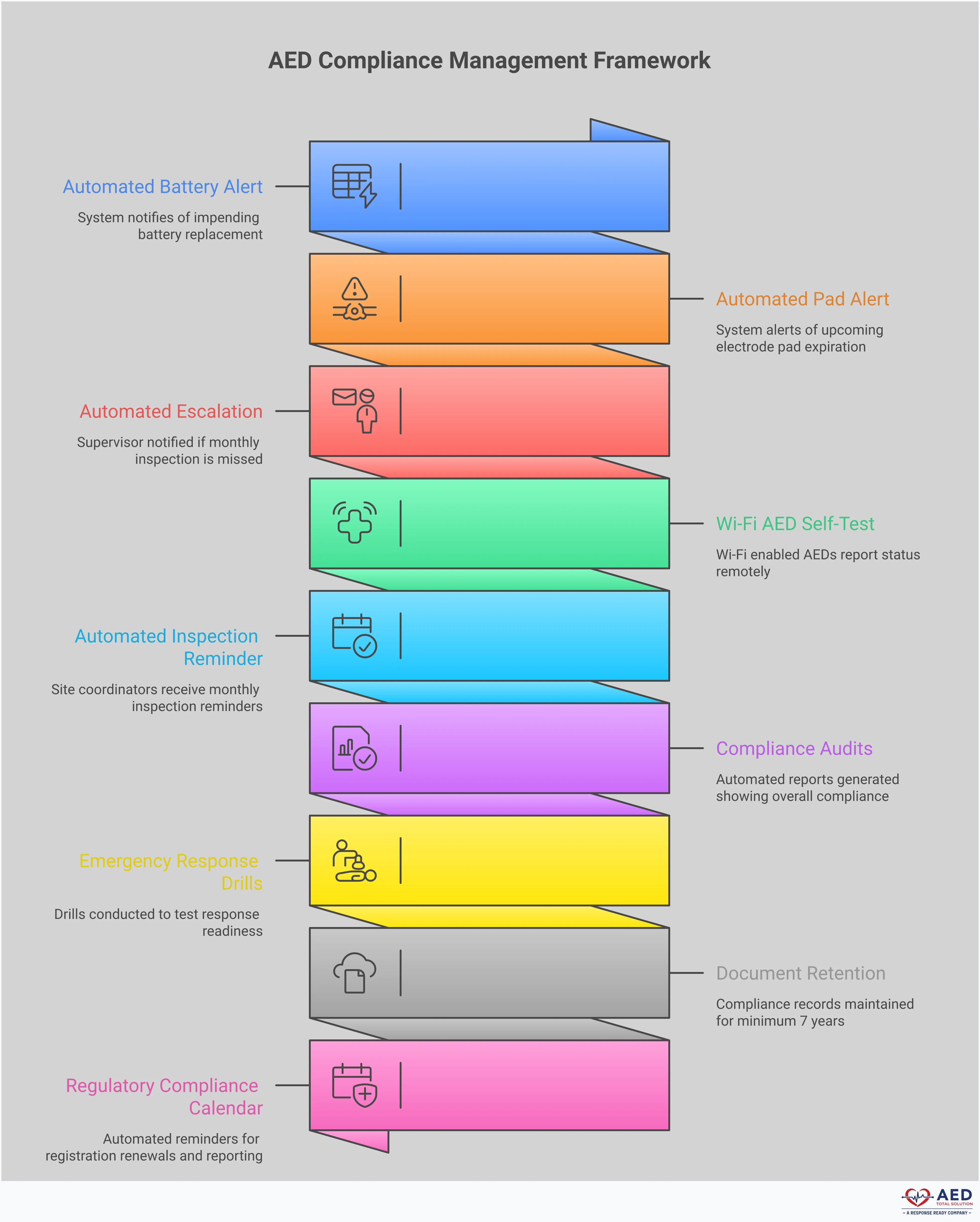
Think of regular AED inspections as a health checkup for your life-saving equipment. Most states and device manufacturers require routine checks, typically monthly, to confirm the AED is in working order. During an inspection, you’ll check the device’s readiness indicator (usually a green light or status symbol), look for any physical damage, and make sure all necessary supplies are present. A great AED program management system automates this process. Instead of relying on a paper checklist tacked to the wall, it sends reminders, tracks completion, and creates a digital log, so you never miss a check.
Monitor Battery and Pad Expirations
An AED’s battery and electrode pads don’t last forever. They have specific expiration dates, and using them past that date can cause the device to fail during a rescue. Batteries typically last between two and five years, while pads usually expire every two years. Manually tracking these dates for one device is tedious enough; for multiple devices across different locations, it’s a recipe for human error. A compliance management system monitors these critical dates for you. It sends alerts well before a component expires, giving you plenty of time to order and install replacement batteries and pads.
Keep Clear Records and Documentation
If you can’t prove you did it, it didn’t happen. This is especially true for AED compliance. Keeping detailed records of every inspection, maintenance activity, battery replacement, and staff training session is essential for protecting your organization from liability. In the event of an incident, this documentation serves as proof that you followed best practices and maintained your equipment properly. A dedicated management system acts as your central hub for all records. It automatically logs every action, creating a clean, audit-ready history for each device in your program, which is a core feature of end-to-end AED management.
Manage Staff Training and Certifications
A ready AED is only half the equation; you also need people who are ready to use it. A key part of compliance is ensuring you have enough trained and certified responders on-site. This involves tracking who has completed CPR and AED training and when their certifications expire. A comprehensive program helps you manage your team’s training records and alerts you when recertification is needed. It also helps you maintain a written emergency response plan, which outlines where AEDs are located and what steps to take during a cardiac arrest. Answering common training requirement questions is a fundamental part of a well-rounded program.
What to Look For in an AED Management System
Choosing an AED management system is a big decision. The right platform won’t just track your devices; it will give you confidence that your entire program is ready and compliant. A great system works behind the scenes to simplify your responsibilities, reduce risk, and make sure every AED is prepared for an emergency. As you compare your options, think about which features will make the biggest difference for your team and your organization’s safety goals. Look for a solution that automates the tedious work, provides clear visibility across all your locations, and ultimately makes your job easier. This isn’t just about checking a box for compliance; it’s about building a reliable, life-saving program you can count on when seconds matter most. The goal is to move away from reactive problem-solving (like scrambling when an auditor shows up) and toward a proactive state of readiness. A solid system should feel like having an expert program manager on your team, one who keeps an eye on every detail so you can focus on the bigger picture of workplace safety.
Automated Alerts and Reminders
The most significant risk in any AED program is human error. Forgetting to perform a monthly inspection or missing an upcoming expiration date can leave a device useless when it’s needed most. That’s why automated alerts are non-negotiable. A reliable system should automatically notify you and your team about critical deadlines, including battery and pad expirations. It should also send reminders for scheduled readiness checks and flag any inspections that were missed. This digital safety net ensures that essential maintenance tasks never fall through the cracks, keeping your AED program management on track without relying on manual calendar entries or spreadsheets.
A Central Dashboard for Easy Reporting
If you manage more than one AED, you need a single source of truth. A central dashboard gives you an at-a-glance overview of your entire AED inventory, no matter how many devices or locations you oversee. This command center should clearly display the readiness status of each AED, highlight any devices that need attention, and provide easy access to maintenance logs and documentation. When it’s time for an audit or a report to leadership, you can pull accurate, up-to-date information in minutes instead of hours. This level of organization is key to demonstrating compliance and maintaining control over your program.
Tools to Manage Multiple Locations
Coordinating an AED program across multiple sites presents a unique set of challenges. A system built for scale is essential. Look for tools that allow you to group devices by facility, assign local contacts for inspections, and monitor compliance from a central administrative account. This structure helps you delegate tasks to on-site staff while maintaining complete oversight. With the right platform, you can ensure every location, from the main office to the smallest satellite branch, meets the same high standard of readiness and compliance, creating a consistent safety net across your entire organization.
Remote Readiness Monitoring
Some of the most advanced AEDs can perform their own daily, weekly, and monthly self-tests and report their status over a Wi-Fi connection. An effective management system can capture this data, offering true remote readiness monitoring. This technology provides real-time updates on whether a device is fully functional, so you know its status without having to perform a manual check. While it doesn’t replace the need for visual inspections (to ensure the device is accessible and supplies are present), it adds a powerful layer of assurance that your AED is ready to perform at a moment’s notice.
Integration with Your Safety Systems
Your AED program is just one piece of your organization’s overall safety and emergency response plan. The best management systems are designed to fit seamlessly into your existing protocols. While direct software integrations can be complex, a system should provide simple ways to export data and reports that can be used with your other safety management tools. By automating routine tasks like tracking expiration dates and inspection schedules, a dedicated AED management solution frees up your safety team to focus on broader initiatives, like running drills and improving response plans.
Comparing AED Compliance Management Solutions
Once you decide to move beyond a simple spreadsheet, you’ll find a few different types of AED management solutions. Each offers a different level of support, and the right one for your organization depends on your internal resources, the number of devices you manage, and your tolerance for risk. Let’s walk through the most common options so you can make an informed choice.
Full-Service Program Management (Like AED Total Solution)
Think of full-service program management as having a dedicated expert team for your AEDs. This white-glove approach handles every single detail, from tracking inspections and supply expirations to managing documentation and ensuring you meet all state requirements. Instead of just getting software that sends you alerts, you get a partner who follows through on those alerts for you. This is the most comprehensive option, designed to remove the administrative burden from your team and significantly reduce liability. A full-service solution is ideal for organizations that want total peace of mind and assurance that their program is always ready and audit-proof.
Software-Only Platforms
Software-only platforms are a big step up from manual tracking. These systems provide a central dashboard to monitor your AEDs and send automated reminders for critical tasks like monthly inspections or upcoming battery expirations. The software makes it much harder to forget a key compliance check, which is a huge benefit. However, the responsibility for performing the inspections, ordering new supplies, and documenting everything still falls on your internal team. This can be a great fit for organizations that have a dedicated safety manager or staff member who can take ownership of the program and act on the software’s notifications promptly.
Manufacturer-Backed Programs
Many AED manufacturers offer their own compliance management tools. These programs are typically designed to work seamlessly with their specific brand of devices, helping you track the pads and batteries they produce. While often easy to use, their main limitation is that they are brand-specific. If your organization uses AEDs from multiple manufacturers, you might find yourself juggling several different systems, which can defeat the purpose of a centralized solution. This option works best for businesses that have standardized their entire AED fleet with a single brand and are looking for a simple tracking tool directly from the source.
Full-Service vs. DIY Tracking Tools
The core difference between a full-service partner and a DIY tool (whether it’s software or a spreadsheet) comes down to accountability. A DIY tool gives you reminders, but a full-service provider takes action. With a managed program, you have an expert partner acting as an extension of your safety team, closing compliance gaps that can easily be missed. This is crucial because failing to meet regulatory requirements can lead to serious legal and financial penalties. A managed AED program shifts the responsibility for readiness from your shoulders to a dedicated specialist, ensuring your devices are not just monitored, but truly ready to save a life.
How Much Does AED Compliance Management Cost?
When you’re thinking about the cost of AED compliance, it’s helpful to frame it as an investment in safety and preparedness. The price can vary quite a bit, depending on the size of your organization and the level of support you need. Your options generally fall into two categories: software-only subscriptions that help you track everything yourself, or full-service management where a dedicated partner handles the entire process for you.
Choosing the right path depends on your internal resources, the number of devices you manage, and how much risk you’re willing to take on. A simple software subscription might seem cheaper upfront, but it still requires a significant time commitment from your team. On the other hand, a comprehensive management service costs more but removes the administrative burden and provides a much higher level of assurance. Let’s break down what you can expect to pay for each approach and explore the hidden costs of trying to manage it all on your own.
Software Subscription Costs
If you have the internal staff to handle inspections and maintenance, an AED management software platform can be a good starting point. These tools are typically priced on a per-device, per-year basis. For example, some popular options like The Arch Online AED Management Program cost around $150 per device annually. More feature-rich systems, such as LifeShield AED Compliance Management, might be closer to $190 per device.
These platforms are designed to help you keep track of critical data. They send automated reminders for battery and pad expirations and prompt your team to perform routine inspections. While they provide a helpful framework for compliance, the responsibility for actually performing the checks, ordering supplies, and maintaining records still rests entirely on your team’s shoulders.
The Investment in Full-Service Management
For organizations that want total peace of mind, full-service program management is the most comprehensive option. This approach goes far beyond simple software reminders. A dedicated partner takes complete ownership of your AED program, managing every detail from routine inspections and supply replacements to documentation and compliance reporting. This white-glove service ensures your devices are not just monitored, but are truly response-ready at all times.
While the upfront cost is higher than a software subscription, you’re paying for expertise and accountability. Your team is freed from the complex and time-consuming tasks of AED oversight, allowing them to focus on their primary roles. This investment provides an end-to-end solution that closes compliance gaps and significantly reduces your organization’s liability.
The Hidden Costs of Manual Tracking
Trying to manage your AED program with a spreadsheet or a paper-based system might seem like a way to save money, but it often costs far more in the long run. Manual tracking is prone to human error, which can lead to missed inspections or expired supplies. If a device fails during an emergency due to poor maintenance, the consequences can be devastating, both ethically and legally.
Organizations that don’t meet regulatory requirements can face steep fines and legal action. These penalties can easily exceed the cost of a proper management system by a huge margin. Beyond the direct financial risk, there’s the potential damage to your organization’s reputation. The real cost of non-compliance isn’t just a line item; it’s a significant liability that can put your entire organization at risk.
Calculating the ROI of a Managed Program
The return on investment for a managed AED program extends beyond simple dollars and cents. While you can calculate the direct savings from avoided fines and reduced staff time spent on administrative tasks, the true value lies in risk mitigation and readiness. A professionally managed program ensures your AEDs will function as intended during a sudden cardiac arrest, which is a priceless outcome.
Think about the hours your team would spend tracking expiration dates, conducting inspections, and keeping records. A managed service gives that time back to your organization. It also provides audit-ready documentation on demand, protecting you from liability. When you consider the time, resources, and expertise required to maintain a compliant program, investing in a managed solution often becomes the most cost-effective choice.
Common AED Compliance Challenges to Avoid
An effective AED program is about more than just having a device on the wall. It requires consistent oversight to ensure it’s ready to use and compliant with all regulations. Many organizations start with the best intentions but run into a few common roadblocks that can put their program, and their people, at risk. Understanding these challenges is the first step toward building a truly reliable safety net for your workplace. From simple human error to the complexities of multi-state laws, these are the hurdles you need to be prepared to clear.
Human Error from Manual Tracking
Relying on spreadsheets and calendar reminders to track your AEDs is a recipe for compliance gaps. While manual tracking might seem manageable for one or two devices, it’s incredibly vulnerable to human error. A missed inspection, an overlooked expiration date for a battery, or a forgotten log entry can leave your device useless in an emergency. Even the most diligent employee can get busy or make a mistake. An automated AED management program removes that risk by sending alerts for readiness checks and tracking expiration dates for pads and batteries automatically. This ensures critical tasks are never forgotten, giving you confidence that your equipment is always ready.
Staff Turnover and Lost Knowledge
What happens when the one person who manages your AED program leaves the company? Too often, their knowledge leaves with them, creating a serious gap in your emergency preparedness. A survey by the American Heart Association found that half of all employees couldn’t even locate the AED at their workplace. When program management is informal or dependent on a single individual, staff turnover can erase all institutional memory of inspection schedules, maintenance logs, and compliance protocols. A structured, documented program ensures continuity. By centralizing all information and procedures, you create a system that outlasts any single employee and keeps your entire team prepared.
Coordinating Across Multiple Locations
Managing AEDs across multiple facilities adds a significant layer of complexity. Ensuring every device at every location is properly maintained, inspected, and compliant can feel like a logistical nightmare. Without a centralized system, you lack visibility into the readiness of your entire fleet of AEDs. You’re left hoping that each site manager is keeping up with their responsibilities, but you have no way to verify it easily. A consolidated management solution gives you a single dashboard to oversee every device. This allows you to streamline inspections, track compliance across all sites, and address issues at a specific location before they become a liability.
Keeping Up with State Regulations
AED compliance isn’t governed by a single, nationwide rulebook. While federal laws like the Cardiac Arrest Survival Act provide a foundation, the specific AED legal requirements are determined at the state level. These regulations can vary widely, dictating everything from where a device must be placed to who needs to be trained and how often. For organizations operating in multiple states, tracking these different rules is a massive undertaking. Staying current is essential for avoiding fines and liability, and it’s one of the most compelling reasons to partner with compliance experts who handle the research for you.
Key AED Regulations You Need to Know
Staying on top of AED regulations can feel like a full-time job, but it’s one of the most important parts of managing your program. Compliance isn’t just about having a device on the wall; it’s about ensuring your program meets specific legal standards that protect both the user and your organization. These rules come from different places, including federal guidelines, state-specific laws, and workplace safety standards.
Think of compliance as the framework that supports your entire emergency response plan. It ensures your AED is properly maintained, your staff is trained, and you’re protected from liability if the device is ever used. Getting this right gives you confidence that your program is not only effective but also legally sound. Below, we’ll walk through the main regulatory areas you need to have on your radar, from local statutes to federal workplace safety guidance.
State-Specific AED Laws
While federal acts provide a baseline for AED programs, the day-to-day rules are almost always set at the state level. Each state has its own set of AED rules and regulations that dictate everything from where a device must be placed to how often it needs to be inspected. For example, some states require AEDs in schools and fitness centers, while others have specific mandates for registration with local emergency services. As an AED owner, you are legally responsible for meeting these local requirements. For organizations with sites in multiple states, this creates a complex web of rules that must be tracked for each location.
OSHA Guidance for Workplace Safety
The Occupational Safety and Health Administration (OSHA) doesn’t have a specific standard that requires every workplace to have an AED. However, OSHA does mandate that employers provide a workplace free from recognized hazards. It also requires access to medical and first aid personnel and supplies, especially if your facility isn’t close to a hospital. Because sudden cardiac arrest is a life-threatening emergency, having a properly managed AED program is considered a best practice for meeting these broader safety obligations. It demonstrates a commitment to employee safety and preparedness, strengthening your overall workplace safety culture.
Understanding Good Samaritan Laws
Most states have Good Samaritan laws that offer legal protection to individuals who step in to help during a medical emergency, including using an AED. However, this protection isn’t always guaranteed for the organization that owns the device. Often, that liability protection is conditional on the AED program being fully compliant. This means the device must be properly maintained, the pads and batteries must be within their expiration dates, and all required checks must be documented. If your program isn’t compliant, you could be found negligent, putting your organization at risk.
Medical Oversight and Direction
Because AEDs are medical devices regulated by the FDA, some states require them to be part of a program that has medical oversight. This means a licensed physician must oversee your program, which often includes writing the initial prescription for the device, establishing protocols for its use, and reviewing data after an event. This isn’t just a suggestion; in many places, it’s a legal requirement for a compliant program. Navigating this can be tricky, which is why many organizations rely on program management services that include medical direction to ensure every box is checked.
How to Choose the Right Compliance Solution
Finding the right AED compliance solution isn’t about picking the most popular software; it’s about matching a system to your organization’s unique structure and goals. The best choice for a single-office startup will be very different from what a multi-state school district needs. To make a confident decision, you need to look at your specific requirements, your team’s capacity, and your plans for the future. Let’s walk through the key factors to consider so you can find a solution that protects your people and your organization.
Assess Your Organization’s Needs
Start by taking stock of your current AED program. How many devices do you manage? Are they all in one building, or are they spread across different cities or states? Each location might have its own local compliance rules to follow. An effective AED program requires managing every component, but it’s tough to find the time and resources to keep everything up-to-date. Make a list of your non-negotiables. Do you need a system that tracks training certifications for your staff? Do you need detailed reports for audits? Understanding exactly what you need to manage will help you filter out the options that won’t work for you.
Evaluate Your Internal Resources
Next, be realistic about who will manage the program. Do you have a dedicated safety manager with the bandwidth to handle routine inspections, track expiration dates, and maintain documentation? Managing an AED program is much more than just buying a device and hanging it on the wall; it requires consistent attention from someone who understands the requirements. If your team is already stretched thin, assigning them these critical tasks can lead to missed deadlines and compliance gaps. Consider whether you have the internal expertise and time or if partnering with an expert program management service would be a more reliable approach.
Compare Software vs. Managed Services
Your main choices will likely fall into two categories: software-only platforms or full-service program management. AED management software sends automated alerts for things like expiring pads, which is a great feature. However, the responsibility for acting on those alerts still rests on your team. A managed service takes it a step further. With a full-service solution, you not only get the software and alerts, but you also get a team of experts who follow through on every task. They ensure inspections happen, supplies are ordered, and your program remains compliant, removing the burden from your staff entirely.
Plan for Future Growth
Finally, think about where your organization is headed. Are you planning to expand to new locations or add more facilities in the coming years? The solution you choose today should be able to grow with you. A system that works well for a handful of AEDs can become complicated when you’re managing dozens across multiple sites. Look for a solution that offers a centralized dashboard to oversee all your devices, no matter where they are. This ensures you can confidently manage every AED across every location, maintaining compliance and readiness as your organization evolves.
How to Implement Your AED Compliance Program
Putting a solid AED compliance program in place might feel like a huge undertaking, but you can simplify it by breaking it down into a few key steps. A successful program goes beyond just having an AED on the wall. It’s about building a reliable system that ensures your device is always ready and your team is prepared to act. By focusing on automated monitoring, a consistent maintenance schedule, proper training, and clear documentation, you can create a program that protects your organization and is truly ready to save a life when seconds count.
Set Up Automated Monitoring
If you’re still using spreadsheets or calendar reminders to track your AEDs, it’s easy for critical dates to slip through the cracks. Automated monitoring is the first step toward a more reliable system. A digital management tool can track battery and electrode pad expiration dates for you, sending automatic alerts when it’s time to order replacements. These systems also send out monthly reminders for your routine device checks and inspections, creating accountability and ensuring nothing is missed. This proactive approach is the foundation of modern AED program management and removes the risk of human error from your compliance process.
Create a Maintenance Schedule
Beyond tracking expiration dates, your AEDs require regular, hands-on inspections to confirm they are ready for use. Your maintenance schedule should include monthly checks to verify the device’s status indicator is green, ensure supplies are present and intact, and check for any physical damage. These ongoing checks are highly regulated, and specific requirements can vary depending on where you are located. Establishing a consistent schedule and assigning clear responsibility for these checks is essential. You can find detailed information on state-specific AED laws to make sure your maintenance routine meets local requirements and keeps your program fully compliant.
Train Your Team on Procedures
An AED is only effective if people feel confident enough to use it. That’s why comprehensive team training is a non-negotiable part of any compliance program. Your designated responders should be trained in both CPR and AED use, not just once, but on a recurring basis to keep their skills sharp. Regular training builds the muscle memory and confidence needed to act decisively during a high-stress cardiac emergency. Providing access to certified CPR and AED courses empowers your team to be true lifesavers, turning your AED program from a compliance checkbox into a genuine safety asset for your organization.
Build an Audit-Ready Documentation Process
In the event of an incident or an audit, you’ll need to prove your organization performed its due diligence. That’s where meticulous documentation comes in. Your system should maintain a detailed history for each AED, including its serial number, placement, and a complete log of all maintenance activities. This includes records of every monthly inspection, battery and pad replacement, and staff training certification. An audit-ready process gives you a complete, time-stamped record that demonstrates your commitment to readiness and compliance. This documentation is your best defense against liability and provides peace of mind that your program is managed correctly.
How to Measure the Success of Your Program
A successful AED program isn’t just about having a device mounted on the wall. It’s about having complete confidence that your program is effective, compliant, and ready for an emergency. Measuring success means looking beyond the hardware and evaluating the systems you have in place. Are your inspections happening on time? Are your supplies up to date? Is your documentation audit-ready? A truly successful program is one that runs so smoothly you rarely have to think about it, giving you peace of mind that you’re prepared for the moments that matter most.
Key Metrics to Track
To know if your program is working, you need to track the right things. Start by focusing on a few core metrics that directly reflect your readiness. First, look at your inspection completion rate. Are your devices being checked on schedule, every time? Next, monitor the expiration dates for all batteries and pads. A great AED management program sends automatic alerts so you never miss a replacement. Finally, keep an eye on staff training and certification records. A successful program ensures your team is always prepared to act. Tracking these key indicators helps you move from hoping you’re ready to knowing you are.
Confirming You’re Audit-Ready
Being audit-ready means you can prove your program’s compliance at any time. This isn’t just about passing an official inspection; it’s about having clear, organized records that protect your organization. Your system should generate reports that show a complete history of every device’s status and maintenance checks. This documentation is your best defense should your program’s compliance ever be questioned, especially in relation to Good Samaritan laws. When you have a detailed log of every inspection, battery replacement, and staff training session, you have tangible proof that you’ve done your due diligence.
Strategies for Continuous Improvement
A great AED program is never static; it gets better over time. Continuous improvement starts with making routine maintenance a non-negotiable habit. Consistently checking the readiness indicator and logging every inspection builds a strong foundation of preparedness. From there, look for ways to streamline your processes, especially if you’re managing AEDs across multiple locations. Regularly review your procedures, gather feedback from your team after drills or events, and update your plan as your organization grows. By treating your AED program as a living part of your safety culture, you ensure it remains effective for years to come.
Related Articles
- AED Program Management | Compliance and Maintenance
- Top 4 AED Compliance Management Software Platforms
- AED Program Management | Full-Service Compliance & Readiness
- AED Legal Requirements for Businesses: Stay Compliant
- What Is AED Inspection Software? A Buyer’s Guide
Frequently Asked Questions
We only have one AED. Is a full management program really necessary? That’s a great question, and it’s one I hear a lot from smaller organizations. While it might seem like overkill, the legal and maintenance requirements are the same whether you have one AED or one hundred. You still need to perform monthly inspections, track battery and pad expiration dates, and keep detailed records to stay compliant and reduce liability. A managed program ensures these critical tasks don’t get forgotten, giving you confidence that your single device is always ready to work when you need it most.
What’s the real difference between a software tool and a full-service management program? Think of it this way: a software tool is like a calendar reminder. It will send you an alert that an inspection is due or a battery is about to expire, but it’s still up to your team to perform the task, order the part, and document everything correctly. A full-service program acts as an extension of your team. It not only sends the alert but also follows through to ensure the work gets done, providing a layer of accountability that software alone can’t offer.
How can I keep up with all the different state-specific AED regulations? Keeping track of state laws is one of the biggest challenges of managing an AED program, especially if you have locations in more than one state. These regulations can be complex, vary widely, and change over time. Instead of spending hours on legal research, the most reliable approach is to partner with a compliance expert. A full-service provider handles this for you, ensuring your program meets all local requirements, no matter where your facilities are located.
What does “medical oversight” mean and is it actually required? Medical oversight means that a licensed physician oversees your AED program. This typically involves providing a prescription for the AED (which is an FDA-regulated medical device), establishing protocols for its use, and reviewing any data after an emergency. Many states legally require medical oversight for a program to be compliant. Even where it isn’t strictly mandated, it is considered a best practice that strengthens your program and helps protect your organization from liability.
Besides compliance, what’s the biggest benefit of a managed AED program? The biggest benefit is peace of mind. While meeting compliance standards is essential for avoiding fines and legal trouble, the ultimate goal is to save a life. A well-managed program gives you the confidence that if a cardiac arrest emergency happens, your equipment will work and your team will be prepared. It removes the constant worry about whether a critical task was missed, allowing you to focus on your core responsibilities, knowing your safety net is secure.