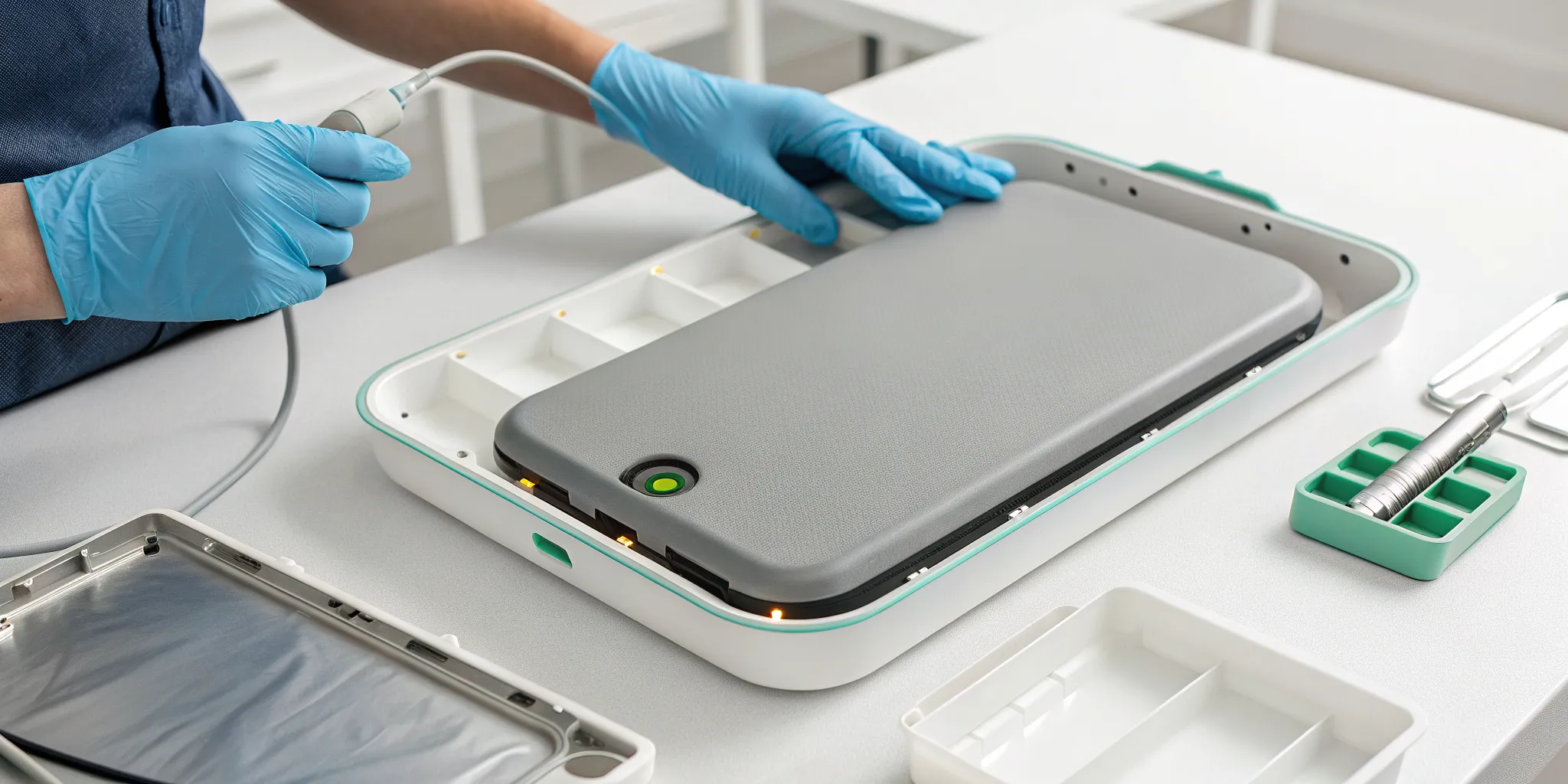
When an AED battery expires, simply ordering a new one online only solves part of the problem. Who installs it? Who verifies the device is functioning correctly after the swap? Who updates the maintenance log and tracks the new expiration date? These are the critical steps where readiness can fail. A true AED battery replacement service addresses the entire lifecycle, not just the transaction. It’s a comprehensive solution that integrates procurement, professional installation, and meticulous record-keeping into your overall AED program management. This ensures there are no gaps in your process, guaranteeing your device is truly prepared to save a life.
Key Takeaways
- Treat expiration dates as firm deadlines: Your AED battery’s printed expiration date is non-negotiable. To ensure readiness, combine regular visual inspections with attention to your device’s audible and visual low-battery alerts.
- Stick with authentic manufacturer parts: Using genuine, manufacturer-approved (OEM) batteries is the only way to guarantee compatibility and reliable performance. Third-party alternatives can void your device’s warranty and introduce unnecessary risk during an emergency.
- Use a management service for complex programs: For organizations with multiple AEDs, manual tracking with spreadsheets is inefficient and prone to error. A professional program automates tracking, provides timely alerts, and centralizes documentation to ensure every device is compliant and ready.
What is an AED battery replacement service?
An AED battery replacement service is a managed solution that ensures the batteries in your automated external defibrillators are always ready for an emergency. While many vendors sell replacement batteries for brands like Philips, ZOLL, and Cardiac Science, a true replacement service does much more than just ship you a product. It handles the entire battery lifecycle for you, from procurement to disposal.
This includes tracking expiration dates for every device in your inventory, sourcing the correct manufacturer-approved batteries, and making sure they are replaced on schedule. Think of it as a safety net for your AED program. Instead of relying on manual spreadsheets or calendar reminders, a professional service automates the process to eliminate human error. It’s a critical component of a comprehensive AED management program that removes the guesswork and administrative work from your plate. The core goal is simple: to guarantee that when someone needs an AED, it has the power to perform its life-saving function without fail. This proactive approach means you’re never caught off guard by a low-battery chirp or a failed self-test during a critical moment.
Why battery maintenance is crucial for compliance
An AED with a dead battery is more than just a useless piece of equipment; it’s a significant liability. Proper battery maintenance is a fundamental part of keeping your AED program compliant and effective. Many state laws and industry best practices require organizations to ensure their AEDs are inspected and maintained according to the manufacturer’s guidelines. This means checking the battery’s expiration date and overall readiness regularly.
Failing to properly maintain your AEDs can expose your organization to legal risks. The liability often comes not from using the device, but from failing to implement the required safeguards that ensure it’s ready for use. A well-documented maintenance routine, including timely battery replacements, demonstrates due diligence and a commitment to safety. It’s a non-negotiable step in building a responsible and defensible emergency response program.
Why partner with a professional service?
Managing AED maintenance can quickly become overwhelming, especially for organizations with multiple devices spread across different locations. Juggling various expiration dates, battery types, and inspection schedules is a logistical challenge that leaves too much room for error. A single missed replacement can leave you with a non-functional device when you need it most. This is where partnering with a professional service makes all the difference.
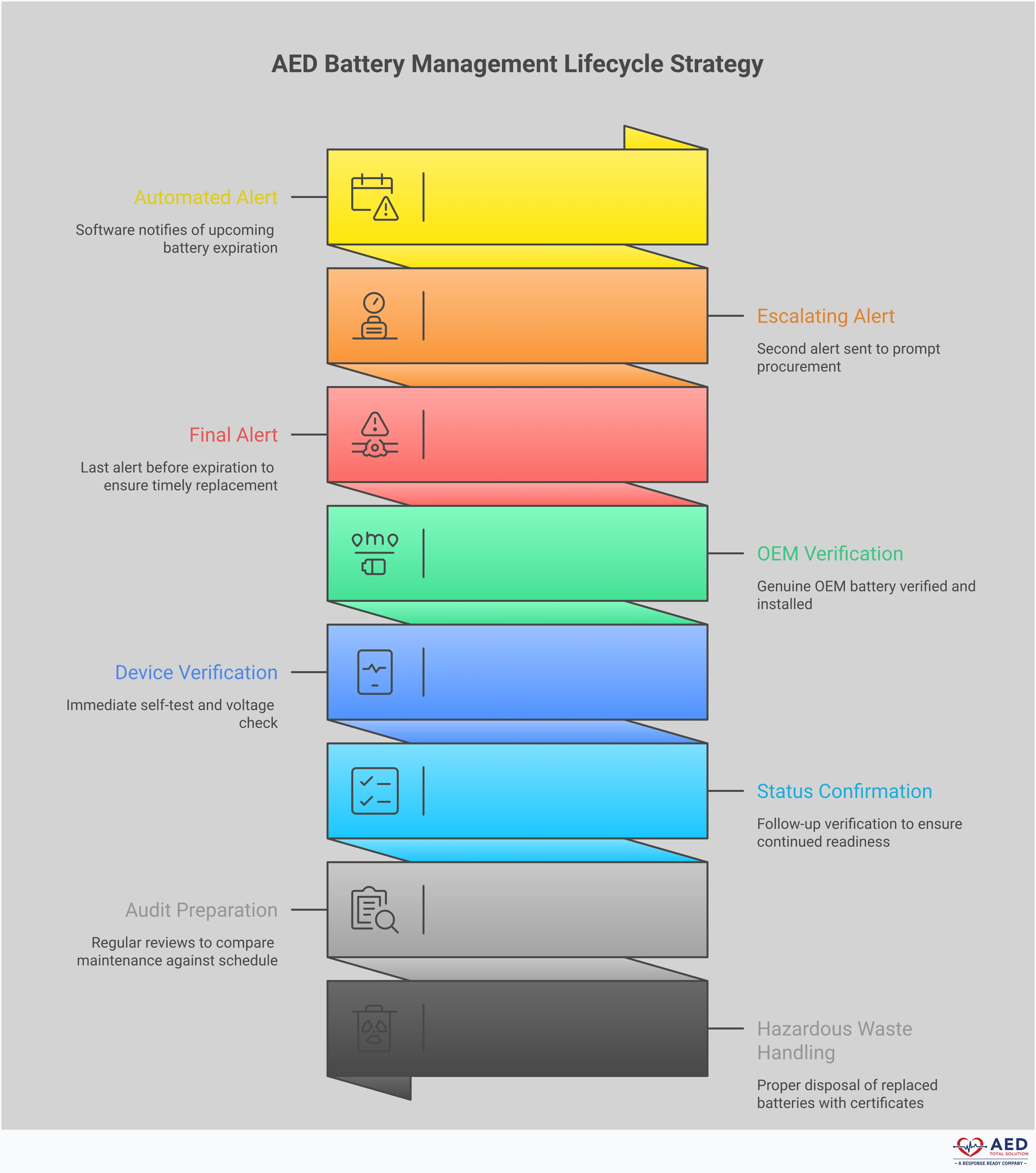
A dedicated service provider takes on the full responsibility of your battery management. They use specialized software to track every detail, send automated alerts for upcoming expirations, and handle the procurement and installation of new batteries. This proactive approach ensures your entire AED fleet remains compliant and ready at all times. By outsourcing this critical task, you reduce administrative burden, minimize risk, and gain confidence that your AED program is protected by experts.
What are the different types of AED batteries?
When it’s time to replace your AED’s battery, you’ll find that not all batteries are created equal. The right choice depends on your specific device, how it’s used, and your organization’s compliance standards. Understanding the key differences will help you keep your AED program ready and reliable. Let’s walk through the main types of batteries you’ll encounter so you can make an informed decision for your life-saving equipment.
Non-rechargeable vs. rechargeable
The first major distinction is between non-rechargeable and rechargeable batteries. Non-rechargeable, or disposable, batteries are standard for most public access AEDs in offices and schools. They are designed for long-term reliability with minimal upkeep, holding a charge for years while on standby. This makes them perfect for places where the device is used infrequently. Rechargeable batteries are better for high-use settings like hospitals and ambulances. While more cost-effective over time, they require a dedicated charging station and strict rotation schedule. For most organizations, the simple, ready-to-go nature of non-rechargeable batteries is the most practical option for their AED program management.
OEM vs. FDA-approved replacements
You will also choose between an Original Equipment Manufacturer (OEM) battery and a third-party replacement. OEM batteries are made by the same company that manufactured your AED, like a Philips battery for a Philips device. They are guaranteed to be compatible and perform to the manufacturer’s exact specifications. Third-party replacements are often marketed as less expensive, FDA-approved alternatives. While saving money is tempting, using a non-OEM battery can introduce risks. It may void your device’s warranty and could compromise its performance during an emergency. Sticking with the OEM battery is always the safest choice for reliability and compliance.
Matching batteries to your AED model
Perhaps the most critical factor is ensuring the battery is correct for your specific AED model. AED batteries are not universal; a battery for a ZOLL AED Plus will not work in a Cardiac Science Powerheart G5. Each manufacturer designs batteries with unique specifications, shapes, and connectors to fit their devices. Using the wrong battery can lead to device malfunction or failure when you need it most. Before purchasing a replacement, always confirm your AED’s make and model number, found on the device or in its manual. A professional service removes this risk by tracking exactly which AED pads and batteries your program needs.
How often should you replace AED batteries?
An AED is only as reliable as its power source. While it would be simple if every AED battery had the same replacement schedule, the truth is that it varies. Factors like the specific model, storage conditions, and usage all play a role in a battery’s lifespan. Staying on top of battery replacement isn’t just a box to check for compliance; it’s a critical step in ensuring your device is ready to function in an emergency.
The good news is that you don’t have to guess. Every AED and its battery provide clear clues about when it’s time for a change. By combining the manufacturer’s recommendations with regular device checks, you can create a replacement schedule that keeps your AED program ready for action. Think of it as routine health care for your life-saving equipment. Knowing what to look for and when to act removes the uncertainty and ensures your device is always prepared.
Manufacturer guidelines and expiration dates
The most reliable starting point for your replacement schedule is the manufacturer. Most AED batteries are designed to last between two and five years, but you should always confirm the exact lifespan for your specific model. The key piece of information is the expiration date printed directly on the battery. This date is a non-negotiable deadline. Even if the AED has never been used, the chemical components inside the battery degrade over time. Once that date passes, you can no longer trust it to deliver a life-saving shock. Make it a habit to physically inspect the battery and note the expiration date in your maintenance log.
Signs your AED battery needs replacing
Beyond the expiration date, your AED will often tell you when it needs a new battery. It’s important to pay attention to these signals, as they can appear before the battery officially expires. If you notice any of these signs, it’s time to order a replacement.
Here’s what to watch for:
- A visual or audible alert: Most AEDs will display a red X, a flashing light, or emit a chirping sound to indicate a low battery.
- Failed self-tests: The device will report a failed status during its routine self-check.
- Physical damage: Look for any cracks, corrosion, or swelling on the battery casing.
- Approaching expiration: Plan to replace the battery a few months before its expiration date to avoid any last-minute compliance issues.
Using self-checks and monitoring systems
Modern AEDs are designed to be largely self-sufficient. They perform automatic self-tests on a daily, weekly, and monthly basis to check the health of their battery, pads, and internal circuitry. If the device detects an issue during one of these checks, it will trigger an alert. While these built-in features are incredibly helpful, they only work if someone is there to notice the chirping sound or flashing light. In a busy workplace or a remote location, these alerts can easily be missed.
This is where an AED program management service becomes invaluable. Instead of relying on someone to walk by and spot an issue, a managed program uses remote monitoring to track every device’s status automatically. You get timely alerts and a clear action plan, ensuring a low battery never goes unnoticed.
What does AED battery replacement cost?
When you’re budgeting for your AED program, the cost of replacement batteries is a key line item. While the price tag on a single battery can seem straightforward, it’s just one piece of a larger financial picture. On average, you can expect an AED battery to cost between $100 and $300, but this number can shift based on your specific device and needs. Understanding what drives these costs, how to find savings, and the true total cost of ownership will help you manage your program effectively and ensure your devices are always ready for an emergency.
What factors influence battery costs?
The price of an AED battery isn’t one-size-fits-all. Several factors come into play, starting with the make and model of your defibrillator. Just like with any other electronic device, different brands have different price points. The battery’s technology and lifespan also play a major role. A standard battery with a two- to four-year life might cost less upfront, while a long-life battery lasting five years or more will have a higher initial price but could offer better value over time. Professional-grade batteries designed for enhanced performance will naturally be at the top of the price range. You can explore different AED batteries and pads to see how these options compare for your specific devices.
Finding discounts on bulk orders and subscriptions
If your organization manages multiple AEDs, the cost of replacing batteries can add up quickly. Juggling different expiration dates across several locations is a challenge, but it also creates an opportunity for savings. Many suppliers offer discounts for bulk purchasing, which can significantly lower the per-unit cost of each battery. Another smart approach is to partner with a service provider for your AED maintenance. A managed program often includes subscription-based replacements, which not only simplifies your inventory management but can also lock in predictable pricing. This turns a reactive, often-rushed purchase into a planned, budget-friendly part of your safety protocol.
Understanding the total cost of ownership
The sticker price of a battery is only the beginning. The true cost of ownership includes the time and resources spent managing your AED program, from tracking expiration dates to documenting inspections. More importantly, it includes the cost of non-compliance. Failing to maintain your AEDs properly can lead to significant liability exposure if a device fails during an emergency. The potential legal and financial consequences of a lapsed battery far outweigh the cost of a replacement. Investing in a comprehensive AED program management solution helps you see the full picture, protecting your organization from hidden risks and ensuring your life-saving equipment is always ready to perform.
How do you choose the right replacement service?
Choosing a partner to manage your AED batteries is a critical decision that goes beyond just finding the lowest price. The right service ensures your devices are always ready, compliant, and reliable when an emergency strikes. It’s about finding a provider who simplifies the process, reduces your liability, and gives you complete confidence in your emergency response program. When you evaluate your options, focus on reliability, expertise, and the level of support they offer. A simple transaction for a replacement part doesn’t account for the complexities of compliance, documentation, and readiness checks. The real value lies in a partnership that removes the administrative burden from your team.
Think about what happens after the battery arrives. Who documents the replacement? Who tracks the new expiration date? Who ensures the device is functioning correctly after installation? A true service provider handles these details for you. They should offer a complete solution that integrates battery replacement into a larger AED program management system. This approach closes the gaps where human error can occur, such as a missed expiration date or a forgotten inspection. Ultimately, you are not just buying a battery; you are investing in a system that protects your organization and ensures you are prepared to save a life at a moment’s notice.
What to look for in a service provider
A great service provider does more than just sell you a battery. They act as a partner in your safety program, offering proactive tracking of expiration dates, automated replacement reminders, and compliance documentation. As safety experts note, regular maintenance is what ensures your device is always ready to perform. Your provider should help you stay on top of routine inspections and readiness checks. A transparent, full-service partner will remove the administrative burden from your team, making sure every AED is accounted for and properly maintained without you having to chase down details or worry about expiration dates. This comprehensive oversight is the key to a truly effective and stress-free AED program.
Authorized dealers vs. third-party providers
When it comes to life-saving equipment, the source of your supplies matters. Always choose an authorized dealer who provides genuine, manufacturer-approved batteries. While you might find cheaper options from third-party sellers, these often come with significant risks. As suppliers often warn, cheaper generic batteries might not work correctly, could fail early, and may even void your AED’s warranty. An authorized dealer guarantees you receive authentic OEM parts that are fully compatible and reliable. The peace of mind that comes from using genuine AED accessories is well worth the investment, ensuring your device functions exactly as it should when a life is on the line.
How to evaluate expertise and support
Managing AED maintenance can feel overwhelming, especially if you have devices in multiple locations. The right partner provides expert support that simplifies everything. When evaluating a provider, ask about their process for tracking replacements, performing inspections, and managing compliance. A top-tier service should offer more than just a one-time setup; they should provide ongoing program guidance to reduce readiness risk. Look for a team that understands the complexities of different state regulations and can scale their support as your organization grows. A true partner acts as an extension of your safety team, giving you the confidence that your program is always protected and audit-ready.
How to overcome common battery replacement hurdles
Keeping your AED batteries fresh and ready shouldn’t feel like a constant battle. Yet, between tracking expiration dates, sourcing the right parts, and keeping records straight, it’s easy for things to fall through the cracks. Let’s walk through some of the most common hurdles and how you can clear them with confidence.
Staying on top of compliance and documentation
Proper documentation is your best defense in an audit and a cornerstone of a responsible AED program. It’s not enough to just replace the battery; you need a clear, accessible record of when it was done, what was installed, and who performed the check. This log proves your organization is meeting compliance standards and taking readiness seriously.
A simple calendar reminder might work for one device, but a proactive system is far more reliable. Your maintenance plan should include scheduled inspections and battery replacements well before their expiration dates. A comprehensive AED management program can automate this process, providing you with the audit-ready documentation you need to confirm every device is prepared for an emergency.
How to ensure compatibility and avoid mistakes
Ordering the wrong battery is a frustrating and costly mistake that can leave your device out of service. Each AED model has a specific battery designed for it, and using an incompatible one can cause the device to fail. Before you purchase anything, double-check your AED’s make and model number to ensure you’re buying the correct replacement.
While it might be tempting to save money with a generic battery, always stick with genuine, manufacturer-approved (OEM) parts. These batteries are built to meet strict FDA standards and perform reliably with your device. You can find a full range of OEM batteries and accessories from authorized dealers, giving you peace of mind that you’re investing in safety, not just a product.
Tips for managing batteries across multiple locations
Managing one AED is a task; managing dozens across multiple buildings or cities is a major logistical challenge. A spreadsheet can quickly become outdated, leading to missed expiration dates and devices that aren’t ready for use. The key to success is a centralized system that tracks every AED in your organization.
For programs at scale, partnering with a management service is the most effective solution. Instead of relying on manual tracking, you can use a system that provides a single dashboard view of your entire fleet. These program management services handle expiration tracking, send automated alerts, and coordinate replacements, ensuring no device gets overlooked, no matter where it’s located.
How a professional program simplifies everything
Managing AED batteries and pads can feel like a full-time job, especially when you have multiple devices. Juggling expiration dates, performing inspections, and keeping records straight adds a lot of administrative weight to your team. A professional AED program management service removes that burden. Instead of reacting to compliance issues, you can proactively ensure every device is ready for an emergency, giving you complete confidence in your program.
Automated tracking and timely alerts
Manually tracking expiration dates in a spreadsheet is a recipe for human error. One missed date could mean an AED fails when it’s needed most. This is where automated tracking makes a huge difference. A professional service uses software to monitor the status of every battery and electrode pad in your inventory. You’ll receive timely alerts well before anything expires, giving you plenty of time for replacements. This system ensures your AEDs are always ready and helps you maintain a clear, audit-ready maintenance record. With comprehensive program management, you can stop worrying about deadlines and focus on other priorities.
Professional installation, testing, and verification
Receiving a new battery is just the first step. Proper installation and testing are critical to confirm your AED is truly response-ready. A professional service provider doesn’t just ship you a box; they manage the entire process. An expert will ensure the new battery is installed correctly per manufacturer guidelines. Afterward, they perform essential self-checks and verification tests to confirm the device is functioning perfectly. This hands-on approach guarantees your AEDs are not only equipped with fresh batteries but are also fully operational and compliant. You can find answers to common questions about this process in our FAQ section.
Integrating battery management into your full AED program
An AED battery is just one piece of a much larger puzzle. True readiness comes from a holistic approach that integrates battery management into your complete AED program. A professional partner looks at the entire lifecycle of your devices, not just individual components. This includes tracking pad expirations, managing software updates, and documenting inspections. By combining these elements into one streamlined program, you close potential gaps in your emergency preparedness plan. This integrated strategy ensures every aspect of your program is monitored, reducing risk and simplifying your compliance responsibilities.
Related Articles
- AED Battery Replacement: A Step-by-Step Guide
- The Ultimate Guide to AED Battery Exchange
- AED Battery Replacement Guide – Steps for a Safe Change — AED Total Solution
Frequently Asked Questions
Why can’t I just set a calendar reminder to replace my AED battery? While a calendar reminder is a good first step, it only solves one small piece of the puzzle. This approach still leaves you responsible for sourcing the correct manufacturer-approved battery, documenting the replacement for compliance records, and properly disposing of the old one. A professional service manages this entire lifecycle, removing the risk of human error, such as ordering the wrong part or forgetting to log the maintenance, which is critical for staying audit-ready.
Is it safe to use a cheaper, non-brand-name battery in my AED? Using a third-party battery might seem like a good way to save money, but it can introduce serious risks. These batteries may not meet the manufacturer’s strict performance standards, which could cause the AED to malfunction during an emergency. Using a non-approved part can also void your device’s warranty, leaving you unprotected if something goes wrong. For life-saving equipment, sticking with the genuine manufacturer’s battery is always the safest and most reliable choice.
My AED is chirping. Does that always mean the battery is low? A chirping sound is your AED’s way of telling you it needs attention, but it doesn’t always mean the battery is the problem. The alert could also signal that the electrode pads have expired, the device failed a self-test, or there’s an internal issue. The best course of action is to check the device’s status screen for a specific error message. A managed service helps interpret these alerts for you, ensuring the correct fix is applied quickly so your device is never out of service for long.
What’s included in the cost of a battery besides the battery itself? The sticker price of a battery is just the starting point. The total cost of ownership also includes the time your team spends tracking expiration dates, researching and ordering the correct parts, and maintaining compliance paperwork. More importantly, it includes the potential cost of liability if a device fails due to improper maintenance. Investing in a managed program bundles these tasks into one predictable cost, protecting your organization from hidden expenses and risks.
How does a management service work if I have AEDs in different buildings or even different states? This is where a professional service truly simplifies things. Instead of relying on different people at each location to manage their devices, a centralized program tracks your entire AED fleet from a single dashboard. The service coordinates everything, from sending replacement parts to the correct address to ensuring local staff perform required checks. This creates a consistent standard of readiness across all your locations and ensures no device gets overlooked.