Managing a single AED is one thing, but what happens when you’re responsible for devices across multiple floors, buildings, or even cities? The logistical challenge of tracking different expiration dates, inspection schedules, and battery models can quickly become overwhelming. A missed aed battery exchange at one location creates a critical gap in your entire safety network. This guide is designed for leaders overseeing scaled programs. We will break down the best practices for managing multiple devices, from sourcing reliable parts to implementing a system that ensures every single AED in your fleet is compliant, documented, and ready for action.
Key Takeaways
- Establish a consistent inspection routine: An AED is not a “set-it-and-forget-it” device. Regular, documented checks of the status indicator, battery expiration date, and physical condition are essential for catching problems before an emergency happens.
- Stick to manufacturer-approved batteries: Using third-party or incorrect batteries can cause device failure and void your warranty. Sourcing genuine parts from a reliable supplier is the only way to ensure your AED will function correctly and meet compliance standards.
- Maintain detailed records to prove readiness: Your maintenance log is your primary defense in an audit and a key part of reducing liability. Record every inspection, battery replacement, and self-test result to create a clear, defensible history of your program’s health.
What Are the Different Types of AED Batteries?
An AED is only as reliable as its battery. When it’s time for a replacement, you’ll find there are a few different types to choose from, and understanding the options is the first step in making sure your device is always ready for an emergency. The battery is the heart of your AED, providing the critical power needed to deliver a life-saving shock. Choosing the right one isn’t just a matter of compliance; it’s about ensuring your device performs exactly as it should when someone’s life is on the line. Let’s walk through the main types of batteries and what you need to know to keep your AED program running smoothly.
Rechargeable vs. Non-Rechargeable
Non-rechargeable batteries are the standard for most public access AEDs you see in offices, schools, and gyms. They are typically made with lithium, which gives them a long shelf life—usually between two and five years. The biggest advantage is their reliability and low maintenance. Once you install one, it’s ready to go until its expiration date. Rechargeable batteries are more common in high-use settings like hospitals and ambulances, where AEDs are used frequently. They require a dedicated charging station and more active management to ensure they’re always powered up. While they can be cost-effective for frequent use, they aren’t the best fit for most workplace AED programs.
Why Brand-Specific Batteries Matter
It can be tempting to look for a cheaper, generic battery, but this is one area where you should never cut corners. Your AED is a medical device regulated by the FDA, and using a non-approved battery can void its warranty and, more importantly, cause it to fail during a rescue. Manufacturers design and test their batteries to work flawlessly with specific AED models. When you purchase genuine replacement batteries, you’re investing in reliability and peace of mind. Sticking with the original equipment manufacturer (OEM) ensures your device functions as intended and meets all compliance standards.
Key Specs to Check for Compatibility
Before you buy a replacement, it’s crucial to confirm you have the right one. Even within the same brand, different AED models often require different batteries. Always double-check your AED’s model number against the battery’s specifications. Look for the “install by” or expiration date printed on the battery itself to ensure it has a full service life ahead of it. Getting these details right is a fundamental part of AED program management and guarantees your device is truly response-ready. Think of it as a simple but critical check that protects your investment and, ultimately, the people you’re prepared to help.
How Often Should You Replace an AED Battery?
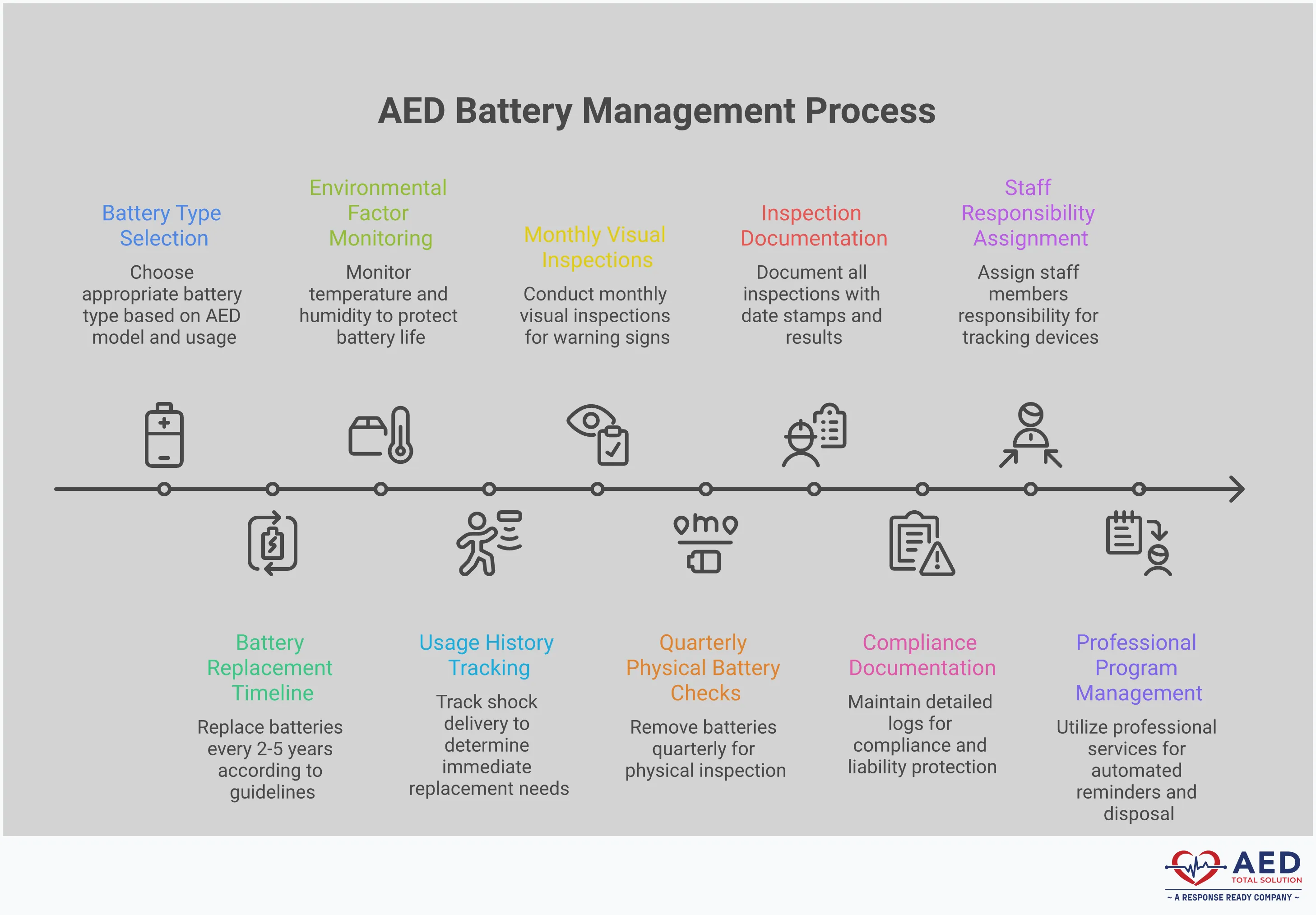
Knowing when to replace your AED battery is a critical part of your maintenance routine. While most non-rechargeable batteries last between two and five years, you can’t just set a calendar reminder and forget it. The actual lifespan depends on several key factors. To keep your AED ready, you need to track the manufacturer’s timeline, the storage environment, and usage history. A comprehensive AED management program can automate this tracking, removing the guesswork and ensuring your device is always compliant and prepared for an emergency.
Following Manufacturer Timelines
Your first and most reliable source of information is the device manufacturer. Each AED has its own battery requirements and replacement schedule, found in the user manual. Most brands suggest a replacement every two to five years. It’s also important to understand the dates on the battery. Most have an “install by” date, not a strict expiration date. This is the deadline to install the battery to get its full service life. Once installed, the operational clock starts ticking. Always check the documentation for your specific AED model.
How Environment Affects Battery Life
Where you store your AED directly impacts its battery. Extreme temperatures are the biggest issue; a device in a hot car will lose its charge much faster than one in a climate-controlled office. High humidity can also cause corrosion, damaging the battery contacts and compromising performance. For the best results, keep your AED in a location with a consistent, moderate temperature, protected from moisture and dust. This simple step can significantly extend your battery’s life and ensure your device is ready when needed.
The Impact of Frequent Use
An AED battery’s life is measured by its standby time and the number of shocks it can deliver. Every action consumes power, from routine self-tests to use in an actual emergency. While self-checks use minimal energy, they add up. If the AED is used to deliver a shock, the battery must be replaced immediately, no matter its age. A single use can drain significant power, and you can’t risk having a partially charged battery for the next emergency. You can find more on post-use protocols in our frequently asked questions.
Signs Your AED Battery Needs Replacing
Your AED is designed to be a reliable, life-saving tool, and thankfully, it won’t leave you guessing about its health. Most devices give clear, unmistakable signs when their power source is running low or has a problem. The key is knowing what to look for during your routine inspections. Paying attention to these signals—from audible beeps to visual warnings—is a critical part of your responsibility. It ensures your device is ready to perform when every second counts. Let’s walk through the three main signs that tell you it’s time for a battery replacement.
Low Battery Alerts and Indicators
The most straightforward sign is when the AED tells you directly that its battery is low. Modern AEDs are built with self-monitoring features that trigger alerts when the battery’s power dips below a safe operational level. These warnings are hard to miss and can include a chirping or beeping sound, a flashing red or amber light instead of a steady green one, or a clear message on the device’s status screen. When you see or hear one of these alerts, it’s time to act fast. This is your AED’s way of saying it needs a new power source to be effective in an emergency. You can find the right replacement batteries for your specific model to get it rescue-ready again.
Failed Self-Tests or Performance Issues
Beyond simple low-battery warnings, your AED runs regular, automated self-tests to check its core components, including the battery, software, and electrode pads. A failed self-test is a serious red flag indicating the device may not function correctly during a rescue. The AED will typically signal this failure with a prominent visual alert, like a red “X” on the status indicator, or a continuous alarm. Don’t ignore this. A failed self-test means your device is out of service until the issue is resolved. The battery is often the culprit, so checking and replacing it should be your first step. This is a key part of the ongoing program management that keeps your equipment compliant and dependable.
Checking for Physical Damage and Expiration Dates
Not all battery issues trigger an electronic alert. That’s why a hands-on, physical inspection is a non-negotiable part of your maintenance routine. When you check your AED, take a moment to remove the battery and look for any signs of physical damage. This includes swelling, cracks, corrosion on the contact points, or any fluid leakage. A damaged battery is an unreliable battery and must be replaced immediately. At the same time, check the expiration or “install by” date printed directly on the battery’s label. Even if a battery seems to be working, its chemical components degrade over time. Using an expired battery puts you at risk for device failure and non-compliance, so always replace it before it passes its expiration date.
How Much Does an AED Battery Replacement Cost?
Budgeting for your AED program means looking beyond the initial device purchase. The ongoing cost of replacement parts, especially batteries, is a critical line item for ensuring your device is always ready to perform. The price of a new AED battery can vary quite a bit, depending on the type of device you have, the battery’s chemistry, and its expected lifespan. Understanding these factors will help you plan your expenses and keep your program running smoothly without any last-minute surprises.
When you’re ready to purchase, you can find a wide selection of AED accessories to fit your specific device and budget. Planning for these recurring costs is a key part of responsible AED ownership, ensuring your life-saving equipment never fails due to a dead battery. It’s an investment in readiness that pays off when seconds count.
Typical Price Ranges by Brand
The cost of an AED battery isn’t a one-size-fits-all number. Prices can range from around $40 to over $400, largely depending on your AED’s brand and model. For example, a standard battery with a two-to-four-year life might cost between $40 and $120. If you opt for a long-life battery, which typically lasts four to five years, you can expect to pay somewhere between $150 and $280.
For professional-grade devices often used by first responders, batteries with enhanced performance can run from $280 to $430. Each AED manufacturer designs batteries specifically for their devices, so you can’t swap them between brands. This specificity ensures optimal performance and reliability, but it also means your costs are tied to the equipment you own.
Saving Money with Bulk Purchases
If your organization manages multiple AEDs across different floors, buildings, or locations, buying replacement batteries one at a time can be inefficient and costly. A great way to save money is to purchase them in bulk. Many suppliers offer discounts on larger orders, which can significantly reduce the per-unit cost and make your budget stretch further.
Planning ahead is key to making this strategy work. By tracking the expiration dates for all your devices, you can coordinate your purchasing schedule to buy multiple batteries at once. This is where an AED program management service can be incredibly helpful. We can help you consolidate your purchasing, manage your inventory, and ensure you get the best value while keeping every device compliant and ready for an emergency.
Cost Breakdown: Rechargeable vs. Non-Rechargeable
AEDs are powered by either non-rechargeable (lithium) or rechargeable batteries, and your choice affects both cost and maintenance. The vast majority of public access AEDs use non-rechargeable batteries. They are incredibly dependable, have a long shelf life (often 4-5 years), and require no maintenance other than replacement upon expiration. This makes them ideal for settings where the AED is used infrequently.
Rechargeable batteries are more common in professional medical environments like hospitals and ambulances, where AEDs are used more often. While the initial battery cost might be higher, they can be recharged and reused for several years. However, they require a consistent charging routine and more hands-on management to ensure they’re always ready. The best choice depends entirely on your organization’s specific needs and resources.
How to Replace an AED Battery: A Step-by-Step Guide
Changing an AED battery is a critical part of your maintenance routine, and thankfully, it’s a straightforward process. Most devices are designed to make the swap quick and easy, ensuring your AED has minimal downtime. Following a few simple steps ensures the exchange goes smoothly and your device is immediately ready for an emergency. This isn’t a task to put off—a dead battery means a useless device when seconds count.
Let’s walk through the process from start to finish, so you can feel confident every time a battery replacement is due. We’ll cover everything from getting your supplies ready to testing the device and documenting the change. Think of this as a simple but vital task that keeps your entire emergency response plan on track. Proper battery maintenance is non-negotiable for readiness, and getting it right is easier than you think. By handling this correctly, you’re not just checking a box on a compliance list; you’re actively ensuring that your AED can do its job and save a life. It’s one of the most important responsibilities of an AED owner, and we’re here to make sure you can do it perfectly.
Prepare for a Safe Exchange
Before you even touch the AED, get everything you need in one place. This means having the correct, brand-specific replacement battery ready to go. Using an off-brand or incorrect model can cause the device to fail, so always double-check that you have the right one. It’s also a good idea to have your program logbook or digital record-keeping system open. While AEDs are built to be user-friendly, it’s smart to perform these checks regularly—at least once every three months. This simple maintenance routine helps you catch issues like an expiring battery before they become a problem. Make sure the area is clean and you have a flat surface to work on.
The Right Way to Remove and Install
Once you’re prepared, the actual swap takes just a minute. Start by taking the AED out of its carrying case and turning the unit over to access the battery compartment. You’ll see a latch or a simple release mechanism. Open it and remove the old, expired battery. Next, take your new battery and click it securely into place, making sure it’s fully seated in the compartment. Close the compartment door, and that’s it. Turn the machine back over and place it back in its case. Always remember to dispose of the old battery according to local regulations for electronic waste, as they often contain materials that can’t go in the regular trash.
Test and Verify After Replacement
A new battery is in, but you’re not done yet. The final step is to verify that the AED is working correctly. Most devices will automatically start a self-test once a new battery is installed. If not, press the green “On” button to initiate one. The AED will run through its internal checks and provide voice prompts to guide you. Listen carefully for a confirmation that the device has passed its test and is ready for use. Once you get the all-clear, the last thing to do is document the change. Record the date of the battery replacement in your maintenance log. This step is crucial for compliance and is a core part of our AED program management services.
Where to Buy Reliable AED Replacement Batteries
Knowing your AED battery needs to be replaced is one thing; finding a trustworthy source for a new one is another. The market is filled with options, but not all batteries are created equal. Using a non-compliant or faulty battery can put you at risk of device failure during an emergency. Here’s how to find a reliable supplier you can count on.
AED Total Solution’s Battery Services
When it comes to ensuring your AED is ready for an emergency, sourcing parts from a trusted partner is key. We simplify the process by offering a full range of AED batteries and accessories for all major brands. Every battery we provide is FDA-approved and meets strict manufacturer standards for safety and effectiveness, so you never have to second-guess your equipment’s reliability. Our goal is to remove the guesswork from maintenance. As part of our comprehensive AED program management, we track expiration dates and handle procurement for you, ensuring the correct battery arrives exactly when you need it. This white-glove approach gives you complete confidence that your device is always prepared.
Finding Authorized Dealers and Suppliers
If you’re sourcing batteries on your own, your first stop should always be an authorized dealer. These suppliers are approved by the AED manufacturer and are guaranteed to sell genuine, factory-fresh products. You can typically find a list of authorized distributors on the manufacturer’s website. Be cautious of third-party sellers on large online marketplaces, as the risk of purchasing counterfeit, expired, or improperly stored batteries is higher. A reliable supplier will always sell batteries that meet strict FDA quality rules and manufacturer specifications. Sticking with authorized sources is the best way to ensure your AED performs as expected during a critical moment.
How to Vet a Supplier’s Reliability and Warranty
Once you’ve found a potential supplier, take a few minutes to verify their credibility. A key indicator of a quality product is a strong warranty. For example, a supplier offering a 4-year full operational warranty shows they are confident in the battery’s performance and longevity. Beyond the warranty, check for clear and accessible customer service contact information. Can you easily call or email them with a question? Look for customer reviews on independent sites to get a sense of other buyers’ experiences. A trustworthy supplier will be transparent about their products, policies, and support, giving you the assurance you need before making a purchase. This due diligence is a small step that makes a big difference in your program’s integrity.
Staying Compliant: AED Battery Regulations
Keeping your AED battery fresh isn’t just a best practice—it’s a core part of your legal and ethical responsibility. When you have an AED, you’re making a commitment to be ready for an emergency, and that readiness is governed by a web of local, state, and federal guidelines. While the specific rules can vary, they all point to the same goal: ensuring your device works when someone’s life depends on it.
Failing to comply with these regulations can lead to serious consequences, including fines and liability issues if the device fails during a cardiac arrest event. But more importantly, it undermines your entire emergency response plan. Think of compliance as the framework that holds your program together. It covers everything from how often you inspect your device to the records you need to keep. Following these rules gives you confidence that your AED is always prepared and that you’ve done everything possible to protect your team and visitors. Our AED program management services are designed to handle these details, so you can focus on running your organization.
Your Documentation and Record-Keeping Duties
If you don’t write it down, it didn’t happen. That’s the golden rule of AED compliance. Meticulous record-keeping is your best defense in an audit and proves you’re performing the necessary maintenance. You should document every interaction with your AED, including the date the battery was installed, its expiration date, and the results of every single inspection.
According to industry best practices, you should maintain these records for at least 12 months. This log should include inspection dates, battery and electrode pad replacement dates, and notes on any device issues or maintenance performed. This paper trail demonstrates due diligence and is often the first thing regulators ask to see. Keeping these records organized and accessible is non-negotiable for a compliant program.
Meeting Inspection Frequency Requirements
AEDs are designed to be low-maintenance, but they aren’t “set it and forget it” devices. Most AEDs run automated self-tests, but regulations and manufacturer guidelines still require regular hands-on inspections. While some standards suggest checking the device daily, a common requirement is a thorough check at least every three months, if not monthly.
During these inspections, you’ll verify that the status indicator shows the device is ready, check for any physical damage, and confirm that the battery and pads have not expired. This simple, routine check is one of the most effective ways to catch a potential problem before it becomes a crisis. A consistent inspection schedule ensures your device is always prepared for an emergency.
Adhering to Manufacturer Guidelines
The user manual that came with your AED is more than just a suggestion—it’s a critical compliance document. Manufacturers provide specific instructions for everything from battery installation and testing procedures to proper storage conditions and disposal methods. Following these guidelines is essential for ensuring the device functions as intended and for maintaining its warranty.
For example, some batteries require a specific discharge process before you can safely dispose of them. Ignoring these steps could create a safety hazard or violate environmental regulations. When you purchase new batteries, always stick to manufacturer-approved options to guarantee compatibility and performance. Treating the manufacturer’s guide as your go-to resource will help keep your program safe, effective, and compliant.
What Happens If You Delay AED Battery Replacement?
Putting off an AED battery replacement might seem like a small administrative task you can get to later, but the consequences are far more serious than just a missed deadline. A dead battery renders your life-saving device completely useless, creating significant risks for your organization and everyone in it. When you delay this critical maintenance step, you’re not just neglecting a piece of equipment; you’re opening the door to device failure during a crisis, facing potential legal and financial penalties, and undermining your entire emergency preparedness strategy.
Properly managing your AEDs means ensuring every component, especially the battery, is ready to perform at a moment’s notice. Forgetting to swap out an expired battery can have devastating outcomes that no organization wants to face. It’s a single point of failure that can invalidate all your other safety efforts, from staff training to emergency drills. Understanding these risks is the first step toward building a more reliable and compliant safety program. With a proactive approach to AED program management, you can prevent these issues before they ever become a problem, ensuring your device is always ready to save a life.
The Risk of Device Failure in an Emergency
The most immediate and severe consequence of a dead AED battery is device failure during a sudden cardiac arrest (SCA) emergency. An AED’s entire function depends on its ability to analyze a heart rhythm and deliver a therapeutic shock. Without a charged battery, it’s nothing more than a plastic box. During an SCA, every second is critical, and the chance of survival decreases significantly for each minute that passes without defibrillation.
Imagine a trained responder grabbing the AED, applying the pads, and discovering the device won’t turn on. That lost time can be the difference between life and death. Relying on an AED with an expired or depleted battery creates a false sense of security and fails the very person it was meant to protect. You can find reliable, brand-specific replacement batteries to ensure your device is always prepared.
Facing Compliance Violations and Liability
Beyond the immediate danger, neglecting AED maintenance exposes your organization to serious compliance issues and legal liability. Many states have laws that require public-access defibrillators to be properly maintained according to manufacturer specifications. This includes keeping detailed records of inspection dates, self-test results, and the replacement dates for batteries and electrode pads.
If an AED fails due to a dead battery and a negative outcome occurs, your organization could be found negligent. This can lead to costly lawsuits and significant damage to your reputation. Failing to maintain proper documentation alone can result in non-compliance penalties during an audit. A well-managed program protects you from liability by ensuring every device is maintained, tracked, and ready, with the paperwork to prove it.
Weakening Your Emergency Response Plan
An AED is a critical component of your organization’s overall emergency response plan. When you let its battery expire, you create a major gap in your ability to respond effectively to a medical crisis. This oversight can erode confidence in your safety protocols among employees, customers, and visitors who trust that you are prepared for an emergency.
Even the most advanced, user-friendly AEDs require regular checks to confirm their readiness. A non-functional device undermines all the other investments you’ve made in safety, from CPR training to emergency drills. It signals that preparedness isn’t a top priority, which can weaken your safety culture. Ensuring your AED is always functional is fundamental to maintaining a strong and trustworthy emergency action plan.
Best Practices for AED Battery Maintenance
Keeping your AED battery in top shape isn’t just about following rules—it’s about making sure your device is ready to save a life. While AEDs are built for reliability, they aren’t “set it and forget it” devices. A proactive maintenance plan ensures your battery performs when every second counts. By creating a simple but consistent routine, you can protect your investment, maintain compliance, and strengthen your emergency response plan. Here are three core practices to get you started.
Create a Regular Inspection Schedule
Think of AED inspections as quick health check-ups for your device. While AEDs perform daily self-tests, a visual check is still essential. Experts recommend inspecting your device at least monthly, if not more frequently. During your check, confirm the status indicator shows it’s ready for use, look for any visible damage, and verify that supplies like electrode pads are within their expiration dates. Documenting each inspection creates a clear record of readiness and helps you stay ahead of any potential issues. A consistent schedule is the foundation of a reliable AED program.
Ensure Proper Storage and Environment
Where you store your AED directly impacts its battery life and overall performance. Extreme temperatures, both hot and cold, can drain batteries prematurely and damage sensitive electronic components. Always keep your AED in a climate-controlled location, ideally within the manufacturer’s recommended temperature range. The cabinet should be in a visible, accessible spot, free from excessive dust or moisture. When it’s time to dispose of an old battery, remember to check the manufacturer’s guidelines, as some types require a specific disposal process to be handled safely.
Assign Clear Staff Roles and Responsibilities
A maintenance plan is only effective if someone is responsible for it. Assign a primary team member—and a backup—to oversee your AED program. This person should be in charge of conducting regular inspections, logging the results, tracking battery and pad expiration dates, and ensuring the device is always ready. Maintaining clear records is crucial for compliance and liability protection. Having a designated point person removes any confusion and ensures that critical tasks, like ordering a replacement battery, never fall through the cracks.
Simplify Maintenance with Professional Program Management
Keeping track of one AED battery is manageable. But what about five? Or fifty, spread across different locations? Suddenly, you’re juggling multiple expiration dates, inspection schedules, and compliance records. Manually managing your AED program can quickly become a full-time job filled with administrative tasks and potential risks. This is where professional program management steps in, taking the complexity off your plate so you can focus on your core responsibilities while knowing your AEDs are always ready.
Get Automated Replacement Reminders
It’s easy for an AED battery or pad expiration date to slip through the cracks, especially when you’re managing other safety protocols. While AEDs should be checked regularly—some guidelines suggest every three months—relying on a simple calendar alert isn’t foolproof. A professional program management service removes the guesswork by providing automated alerts for upcoming replacements and required inspections. Instead of you chasing down dates, the system proactively notifies you, ensuring you have the right supplies on hand exactly when you need them. This simple step closes a major gap in readiness and prevents your life-saving device from becoming a liability.
Maintain Audit-Ready Documentation
If an incident occurs or an inspector shows up, you’ll need to prove your AED program is compliant. This means having meticulous records of every inspection, battery replacement, and maintenance check for at least 12 months. Compiling and organizing this documentation is a significant administrative burden. A management program centralizes all this information for you, creating a clear, accessible, and audit-ready history for every device in your fleet. This not only simplifies compliance but also demonstrates due diligence, which is critical for reducing organizational liability. With every action logged and tracked, you have a defensible record of your commitment to safety.
The Benefits of a White-Glove Maintenance Program
A true white-glove maintenance program goes beyond just sending reminders. It’s about having an expert partner manage the entire lifecycle of your AED components. This includes handling details you might overlook, like the specific manufacturer guidelines for battery disposal, which can vary by model. A comprehensive service ensures that not only are your batteries replaced on time, but the correct models are ordered, installed properly, and tested afterward. This end-to-end oversight gives you complete confidence that every device is functioning correctly and that every compliance box is checked. It’s the most effective way to ensure your AED program is truly response-ready at all times.
Related Articles
- AED Battery Replacement Guide – Steps for a Safe Change — AED Total Solution
- AED Battery Life Guide – How Long Does an AED Battery Last? — AED Total Solution
- AED Cost Explained – Your Questions Answered
Frequently Asked Questions
Is it really necessary to buy the brand-name battery, or can I use a cheaper generic one? This is one area where you should never try to cut costs. Your AED is a medical device regulated by the FDA, and its components are designed to work together perfectly. Using a third-party battery can cause the device to malfunction during a rescue, and it will almost certainly void your manufacturer’s warranty. Sticking with the approved, brand-specific battery is the only way to guarantee your AED will perform as expected and remain compliant.
What’s the proper way to dispose of an old AED battery? You can’t just toss an old AED battery in the trash. Most are made with lithium and are considered electronic or hazardous waste. Your first step should be to check the manufacturer’s user manual, as some provide specific disposal instructions. Otherwise, you should contact your local waste management facility to find a designated e-waste or battery recycling center. Proper disposal is an important final step in responsible AED maintenance.
My AED is making a chirping sound. What does that mean? A chirping or beeping sound is your AED’s way of telling you it needs attention. While a low battery is a common cause, it could also be signaling that the electrode pads have expired or that the device has failed one of its routine self-tests. Check the visual status indicator on the front of the device—it will usually display a symbol or message that tells you exactly what the problem is so you can address it quickly.
If an AED has never been used, does the battery still expire? Yes, it absolutely does. The date on an AED battery reflects its chemical shelf life, not its usage. The battery constantly uses a small amount of power to run the AED’s daily, weekly, and monthly self-tests. Over time, its ability to hold a full charge diminishes. Replacing the battery based on the manufacturer’s recommended timeline is critical to ensure it has enough power to deliver a shock when needed.
How can I be sure I’m ordering the right replacement battery for my specific AED? The easiest way to confirm you have the right battery is to check the model number printed on your AED and match it to the battery specifications. You can also look at the label on the old battery you are replacing, as it will have the exact part number you need. If you’re still unsure, your device’s user manual will list the correct accessories. A knowledgeable supplier can also help you verify compatibility before you buy.