

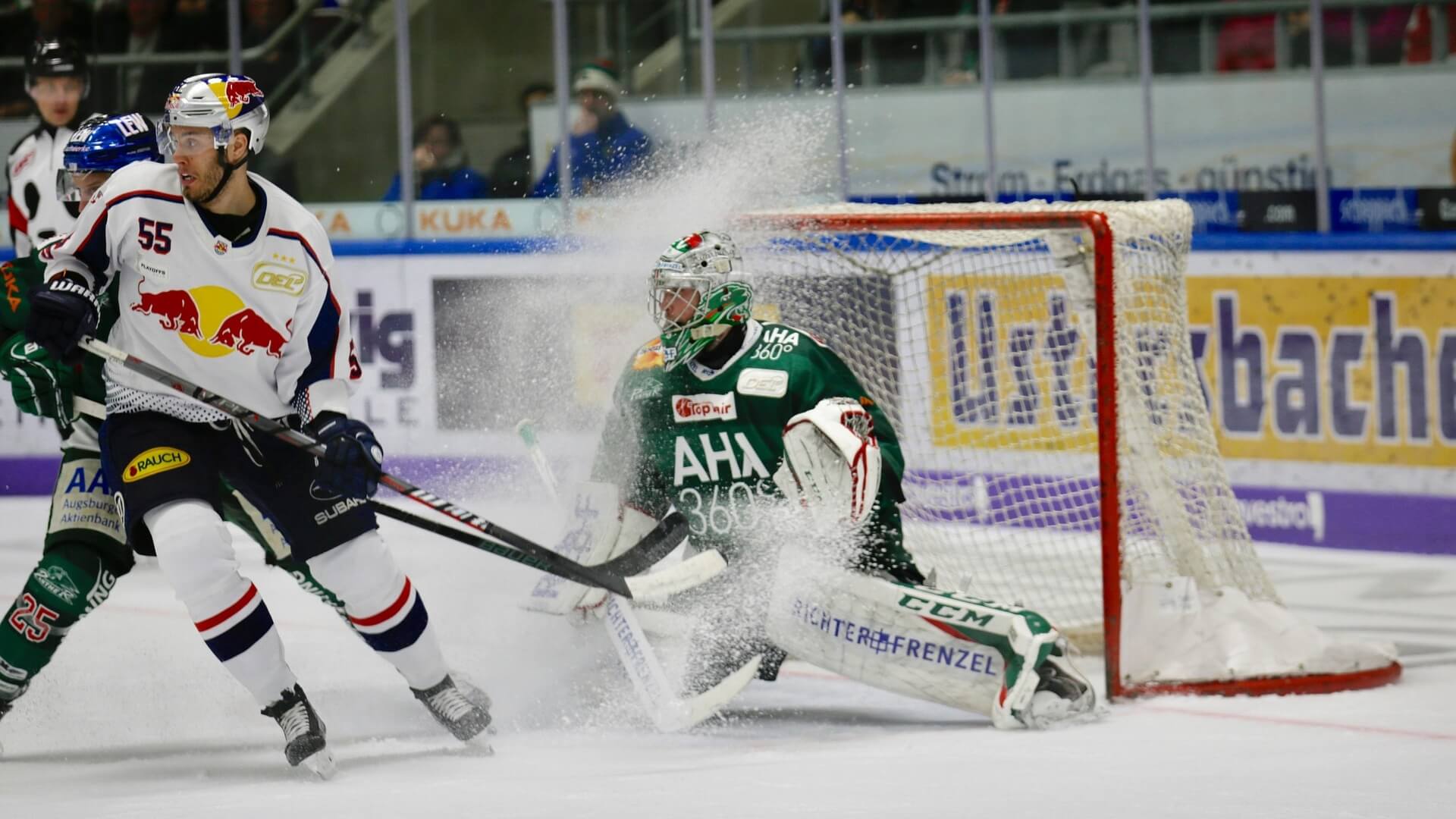
The fast-paced action of a hockey game is thrilling, but it also makes the rink a high-risk place for sudden cardiac arrest. Having a reliable AED is essential, not just optional. But with slippery ice and cold temperatures, will any device work? Choosing the right AED for a hockey rink can feel daunting. You need a tough, reliable device on-site to ensure a quick response when every second counts. Focusing on a few key features will help you pick a device that ensures safety and total peace of mind.
Why Your Hockey Rink Can’t Go Without an AED
Cardiac arrest takes hundreds of thousands of lives in the U.S. annually. Most cases happen outside of hospitals. Young athletes can experience sudden cardiac incidents during play, unlike older adults. Every sports venue, especially hockey rinks, must be prepared with life-saving measures.
The Clock is Ticking: Why Every Second Counts
When sudden cardiac arrest strikes, there’s no time to waste. The American Heart Association recommends using an AED within three minutes of someone collapsing. This window is incredibly small because brain damage can begin in just four minutes, and after ten minutes, the chances of survival become very unlikely. In a fast-paced environment like a hockey rink, those minutes can feel like seconds. Immediate CPR combined with a shock from an AED can double or even triple a person’s chance of survival, making a life-saving difference. This is why having a properly maintained and accessible AED isn’t just a good idea—it’s a critical part of your rink’s safety plan. A comprehensive management program ensures your device is always ready to be deployed in these crucial moments, bridging the gap until emergency services arrive.
What to Look for in an AED for a Hockey Rink
Selecting an AED for a hockey rink requires attention to the unique conditions of the arena. The cold, busy rink needs a device that is tough and easy to use, especially in stressful times. Not all defibrillators are designed for rink conditions. So, it’s important to choose one that fits these challenges. This ensures a quick and effective response in an emergency.
Can It Handle a Hit?
Sudden cardiac arrest needs quick action. This is crucial in high-risk areas like ice rinks. Responders must act fast on slippery surfaces. That’s why having a rugged AED built to withstand drops and harsh conditions is essential. Pick a model with military-grade certification like MIL-STD 810F or 810G. This keeps the device reliable when you need it most.
What About Water and Ice?
In an ice rink, an AED can touch water if it falls. So, water resistance is very important. Choose a device with a certified Ingress Protection (IP) rating for reliable emergency performance. This rating helps keep out moisture and debris.
Does It Work in the Cold?
Ice rinks stay cold and dry, which makes it hard on medical equipment. An AED needs to work well in the cold. This ensures it functions properly when saving a life is critical.
Can Anyone Use It in an Emergency?
In a cardiac emergency, help might come from someone with no medical training. So, the AED needs to be easy to use and clear. A device with clear voice instructions and a simple design helps anyone do CPR and use a defibrillator quickly when needed.
Is It Safe for Younger Players?
Since hockey rinks serve both children and adults, it’s essential to have an AED that can treat all age groups. A model with pediatric options or child-friendly pads provides safe and effective care for everyone on the ice.
So, What’s the Best AED for a Hockey Rink?
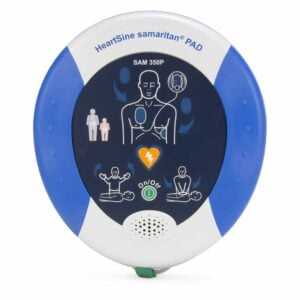
The HeartSine Samaritan PAD 350P is a reliable choice for hockey rinks. It withstands tough conditions and resists both impact and moisture. It has a simple two-button design. Clear voice guidance helps you use it quickly in emergencies. Its range of 32°F to 122°F ensures reliability in rinks. Optional pediatric pads offer extra protection for younger athletes.
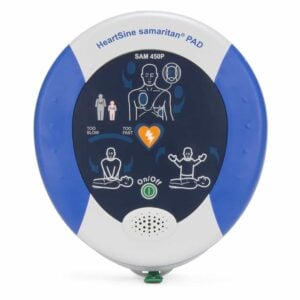
The HeartSine Samaritan PAD 450P boosts safety. It provides real-time CPR guidance. It also gives quick feedback on compression rate and depth. It comes with a 10-year warranty. This ensures lasting reliability and peace of mind for rink emergencies.
HeartSine Samaritan PAD Series
The HeartSine Samaritan PAD series is a fantastic choice for the demanding environment of a hockey rink. Models like the 350P are built to last, with strong resistance to impact and moisture, making them reliable even in cold, wet conditions. Its simple two-button operation and clear voice prompts guide rescuers through every step, which is essential during a chaotic emergency. For even more support, the 450P model provides real-time CPR feedback, coaching the user on the rate and depth of compressions to ensure they are effective. With an operating range that handles the rink’s cold temperatures and optional pediatric pads for younger players, this series covers all the bases for rink safety. You can explore top models like these in our online shop.
ZOLL AED 3
Another top-tier device perfect for a hockey rink is the ZOLL AED 3. It’s known for its rugged design, so you don’t have to worry about it failing after an accidental drop or bump on the way to an emergency. What really makes the ZOLL AED 3 stand out is its advanced real-time CPR feedback. The device not only tells you to “push harder” but also shows you the depth of your compressions on a full-color screen, giving you the confidence that you’re performing high-quality CPR. Combined with clear, easy-to-follow audio and visual prompts, it empowers anyone to step in and help save a life. When considering how to equip your facility, remember that options like an AED rental can make getting the best technology more accessible.
How to Safely Use an AED on the Ice
Using an AED in a hockey rink presents a unique challenge: water and ice. While it might seem counterintuitive, you can safely use an AED in a wet environment, but you have to be smart about it. The key is to protect both the person in cardiac arrest and the rescuer from the electrical shock. Water conducts electricity, which can interfere with the AED’s ability to deliver a life-saving shock to the heart and could pose a risk to anyone in direct contact. Following a few simple but critical steps ensures the device works as intended without causing additional harm, allowing you to respond effectively even on a slippery, wet surface.
Move to a Dry Surface if Possible
Your first instinct should be to move the person to a drier, safer location if you can do so quickly. While you can use an AED on a wet surface, it’s always better to use it on a dry one. Moving them to a nearby bench, a locker room, or even just off the ice onto the concrete can make the process safer and more effective. This minimizes the risk of the electrical current traveling across the wet surface and ensures the shock is directed where it needs to go—to the heart. However, time is critical. If moving the person will cause a significant delay, don’t waste precious seconds. You can still proceed with the rescue on the ice by taking the proper precautions.
Ensure the Patient’s Chest is Dry
This step is non-negotiable, regardless of where you are. Before applying the AED pads, you must make sure the person’s chest is completely dry. Use a towel, a piece of clothing, or anything absorbent from a first-aid kit to wipe away any water, sweat, or melted ice from their chest. Water between the pads and the skin can prevent them from sticking properly and can cause the electrical current to travel across the chest surface instead of through the heart muscle. A dry chest ensures good pad-to-skin contact, which is essential for the AED to analyze the heart’s rhythm accurately and deliver an effective shock if one is needed.
Creating a Complete AED Program for Your Rink
Simply buying an AED and mounting it on the wall isn’t enough to prepare your facility for a cardiac emergency. A truly effective safety plan involves creating a complete AED program. This means thinking through every detail, from where the device is placed to who is trained to use it and how it’s maintained. A comprehensive program ensures your AED is always ready to perform and that your staff feels confident stepping in to help. It transforms a piece of equipment into a life-saving system that protects your players, spectators, and staff, all while ensuring your rink meets compliance standards and reduces liability.
Strategic AED Placement
When a cardiac arrest occurs, every second counts. That’s why the location of your AED is so important. Your goal should be to get the device to the person’s side within three minutes. To achieve this, AEDs should be placed in visible, high-traffic areas where they are easy to access. Good locations include the main lobby, near the entrance to the ice, or by the locker rooms. Use clear, bold signs to point people toward the AED so no time is wasted searching for it during a chaotic emergency. The more visible and accessible your AED is, the faster your response time will be, which can dramatically improve the chance of survival.
Staff Training and Drills
An AED is only as effective as the people who use it. Having staff members who are trained and prepared to act can make all the difference. Everyone, from coaches and referees to front-desk staff and Zamboni drivers, should be trained in CPR and how to use an AED. Training builds the confidence and muscle memory needed to respond calmly and effectively under pressure. Beyond initial training, running regular emergency drills helps keep these skills sharp. Simulating a cardiac event allows your team to practice their response, identify any gaps in your plan, and ensure everyone knows their role when a real emergency happens.
Regular Maintenance and Readiness Checks
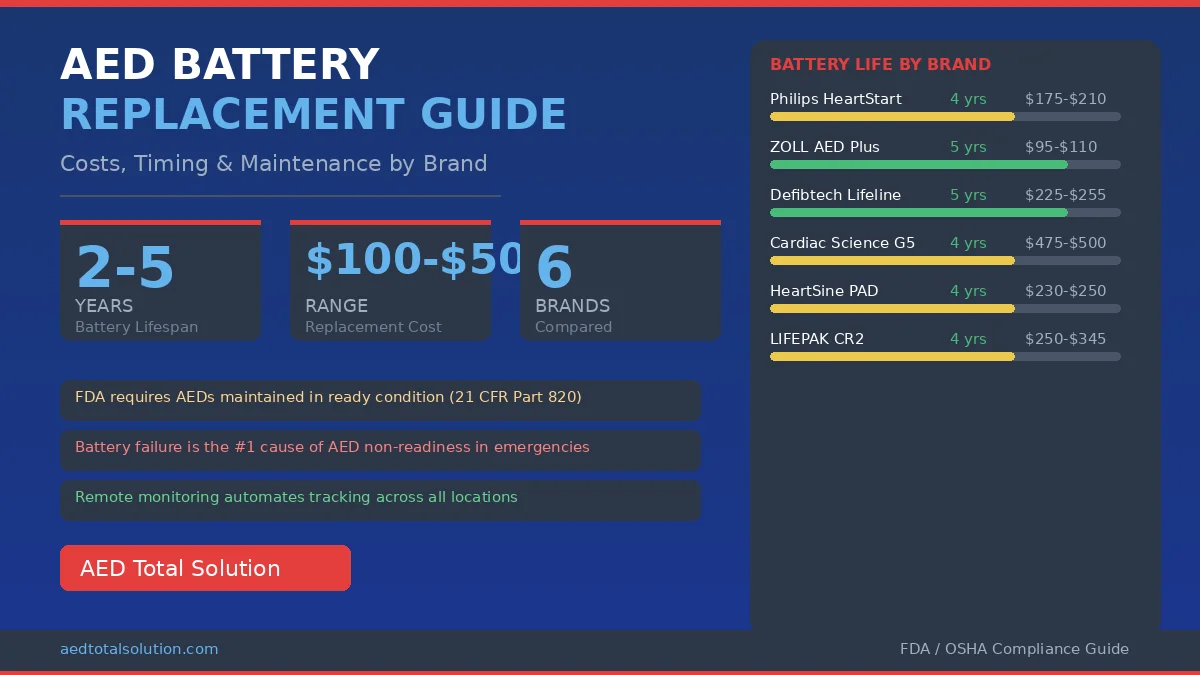
An AED is a life-saving device, but it can’t do its job if it’s not ready to work. AEDs require regular maintenance to ensure they are functional. This includes checking that the battery is charged and that the electrode pads have not passed their expiration date. Most AEDs perform daily self-checks and have a clear readiness indicator, like a flashing green light, that shows they are ready for use. Keeping track of these checks and supply expiration dates is crucial. For busy facility managers, an AED program management service can automate these inspections and tracking, providing peace of mind that your device is always prepared for an emergency.
Special Considerations for Outdoor Rinks
Outdoor rinks face additional challenges that require special attention. These facilities are exposed to more extreme weather, including snow, rain, and fluctuating temperatures, which can damage an AED. It’s essential to store the device in a durable, climate-controlled cabinet that protects it from the elements and keeps it within its recommended operating temperature range. Signage is also even more critical in an open, outdoor environment where the device might not be as easy to spot. Be sure to check your local regulations, as some areas may have specific laws requiring AEDs in outdoor sports venues.
Understanding Legal and Compliance Requirements
Owning an AED comes with a responsibility to understand and follow legal and compliance requirements. These rules are in place to ensure AEDs are properly maintained and used safely, and they also provide important legal protections for organizations and rescuers. Navigating these requirements can feel complex, as laws can vary significantly from one state to another. Taking the time to learn your local obligations is a critical part of running a responsible AED program. It not only helps protect your organization from liability but also ensures your program is built on a solid, legally sound foundation, giving you confidence that you’re prepared in every sense of the word.
State and Local Regulations
It’s important to know that some states and municipalities have laws that require AEDs in certain places, including sports facilities like hockey rinks. These regulations can dictate more than just the presence of a device; they may also specify requirements for staff training, device registration with local emergency services, and routine maintenance checks. Many states also have Good Samaritan laws that offer legal protection to individuals who provide emergency assistance. However, these protections are often contingent on the AED program being properly managed and compliant. Familiarizing yourself with your local laws is a crucial first step in building a responsible and legally protected AED program.
OSHA Guidelines for Workplaces
While the Occupational Safety and Health Administration (OSHA) does not have a specific standard that requires AEDs in all workplaces, the agency strongly encourages them as part of a comprehensive first-aid and emergency response plan. A hockey rink is a workplace for many people, including coaches, staff, and officials. Implementing an AED program demonstrates a commitment to employee safety and aligns with OSHA’s General Duty Clause, which requires employers to provide a workplace free from recognized hazards that could cause serious harm. Having a well-managed AED program is a key component of workplace safety and preparedness, protecting both your employees and the public.
An AED at Your Rink Is a Lifesaving Play
Hockey rinks bring plenty of action, but they also carry real health risks. Being prepared means having an AED that works well in cold weather. It should also keep up with the game’s fast pace.
Proper equipment and knowing how to use it can change everything in a crisis. It builds confidence and helps prevent tragedy before it strikes.
FAQs
What is the best AED for a hockey rink?
The best AED for a hockey rink is durable and easy to use. It should also be water-resistant and reliable in cold temperatures. Models with pediatric settings are ideal for serving all age groups.
Why does a hockey rink need an AED?
Hockey is a high-intensity sport with a greater risk of sudden cardiac arrest. An AED on-site helps players, coaches, and fans get quick, life-saving care. Every second matters.
Can an AED work in cold temperatures at an ice rink?
Yes. Many AEDs can work in extreme conditions, like cold and low humidity. Always check the device’s operating temperature range before purchasing.
Do AEDs have settings for children in hockey rinks?
Some models include pediatric pads or settings that make them safe for younger users. This ensures effective treatment for both kids and adults.
How easy is it to use an AED during a game?
Modern AEDs have simple designs and clear voice prompts. This makes them easy to use, even for those without medical training.
Making the Final Call for Rink Safety
A reliable AED at your hockey rink goes beyond safety standards. It’s about saving lives when every second counts. Pick a device that’s sturdy in the cold, simple to use under tough conditions, and good for all. This way, players, coaches, and fans stay safe. Preparation today can make the difference between tragedy and survival tomorrow.
Key Takeaways
- Choose an AED designed for the rink’s environment: Your device must handle cold temperatures, moisture, and potential impacts. Look for a high IP rating for water resistance and pediatric settings to ensure you can help players of all ages.
- Develop a full readiness program: Simply owning an AED isn’t enough. Ensure it’s effective by placing it in a visible, accessible location, training staff on its use, and performing regular maintenance checks on batteries and pads.
- Master the most critical step for on-ice rescue: Before applying AED pads, you must wipe the person’s chest completely dry. This non-negotiable step ensures proper pad contact and allows the device to deliver a safe, effective shock.
Related Articles