

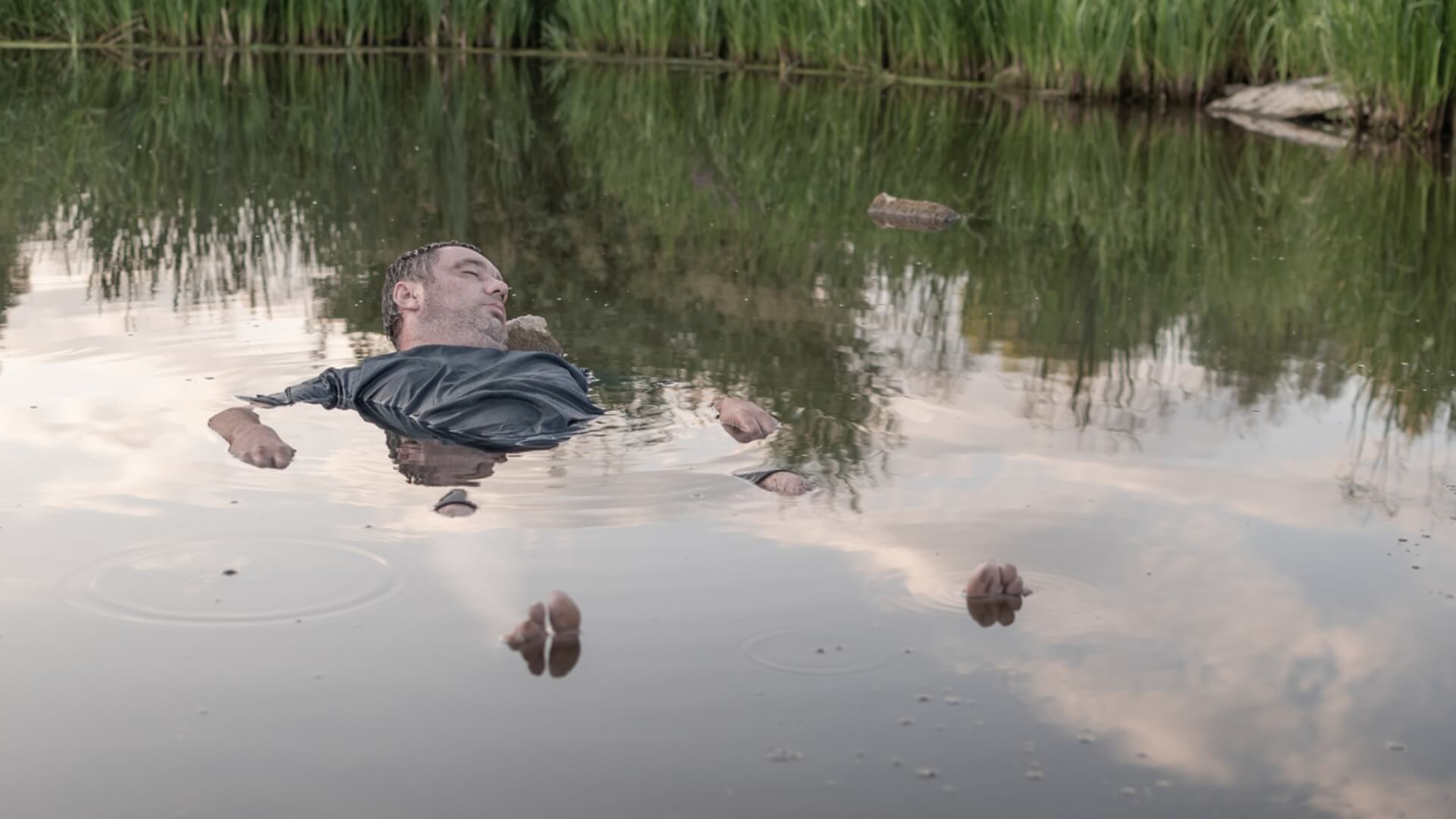
A little water shouldn’t stop you from saving a life. But the fear of mixing electricity and water makes many people hesitate, and that delay can be dangerous. So, what are the rules? You should never use an AED on someone submerged in water—that’s a hard no. But what about using an AED in snow or on someone pulled from a pool? Absolutely. The key is to quickly wipe the chest dry before applying the pads. Knowing the difference is critical, and we’ll show you exactly what to do so you can act confidently.
How an AED Can Restart a Heart
Sudden cardiac arrest occurs when the heart’s electrical signals fail. This failure stops the heart from pumping blood. In critical moments, time is everything. Without immediate CPR and defibrillation, survival chances drop fast. They decline by about 10% for every minute that passes. Swift action can truly determine whether a life is saved or lost.
An automated external defibrillator (AED) can help restart a normal heartbeat during sudden cardiac arrest. It first checks the heart’s activity. It will only deliver a shock if it detects a treatable rhythm, like ventricular fibrillation or pulseless ventricular tachycardia.
How an AED Actually Works
Once you attach the AED pads to a person’s bare, dry chest, the device takes over the most critical task: analyzing the heart’s electrical rhythm. It’s specifically looking for a shockable rhythm, like ventricular fibrillation, where the heart quivers chaotically instead of pumping blood. This is where the “automated” part is so important. The AED will not deliver a shock unless it detects this specific type of electrical problem. If a shock is needed, the machine will tell you exactly what to do, using clear voice prompts to guide you through every step, including when to press the button and when it’s safe to touch the person. This built-in intelligence removes the guesswork, ensuring that anyone can use the device safely and effectively when every second counts.
Get certified in CPR

CPR & AED Training
3-hour in-person training with a 2-year nationally recognized certification.
CPR, AED & First Aid Certification
Instructor-led on-site. Practice on real manikins and AED trainers.
Is It Safe to Use an AED in Water?
Using an AED on someone in water is risky. Electricity can move through the water, which may hurt others nearby. It can also lessen the shock’s effectiveness. For safety, move the person to a dry spot. Make sure their chest is completely dry. Then, place the pads to deliver the treatment effectively.
Protecting the Rescuer
Your safety is a top priority when you step in to help. While it might seem risky, using an AED in snow or on ice is generally safe because snow and ice don’t conduct electricity well. However, you still need to take a few key precautions. Before applying the AED pads, wipe the person’s chest and make sure it’s completely dry. This ensures the pads stick properly and the shock is delivered effectively. It’s also a smart move to have everyone stand clear of the person, especially if the ground is wet from melting snow or rain. These extra steps address common misconceptions about AED use in wet conditions and help keep everyone safe, allowing you to focus on providing life-saving care with confidence.
Can You Safely Use an AED in the Snow?
Snow usually keeps a person on the surface instead of sinking. This allows for AED use in these conditions. In snowy or icy places like ski slopes or ice rinks, keep the chest dry. This helps the pads stick well, so the device can provide quick and effective treatment.
Assess Your Surroundings for Safety
Before you rush in to help, take a moment to check that the area is safe for you. Your ability to provide aid depends on your own well-being. In winter conditions, this means looking out for specific hazards like slippery ice that could cause a fall or deep snow that might obstruct your movement. You can only be an effective rescuer if you aren’t injured yourself. This quick, critical assessment ensures you can manage the situation without becoming a second person in need of help, allowing you to focus entirely on the person who has suffered a sudden cardiac arrest.
Overcoming Environmental Obstacles
Yes, you can absolutely use an AED in the snow. While the fundamental steps remain the same, the environment requires a few extra considerations. If the person is lying in a small puddle or on snow, it is still safe to proceed; the water helps disperse the electricity away from the rescuer. The most important action you must take is to ensure the person’s chest is completely dry. Remove any wet clothing and wipe their skin thoroughly before applying the AED pads. This step is crucial because the pads need to adhere firmly to the skin for the device to accurately analyze the heart’s rhythm and deliver a life-saving shock if needed. Having a reliable device is key, which is why a comprehensive AED program management service is so valuable—it ensures your equipment is always ready for these critical moments.
Step-by-Step: Using an AED Near Water
Drowning can lead to cardiac arrest, making AEDs essential in water-related environments. In New York, all swimming pools must have an AED on-site. This law helps ensure a quick response during emergencies.
If someone has a sudden cardiac arrest in water, like at a pool or beach, quick action is vital. This helps boost their chances of survival.
- Check the area first. Make sure it’s safe. Then, approach the person in the water and help them out. Once it is secure, move them quickly to the nearest dry location.
- Call 911 immediately, have someone bring an AED, and begin hands-only CPR without delay.
- Once the AED is ready, remove any wet clothing from the person’s upper body to ensure the pads stick properly. Use the provided scissors if necessary, and make sure the chest is bare and dry before attaching the pads.
- Dry the person’s bare chest with a towel or dry clothing. Don’t forget the upper stomach, neck, rib sides, and underarms. This helps the AED pads stick properly.
- After the chest is fully dry, attach the AED pads directly to the skin in the proper positions. See our full guide for placement tips for adults, kids, and people with pacemakers.
- Keep performing CPR until the AED is ready and activated.
Your Action Plan for Using an AED in the Snow
Using an AED in snowy conditions is generally easier than using one on a person who has been submerged in water.
Make sure the person’s chest and nearby area are dry before putting on the AED pads. If available, place the device on a jacket to protect it from the cold. Before delivering the shock, say “stand clear” to make sure no one touches the victim. Then, proceed with the shock.
Handling AED Pads in the Cold
Cold weather adds a few extra challenges, but it shouldn’t stop you from using an AED. Your own cold fingers can make it tricky to open the packaging and handle the pads, so work as carefully and quickly as you can. Before applying the pads, you must wipe away any snow or moisture from the person’s chest. A completely dry surface is essential for the pads to stick properly and deliver an effective shock. Double-check that the pads are firmly attached and in the correct spot before the AED analyzes the heart rhythm. Even in freezing temperatures, taking these extra moments to ensure proper pad placement is a critical step that gives someone the best possible chance of survival.
Best AEDs for Wet and Cold Conditions
Not all AEDs are the same. While all can deliver a life-saving shock, some work better in cold, wet, or humid conditions. The HeartSine Samaritan PAD 350P and HeartSine Samaritan PAD 450P are reliable choices. They perform well in tough conditions.
- Weighing only 2.4 pounds, the Samaritan PAD is light and compact. This makes it easy to carry across sand, snow, or ice to help someone in need.
- The Samaritan PAD is very durable. It has an IP56 rating, which means it’s resistant to dust and water. Plus, it has passed tough military-grade drop tests.
- The Samaritan PAD works best between 32°F and 122°F. It handles humidity levels from 5% to 95% without causing condensation. Plus, it performs effectively at altitudes of up to 15,000 feet.
Don’t put an AED in water or snow while using it. This can harm the device and create electrical risks for the patient and those nearby.
Understanding Device Capabilities
It’s natural to wonder if an AED can handle extreme weather, but modern devices are built to be resilient. One of the most common misconceptions is that snow or ice makes using an AED dangerous. In reality, snow and ice are poor conductors of electricity, so it is safe to use the device in these conditions. Unlike standing water, which can disperse the electrical current, snow typically keeps a person on the surface and doesn’t pose the same risk. The most critical step is ensuring the person’s chest is completely dry before you apply the pads. If they are covered in snow or their clothes are wet, take a moment to wipe their skin dry to guarantee a solid connection for the pads. Knowing this helps you act with confidence when every second counts.
RECOMMENDED
HeartSine Samaritan 350P AED Package
Compact, fully-automatic AED designed for first-time responders. Pads, battery, carry case and wall sign included.
AED Maintenance for Extreme Weather
Extreme weather can be tough on any electronic device, and your AED is no exception. High heat, freezing cold, and humidity can all affect its performance, from draining the battery to damaging the electrode pads. Keeping your AED ready for an emergency means protecting it from the elements year-round. Proper storage and regular inspections are not just best practices—they are essential steps to ensure your device works when you need it most. A well-maintained AED is a reliable one, no matter what the weather looks like outside.
Proper AED Storage
Storing your AED correctly is the first line of defense against weather-related damage. Most AEDs have a recommended temperature range for storage, which you can find in the user manual. Extreme cold can drain batteries faster and make the gel on electrode pads less effective. On the other hand, intense heat can also shorten battery life and degrade pads. Always keep your AED in a climate-controlled cabinet or case designed to protect it from temperature swings. This simple step helps preserve the device’s core components and ensures it remains operational. Keeping track of expiration dates and environmental conditions is a key part of any effective AED program.
Device Inspection Before and After Use
Regular checks are crucial, especially if your AED is stored in a place exposed to changing weather. Before and after any potential use in rain or snow, give the device a quick look-over. Check the casing for any cracks or damage. Listen for beeps or look for flashing lights, as these can signal a low battery or a problem with the pads. If you use the AED in a wet environment, make sure to wipe it down and dry it completely before returning it to storage. This prevents moisture from damaging the internal electronics. A consistent inspection routine gives you confidence that your AED is always ready for an emergency.
Why Your Quick Action Matters
An AED should not be used when a person is in water. Yet, once they are out and their chest is dry, it can usually be used safely.
AEDs can handle some water and dust. This lets them work in different places. With proper training, you can use one confidently to help save a life.
FAQs
What if the AED Itself Gets Submerged in Water?
No, you cannot use an AED on someone who is submerged in water. Remove the person from the water and fully dry their chest before applying the pads. This prevents electrical risks and ensures that the shock is effective.
Do You Need to Dry Someone Off Before Using an AED?
Yes, you can use an AED on a wet person as long as their chest is quickly dried. Drying the chest area helps the pads stick well. This ensures that they deliver the shock safely, even if wet from rain, snow, or splashes.
Does a Wet Chest Affect Defibrillation?
Yes, a defibrillator can be used on someone who is wet if you remove excess moisture from their chest first. This step is key. It helps avoid electrical risks and ensures the shock effectively reaches the heart.
What Are the Risks of Defibrillating a Wet Person?
You can defibrillate a person who is wet without risk. First, dry their chest. Then, make sure they aren’t lying in water. This simple prep helps the device work well. It also lowers the risk of harm to others nearby.
The Impact of an AED on Survival Rates
When someone experiences sudden cardiac arrest, every second is critical. Their chance of survival decreases by about 10% for every minute that passes without CPR and defibrillation. This is where an AED becomes the single most important tool for a bystander. While CPR is vital for keeping blood flowing, it’s often not enough on its own. The statistics are clear: when only CPR is performed, the survival rate is between 5% and 9%. However, when an AED is used quickly and correctly, that rate can jump to as high as 40%.
This dramatic increase in survival is why having a properly maintained and accessible AED is non-negotiable for any organization. An AED analyzes the heart’s electrical rhythm and will only deliver a shock if it detects a life-threatening arrhythmia. It’s designed to be used by anyone, but its effectiveness depends on it being ready to go at a moment’s notice. Ensuring your device is always prepared is the cornerstone of a successful AED program, turning a potential tragedy into a story of survival.
How to Handle Other Special Circumstances
Beyond weather and water, you might encounter other situations that make you pause before using an AED. Emergencies don’t happen in perfect conditions, but a little preparation can give you the confidence to act. Knowing how to handle things like pacemakers, medication patches, or even a hairy chest ensures you can deliver effective aid without hesitation. These scenarios are more common than you might think, and being ready for them is a key part of a successful emergency response plan. Thinking through these possibilities ahead of time removes guesswork when every second is critical.
Using an AED on a Hairy Chest
A very hairy chest can prevent AED pads from making good contact with the skin, which is essential for the device to analyze the heart’s rhythm and deliver a shock. If the pads can’t stick, the AED won’t work. Most AED kits come with a prep razor for this exact reason. If you have one, quickly shave the areas where the pads will go. If you don’t have a razor, press down firmly on the pads to try and get them to adhere. Another effective method is to apply one set of pads and then quickly rip them off to remove the hair, then apply a fresh set of pads to the cleared skin.
Using an AED with Pacemakers or Implanted Defibrillators
If someone has a pacemaker or an implantable cardioverter-defibrillator (ICD), you can still use an AED on them, but you need to be careful about pad placement. These devices are usually implanted in the upper chest, and you can often see or feel a small, hard lump under the skin. It’s important that you do not place an AED pad directly over the implanted device, as this can interfere with the shock. Instead, place the pad at least an inch away from the pacemaker or ICD. The AED will still be able to analyze the heart rhythm and deliver a shock if needed.
Removing Medication Patches Before Use
Some people use medication patches for things like pain relief, heart conditions, or quitting smoking. If you see a patch on the person’s chest where an AED pad needs to go, you must remove it first. Leaving the patch on could block the electrical current from reaching the heart or cause small burns to the skin. When you remove the patch, wear gloves if possible, and quickly wipe the area clean to remove any leftover medication before applying the AED pad. This ensures the pad sticks properly and the shock is delivered safely and effectively.
Using an AED on Metal Surfaces
It’s a common myth that you can’t use an AED on a metal surface, like bleachers or a metal floor. You absolutely can, as long as you take a couple of simple precautions. The main concern is ensuring the electrical current travels through the person’s chest, not across the metal surface. Make sure the AED pads do not touch the metal and that the person’s bare skin isn’t in direct contact with it. Also, ensure that no one is touching the person when the shock is delivered. Following these steps makes it perfectly safe to use an AED in these environments.
Using an AED on a Pregnant Person
Sudden cardiac arrest can happen to anyone, including someone who is pregnant. If a pregnant person is unresponsive and not breathing normally, you should use an AED without hesitation. The priority is to save their life, which also gives the baby the best chance of survival. The AED is designed to only deliver a shock if it detects a life-threatening heart rhythm. The electrical shock is focused on the heart and poses a minimal risk to the baby. Do not delay treatment out of fear; immediate CPR and defibrillation are critical.
Using an AED on Children and Infants
Yes, you can and should use an AED on a child or infant experiencing sudden cardiac arrest. Many modern AEDs come with special pediatric pads or a key that reduces the energy of the shock to a safer level for smaller bodies. If your device has these, use them. If pediatric pads are not available, you can use the standard adult pads. The most important rule is to make sure the pads do not touch each other. You may need to place one pad on the center of the child’s chest and the other on their back. Having the right AED accessories on hand is a core part of a well-managed readiness program.
Using an AED with Metal Jewelry
Metal jewelry, like necklaces or body piercings, generally does not interfere with an AED. You don’t need to waste precious time trying to remove them. The key is to avoid placing the AED pads directly on top of any metal jewelry. If a necklace is in the way, just move it to the side. As long as the pads are making good contact with the bare skin of the chest and are not touching the jewelry, the AED will function correctly. The goal is to get the AED attached and working as quickly as possible.
Your Next Steps for AED Readiness
In emergencies by water or snow, knowing how to use an AED can save lives. Never use the device on someone who is fully submerged. Quickly move them to a dry area. Prepare their chest and follow the AED’s prompts. This can greatly improve their chances of survival. With the right knowledge and confidence, you can act quickly and safely. This is true even in tough situations, and it can help save a life.
Key Takeaways
- A Dry Chest is Your Top Priority: Before applying AED pads, you must wipe the person’s chest completely dry. This single step is crucial for ensuring the pads stick and the shock is delivered effectively, whether you’re dealing with rain, snow, or a poolside emergency.
- Know the Difference Between Water and Snow: You should never use an AED on someone submerged in water, but it is perfectly safe to use one in snow or on ice. The key is to move the person out of any puddles and ensure their chest is dry before proceeding.
- Look Beyond the Environment: Successful AED use often means handling special circumstances like pacemakers, medication patches, or a hairy chest. Knowing these simple protocols ahead of time removes hesitation and ensures you can act confidently when seconds count.

Not sure which AED or program fits your facility?
An AED Total Solution program expert walks you through it — no obligation.
Talk to a program expert →Related Articles