Safety leaders often find it hard to track tough rules for life-saving skills across many sites. Missing these details creates legal risks and leaves your staff not ready when a crisis hits.
Need to keep your organization fully compliant with state-specific CPR and AED regulations? Contact AED Total Solution today for a comprehensive compliance program review, or call us directly at (855) 263-7772 to speak with an expert.
The cpr certification requirements by state are not the same because most safety rules depend on local laws or job types rather than a single national law. Thirty-eight states now require students to learn CPR before they can graduate from high school, according to the American Heart Association. For workplaces, OSHA does not have one rule for every business but instead requires training based on specific job risks. Professional boards for nurses, teachers, and daycare workers also set their own rules for how often staff must renew their skills. Because these laws change often, safety directors must check both state codes and local board rules to stay compliant. Using a managed program helps track these shifting needs so your team is always ready to save a life.
Many safety leaders wonder why these rules are so different from one place to another. To keep your team safe, you must first understand how these mandates apply to your specific organization. Partnering with a dedicated service like AED Total Solution helps eliminate this administrative burden, ensuring your team is fully prepared and compliant.
CPR Certification Requirements by State: Do CPR Certification Requirements Vary by State?
CPR certification requirements vary by state because there is no single federal law governing life-saving training. Each state’s department of health, board of education, or professional licensing boards dictate who must be certified, how often they must renew, and whether hands-on training is required. To maintain compliance, multi-state organizations must track individual state administrative codes and local municipal guidelines.
Yes, the rules for life-saving training change often as you cross state lines. There is no single law that covers the whole country. Instead, each state sets its own path for who needs to know how to save a life. This means that cpr certification requirements by state can feel like a complex puzzle for many business owners and safety leaders. By working with AED Total Solution, organizations can easily manage these requirements on a single, centralized platform.
Why rules change across state lines
Most states have passed their own laws to make sure people are ready for a heart emergency. These laws often focus on Public Access Defibrillation (PAD). Based on the CDC, these state laws outline the duties for training staff and keeping gear ready. Since each state writes its own rules, the training you need in California may differ from the needs in Florida or New York.
For some, this means a simple online class is enough. For others, the state might demand hands-on practice with a pro. These gaps can make it hard for a firm with many sites to stay on the right side of the law. You must know the local rules for each place where you do business to keep your team safe. If you have locations in multiple regions, checking our AED rules and regulations guide is a great place to start.
How your job affects your training
State laws are not the only things that decide who must get certified. Often, the choice comes down to the place where you work. Many schools and hospitals have their own boards that set high standards for their staff. These groups want to ensure that every team member can act fast when a life is on the line.
Work rules are rarely the same across the country. Based on ProTrainings, these needs often depend on the choice of a boss or a state board. A teacher in one district might not need a card, while a teacher in the next town must have one. This gap shows why you should check with both your state and your boss to see what you need to do.
Handling the hard parts of rules
Tracking all these rules for every site takes a lot of time. It can add a big burden to your office team. When rules change, you have to act fast to update your records and schedule new classes. If you miss a date, your company could face a gap in its safety plan. This is where a managed program helps by watching the laws for you.
A good program keeps all your cards in one place. It alerts you before proof of training runs out. It also knows the fine details of state laws so you do not have to guess. By removing the guesswork, you can focus on your work while knowing your team is ready to help in a crisis.
Take the guesswork out of compliance. Learn more about the AED Total Solution team and how we manage multi-state safety programs, or call us at (855) 263-7772 today.
Workplace CPR Requirements: Do OSHA Regulations or State Laws Govern Your Business?
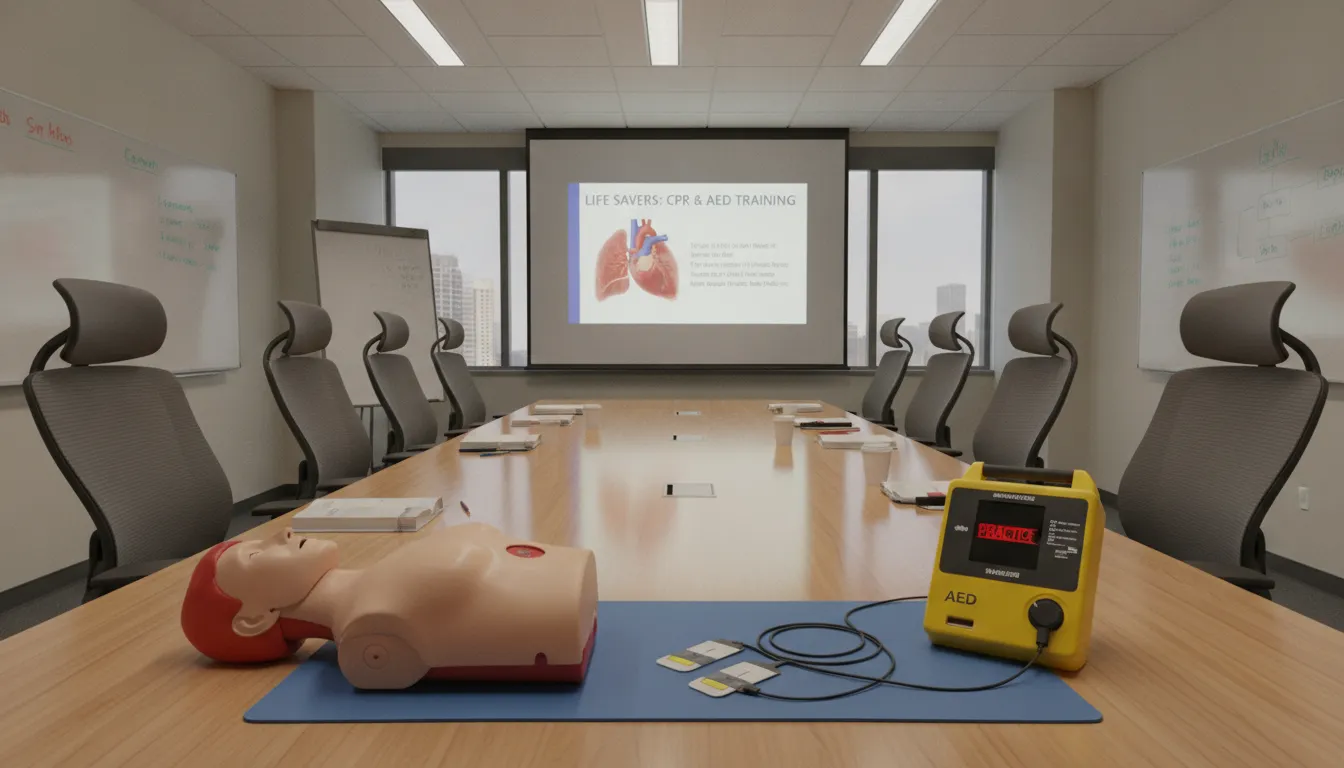
Workplace CPR requirements are determined by both federal OSHA guidelines and individual state laws. Under OSHA standard 1910.151, employers in high-risk industries (such as logging, electrical work, and shipyards) must have trained first-aid responders if a hospital is not in close proximity. However, many states go further, mandating CPR certification for teachers, daycare employees, fitness club staff, and athletic coaches regardless of distance to a clinic.
Many business owners ask if they must train staff in CPR. The answer depends on your job type and your state. Federal rules set a baseline for some fields. But state laws often add more rules for certain paths. It is vital to know both sets of laws to stay within the rules. To make workplace safety straightforward, AED Total Solution provides fully managed compliance and training programs tailored to your exact industry.
Federal OSHA Standards for Dangerous Job Types
OSHA does not have one rule for all work sites. Instead, the group looks at the risks of each job. Per OSHA rules, CPR training is only a must for some job types. This means many offices do not have a federal law to train everyone. But you must still keep your work site safe for all.
Some jobs have high risks that need extra care. OSHA requires CPR training for the logging field. This rule applies when a clinic is not near the work site. Under OSHA 1910.151, a person must be ready to help if health aid is far. This keeps help close when every second counts. Power and shipyard workers also face federal rules. For organizations looking to protect their team, selecting the best defibrillator for office environments is an essential step.
How State Laws Change the Rules
While OSHA covers federal safety, states set their own paths. These laws target jobs that care for the public. You will see that cpr certification requirements by state vary a lot. States often require CPR for daycare staff, coaches, and guards. Even if federal law is silent, your state board may still require it for your license.
Some states also pass laws on safety tools like AEDs. They may want certain firms to have an AED on site. These laws often say that staff must know how to use these tools. This makes the mix of state and federal rules hard to follow. You must check your local laws to avoid fines and stay safe. It is also useful to review the standard CPR and AED protocols to ensure proper coordination.
Managing Safety and Law Gaps
It is not enough to get a card just one time. Most groups say training stays good for two years. To avoid fines, you must track when staff need a new class. Checking CPR certification validity periods is a big part of a good safety plan. If a card runs out, your team may no longer meet the law.
Handling many sites makes this task very hard for team leaders. Rules in one state might not match those in the next state. A solid plan looks at all local and federal rules. This keeps your team and your brand safe from risk. It also makes sure your staff is ready for a health crisis. When people are trained, your work site is a safer place.
Ensure your workplace meets both OSHA standards and local state laws. Explore our comprehensive guide on AED rules and regulations or call us at (855) 263-7772 to speak with our compliance specialists.
School and Teacher CPR Requirements: What Are the Standards in Your State?
School and teacher CPR requirements by state dictate that in at least 38 states, students must receive hands-on CPR training before high school graduation. For school staff, licensing boards often leave certification rules up to local school districts, meaning mandates can vary from town to town. Additionally, school buildings equipped with automated external defibrillators (AEDs) must adhere to state-specific training and maintenance codes.
CPR certification requirements by state for schools help keep kids and staff safe. Many states think these skills are a key part of school life. By setting clear rules, states ensure that help is close by during a crisis. School districts can simplify compliance across all campuses by using AED Total Solution‘s centralized dashboard to track staff certifications.
Rules for Students to Graduate
Most states now ask students to learn CPR to graduate. By 2018, at least 38 states and Washington, D.C. made this a rule. They use hands-on training to teach kids how to help in a crisis. This move aims to prepare a new group of people who can act fast when seconds count.
These rules have a big effect on public health. Each year, about 2.3 million students get training because of these laws. By teaching these skills early, schools help create a world where more people can save lives. This hands-on work is a vital part of a modern school plan. To support these programs, schools often need compliant equipment, which is why choosing the best AED models for business and educational settings is so important.
Teacher Training and District Policies
Student rules are often state laws, but teacher rules can change. In some states, like Kansas, the state office does not force teachers to have a CPR card to get a license. Instead, each school district picks its own staff rules. This leads to a mix of rules across the state that can be hard to track.
This means a teacher in one town might need a card, but a teacher in the next town does not. Schools look at their own safety needs when they set these rules. Many groups choose to require training to keep kids safe during the day. It helps the whole school feel more ready for a crisis. It’s also helpful to teach advanced skills like pediatric CPR guidelines for pre-K and elementary staff.
Staying in Line for School Buildings
Schools with AEDs must follow state laws for training and care. Laws often list what a group must do to stay in line with safety codes. This often includes teaching staff how to use the tools and keeping logs of their work. You can find more in the public access guidelines for these tasks.
Keeping up with these rules is a vital part of school safety. A good plan for AED training requirements helps staff feel ready to act. Full program care ensures that every tool is ready to use and that no rules are missed. This oversight helps schools focus on teaching while keeping everyone safe.
The Benefit of Hands-On Training
Just reading about CPR is not enough to save a life. That is why state laws for schools often call for hands-on practice. Using a manikin helps students and staff learn the right depth and speed for chest presses. This physical practice builds the muscle memory needed for a real crisis. Schools can also prepare educators by encouraging them to learn how to be an American Heart Association CPR instructor to host on-site classes.
When people feel sure of their skills, they are more likely to help. Schools are the perfect place to build this trust. By making CPR a standard part of the year, schools become hubs for safety in their towns. This training saves lives long after the school day ends. High school programs can find detailed resources such as the CPR training for kids and teens guidelines.
Changes in CPR Certification Requirements by State
The landscape of CPR certification requirements by state is always shifting. Some states update their laws to include newer life-saving tech, like AEDs. These changes often follow new health data that shows how to better save lives. Keeping up with these shifts is a big task for school leaders.
Some states also offer grants to help schools buy gear and pay for trainers. This help ensures that every school can meet the rules no matter their budget. By working with experts, schools can build a safety plan that meets all state and local laws.
Detailed 10-State CPR and AED Requirements Comparison.
The table below provides a detailed breakdown of CPR and AED compliance requirements across ten major states, illustrating the broad variations in high school mandates, teacher licensing, and workplace AED rules.
| State. | High School Graduation Mandate. | Teacher / Staff Mandate. | Workplace / Business AED Rules. |
|---|---|---|---|
| California. | Yes (Mandatory Hands-On Training). | District Choice (Mandated for Coaches). | 90-day inspections, biannual testing, conditional immunity. |
| Texas. | Yes (Hands-On CPR Required). | Yes (Required for all teachers). | Physician oversight required, monthly inspection logs. |
| New York. | Yes (Hands-On CPR Required). | District Choice (Mandated for Coaches). | REMSCO filing, collaborative agreements, quarterly reporting. |
| Florida. | Yes (Mandated for K-12). | District Choice (Highly Encouraged). | Unconditional Good Samaritan, facility-specific mandates. |
| Illinois. | Yes (K-12 Required). | District Choice (Mandated for Coaches). | Registration with health department, fitness center mandates. |
| Pennsylvania. | Yes (Hands-On CPR Required). | Yes (Every 2 years for certification). | Voluntary deployment but requires monthly checks if placed. |
| Ohio. | Yes (K-12 Required). | Yes (Required for teachers every 2 years). | Mandated training for on-site staff near deployed AEDs. |
| Georgia. | Yes (K-12 Required). | District Choice (Highly Encouraged). | State registration required, Good Samaritan protections. |
| North Carolina. | Yes (Hands-On CPR Required). | Yes (Mandated for teacher licensing). | EMS registration and coordinator designation required. |
| Michigan. | Yes (K-12 Required). | Yes (Mandated for teacher licensing). | AED must be registered with local EMS, regular testing logs. |
Keep your school district or business fully aligned with state mandates. Learn more about AED Total Solution’s customized program management services or contact our compliance specialists today.
AED Compliance and CPR: What is the Regulatory Connection?
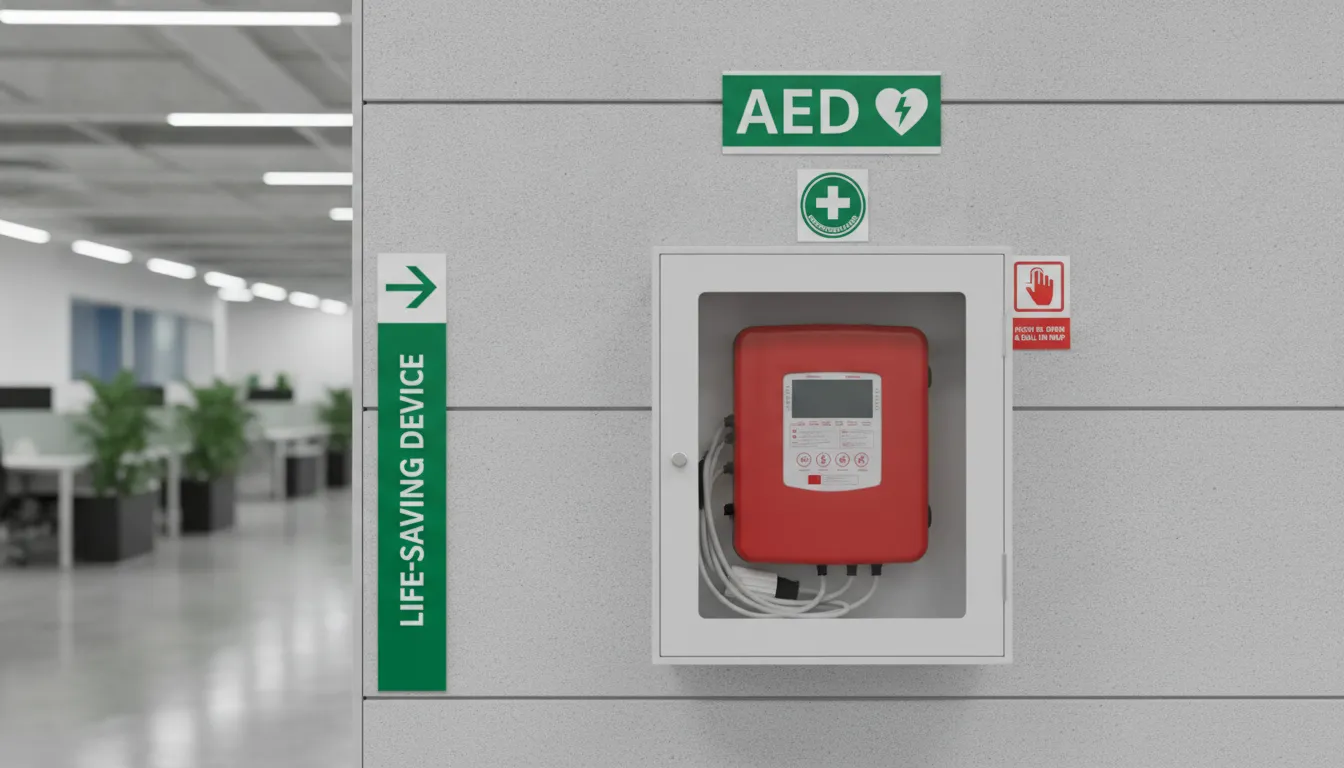
The connection between AED compliance and CPR certification is governed by state Public Access Defibrillation (PAD) laws. These laws require organizations to not only deploy AEDs but also ensure on-site personnel are certified in CPR and AED protocols. To receive Good Samaritan liability protection, facility owners must document regular equipment maintenance, monthly inspections, and up-to-date staff training credentials.
Safe workplaces and schools use both CPR and AEDs to save lives. Public Access Defibrillation (PAD) systems link these two tools together. These laws set rules for how owners must manage their gear and train their staff. To stay safe and legal, you must know how your local laws connect device care with user skills. AED Total Solution provides Tier 3 Comprehensive Program Management to automate both hardware tracking and responder certifications in one system.
Most states want to make sure help is ready when someone has a heart attack. This means that having an AED is only the first step. You also need people on site who know what to do. A good plan brings these needs into one clear path for your team. Understanding why rapid defibrillation is important underscores why having a trained team is absolutely critical.
The Role of PAD Laws
Most state laws for public access to heart tools vary a lot. Some states have strict rules while others are more relaxed. These PAD laws often outline how you must maintain your AED and train your team. Failing to follow these rules can lead to legal risks and safety gaps. Compliance is not just about having a device on the wall. It is also about making sure your staff knows how to use it. Many states require that people who work near an AED get set training. This helps ensure that the device works well and that people are ready to help when a heart stops.
Some areas require you to report your device to local EMS teams. This helps first responders find an AED during a crisis. By linking your device to the local 911 system, you help create a safer net for all. This type of teamwork is a key part of modern safety laws. Businesses can find suitable equipment by checking the best defibrillator for office environments.
Liability and Responder Training
Good Samaritan laws often protect people who use an AED in good faith. But this help often comes with strings attached. You may only get these safety shields if you follow CPR and AED protocols set by your state. This means your training must stay current and your device must be ready for use. State laws provide liability protections for people who use AEDs during a crisis. To keep these shields, owners must show they did their duty. This duty includes set gear checks and keeping staff records up to date. Handling these tasks on your own can be hard for many groups.
Medical oversight is often a part of these state rules too. A doctor may need to review your plan and check your gear. This extra step gives your team more trust. It also helps prove that you take your safety duties much more seriously. Pros can help you stop small errors from becoming big legal problems. Multi-location companies often opt for AED rental options to standardize equipment and simplify oversight.
Six Steps for a Compliance Plan
To help you stay on track, follow these steps to build a solid compliance plan for your group:
- Find out which state laws apply to your site. Rules for schools and shops often differ by state.
- Pick a person to lead your safety program. This person will track training dates and gear checks to keep you on track.
- Set up a schedule for CPR and AED training. Make sure your staff gets new cards before their old ones end so there is no gap.
- Check your AED pads and batteries every month. Replace any parts that are old or broken right away to keep the gear ready.
- Keep clear records of all training and gear work. Good notes are vital if you ever face a legal audit or court case.
- Work with a team of experts to guide your plan. Pros like AED Total Solution can help you stay current as state laws change over time.
Protect your organization and secure your Good Samaritan liability shield. Get started with our compliant AED rental and management programs or call (855) 263-7772 to talk to our team.
Frequently Asked Questions
Does each state have different CPR certification requirements?
Yes. Each state sets its own rules for who needs training. For example, some states require teachers to be certified for their license while others leave that choice to local school districts. According to the American Heart Association, 38 states now require CPR training as a high school graduation requirement. These rules change often, so it is vital to check your specific state laws to stay in compliance.
Is CPR certification mandatory for all employees in every state?
There is no single law that requires every worker in the United States to have CPR training. Instead, rules depend on your specific job and industry risks. According to OSHA, employers must have trained first aid responders if a hospital is not located near the workplace. High-risk jobs like logging or power line work often have strict mandates, while office settings may not have any formal state requirements at all.
Can I get CPR certified online to meet state requirements?
It depends on your state and your job type. Many states and licensing boards require a hands-on skills test to grant a valid certificate. While you can learn the steps through an online course, most official CPR certification requirements for professional roles need an in-person check. Always verify if your employer or state board accepts online-only cards before you pay for a class to ensure it meets legal standards. You can also explore how to become certified by reviewing guides on how to be an American Heart Association CPR instructor.
How do I find my state’s specific CPR certification regulations?
You can find these rules by checking with your state board of education, health department, or labor office. Many organizations also use professional management services to track these shifting laws across multiple locations. State laws regarding public access to defibrillation often list the training duties for AED owners. Professional safety teams can help you map out these rules to ensure your staff stays fully trained and your business avoids liability risks.
Simplify your multi-state CPR and AED compliance today
Not staying up to date with fast-changing state laws puts your staff at risk and can lead to big fines for your company. You can avoid these costs and stop the stress of managing compliance on your own by starting a clear program with our expert team now. You can learn more about how we help on our AED compliance FAQ page or reach out for a full review of your team needs.
Ready to simplify your multi-state CPR and AED compliance? You can get a free consultation today to learn how we help groups stay safe. Call (855) 263-7772 to talk to a program expert today and ensure your team stays safe while meeting all current state laws.