

An AED on the wall is supposed to provide peace of mind. But for the person in charge of managing it, it can become a source of constant worry. Is the battery still good? Are the pads expired? Did someone remember to complete this month’s inspection log? This uncertainty creates a dangerous false sense of security for everyone in your building. True confidence comes from knowing your entire program is managed with expert precision. Comprehensive AED maintenance and monitoring services eliminate the guesswork by handling every detail, from real-time readiness checks to audit-ready compliance reporting, so you can be certain your program is always prepared for an emergency.
Key Takeaways
- Maintenance is non-negotiable: An AED is only effective if it’s properly maintained. Consistent checks are essential for ensuring the device is ready for an emergency and for maintaining your organization’s legal protection.
- Self-management creates hidden risks: Relying on internal staff to manage AEDs often results in missed inspections and compliance gaps. A professional management service removes this burden and ensures every critical detail is handled correctly.
- Choose a partner over a simple tool: Basic tracking software only reminds you of tasks, leaving the work and responsibility on your team. A full-service partner actively manages your program, providing hands-on support to guarantee compliance and readiness.
What Are AED Maintenance and Monitoring Services?
AED maintenance and monitoring services are designed to ensure your life-saving device is always ready for an emergency. Think of it as a complete support system for your AED program. Instead of just hanging a device on the wall and hoping it works when needed, these AED program management services provide ongoing oversight to manage every detail, from routine inspections and supply tracking to compliance documentation. The core goal is to remove the guesswork and administrative burden from your team, giving you confidence that your program is effective and compliant.
A managed program keeps your AEDs functional and in line with national and state regulations. It involves regular readiness checks, tracking battery and electrode pad expiration dates, and handling any device recalls or software updates. This proactive approach helps you avoid the risks of equipment failure and legal liability. Essentially, an AED maintenance service transforms your device from a piece of equipment into a fully managed, response-ready asset. It gives you peace of mind that when a cardiac emergency happens, your AED will perform exactly as it should.
What a Complete AED Program Includes
A complete AED program is much more than the device itself. It’s a comprehensive system built around proper planning, setup, and ongoing support. A truly effective program ensures your AED is not only present but also fully functional and compliant at all times. This includes strategic device placement, initial registration with local emergency services, and regular inspections to verify its readiness. The goal is to create a reliable safety net that helps you manage your AEDs effectively, making sure they are prepared for emergencies while protecting your organization from potential legal issues.
Why Consistent Maintenance Is So Important
Many people assume that once an AED is installed, it’s ready to go indefinitely. However, that’s a dangerous misconception. An AED is only effective if it’s in perfect working order during a sudden cardiac arrest. Consistent maintenance is the only way to guarantee that. Batteries have a limited lifespan, electrode pads expire, and internal software may require updates. Regular checks confirm that every component is functioning correctly and that all supplies are within their use-by dates, ensuring your device is always prepared to save a life when seconds matter most.
Remote Monitoring vs. Manual Checklists
When it comes to tracking AED readiness, you have two main options: remote monitoring or manual checklists. Manual checklists require a designated person to physically inspect each AED on a set schedule, a process that can be prone to human error or neglect. In contrast, remote monitoring systems use technology to automatically check the AED’s status 24/7. These systems can be installed on any brand of AED and will send real-time alerts for issues like a low battery or an expired component. This automates the oversight process, providing peace of mind that your devices are always ready without relying solely on manual inspections.
Key Features of an AED Monitoring Service
When you start looking at AED maintenance providers, you’ll notice their services can vary quite a bit. Some offer basic software to track your equipment, while others provide a complete, hands-on management program that acts as an extension of your team. A simple tracking tool might seem like enough, but it still leaves the actual work and responsibility on your shoulders. A truly comprehensive service, on the other hand, doesn’t just track your devices; it actively ensures they are ready and compliant at all times.
Understanding the key features of a quality program will help you find a partner that gives you genuine peace of mind and protects your organization. It’s the difference between buying a calendar to remind you of tasks and hiring an assistant to get them done for you. A great service handles the details so you can focus on your core responsibilities, confident that your emergency response plan is in expert hands. Here are the essential components to look for when comparing your options.
Real-Time Alerts and Readiness Checks
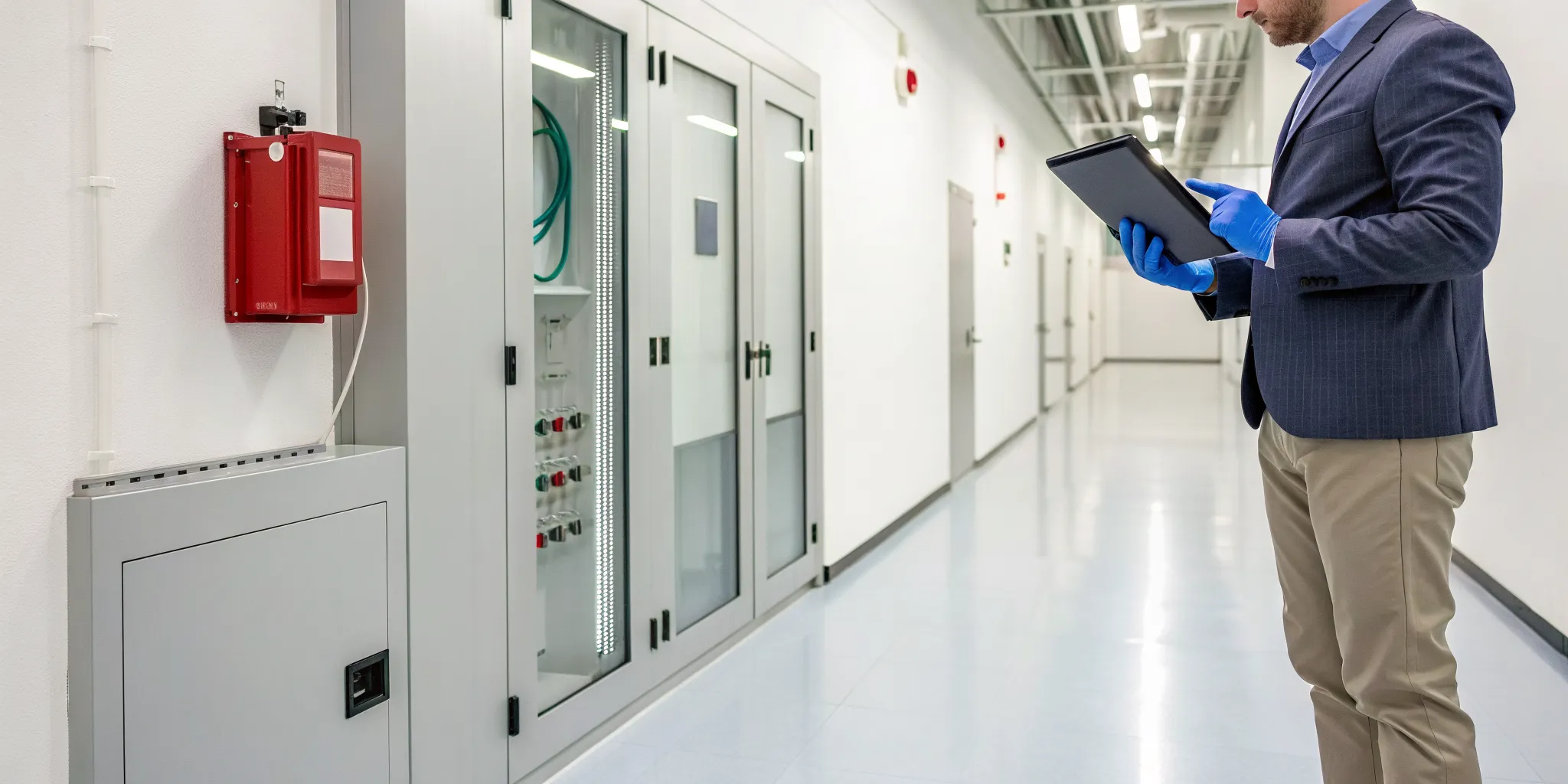
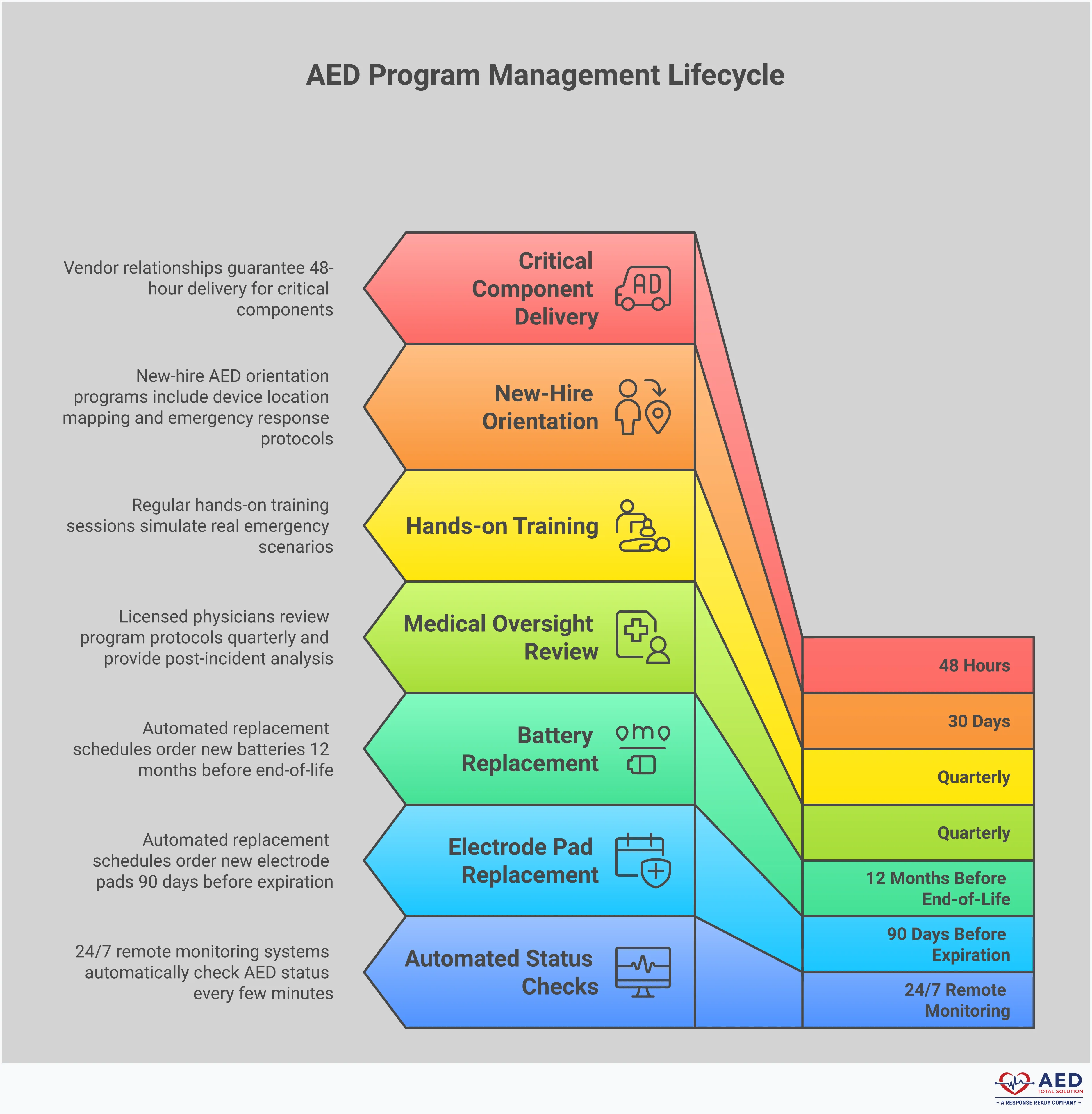
Manual AED checks are prone to human error. A busy staff member might miss an inspection, forget to log it, or overlook a small blinking status light indicating a problem. An effective AED monitoring service removes that risk with technology that automatically checks your devices for you. This system constantly verifies that the battery is charged, the electrode pads are within their expiration date, and the AED is passing its routine self-tests. If anything is wrong, from a low battery to an expired component, the service sends an immediate alert to the right person. This proactive approach means you can fix issues long before an emergency happens, ensuring your AED is always ready to be used when seconds matter most.
Compliance Tracking and Audit-Ready Reports
AED laws can be complicated, with different requirements from state to state. Staying compliant is not just about following rules; it’s often necessary to ensure your organization is covered by Good Samaritan laws. A great service provider takes this burden off your shoulders by tracking all relevant regulations for you. They maintain meticulous records of every inspection, battery replacement, and staff training session. All of this information is compiled into clear, audit-ready reports. If an inspector ever asks for your documentation, you’ll have everything you need in one organized place, demonstrating that your program is managed responsibly and professionally.
Managing AEDs Across Multiple Locations
For organizations with more than one office, campus, or facility, managing an AED program can quickly become a logistical nightmare. Trying to coordinate inspections, track supplies, and ensure compliance across different sites is a huge challenge that often leads to gaps and inconsistencies. A full-service provider simplifies this with a centralized management system. From a single dashboard, you can see the status of every AED in your entire organization, no matter where it’s located. This allows you to standardize your procedures and maintain consistent readiness everywhere. It’s an essential feature for any business that needs a scalable and reliable AED program.
The Value of Medical Oversight and Program Management
Many states require that a licensed physician provides medical oversight for an organization’s AED program. This isn’t just a box to check; it’s a critical layer of protection for your organization and for anyone who might need the AED. A physician director ensures your program follows established medical best practices, from initial device placement to post-event reviews after an AED is used. This expert guidance helps reduce your organization’s liability and confirms your program is set up for the best possible outcome in an emergency. Having medical professionals involved in your program management provides a level of expertise and assurance that you simply can’t get from a basic software tool.
How Much Do AED Maintenance Services Cost?
When you’re thinking about the cost of an AED program, it’s helpful to look beyond the price of the device itself. The real investment is in ensuring that your AED is always ready to use and fully compliant with state and federal regulations. The costs for maintenance and monitoring can vary quite a bit, depending on whether you manage it yourself or partner with a service provider.
Managing an AED program in-house means accounting for staff time, training, and the recurring cost of replacement parts. On the other hand, a professional management service bundles these responsibilities into a predictable fee. While a service has a direct cost, it protects you from the hidden expenses of a self-managed program, like missed expiration dates, compliance fines, or the significant liability of a device failing during an emergency. Think of it as an investment in readiness and peace of mind. The right service not only keeps your devices functional but also shields your organization from unnecessary risk, making it a critical part of your overall safety strategy.
Typical Annual Costs for Maintenance and Monitoring
If you’re handling maintenance yourself, the basic upkeep for a single AED can seem low. The average yearly cost for just the essential parts is often estimated to be around $75, but this figure doesn’t include the staff hours spent on inspections, record-keeping, and tracking down supplies.
When you opt for a professional monitoring service, the pricing structure changes. Most providers charge a recurring fee, either monthly or annually, on a per-device basis. This fee covers continuous readiness checks, compliance documentation, and expert support. While it may appear higher than the simple cost of parts, it provides a much clearer picture of your total investment. A managed service transforms unpredictable expenses and administrative tasks into a single, budget-friendly line item, ensuring your program runs smoothly without any surprises.
What Factors Influence the Price?
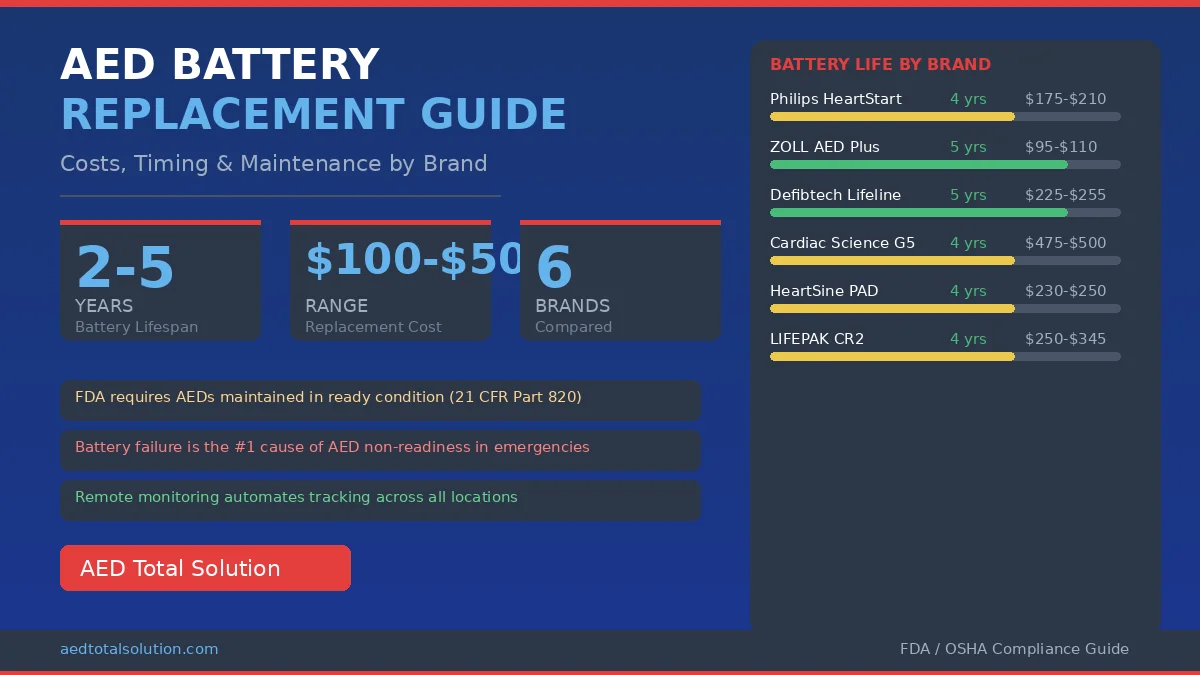
Several key factors determine the final cost of an AED maintenance program. First and foremost are the ongoing costs for replacement parts. AEDs require new electrode pads every two to four years and new batteries about every four years. The price of these components can differ depending on the AED model.
The scope of the service you choose also plays a major role. A basic software tool for tracking expiration dates will cost less than a comprehensive program that includes remote readiness monitoring, compliance reporting, and medical oversight. The number of AEDs you have is another important factor; while more devices increase the total cost, many providers offer a lower per-unit price for larger programs. Finally, consider whether the service fee includes the cost of replacement pads and batteries or if you’ll need to purchase them separately.
Bundled Programs vs. A La Carte Services
AED management solutions are typically offered in two ways: as a bundled, full-service program or as a collection of a la carte services. A la carte options let you pick and choose specific services, like software for tracking inspections. This might seem like a good way to save money, but it can easily create gaps in your program if you overlook a critical component like compliance documentation or recall management.
A bundled or full-service program offers a complete, end-to-end solution. These programs handle everything from initial device placement and registration to ongoing monitoring, supply replenishment, and audit-ready reporting. This white-glove approach simplifies budgeting and removes the administrative burden from your team. By entrusting every detail to a single provider, you can be confident that your AED program is always compliant and ready for an emergency.
What Are the Legal Requirements for AED Maintenance?
When you place an AED in your facility, you’re not just adding a piece of equipment; you’re taking on a responsibility. Part of that responsibility involves meeting certain legal requirements for maintenance. These rules aren’t just about ticking boxes. They are directly tied to the Good Samaritan laws that protect you and your organization from liability. If your AED program’s compliance is ever questioned after an incident, you’ll need to show that the device was properly maintained and ready for use. The specifics can get complicated, as requirements vary from federal guidelines down to state and local rules.
Understanding Federal and OSHA Guidelines
While there isn’t one single federal law that mandates AEDs in all private workplaces, the Occupational Safety and Health Administration (OSHA) strongly encourages them as part of a first-aid program. Federal Good Samaritan laws are designed to protect individuals and organizations from liability when they voluntarily help someone in an emergency. However, this protection often depends on the AED being properly maintained according to the manufacturer’s guidelines. Think of it as a two-way street: the law protects you, but you have to demonstrate you were responsible with your equipment. This means regular checks, functioning batteries and pads, and a clear record of upkeep.
Keeping Up with State-Specific AED Laws
This is where things can get tricky, especially if you manage multiple locations. Every state has its own set of rules for AEDs, and they can differ quite a bit. Some states have specific requirements for how often you must inspect your devices, while others have mandates around training and medical oversight. Following these rules is essential, as your Good Samaritan protection is only valid if you comply with your state’s specific requirements. Staying on top of these regulations is a significant administrative task, as laws can change. It’s your responsibility as an AED owner to know what’s required in your area to ensure your program is fully compliant.
Documentation Standards for Audit Preparation
If you can’t prove you maintained your AED, it’s almost as if you didn’t do it at all. Meticulous documentation is your best defense against liability and a key part of any solid AED program. You should keep detailed records of every inspection, including the date, the status of the battery and pads, and the overall readiness of the device. It’s also critical to log when you replace accessories, noting their new expiration dates. This creates an audit-ready paper trail that demonstrates your commitment to readiness. This documentation is the first thing anyone will ask for if an incident occurs, so having it organized and accessible is non-negotiable for a compliant AED program.
Common Challenges of Self-Managing an AED Program
Deciding to install an AED at your facility is a fantastic first step toward protecting your employees and visitors. But the work doesn’t stop once the device is mounted on the wall. An AED program is a living system that requires constant attention to ensure it functions correctly during an emergency. Many organizations that choose to manage their programs in-house quickly discover the hidden complexities. What starts as a straightforward safety initiative can become a source of administrative headaches and compliance risks.
From tracking battery expiration dates and conducting routine inspections to maintaining training records and navigating state-specific laws, the responsibilities add up. When these tasks are juggled by staff with other primary duties, critical details can easily fall through the cracks. This creates a dangerous gap between having an AED and having a response-ready AED. Understanding these common challenges is the key to building a program that is not only compliant but truly effective when seconds count.
The Hidden Workload and Compliance Gaps
The biggest surprise for many is the sheer volume of administrative work an AED program requires. It’s not a one-and-done purchase. You have to perform regular inspections, track the expiration dates of electrode pads and batteries, maintain detailed records for every device, and arrange for medical oversight as required by law. Each task is a link in the chain of readiness. If one breaks, the entire program is compromised. Without a dedicated system, these duties often get pushed to the bottom of a to-do list, creating dangerous compliance gaps that you might not discover until it’s too late.
The Risks of Equipment Failure and Liability
The stakes couldn’t be higher. If an AED fails to work during a sudden cardiac arrest because of a dead battery or expired pads, the outcome can be tragic. Beyond the human cost, equipment failure opens your organization up to significant legal liability. A non-working AED can lead to devastating lawsuits and damage to your reputation. Simply having a device on-site creates a duty of care to maintain it properly. An unmaintained AED provides a false sense of security and can be a greater liability than having no AED at all, making diligent program management absolutely essential.
Handling Staff Training and Turnover
An AED is only effective if people feel confident enough to use it. While modern AEDs are incredibly user-friendly, regular training helps ensure a swift and effective response. The real challenge, however, is staff turnover. When your designated responders or trained personnel leave the company, who takes their place? Is AED awareness part of your new-hire orientation? Without a formal system, your program’s human element can quickly erode. You need a consistent process for tracking trained staff, scheduling refresher courses, and ensuring everyone in your building knows where the AED is and who to call in an emergency.
How to Compare AED Service Providers
When you start looking for help with your AED program, you’ll find that not all service providers are the same. The options range from simple software tools to comprehensive management programs. To find the right fit, you need to look closely at what’s actually being offered. The key is to understand the difference between a tool that just tracks tasks and a partner that actually takes responsibility for them. Consider the scope of their services, the reliability of their support, and the accuracy of their technology to make a confident choice.
Full-Service Management vs. Basic Tracking Tools
The first major distinction to understand is between full-service management and basic tracking tools. Tracking software is essentially a digital checklist. It might send you an email reminder that an inspection is due or that your pads are about to expire, but the responsibility to perform the check, order supplies, and document everything still falls on you. A full-service provider, on the other hand, offers a complete program management solution. This approach combines smart technology with hands-on oversight to manage every aspect of your AED program. Instead of just reminding you, a true partner ensures every inspection is completed, every expiring part is replaced, and all your documentation is audit-ready. This closes the common compliance gaps that leave organizations exposed.
Evaluating Service Reliability and Support
A provider’s true value shows up in their support system. It’s one thing to get an automated alert, but it’s another to have an expert ready to help you resolve it. When comparing providers, ask specific questions about their support process. Who is responsible when an AED fails its readiness check? What is their procedure for handling recalls or expiring supplies? A reliable partner provides clear answers and a dedicated support structure. Look for a team that offers more than just a help desk. The goal is to find a partner invested in your program’s success, with a team that provides ongoing guidance and ensures your AEDs are always ready for an emergency. This level of support is what separates a simple vendor from a trusted safety partner.
Assessing Monitoring Technology and Accuracy
Effective AED management relies on accurate technology. Many services use remote monitoring systems that connect to your AEDs, automatically checking their status and sending alerts if an issue is detected. These systems are designed to work with any brand of AED and provide a great first line of defense. However, technology alone isn’t enough. While AEDs perform their own routine self-tests, physical inspections are still essential for checking things the device can’t see, like expired pads or physical damage. A top-tier provider combines remote monitoring with a system that verifies these crucial manual checks are also being done. This dual approach ensures nothing is missed, giving you complete confidence that your devices are truly response-ready. You can find answers to common technology questions to learn more.
Common Misconceptions About AED Maintenance
Misinformation can be a major roadblock for organizations considering an AED program. When you’re trying to protect your team and stay compliant, confusion about costs, liability, or how these devices work is the last thing you need. Many common beliefs surrounding AEDs are outdated or simply incorrect. Let’s clear up a few of the biggest myths so you can move forward with confidence, knowing you’re making an informed decision to protect your people.
Mythbusting: AED Program Costs and Complexity
One of the most common myths is that AEDs are too expensive for a rare emergency. While an AED is an investment, the cost of not having a functional device during a sudden cardiac arrest event is far greater. The true cost includes potential liability and the impact on your community. A well-managed AED program is a critical part of any safety plan. Plus, the idea that these programs are too complex is an overstatement. With a full-service AED program management partner, the complexity disappears. All the tracking, inspections, and documentation are handled for you, making compliance straightforward.
How Maintenance Directly Affects Emergency Response
An AED is only helpful if it’s ready to work in an emergency. This seems obvious, but it’s a point that can get lost in day-to-day operations. Consistent maintenance ensures the battery is charged and the electrode pads are within their expiration date. Some worry that using an AED might interfere with or delay professional help, but that’s not the case. An AED is a bridge to survival in the critical minutes before EMS arrives. Emergency responders do not delay service based on AED presence; they integrate it into their life-saving protocol.
Misunderstandings About AED Training and Use
Many people believe AEDs are difficult to operate and should only be used by medical professionals. This is one of the most persistent and dangerous myths. Modern AEDs are specifically designed for untrained bystanders. They provide clear, calm voice instructions and visual diagrams to guide the user through every step, from pad placement to shock delivery. The technology is incredibly user-friendly. While formal training is always a great idea to build confidence, the device is built so that anyone can use it to save a life. You don’t need a medical degree, just a willingness to act.
Related Articles
- What is Remote AED Monitoring? A Full Guide
- AED Maintenance: A Step-by-Step Guide
- AED Inspection and Maintenance: A Complete Guide — AED Total Solution
- Home AED Solutions – Expert Service & Support
Frequently Asked Questions
What’s the difference between a basic tracking tool and a full-service management program? Think of it this way: a basic tracking tool is like a calendar reminder. It might tell you an inspection is due, but you still have to do the work, log the results, and order supplies. A full-service management program is like having an expert assistant. It combines technology with hands-on oversight to ensure every task is actually completed, from readiness checks to compliance documentation, giving you a truly response-ready program without the administrative burden.
Is professional AED management worth the cost compared to doing it myself? When you manage an AED program yourself, you have to account for hidden costs like staff time for inspections, training, and tracking down replacement parts. A professional service bundles all of that into one predictable fee. More importantly, it protects you from the much larger costs of liability and equipment failure that can arise from a compliance gap or a missed expiration date. It’s an investment in making sure your safety program works when it matters most.
Why is medical oversight so important for an AED program? Medical oversight, which involves having a licensed physician oversee your program, is a legal requirement in many states. It’s also a critical best practice. A physician director ensures your program follows established medical protocols for things like device placement and post-event review. This expert guidance helps protect your organization from liability and confirms your program is set up to achieve the best possible outcome in an emergency.
How can a management service help if my organization has AEDs in multiple locations? Managing AEDs across different sites is a huge logistical challenge that often leads to inconsistent maintenance and compliance gaps. A full-service provider solves this by using a centralized system. You get a single dashboard to view the status of every device, no matter where it is. This allows you to standardize your procedures and ensure every location is just as prepared and compliant as the next.
What are the biggest risks if I don’t keep up with AED maintenance? The most significant risk is equipment failure. An AED with a dead battery or expired pads is useless during a cardiac arrest, which can have tragic consequences. From a business perspective, improper maintenance exposes your organization to serious legal liability. If an incident occurs, you could face lawsuits and damage to your reputation, as having an unmaintained AED can be seen as a greater liability than having no AED at all.