

Sudden Cardiac Arrest (SCA) doesn’t discriminate. It can happen to anyone, at any age, without warning. When you bring a large group of people together for an event, the chances of a medical emergency increase. The key to survival is immediate action, and an Automated External Defibrillator (AED) is the one tool that can restart a heart during SCA. While every event should have one, the logistics of purchasing and maintaining a device for a short-term gathering can seem complicated. Fortunately, there’s a straightforward solution. You can rent AED for an event, ensuring this life-saving technology is on hand when seconds matter most. This guide breaks down the simple steps to get you prepared.
Key Takeaways
- Choose renting for event-specific safety: For temporary events like conferences or festivals, renting an AED is the most sensible choice, giving you a compliant device without the long-term costs and upkeep of buying one.
- Expect a response-ready kit, not just a device: A quality rental provides a complete package with a charged battery, current pads, a rescue kit, and proof of compliance, so you are prepared the moment it arrives.
- Pair your AED with a clear emergency plan: The device is just one part of your safety strategy; ensure your event staff knows where the AED is located and what steps to take in an emergency for a fast, effective response.
What Is an AED and Why Does Your Event Need One?
When you’re planning an event, the checklist can feel a mile long: venue, catering, guest list, and so on. But one of the most important items on that list should be your safety plan. A key part of that plan is having an Automated External Defibrillator, or AED, on-site. An AED is a portable, user-friendly medical device that can analyze the heart’s rhythm and, if necessary, deliver an electrical shock to help re-establish an effective rhythm during Sudden Cardiac Arrest (SCA).
SCA can happen to anyone, at any age, at any time, and it’s a leading cause of death in the United States. Unlike a heart attack, which is a “plumbing” problem, SCA is an “electrical” problem where the heart suddenly stops beating. The survival rate drops significantly for every minute that passes without intervention. Having an AED accessible means you can provide immediate, life-saving care before emergency medical services arrive. It’s not just a piece of equipment; it’s a tool that empowers anyone at your event to become a first responder when seconds are critical.
How AEDs Save Lives
During a Sudden Cardiac Arrest, the heart’s electrical activity becomes chaotic, preventing it from pumping blood to the brain and other vital organs. An AED is the only effective treatment. The device is designed for use by people with no medical training. It provides clear, calm voice prompts that guide the user through every step, from applying the electrode pads to delivering a shock if needed. Having an AED readily available can be the difference between life and death. For events like marathons or sports tournaments, ensuring runner safety is a top priority, and immediate access to an AED is a crucial part of that commitment.
Meet Safety Requirements and Reduce Liability
Beyond the moral imperative to protect your guests, having an AED is often a legal requirement. Many states and local municipalities have laws mandating AEDs in public gathering places, including event venues, stadiums, and schools. For example, New York has extensive AED laws in place to protect its citizens. Failing to comply can result in fines and, more importantly, expose your organization to significant liability in an emergency. By providing an AED, you demonstrate a commitment to safety and due diligence. A comprehensive AED program management service can ensure your device is always compliant with regulations, properly maintained, and ready to use, giving you peace of mind.
Should You Rent or Buy an AED for Your Event?
When you’re planning an event, your checklist is a mile long. Venue, catering, guest lists, marketing… the list goes on. Tucked in there, under safety and logistics, is a critical item: having an Automated External Defibrillator (AED) on-site. While everyone agrees on its importance, the question of how to get one can be tricky. Should you make a large investment and purchase a device, or is there a more practical option for a temporary event?
Deciding whether to rent or buy an AED comes down to your specific needs, budget, and how often you’ll need the device. While purchasing an AED is a smart investment for organizations that need one on-site permanently, like a corporate office or a school, it’s not always the most practical choice for a single conference, festival, or sports tournament. For temporary events, ownership introduces long-term responsibilities that last long after the last guest has gone home.
Renting offers a straightforward, cost-effective way to ensure you have a life-saving device on hand without the long-term commitment. It’s about getting the right tool for the job, exactly when you need it, and then returning it without a second thought. This approach simplifies your safety plan, frees up your budget, and lets you focus on executing a successful event. Let’s look at the key factors to help you make the best decision.
Renting vs. Buying: A Quick Cost Comparison
The most immediate difference between renting and buying is the cost. Purchasing a new AED is a significant upfront investment, often ranging from $1,200 to over $2,500 per unit. This doesn’t include the ongoing costs of replacing electrode pads and batteries, which expire every two to five years. For a one-time or annual event, this can be a substantial hit to your budget.
An AED rental provides a flexible solution that allows you to stay prepared without the full upfront cost of purchasing a device. You pay a simple daily or weekly rate for the period you need it, making it much easier to fit into your event’s budget and turning a large capital expense into a small, predictable operational cost.
Skip the Hassle of Maintenance and Compliance
Owning an AED comes with responsibilities. You have to perform regular inspections, track battery and pad expiration dates, and ensure your device and program meet all local and federal compliance standards. This administrative work requires time, attention to detail, and a clear system for documentation, which can be a challenge for busy event staff.
When you rent an AED, you sidestep these duties entirely. A reputable rental provider delivers a device that is fully maintained, inspected, and ready for use. The pads and batteries are current, and the unit is guaranteed to be in perfect working order. This is a core part of our AED program management, ensuring the device you receive is compliant and response-ready from the moment it arrives.
The Flexibility of Renting for Any Event
Events are temporary, and your safety equipment can be too. Renting gives you the flexibility to have an AED on hand only when you need it. This is perfect for annual fundraisers, seasonal sports leagues, construction projects, or corporate retreats. You don’t have to worry about where to store the device during the off-season or who will manage its upkeep year-round.
Having an AED on-site is a critical part of any safety plan and is often required by local regulations for public gatherings. Renting makes it simple to meet these requirements for any occasion, big or small. You get a top-quality, reliable device delivered for your event and simply return it when you’re done. It’s a practical approach to safety that adapts to your schedule.
How Much Does It Cost to Rent an AED?
Figuring out the cost of an AED rental is a key step in your event planning budget. The final price depends on a few factors, mainly how long you need the device and what’s included in the package. While every provider has a slightly different pricing model, most follow a similar structure that makes renting for a weekend event just as straightforward as securing a device for a month-long project. Let’s break down what you can expect to pay, what your rental fee typically covers, and any extra costs you should keep in mind.
Understanding Daily and Weekly Rental Rates
Generally, the longer you rent an AED, the lower the daily rate becomes. For a short-term event, like a weekend festival or a two-day conference, you might see a flat rate for the first couple of days. If you need the device for a full week or more, the per-day cost usually drops quite a bit. This tiered pricing makes it affordable for events of any length. For a precise quote tailored to your event’s schedule, it’s always best to connect directly with a provider. You can explore different AED rental options to find a plan that fits your timeline and budget perfectly.
What’s Included in a Standard Rental Package?
Your rental fee shouldn’t just cover the AED unit itself. A reliable rental package comes with everything you need for it to be response-ready the moment it arrives. This includes a carrying case for portability, a fully charged battery, and a set of adult electrode pads. Some providers also include a warranty for the entire rental period, giving you peace of mind. The goal is to receive a complete, ready-to-use kit, so you don’t have to worry about sourcing accessories separately. A comprehensive provider ensures all program management services are handled, so your rental device is compliant and ready for action.
A Note on Additional Fees and Shipping
When you’re budgeting, remember to account for shipping. Most rental companies charge a flat fee for round-trip delivery and return of the AED, especially for short-term rentals. This fee covers getting the device to you and includes a pre-paid label to send it back, which simplifies the process. It’s a good practice to ask about shipping costs and any other potential fees upfront so you have a clear picture of the total investment. If you have questions about billing or logistics, a provider’s FAQ page is often a great resource for quick answers and can help clarify what to expect.
What to Expect in Your AED Rental Package
When you decide to rent an AED, you’re getting more than just the device itself. A quality rental package is a complete, event-ready solution designed to give you everything you need for a safe and compliant event. Think of it as a safety-in-a-box kit. From the moment it arrives, the AED should be ready for immediate deployment, with all the necessary components and documentation included. This is a huge relief for event organizers who already have a million other details to manage.
A reliable provider ensures the package contains the AED unit, essential accessories for a rescue, clear instructions for use, and proof that the device is properly maintained and compliant. This comprehensive approach removes the guesswork and lets you focus on your event, confident that you have a life-saving tool ready to go. You won’t have to worry about whether the battery is charged or if the pads have expired, because a professional service handles all of that for you. It’s about providing confidence and clarity, not just equipment. Let’s break down exactly what you should find inside your rental package so you know what to look for in a great provider.
The AED Unit and Essential Accessories
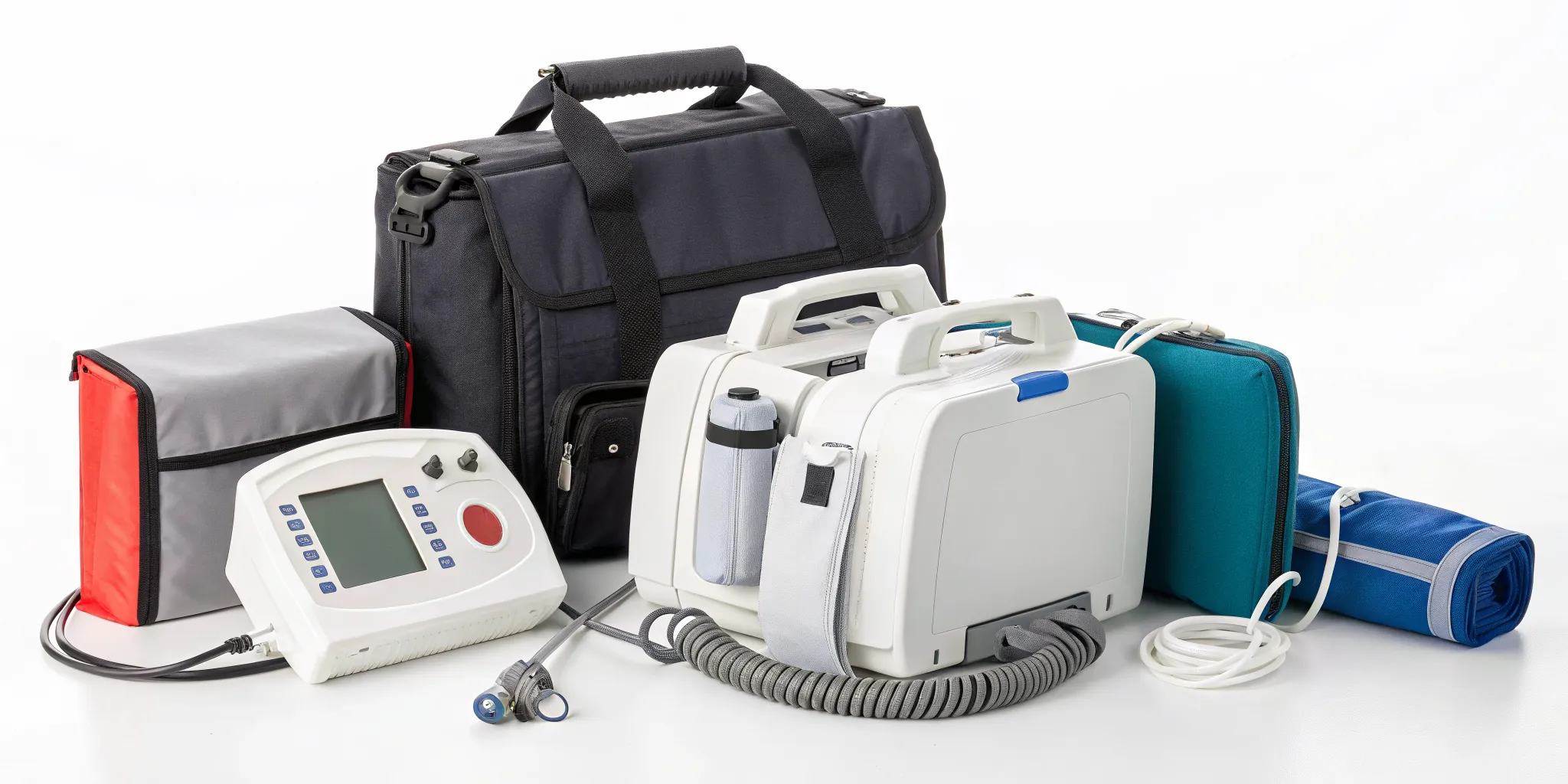
The core of your rental package is, of course, the automated external defibrillator. The device will arrive fully charged, with electrode pads pre-connected and ready for use. It will be housed in a durable, protective carrying case that makes it easy to transport and quickly access in an emergency.
Alongside the AED, you’ll find a Fast Response Kit. This kit contains critical accessories needed to prepare a person for defibrillation, such as trauma shears for cutting through clothing, a razor for clearing hair from the chest, and disposable gloves for responder safety. A comprehensive AED rental package ensures you have these essential tools on hand so you don’t waste a single second during a cardiac arrest event.
User Guides and Support Documents
Modern AEDs are designed to be incredibly user-friendly, with clear voice prompts that guide the rescuer through every step. However, your rental package will also include simple user guides and quick-reference cards to give you and your team extra confidence. These documents provide straightforward instructions on how to operate the device and what to do in an emergency.
Beyond the physical guides, a great rental provider offers another layer of support. They handle the background logistics, like tracking the expiration dates of the AED’s battery and electrode pads. This ensures the device you receive is always within its service life and ready to perform reliably. If you have questions, you can often find quick answers on a provider’s FAQ page.
Proof of Compliance and Inspection
One of the biggest advantages of renting an AED is that the provider manages all the maintenance and compliance requirements for you. Your rental package should include clear documentation confirming that the device has been inspected, tested, and maintained according to the manufacturer’s standards and all relevant regulations. This paperwork is your proof that you’ve provided a safe, functional, and compliant device for your event.
This service is a key part of a broader commitment to program management that protects your organization. By renting, you transfer the responsibility of ongoing readiness checks and record-keeping to the experts, reducing your liability and giving you peace of mind.
How to Choose the Right AED Rental Provider
Choosing an AED rental provider isn’t just about finding a device; it’s about finding a partner who can help you ensure your event is safe and prepared. The right company won’t just ship you a box. They’ll provide a complete, ready-to-use solution that gives you confidence and peace of mind. A great provider removes the guesswork, making sure you have everything you need for the duration of your event, from the AED itself to the necessary compliance documentation. As you compare your options, focus on finding a company that prioritizes readiness and makes the entire process straightforward and transparent.
What to Look for in a Provider
When you start looking for an AED rental, focus on providers that offer a comprehensive package. You need more than just the AED unit. A reliable rental service should include the device, a set of adult electrode pads, a battery, a carrying case, and a rescue-ready kit with items like scissors and gloves.
The best providers ensure their rental kits are fully compliant and ready for immediate use upon arrival. This means the device has been inspected, the accessories are within their expiration dates, and everything is organized for a quick response. Look for a provider that clearly lists what’s included so you know you’re getting a complete solution, not just a device.
Key Questions to Ask Before You Rent
Before you commit to a rental, it’s important to ask a few specific questions to make sure you’re getting exactly what you need. A transparent provider will have clear and confident answers.
Start with the basics:
- What does the rental package include? A good answer should list the AED, adult pads, battery, carry case, and a rescue kit.
- How do you ensure the AED is compliant and ready for use? They should be able to confirm the device has been tested and comes with an up-to-date inspection tag.
- What is the process for delivery and return? Look for a simple, streamlined process with clear instructions.
Asking these questions upfront helps you understand the level of service and ensures there are no surprises.
Common Red Flags to Avoid
As you evaluate providers, keep an eye out for a few red flags. Be cautious of any company that can’t clearly explain what’s in their rental package or seems hesitant to discuss compliance. A reputable provider should be an open book, willing to educate you on the equipment and its proper use.
Another warning sign is a lack of flexibility. Every event is different, and a good rental partner will work with you to fit your specific timeline and needs. If a provider has overly rigid rental terms or a complicated process, it may be a sign that their focus isn’t on customer support. Ultimately, you want a partner who makes safety simple, not one who adds complexity to your event planning.
Your Step-by-Step Guide to Renting an AED
Renting an AED is a straightforward process, but a little planning goes a long way. Following these three steps will help you secure the right equipment for your event without any last-minute stress.
Step 1: Define Your Event’s Needs
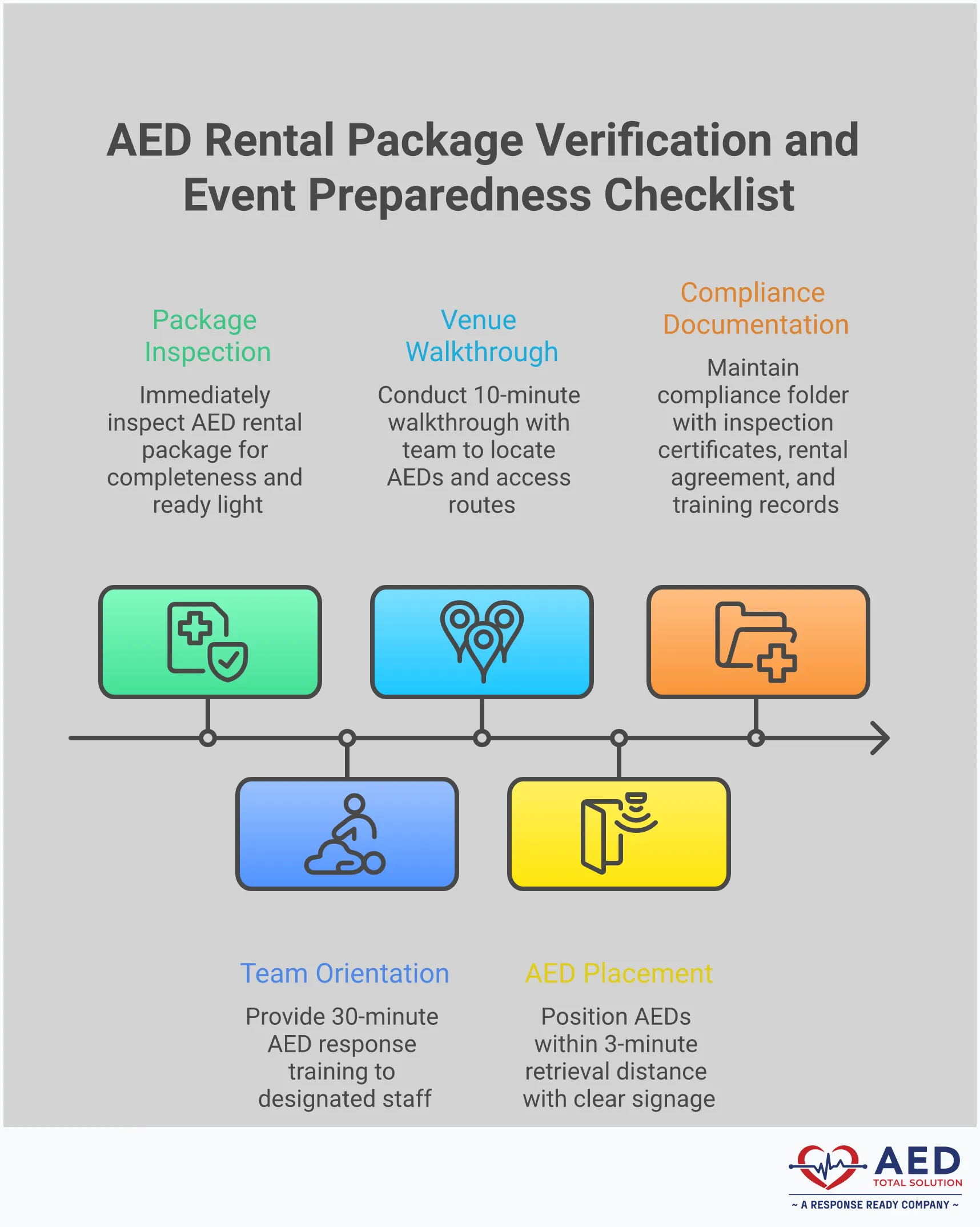
First, take a clear look at your event’s specific requirements. Think about the number of attendees you expect and the size of your venue. A small, single-room conference has different needs than a large outdoor festival spread across several acres. For larger or multi-level venues, you may need more than one device to ensure a rescuer can reach an AED and return to the victim within three minutes. Also, consider the nature of the event. A 5K run or a sports tournament carries a higher risk of sudden cardiac arrest than a seated dinner. Getting expert guidance on placement can help you create a safety plan that truly covers all your bases and ensures your AEDs are visible and accessible.
Step 2: Plan Your Rental Timeline
Once you know what you need, it’s time to map out your timeline. We recommend securing your rental well in advance, especially if your event falls during a busy season for conferences or community gatherings. Your rental period should cover more than just the event itself. Be sure to factor in a few days for shipping before the event and for return transit afterward. For example, if your event is on a Saturday, you’ll want the AED to arrive by Thursday or Friday at the latest. This buffer gives you time to get familiar with the device and its placement. When you’re ready, you can explore your rental options and book a device that fits your schedule perfectly.
Step 3: Coordinate Delivery and Return
Finally, make a clear plan for managing the AED’s arrival and departure. Most rental providers ship the device in a durable case with everything you need, including a prepaid return shipping label. As soon as the package arrives, open it and confirm that all the components are there and the device is ready for use. We suggest assigning one person on your team to be responsible for the AED. This person can oversee its placement before the event and ensure it gets packed up and shipped back correctly afterward. This simple step prevents confusion and ensures the unit is returned on time, helping you avoid any late fees. If you have specific concerns, you can often find answers to common shipping questions on the provider’s website.
Understand Compliance and Training Requirements
Renting an AED is a fantastic first step, but it’s not the last one. To be truly prepared, you also need to think about compliance and training. This might sound intimidating, but it’s all about making sure your team knows what to do in an emergency and that you’re following local rules. Think of it as building a complete safety net for your event. Having the right equipment is one piece, and having a prepared team is the other. A great rental provider won’t just hand you a box; they’ll help you understand your responsibilities.
This includes creating a clear emergency response plan, knowing who on your staff is trained to respond, and ensuring your AED placement meets legal guidelines. It’s about turning a piece of equipment into a life-saving program. Our goal at AED Total Solution is to simplify this entire process, offering full-service program management that covers everything from device readiness to compliance documentation. We handle the details so you can focus on your event with the confidence that your safety plan is solid, supported, and ready for action when every second counts.
Know the Local and Federal Rules
While there isn’t a single federal law requiring AEDs at all public events, many states and cities have their own specific rules. For example, some states mandate AEDs for schools, health clubs, or large public gatherings. These state-specific AED laws can dictate not only if you need an AED but also where it should be placed and what signage is required. Before your event, it’s essential to research the regulations for your specific location. A reliable rental partner can be a great resource here, helping you understand the local requirements to ensure your event is fully compliant and your attendees are protected.
Does Your Staff Need Training?
This is a question we get all the time. Modern AEDs are designed to be used by almost anyone, with clear voice prompts guiding the user through every step. However, having staff members who have completed AED and CPR training can make a world of difference. Training builds the confidence to act decisively in a high-stress situation, which can save precious seconds. Some states even require a trained responder to be on-site. Investing in training isn’t just about meeting a requirement; it’s about empowering your team to respond effectively and giving them valuable life-saving skills.
Create an Emergency Response Plan
An AED is a tool, but a plan turns that tool into a life-saving system. Your emergency response plan is a simple but critical document that outlines exactly what to do if someone experiences sudden cardiac arrest. It should answer key questions: Who calls 911? Who retrieves the AED? Who starts CPR? Where is the AED located? Make sure your event staff and volunteers are familiar with the plan. A well-thought-out response strategy ensures a coordinated and swift reaction. Our AED program management services help ensure your device is always ready to go, which is a cornerstone of any effective emergency plan.
What Kinds of Events Need an AED?
Any gathering of people is a good reason to have an AED nearby, since sudden cardiac arrest can happen to anyone, anywhere. Certain events, however, have higher risk factors or even legal requirements that make an on-site AED non-negotiable. If you’re planning an event that falls into one of the categories below, securing an AED should be at the top of your safety checklist. It’s a simple step that prepares you for the unexpected and shows you care about your attendees’ well-being.
Sporting Events and Corporate Functions
From local 5Ks to major league games, sporting events are prime locations for cardiac emergencies due to intense physical exertion. An AED is a critical part of any event safety plan, and many local regulations require them for athletic events. It’s not just about sports, though. Large corporate functions like conferences and trade shows bring together hundreds of people from different age groups and health backgrounds. With such a diverse crowd, the chance of a medical emergency increases. An AED rental provides peace of mind, ensuring you have the right equipment on hand.
Festivals, Concerts, and Community Gatherings
The energy of a music festival or the crowd at a community fair makes them exciting, but these events are often spread out, making it difficult for paramedics to reach someone quickly. This is where an on-site AED becomes a lifesaver. Having a device at a central location, like a first-aid tent, can cut response time from minutes to seconds. Many organizers now consider an AED a standard part of their safety plan, and for temporary events, renting is a practical solution that fulfills your duty of care to attendees.
Special Considerations for High-Risk Events
Some events carry a higher inherent risk, making an AED essential. This includes events with many older participants, strenuous activities like triathlons, or gatherings in remote locations far from a hospital. In these high-risk environments, you must be prepared to respond quickly and confidently to a cardiac emergency. It’s not just about having the device; it’s about having a plan. Ensuring staff know where the AED is and how to use it is critical. Our comprehensive program management services can help you create a complete safety strategy for any type of event.
Secure an AED for Your Next Event
When you’re juggling vendors, guest lists, and timelines, it’s easy to get lost in the details. But at the end of the day, nothing is more important than the safety and well-being of your attendees. Having an Automated External Defibrillator (AED) on-site is a fundamental part of any solid event safety plan. In many cases, it’s not just a best practice; local regulations for public gatherings often require you to have one available.
For a one-time conference, a weekend festival, or a seasonal sporting event, purchasing a brand-new AED might not make financial sense. This is where renting an AED becomes the perfect solution. It’s a flexible and cost-effective way to ensure you’re prepared for a cardiac emergency without the upfront investment and long-term ownership responsibilities. You get a top-quality, life-saving device for exactly as long as you need it, whether that’s for a single day or a few weeks.
A great AED rental does more than just put a device in your hands. It delivers peace of mind. The best rental services ensure the unit you receive is fully compliant, inspected, and ready for immediate use. That means the batteries are charged, the electrode pads are within their expiration date, and all the necessary accessories are included. This removes the burden of maintenance and compliance checks from your to-do list, letting you focus on running a successful event.
Finally, remember that the device is just one piece of the puzzle. A complete emergency response plan includes having staff members who know where the AED is and feel comfortable using it. A quick orientation for your event team can make all the difference, ensuring a swift and confident response if an emergency occurs. Taking these steps helps protect your guests and your organization, creating a safer environment for everyone.
Related Articles
- AED Rental | Affordable & Reliable Emergency Defibrillators — AED Total Solution
- AED Rental — AED Total Solution
Frequently Asked Questions
What if no one at my event is trained to use an AED? This is a very common concern, but you can rest easy. Modern AEDs are specifically designed for people with no medical background. The device provides clear, calm voice instructions that walk you through every single step, from placing the pads on the person’s chest to when you should stand clear. While having trained staff is always a great asset for building confidence, the absence of training should never stop you from having this life-saving device on hand.
Do I need to buy any extra supplies for my rental AED? No, you shouldn’t have to buy a thing. A quality rental package is a complete, ready-to-use solution. It will include the AED unit itself, a charged battery, a set of adult electrode pads, and a carrying case. It should also come with a Fast Response Kit containing essentials like trauma shears and gloves. The goal of renting is convenience, so a reputable provider will ensure you have everything you need from the moment it arrives.
How much notice do I need to give to rent an AED for my event? It’s always best to arrange your rental as soon as you have your event date confirmed. This is especially true if your event is during a popular season for conferences or races. We recommend booking at least a few weeks in advance to guarantee availability and allow plenty of time for shipping. Planning ahead means you can check one more critical item off your list and focus on other details.
What happens if the AED is actually used during my rental period? First and foremost, your focus should be on the person receiving care. After the emergency has been handled and the patient is with medical professionals, you should contact your rental provider. They will walk you through the next steps, which typically involve reporting the use of the device and arranging for the replacement of the used electrode pads. The provider will handle the device’s post-event servicing so it’s ready for the next person who needs it.
Is renting an AED enough to be legally compliant? Having a properly maintained and functional AED on-site is a major step toward meeting your safety and legal obligations. However, full compliance often involves more than just the device itself. Many local regulations also touch on things like proper placement, visible signage, and having a documented emergency response plan. A good rental provider can help you understand these requirements, but it’s important to be familiar with the specific rules in your event’s city and state.