


You bought an AED to save lives. But what if a simple mistake, like expired pads or a missed registration, made it useless in an emergency? These common oversights don’t just create compliance gaps—they can expose your organization to serious liability. Protecting your team and your facility means staying on top of all the legal requirements for your device. This guide cuts through the confusion. We’ll walk through the most frequent mistakes in AED management and give you an actionable checklist to audit your program, fix any issues, and make sure you’re always response-ready.
Key Takeaways
- Master Your Local AED Laws: Federal guidelines are just the start; the specific rules for AED placement, registration, and maintenance are set at the state and local levels. You must understand your area’s requirements to build a legally sound program and avoid compliance gaps.
- Consistent Maintenance Turns Equipment into Readiness: An AED is only effective if it’s ready to use. A successful program depends on routine inspections, diligent tracking of battery and pad expiration dates, and thorough record-keeping to ensure your device works when needed.
- Good Samaritan Laws Empower Action: Fear of liability is a major barrier, but these laws protect both rescuers and the organizations that own the AED. Focus on training your team to build the confidence to act quickly and correctly, knowing the law is on your side.
What Is an AED and How Does It Work?
Before we get into the specific rules and regulations, it’s important to have a solid grasp of what an AED is and what it does during an emergency. Understanding the technology is the first step toward building a truly effective and compliant safety program. An AED is more than just a piece of equipment; it’s a critical link in the chain of survival for someone experiencing sudden cardiac arrest. Let’s break down its purpose and how it functions when seconds matter most.
What an AED Is Designed to Do
An AED, or Automated External Defibrillator, is a sophisticated yet user-friendly medical device designed to save lives. According to the Occupational Safety and Health Administration (OSHA), “An AED is a medical device that checks a person’s heart rhythm. If the heart is beating in a very uncoordinated way (called ventricular fibrillation), the AED can deliver an electric shock to help it beat normally again.”
Think of it as a smart, portable tool that empowers nearly anyone to intervene during a cardiac emergency. Its sole purpose is to analyze the heart and, if necessary, deliver a controlled electrical shock to restore a normal heartbeat. This gives a person their best chance at survival until professional medical help arrives. This life-saving mission is at the core of everything we do at AED Total Solution.
What Happens When an AED Detects Cardiac Arrest
To understand how an AED works, you first need to know what happens during sudden cardiac arrest (SCA). OSHA explains that “Sudden cardiac arrest happens when the heart stops beating or beats in a very disorganized way. Without quick help, the person will collapse, lose consciousness, and die.”
When a responder uses an AED, they attach two electrode pads to the person’s chest. The device then analyzes the heart’s electrical activity. It’s designed to be incredibly safe; as the Divers Alert Network notes, “An AED will recommend a shock only when it detects certain (shockable) dangerous heart rhythms.” If a shock is needed, the device provides clear voice instructions to guide the user through delivering it safely. This simple, guided process makes modern AED devices essential for any emergency preparedness plan.
Understanding AED Legal Requirements vs. Best Practices
Navigating the world of AED ownership means balancing two key concepts: what you are legally required to do and what you *should* do to be truly prepared. While the law provides a baseline for compliance, best practices are what transform a simple piece of equipment into a reliable, life-saving program. It’s easy to focus only on checking the legal boxes, but that can leave dangerous gaps in your readiness. Understanding the difference between legal mandates and industry best practices is the first step toward building a plan that not only protects your organization from liability but also gives you the confidence that you’re ready to respond effectively when it counts.
What “Legally Required” Means
When we talk about what’s “legally required” for your AED program, we’re talking about the absolute baseline—the non-negotiable rules set by your state and local government. These aren’t just suggestions; they are specific mandates you must follow to avoid fines and legal trouble. These legal requirements can dictate everything from where you must place an AED to how often it needs to be inspected and who you need to register it with. Think of these laws as the foundation of your program. Without meeting them, your entire emergency response plan is on shaky ground, leaving your organization exposed and, more importantly, potentially failing the person who needs help.
The Role of Industry Good Practices
Meeting the legal minimum is one thing, but creating a truly life-saving AED program requires embracing industry best practices. This is where you move from simply having an AED to ensuring it’s always ready to perform. Best practices go beyond the law, focusing on what actually works in an emergency. This includes things like monthly readiness checks instead of quarterly ones, training more people than legally required, and having a clear post-event review process. As experts point out, following the rules is essential, but aligning with industry standards is what builds a resilient and effective program. This proactive approach is the core of a well-managed system, giving you confidence that your equipment, your people, and your procedures are prepared for the moment they’re needed most.
What Are the Federal AED Legal Requirements?
While most specific AED placement and training rules are decided at the state level, several federal laws and guidelines create the foundation for AED programs across the country. These regulations are designed to encourage the use of AEDs, ensure the devices are safe and effective, and protect both rescuers and organizations from liability. Understanding this federal framework is the first step in building a compliant and confident emergency response plan for your workplace or community. The main reason for these laws is to get more AEDs into the hands of people who can use them, which directly improves the chances of survival for someone experiencing a sudden cardiac arrest.
The Cardiac Arrest Survival Act Explained
Passed in 2000, the Cardiac Arrest Survival Act (CASA) is a key piece of federal legislation that aims to protect individuals who use an AED on someone in cardiac arrest. This law provides Good Samaritan protections from civil liability, which helps reduce the fear of legal trouble that might otherwise stop someone from intervening in an emergency. It also extends these protections to the purchaser of the AED, as long as state and local laws are followed regarding maintenance, training, and placement. This act was a major step forward in making public-access defibrillation a reality and giving organizations the confidence to install AEDs in their facilities.
What the FDA Requires for AED Devices
Because an AED is a medical device, it falls under the regulation of the U.S. Food and Drug Administration (FDA). The FDA classifies AEDs as Class III medical devices, which means they are subject to strict controls for safety and effectiveness. An AED works by checking a person’s heart rhythm and, if it detects a life-threatening arrhythmia like ventricular fibrillation, it can deliver a controlled electric shock to restore a normal heartbeat. The FDA’s oversight ensures that every device on the market meets high standards and that there are clear processes for reporting issues and managing recalls, which is a critical part of any AED compliance program.
How OSHA Guidelines Impact AEDs at Work
The Occupational Safety and Health Administration (OSHA) doesn’t have a specific standard that mandates AEDs in all workplaces. However, its rules regarding first aid and medical services are highly relevant. OSHA requires employers to provide a workplace free from recognized hazards that are likely to cause death or serious physical harm. Since sudden cardiac arrest is a known risk, having an AED readily available is considered a best practice for workplace safety. As OSHA itself notes, an AED can greatly increase a person’s chance of survival. This makes including an AED in your emergency action plan a vital step in protecting your team and meeting your general duty to ensure a safe environment.
How Do AED Requirements Vary by State?
If you’re looking for a single, nationwide rulebook for AEDs, you won’t find one. While federal laws like the Cardiac Arrest Survival Act set a baseline, the specific requirements for AED placement, use, and maintenance are handled at the state level. This means the rules in California can be completely different from those in Florida, creating a complex landscape for any organization to manage, especially those with locations in multiple states.
Each state has its own set of laws governing everything from where an AED must be installed to who needs to be trained to use it. Some states have very detailed requirements, while others offer more general guidelines. For a comprehensive breakdown, see our state-specific AED requirements guide. This variability makes it crucial to understand the specific regulations that apply to your location. Staying on top of these rules is not just about checking a box; it’s about ensuring your program is legally sound and that you’re fully prepared to protect your employees and visitors. Keeping track of these ever-changing regulations is a significant task, which is why many organizations rely on professional program management to handle the details.
AED Placement Rules: A State-by-State Look
When it comes to where an AED must be located, there is no uniform answer. Some states mandate AEDs in specific types of facilities, such as schools, gyms, dental offices, and government buildings. For example, a state might require every high school to have at least one device, while another might only recommend it. This patchwork of regulations means you have to verify the specific AED laws in your state to know if and where you are required to place a device. It’s important to check these rules directly, as they can influence your liability and insurance requirements.
Do You Need to Register Your AED?
Once you have an AED, some states require you to register it with your local emergency medical services (EMS) agency or 911 dispatch center. This helps first responders know that a life-saving device is nearby. In some areas, registration is strongly encouraged as a best practice but isn’t mandated by law. Registering your device allows a 911 dispatcher to direct a bystander to your AED in an emergency, potentially saving precious minutes. Think of it as putting your AED on the map for your community’s emergency response system. Always check your local and state guidelines to see if registration is required for your organization.
How State Laws Handle Training and Liability
A common question is whether you need formal training to use an AED. While training is always a great idea, most states do not require a user to be certified. AEDs are designed to be used by anyone, with clear voice prompts guiding the user through every step. To encourage people to step in and help, all 50 states have “Good Samaritan” laws. These laws provide legal protection to bystanders who act in good faith to help someone during a medical emergency. They also typically shield the organization that owns the AED from liability, as long as the device has been properly maintained. This protection is designed to remove the fear of being sued, empowering more people to take action when it matters most.
Consequences of Non-Compliance
Ignoring AED regulations can feel like a minor oversight—until an emergency strikes. But the reality is that non-compliance carries immediate and serious risks for your organization, long before a device is ever needed. These consequences aren’t just about a slap on the wrist; they can impact your finances, your operations, and even your legal standing. Understanding what’s at stake is the best motivation for ensuring your AED program is airtight, protecting both the people in your building and the organization itself.
Fines and Financial Penalties
One of the most direct consequences of failing to meet AED requirements is financial. While specific penalties for AED non-compliance vary by state, regulatory bodies use fines to ensure organizations take their responsibilities seriously. To understand the potential scale, look at other regulated industries where non-compliance can create a significant financial burden for any company. For an organization with multiple locations, even smaller fines can quickly add up, turning a simple oversight into a major expense. These penalties are designed to be a powerful deterrent, reinforcing that proper maintenance and documentation are not optional.
Audits and Corrective Actions
Beyond direct fines, non-compliance can trigger audits and force you into a reactive cycle of corrective actions. If an incident occurs or a complaint is filed, you could find your entire program under a microscope. An official audit can be incredibly disruptive, pulling your team away from their core responsibilities to track down missing paperwork and prove compliance. According to compliance experts, these audits often uncover gaps that lead to mandatory, and often expensive, fixes. This is where the hidden costs of poor management really surface—it’s the lost time and resources spent fixing problems that could have been avoided with a proactive, well-documented system.
Criminal Charges in Serious Cases
In the most serious instances, the consequences can go beyond financial or operational penalties. If an organization is found to have willfully neglected its duties—meaning it knowingly ignored maintenance requirements or failed to address known issues—it could face criminal charges. This is especially true if a tragedy occurs and the AED fails due to that neglect. In other safety-critical sectors like healthcare, penalties for willful neglect can be severe, setting a precedent for how the law treats failures in duty of care. While this is a worst-case scenario, it highlights the immense responsibility that comes with owning a life-saving device.
Where Are AEDs Legally Required?
Figuring out if you’re legally required to have an AED isn’t always straightforward. There’s no single federal law that mandates them everywhere. Instead, requirements are a patchwork of state and local rules that often target specific types of facilities where the risk of sudden cardiac arrest is higher or large groups of people gather.
Understanding these rules is the first step in building a compliant and effective emergency response plan. While some locations are explicitly named in legislation, others fall under broader safety guidelines. Let’s look at three common environments where AEDs are often required by law.
Are AEDs Required in Schools and Universities?
Schools and university campuses are bustling with activity, making them a key focus for AED legislation. Many states now require educational institutions to have AEDs on-site and to train staff on how to use them. For example, some states mandate that school districts place AEDs in their buildings and ensure all employees receive hands-on training. Some laws go even further, requiring high schools to teach students CPR and how to use an AED as part of their curriculum. Because these rules can differ greatly, it’s essential to check your specific state AED statutes to understand your school’s obligations for device placement and training.
What Are the Rules for Gyms and Fitness Centers?
Given the nature of physical exertion, gyms, health clubs, and fitness centers are another area where AEDs are frequently mandated. Strenuous activity can increase the risk of a cardiac event, and having an AED immediately available can be life-saving. Many states have passed laws requiring these facilities to have at least one AED and to ensure staff members are properly trained. If you manage a fitness facility, it’s critical to know the AED requirements by state, as regulations can specify everything from the number of devices needed to where they must be located. Staying informed helps protect your members and keeps your business compliant.
Does Your Workplace Legally Need an AED?
When it comes to the workplace, the rules can be a bit more general. While OSHA doesn’t have a specific standard for AEDs, its regulations on first aid do apply. Workplaces are strongly encouraged to install AEDs as part of a comprehensive first aid and emergency response program. OSHA recognizes them as a critical tool for saving lives during sudden cardiac arrest. The decision to place an AED in a private office or facility often comes down to a risk assessment, but doing so is a clear step toward protecting your team. You can learn more about OSHA’s guidance on AEDs and how they fit into a workplace safety plan.
What Training Do You Need to Use an AED?
While modern AEDs are designed with clear instructions and voice prompts for anyone to use, formal training gives people the confidence to act quickly and correctly during a high-stress emergency. Knowing how to respond without hesitation can make all the difference when seconds count. For organizations, providing training ensures your team is prepared to use the life-saving equipment you’ve put in place, strengthening your overall emergency response plan. It moves your program from being simply compliant to being truly response-ready.
Getting Started with CPR and AED Certification
Most people get their training through a combined CPR and AED certification course. These hands-on sessions teach you how to recognize the signs of sudden cardiac arrest, when to call for help, how to perform chest compressions, and how to properly attach and operate an AED. Standard AED training courses are essential for building muscle memory and confidence.
Certifications usually last about two years, but emergency response skills can fade over time. To keep your team sharp, consider holding more frequent practice sessions. The American Red Cross even recommends taking a refresher AED course every few months to ensure that skills remain sharp and up-to-date.
How Often Should You Renew Your Training?
Because emergency skills diminish without practice, regular renewal is key to maintaining a state of readiness. While most certifications are valid for two years, some regulatory bodies suggest more frequent training to ensure proficiency. For workplace environments, staying current is not just a best practice—it’s a critical part of your safety protocol.
OSHA recommends that instructor-led retraining for life-threatening emergencies, specifically CPR and AED use, “should occur at least annually.” This yearly cadence helps ensure that your designated responders can perform their duties effectively and without hesitation when an incident occurs. Consistent training reinforces proper techniques and keeps your team familiar with the equipment, which is vital for a successful outcome.
Who Is Legally Allowed to Use an AED?
A common myth is that only certified individuals or medical professionals can legally use an AED. This is simply not true. Thanks to Good Samaritan laws, which exist in all 50 states, anyone can use an AED to help someone they believe is in cardiac arrest without fear of legal repercussions. These laws are designed to encourage bystanders to act in an emergency.
The law allows anyone, trained or not, to use an AED in an emergency situation, providing a layer of protection for Good Samaritans. While training is always encouraged to build confidence and improve response effectiveness, it is not a legal prerequisite for using the device. The primary goal of these AED statutes and regulations is to remove any hesitation that might prevent a bystander from saving a life.
Stay Compliant: Your AED Maintenance Checklist
Placing an AED in your facility is a critical first step, but the real work begins after it’s mounted on the wall. An AED is only effective if it’s ready to use at a moment’s notice, and that readiness depends on consistent maintenance and careful compliance management. Many organizations struggle to keep up, leading to expired equipment and gaps in documentation that can create serious liability issues.
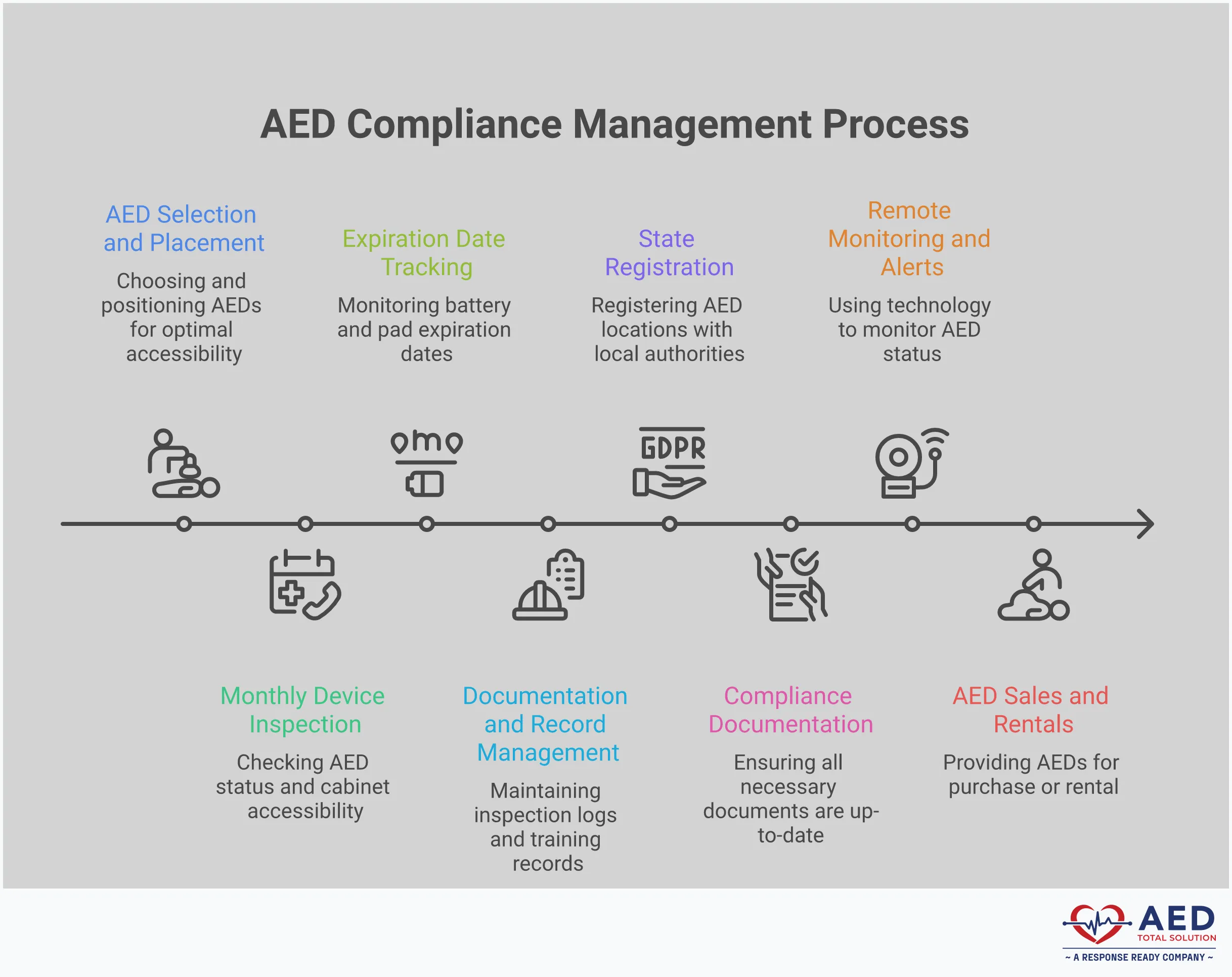
Think of your AED program like any other essential safety system—it requires routine checks and diligent oversight. A simple but consistent checklist can make all the difference. By focusing on a few key areas, you can ensure your device is functional, your supplies are current, and your records are in order. This not only keeps you compliant with state and federal guidelines but also gives you confidence that your AED will perform as expected during an emergency. We’ll walk through the three pillars of a solid maintenance plan: regular inspections, tracking expiration dates, and keeping accurate records. Following these steps is fundamental to running a responsible and effective AED program.
How to Perform Regular AED Inspections
A quick visual check, performed consistently, is one of the easiest ways to confirm your AED is ready to go. Most AEDs have a status indicator—usually a small light or symbol—that shows whether the device is operational. If it’s green, you’re good. If it’s red or chirping, it needs immediate attention. Your routine inspection should confirm the status indicator is active, the device is accessible and unobstructed, and that essential supplies like pads and a rescue kit are present. Set a recurring calendar reminder to perform these checks monthly. This simple habit helps you catch small issues before they become major problems during an emergency.
Tracking Battery and Pad Expiration Dates
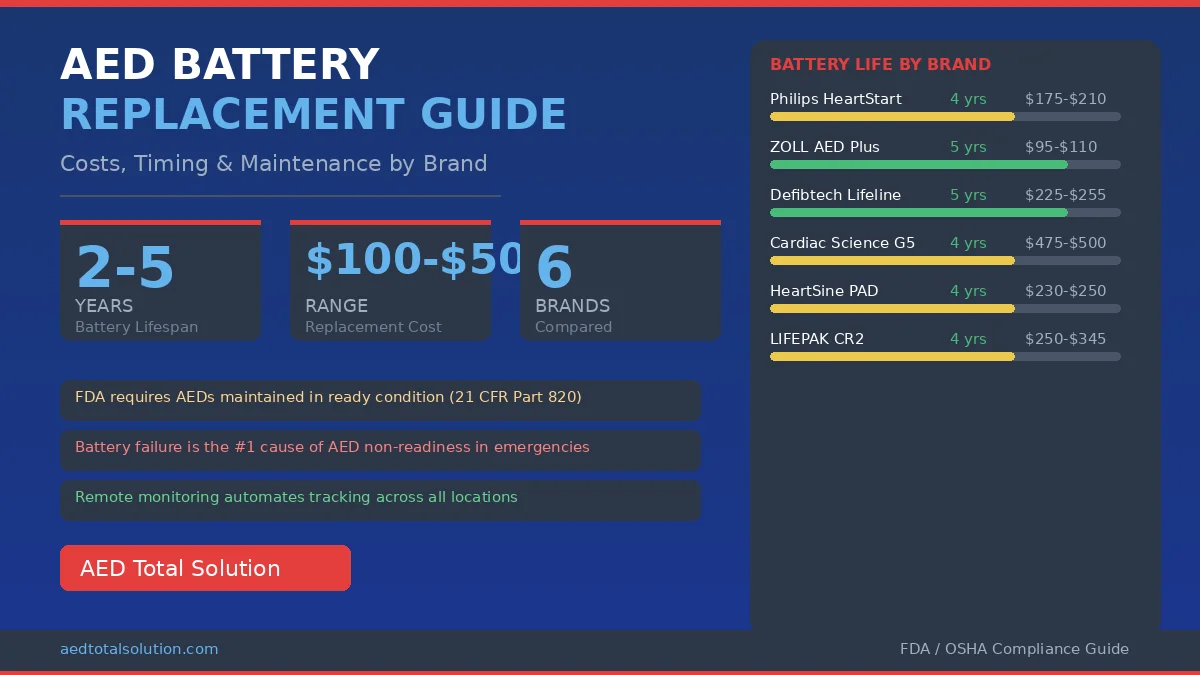
An AED with an expired battery or pads is no better than not having one at all. Equipment maintenance is one of the most common reasons for non-compliance, and these expiration dates are easy to miss if you don’t have a system in place. Electrode pads typically last about two years, while batteries can last anywhere from two to five years. Mark these dates clearly on a calendar or in a digital spreadsheet when you first install the device. When the time comes, you can find the right replacement AED pads and batteries to keep your device in service. Proactive tracking ensures your AED has the power and supplies it needs to function correctly.
The Right Way to Keep Your AED Records
Thorough documentation is your best defense during an audit and a key part of a well-managed program. When regulators ask for proof of compliance, having “zero documentation” is a significant red flag. Your records should include a log of every monthly inspection, confirmation of battery and pad replacement dates, and copies of your team’s CPR and AED training certifications. This paper trail demonstrates that you are actively maintaining your device and meeting legal requirements. Keeping these files organized in a dedicated binder or digital folder makes it easy to prove your program is compliant, which helps limit your organization’s liability. Our AED program management services can handle this for you.
Meeting Document Retention Rules
Creating records is only half the battle; you also need a clear policy for how long to keep them. While specific retention laws can vary, a solid best practice is to hold onto all AED-related documentation—including inspection logs, maintenance invoices, and training rosters—for at least five to seven years. This creates a long-term historical record that can be invaluable for demonstrating due diligence and protecting your organization from liability claims that may arise long after an incident. Think of it as your program’s official history book. A complete and accessible archive proves you’ve consistently followed maintenance protocols and upheld your commitment to safety over time.
You can store these records in a physical binder, but a digital system offers far more security and efficiency, especially for organizations managing multiple devices. Digital files are easier to back up, search, and access during an audit. This is where a dedicated management system becomes essential, as it eliminates the risk of lost paperwork and manual tracking errors. Full-service AED program management automates this entire process, providing a centralized dashboard where all your compliance documents are securely stored and instantly accessible. This ensures your records are not just complete, but also audit-ready at all times, giving you total peace of mind.
How Good Samaritan Laws Protect You
One of the biggest barriers that stops people from intervening in a cardiac arrest emergency isn’t a lack of knowledge—it’s fear. The worry of doing something wrong and facing legal consequences can cause a dangerous hesitation when every second counts. This is exactly why Good Samaritan laws exist. These laws are designed to protect people who step up to help in an emergency, providing them with legal immunity from civil lawsuits.
Every state has some form of a Good Samaritan law, and many include specific provisions for AED use. The core idea is to encourage bystanders to act in good faith without the fear of being sued if the outcome isn’t successful. These protections often extend beyond the individual responder to cover the organization that purchased and placed the AED. Understanding these laws is a critical part of building a confident and effective emergency response plan. They provide a legal safety net so your team can focus on what truly matters: saving a life.
What Legal Immunity Means for Responders
If you use an AED on someone in cardiac arrest, are you opening yourself up to a lawsuit? The short answer is no. Thanks to Good Samaritan laws in all 50 states, individuals who provide emergency care in good faith are legally protected. These AED laws and requirements were created to encourage more people to use AEDs and perform CPR. The law recognizes that you are a bystander trying to help, not a medical professional performing a planned procedure. As long as you act reasonably and without recklessness, you are shielded from liability. This protection is fundamental to empowering anyone, trained or not, to take decisive action during an emergency.
How to Limit Liability for Your Organization
Good Samaritan protections don’t just cover the person using the AED; they often extend to the organization that owns it. Many state laws, like Ohio’s AED statutes, explicitly limit the civil liability of the business that acquires an AED, the people who manage the AED program, and the owners of the property where the device is located. This legal shield is crucial for any organization, but it hinges on having a properly managed program. Ensuring your devices are maintained, accessible, and compliant is key to qualifying for these protections. A comprehensive AED program management service can help you close any gaps and secure that peace of mind.
The Importance of Business Insurance
While Good Samaritan laws provide a strong legal shield, your business insurance policy acts as a critical safety net. It’s a common misconception that having an AED automatically increases your insurance premiums; in fact, a well-managed program is often viewed as a responsible step in risk mitigation. Most general liability policies cover AED use, but you shouldn’t take this for granted. It’s essential to consult your insurer to confirm the specifics of your coverage. They will likely want to see that you are meeting all state and local requirements for device maintenance and training. If an incident occurs, your provider will want documentation proving your AED was properly maintained. A quick call to your agent can clarify your coverage and ensure your safety efforts are fully protected.
Common AED Liability Myths, Debunked
Let’s clear up a few common myths that fuel the fear of liability. First, you don’t always need to be certified to use an AED. While training is always recommended, the law allows untrained individuals to use an AED in an emergency. The device is designed for it, with clear voice prompts guiding you through every step. Second, you cannot accidentally harm someone with an AED. One of the most persistent misconceptions about AEDs is that you could shock someone who doesn’t need it. The reality is that an AED analyzes the person’s heart rhythm and will only advise and deliver a shock if a shockable rhythm is detected. It simply cannot hurt them; it can only help.
Common AED Compliance Mistakes to Avoid
Managing an AED program means juggling a lot of details. Even with the best intentions, some things can fall through the cracks, creating serious compliance gaps. The good news is that most of these issues are entirely preventable. By understanding the most common pitfalls, you can create a system that keeps your program on track and your devices ready for an emergency. Here are the key areas where organizations often stumble.
Mistake #1: Forgetting About Expired Equipment
An AED is only effective if its parts are up to date. A critical compliance mistake is overlooking expired equipment, especially the electrode pads and batteries. Both have a limited shelf life and must be replaced periodically. Using an AED with expired pads could mean the device can’t deliver a proper shock, rendering it useless. That’s why regular, hands-on checks are essential. You need a reliable system for tracking these dates and ensuring you have replacement AED accessories on hand before they expire. Don’t just assume your AED is ready; verify it.
Mistake #2: Letting Documentation Slide
If you can’t prove you’ve maintained your AED, you haven’t met your compliance obligations. A common issue is the lack of proper documentation for inspections, maintenance, and training. When regulators ask about your program, having zero records can lead to penalties and increase your organization’s liability. Your documentation should include a log of every readiness check, the dates you replaced batteries and pads, and records of who is trained. A well-documented program shows you’re proactive about safety and prepared to demonstrate full compliance at a moment’s notice.
Mistake #3: Poor Accessibility and Missed Registration
An AED can’t save a life if no one knows where it is or can’t get to it. Many organizations make the mistake of having unregistered devices or poor placement. Most local emergency services require you to register your AED’s location so 911 dispatchers can direct bystanders to it. Just as important is accessibility. Is your AED in a visible, unlocked cabinet in a central location? Or is it tucked away in a locked office? Ensuring your device is both registered and easy to access is crucial for safety. These are the kinds of details that a comprehensive AED program management plan handles for you.
Data Privacy Considerations for Your AED Program
When you think about your AED program, data privacy might not be the first thing that comes to mind. But in our connected world, it’s a critical piece of the compliance puzzle. Modern AEDs can record event data, and the software used to manage your program tracks everything from employee training records to device maintenance logs. Handling this information responsibly is essential for protecting your organization and your people. Just like you need a plan for checking your equipment, you need a plan for safeguarding the data that comes with it.
Handling Health Information and Privacy Laws
After an AED is used, it creates a data file of the event, which can include sensitive health information. Beyond that, your program management records contain personal data about employees who are trained responders. Many regions have strict rules about how businesses must handle personal information. If your organization collects this kind of data, you generally need a clear privacy policy that explains what you collect and how you use it. It’s also a best practice to keep detailed records of your data processing activities to demonstrate that you’re handling everything by the book.
Understanding GDPR and CCPA Implications
If your organization operates in or has employees in Europe or California, you need to be aware of specific data privacy laws. The General Data Protection Regulation (GDPR) sets the rules for how personal data is collected and protected for people in the EU. Similarly, the California Consumer Privacy Act (CCPA) gives California residents more control over their personal information. For example, under CCPA, you may need to give people a clear way to opt out of having their data shared. These regulations can apply to employee training data and other records in your AED program, so understanding your obligations is key.
Implementing Reasonable Security Measures
Complying with privacy laws isn’t a one-time task; it requires an ongoing process to protect your data and IT systems. This means putting reasonable security measures in place to prevent unauthorized access to your AED program records. Think of it as digital maintenance. You should conduct regular checks to make sure your security procedures are working and that they align with current laws. This is another area where professional program management can be a huge asset, as it ensures your data is stored in a secure, compliant system designed to meet these standards.
Creating a Data Breach Incident Response Plan
Even with the best security, data breaches can happen. That’s why you need an incident response plan *before* you ever need one. This plan should outline the exact steps you’ll take if personal data from your AED program is compromised. If sensitive information is exposed, you are often legally required to notify the people affected. In some cases, like under GDPR, you may have to report the breach to authorities within 72 hours. Having a clear plan in place helps you respond quickly and correctly, minimizing potential damage and ensuring you meet your legal obligations.
A Note on International AED Requirements
So far, we’ve focused on the legal landscape for AEDs within the United States. But if your organization has offices or facilities in other countries, it’s important to know that the rules can be completely different. AED regulations are not universal, and what works for your U.S. locations may not meet the requirements for a site in Canada, Europe, or Asia. For any organization with a global footprint, understanding this variability is the first step toward building a compliant international safety program.
How Regulations Differ Outside the U.S.
Just as AED requirements vary by state within the U.S., each country has its own set of laws governing device placement, maintenance, and use. For example, one country might mandate AEDs in all public buildings over a certain size, while another may only have recommendations. The requirements for training, medical oversight, and registration with local health authorities can also differ significantly. Before deploying an AED program abroad, you must research the specific legal requirements for that country to ensure your program is fully compliant with local laws and prepared to meet the unique needs of that region.
How to Build a Compliant AED Program
Putting a compliant AED program in place goes far beyond just buying a device and mounting it on the wall. A truly effective program is a complete system designed to ensure your AED is always ready for an emergency and your team is prepared to act decisively. It’s about creating a culture of readiness that protects both your people and your organization. Building this framework involves three key steps: strategically placing your devices, training your responders, and establishing clear policies to manage everything. When you get these pieces right, you create a reliable safety net that you can count on when seconds matter most. A well-structured program removes the guesswork and ensures you’re meeting legal requirements while genuinely preparing for a cardiac emergency. For organizations looking for a comprehensive approach, full-service AED program management can handle every detail, from initial setup to ongoing compliance.
Step 1: Choose the Right Location for Your AED
Where you place your AED is one of the most critical decisions you’ll make. The goal is to get the device to a person in sudden cardiac arrest as quickly as possible. OSHA recommends that an AED should be reachable within a three- to five-minute walk from any point in your facility. To meet this guideline, think about high-traffic areas like lobbies, cafeterias, or main hallways. Also, consider high-risk zones, such as fitness centers, manufacturing floors, or spaces where people with known health conditions gather. The AED must be visible, accessible, and clearly marked with signage—never locked in an office or closet. A proper site assessment helps you determine not just the best spots, but also how many AEDs you actually need to cover your entire space effectively.
Step 2: Create an Emergency Plan and Train Your Team
An AED is a powerful tool, but it’s most effective in the hands of a confident, trained responder. While modern AEDs are designed for anyone to use, formal training empowers your team to act without hesitation. Your emergency plan should designate key responders to get CPR and AED certified. According to OSHA, this training should be refreshed at least annually to keep skills sharp and up-to-date. A good emergency response plan outlines exactly who does what: who calls 911, who retrieves the AED, and who begins chest compressions. Regular drills help integrate these roles so your team can work together seamlessly when the pressure is on. This preparation turns a chaotic event into a structured, life-saving response.
Step 3: Put Clear AED Policies in Place
Clear, written policies are the foundation of a sustainable and compliant AED program. These guidelines ensure that nothing falls through the cracks. Your policies should outline a schedule for regular device inspections, a system for tracking battery and electrode pad expiration dates, and a procedure for what to do after an AED is used. Many organizations struggle to manage these details, which can lead to expired equipment or gaps in documentation. It’s also essential to understand your specific local and state AED laws, as they can dictate requirements for registration, medical oversight, and reporting. Documenting everything creates an audit-ready record that demonstrates due diligence and protects your organization from liability.
Keeping Your AED Program Compliant Over Time
An AED program isn’t a “set it and forget it” initiative. It’s a living part of your safety plan that requires consistent attention to remain effective and compliant. Placing a device on the wall is a great first step, but the real work lies in the ongoing maintenance that keeps it ready for an emergency. Over time, batteries and pads expire, trained staff members may leave, and the regulations governing AEDs can change. Without a solid maintenance plan, your life-saving device could fail when you need it most, creating significant liability for your organization.
Staying on top of your program means more than just checking for a blinking green light. It involves regular audits, diligent record-keeping, and a clear understanding of your legal responsibilities. A neglected program can quickly become a liability, with expired equipment and incomplete documentation leaving you exposed during an inspection or, worse, a medical crisis. By committing to long-term management, you ensure your AED is always ready to respond and that your program meets all necessary compliance standards. This protects both your people and your organization from preventable risks.
Why You Should Conduct Regular Compliance Audits
Think of a compliance audit as a regular health check for your AED program. These audits go beyond simple visual inspections to confirm that every component of your program is up to date and functioning correctly. It’s easy to run into common problems like AEDs with expired pads, locked cabinets without a key, or a lack of documentation when auditors ask. A thorough audit helps you catch these gaps before they become critical failures. By scheduling regular reviews using a detailed AED inspection checklist, you can verify that your device is accessible, your supplies are current, your records are accurate, and your designated responders are still on staff and properly trained. This proactive approach is the best way to ensure your program is truly response-ready.
When to Consider Professional Program Management
Let’s be honest: managing an AED program involves a lot of moving parts. Many organizations struggle to keep up with tracking expiration dates, logging inspections, and coordinating training, which can lead to costly oversights. This is especially true for businesses with multiple locations. This is where professional AED program management can make a world of difference. Handing off the logistics to an expert partner removes the administrative burden from your team and closes compliance gaps. A dedicated service handles everything from monitoring device readiness to tracking supplies and maintaining audit-ready records, giving you confidence that every detail is covered. It’s a straightforward way to reduce risk and ensure your program is always prepared.
How to Stay on Top of Changing Regulations
AED laws and guidelines are not set in stone. Regulations can evolve at the federal, state, and even local levels, impacting everything from where a device must be placed to who needs to be trained. A program that was fully compliant last year might have gaps today. To develop an effective plan, it’s essential to stay informed about the specific AED laws in your state. Keeping up with these changes is a critical, ongoing responsibility. It ensures your organization remains protected under Good Samaritan laws and avoids potential fines or legal issues. Staying current is a non-negotiable part of responsible AED ownership.
Related Articles
- AED Laws & Requirements Across State — AED Total Solution
- AED Signage Requirements and Laws to Ensure Legal Compliance
- Florida AED Statutes & Regulations
- California AED Statutes & Regulations
- Indiana AED Statutes & Regulations
Frequently Asked Questions
Is my business legally required to have an AED? There isn’t a simple yes or no answer, as there’s no single federal law mandating AEDs for all businesses. Instead, the requirements are determined by state and local laws, which often target specific types of facilities like schools, gyms, and government buildings. The best way to know for sure is to check your state’s specific statutes. However, even if it’s not legally required, OSHA considers having an AED a best practice for workplace safety, and it’s a clear way to protect your team.
Do I need to be certified to use an AED in an emergency? No, you don’t. While training is always a great idea to build confidence, every state has Good Samaritan laws to protect bystanders who step in to help. Modern AEDs are designed for anyone to use, with clear voice prompts that guide you through every step. The goal of these laws is to remove any hesitation so that people feel empowered to act quickly and save a life, regardless of their training background.
Can I accidentally shock someone who doesn’t need it? This is a common fear, but you can rest assured that it’s impossible to accidentally harm someone with an AED. The device is incredibly smart and will only deliver a shock after it analyzes the person’s heart rhythm and detects a specific, life-threatening arrhythmia. If no shock is needed, the device will not allow one to be administered. It simply cannot hurt someone; it can only help.
What’s the most common mistake organizations make with their AEDs? The most frequent and dangerous mistake is forgetting about the device after it’s installed. An AED program is not a “set it and forget it” project. Organizations often overlook expired batteries and electrode pads, which makes the device useless in an emergency. Consistent monthly inspections and a reliable system for tracking expiration dates are essential to ensure your AED is always ready to perform when you need it most.
What does ‘Good Samaritan protection’ actually mean for my organization? Good Samaritan laws provide a legal shield not just for the individual who uses the AED, but also for the organization that owns it. These laws limit your civil liability in the event of an emergency, protecting you from lawsuits. However, this protection generally depends on you having a properly managed program. This means you must perform regular maintenance, keep accurate records, and ensure the device is accessible. A well-run program is your best defense.